











Levi’s 501 jeans are the original straight-leg denim pants created in 1873, featuring a signature button fly, regular fit through the seat and thigh, mid-rise waist, and un-tapered leg opening. Built from durable 100% cotton rigid denim with copper-riveted stress points, they offer an unpretentious silhouette that breaks in and shapes to your body over time.
Originally engineered as workwear for miners and laborers, the design has survived more than 150 years with minimal structural alteration. While modern denim markets offer thousands of synthetic blends and complex silhouettes, the classic 501 remains the yardstick against which all other straight-leg jeans are measured. Understanding how the cut functions, how to calculate shrinkage, and how modern versions differ is key to getting a pair that fits properly and lasts for years.
What design elements define Levi’s 501 jeans?
The standard 501 is built around a specific set of construction details that distinguish it from standard casual trousers. The defining characteristic is the full button fly, which uses four or five metal shank buttons depending on the waist size and rise height. Unlike zippers, button flies lie flat without warping or creating uncomfortable bulges when sitting, and they handle fabric tension without jamming.
The cut sits at the natural waist with a mid-to-high rise—typically measuring around 11 to 11.5 inches on a men’s size 32. It maintains a regular fit through the hips and seat, falling straight down from the knee to a 16.5-inch leg opening. This straight silhouette allows room for movement without appearing baggy or billowing around footwear.
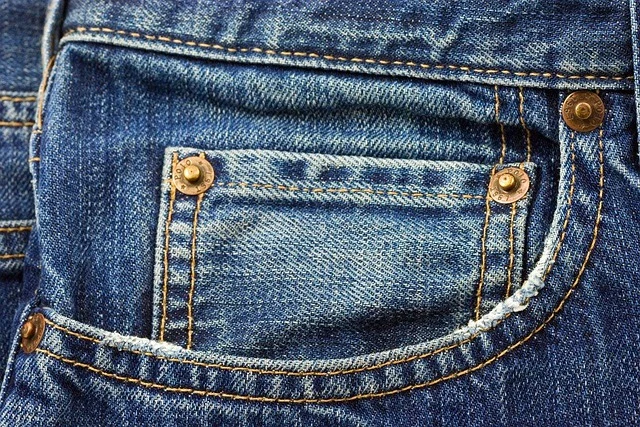
Key structural features include key copper stress rivets, heavy-duty pocket bags, and signature stitch patterns:
- Copper Rivets: Placed at high-stress corners including the coin pocket and front pocket entry points to prevent seam tearing.
- Arcuate Stitching: The double-arch stitching pattern across both back pockets, an iconic mark preserved since the original patent.
- Back Waistband Patch: A durable Two-Horse Pull patch made of leather or Jacron paperboard, illustrating two horses attempting to pull a pair of jeans apart.
- Red Tab: The iconic textile label sewn into the right back pocket seam, featuring either the capital or lowercase Levi’s logo, or a simple registered trademark symbol (®).
How do different Levi’s 501 versions compare?
Over the decades, Levi’s has expanded the 501 line to accommodate different fabric weights, washing preferences, and aesthetic preferences. While all share core DNA, their fit and maintenance requirements vary considerably.
The standard pre-shrunk 501 Original Fit uses sanforized denim (treated to prevent major shrinkage) and arrives ready to wear out of the box. Conversely, the 501 Shrink-to-Fit (STF) uses raw, unsanforized denim straight from the loom.
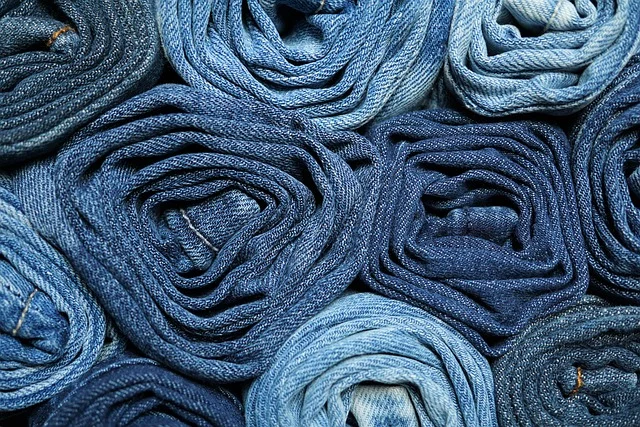
For those seeking specific historic cuts, the Levi’s Vintage Clothing (LVC) line reproduces specific historical production years using period-accurate fabrics, pocket shapes, and stitch counts. Other modern variations, such as the 501 ’93, modify the original profile slightly for contemporary styling preferences.
| 501 Model | Cut & Rise | Fly Type | Fabric Composition | Best For |
|---|---|---|---|---|
| 501 Original | Mid rise, regular seat, straight leg (16.5″ opening) | Button Fly | 100% Cotton (12–14 oz sanforized) | Everyday wear, predictable standard sizing |
| 501 Shrink-to-Fit | Mid/High rise, shrinks to custom mold | Button Fly | 100% Cotton (12.5 oz raw, 14 oz post-shrink) | Denim purists, custom body molding, natural fading |
| 501 ’93 Original | Higher rise, fuller thigh, slight leg taper | Button Fly | 100% Cotton or minor elastane blend | Skateboarding, broader thighs, retro 90s aesthetic |
| 501 Stretch | Mid rise, standard straight leg | Button Fly | 99% Cotton, 1% Elastane (or 98/2 blend) | Immediate comfort without rigid break-in phase |
| 501 Selvedge | Mid rise, standard straight leg | Button Fly | 100% Premium Cotton shuttle-loom selvedge | Longevity, clean cuffed seams, high structural density |
| LVC 1947 501 | Slimmer thigh, straight leg, balanced waist | Button Fly | 100% Cone Mills / Kaihara raw selvedge | Heritage collectors, slim-to-medium athletic frames |
How to size Levi’s 501 jeans accurately
Finding your correct size depends heavily on whether you choose pre-shrunk denim or unsanforized raw denim. Pre-washed or standard sanforized 501 jeans run true to tagged waist size. However, because 100% rigid cotton does not yield like stretch fabrics, measure your actual natural waist circumference with a tape measure rather than relying on vanity sizing from soft trousers.
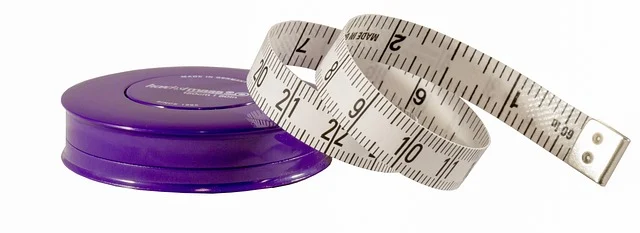
When purchasing Shrink-to-Fit (STF) 501s, you must size up to account for expected fabric contraction during the first soak or machine wash. Follow these sizing rules based on your washing routine:
- Method 1: Wear-in-Tub Soak (Maximum Custom Fit)
Buy your true waist size and add 2 inches to the inseam length. Soak in a warm bath while wearing the jeans for 30 minutes, then wear them until dry so the denim shrinks precisely around your waist and thighs without over-tightening. - Method 2: Machine Wash, Line Air-Dry
Buy 1 inch larger in the waist and 2 inches longer in the inseam length (for example, if your standard size is 32×32, purchase a 33×34). - Method 3: Machine Wash, Machine Tumble-Dry
Buy 2 inches larger in the waist and 3 inches longer in the inseam length (for example, purchase a 34×35 for a standard 32×32 body). High dryer heat causes maximum shrinkage across warp and weft fibers.
Who do 501 jeans not suit?
While versatile, the standard 501 silhouette is not ideal for every body type or style preference. Body types with significant waist-to-hip ratios—such as competitive powerlifters with heavy quads or pronounced hourglass figures—often experience gaping at the back waistband when buying a waist size that fits their thighs. In such cases, altering the waist tailored to fit or choosing a cut with a contoured waistband may yield better results (see Beyond the Hype: Decoding Clothing Trends for Real Style for jean tailoring guidelines).
Additionally, if you prefer low-rise jeans that sit below the hips, or if you demand a skin-tight leg profile that hugs the calves without excess cloth, the mid-rise straight construction of the 501 will feel overly boxy and loose below the knee.
How does the 501 compare to the 505, 511, and 514?
Levi’s numerical naming system differentiates jeans by rise, seat cut, and leg opening. Comparing the 501 against adjacent popular numbers clarifies where it sits in the spectrum:
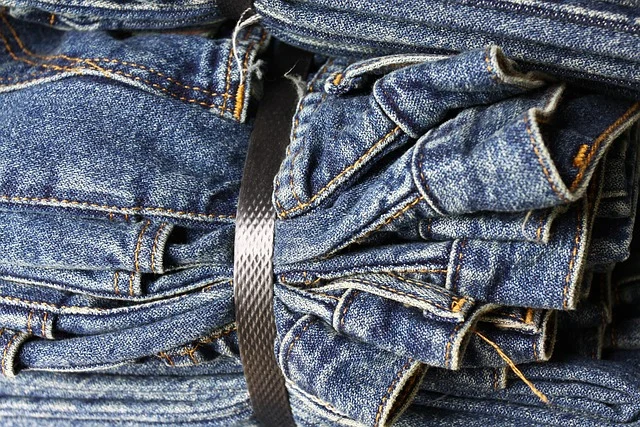
- 501 vs. 505 Regular Fit: The Levi’s 505 was introduced in 1967 as the zipper-fly counterpart to the 501. The 505 sits slightly lower on the waist, offers a touch more room in the seat, and uses a full zipper closure instead of buttons.
- 501 vs. 511 Slim Fit: The 511 is a modern slim cut. It sits below the waist, sits snug through the thigh, and tapers down to a narrower 14.5-inch leg opening. Unlike the rigid straight profile of the 501, most 511 models contain stretch fibers for flexibility.
- 501 vs. 514 Straight Fit: The 514 offers a lower rise than the 501 and features a wider, more relaxed thigh clearance, terminating in a straight leg with a zipper fly.
How to wash and care for 501 jeans to maximize lifespan
Rigid cotton denim requires periodic care to keep fibers intact while preventing excessive indigo dye loss. Washing 100% cotton denim after every single wear breaks down cotton threads prematurely and leads to unnatural, flat fading patterns.
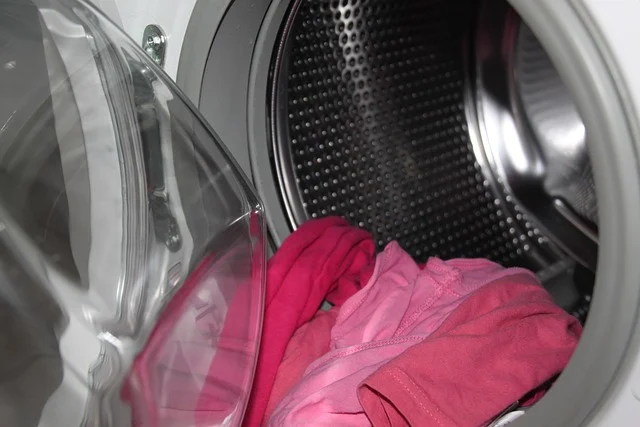
To preserve structural integrity and achieve natural fading contrast, clean your 501s using these steps:
- Wash Frequency: Wash only after 10 to 20 wears, unless dirty or stained. Spot-clean minor surface dirt with a damp cloth and mild detergent.
- Preparation: Turn the jeans inside out. This protects the dark outer indigo surface from abrasive friction against the washing machine drum.
- Water Temperature & Cycle: Wash in cold water using a gentle, low-spin cycle. Use a mild liquid laundry detergent free from optical brighteners or bleach additives.
- Drying Method: Never tumble dry high-grade or raw denim in high heat unless forced shrinkage is desired. Hang the jeans by the hem or lay them flat to air dry away from direct scorching sunlight. Heat breaks down cotton structural fibers and shrinks seam threads prematurely.
- Handling Repairs: When inner thigh seams show signs of thinning (crotch blowout), repair them early using darning or sashiko stitching on the underside. Catching thin spots early adds years of usable life to rigid denim.
Sustainability, materials, and manufacturing standards
Because cotton cultivation and denim finishing are resource-intensive processes, modern manufacturing choices impact long-term value and environmental footprints. Levi Strauss & Co. utilizes targeted initiatives to address water consumption and supply chain labor practices.
To reduce water usage in traditional garment dyeing and stone-washing, Levi’s developed WaterLess™ finishing techniques, which cut process water consumption by up to 96% on select product lines. Concurrently, manufacturing oversight is vetted through the Fair Labor Association to monitor factory working conditions and compensation standards across global facilities. For details regarding chemical management and organic cotton sourcing targets, review The organization’s 2025 sustainability report.
How to style 501 jeans for modern outfits
The neutral, straight-leg profile of the 501 works as a foundational piece across multiple clothing aesthetics because it balances top-heavy garments without creating extreme exaggerated proportions.

For clean casual wear, combine mid-wash 501s with a tucked heavyweight white cotton T-shirt, a leather belt, and low-top canvas sneakers or leather boots. The mid-rise waist holds a tucked shirt neatly without rising unnaturally high up the torso.
For a smart-casual environment, choose dark indigo un-distressed 501s. Pair them with an Oxford cloth button-down shirt, a unstructured wool blazer, and suede loafers or desert boots. The un-tapered 16.5-inch leg cuff drapes cleanly over structured footwear without stacking or crumpling excessively around the ankles.
Frequently asked questions
What is the main difference between Levi’s 501 and other Levi’s jeans?
The primary differences are the classic button fly, natural mid-rise waist, and straight leg cut that maintains equal width from knee to hem. Other cuts like the 505 use a zipper fly, while models like the 511 feature slim tapered legs and lower waistlines.
How do I know if my Levi’s 501 jeans are authentic?
Check for crisp stamping on the back leather or Jacron paper patch, branded metal buttons stamped with factory numbers on the reverse side, copper rivets with legible lettering, red tab sewn on the back right pocket, and arcuate double-arch pocket stitching.
Are Levi’s 501 jeans still popular today?
Yes, the classic straight-leg silhouette remains one of the most widely produced denim cuts worldwide due to its classic proportions and adaptability across casual and workwear styles.
How much do Levi’s 501 jeans typically cost?
Standard retail models typically cost between $80 and $100. Premium iterations made with heavy selvedge denim or reproduced under the Levi’s Vintage Clothing line range from $150 to over $300.
Should I buy Shrink-to-Fit 501 jeans a size up?
You should size up 1 inch in the waist and 2 inches in inseam length for cold washing and line drying, or 2 inches in waist and 3 inches in length if machine drying.


