
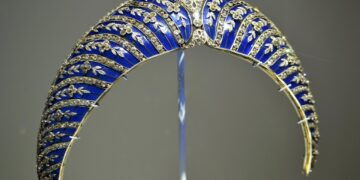










Your jewelry collection represents more than just adornment; it embodies personal stories, cherished memories, and often, significant financial investment. As of September 2026, preserving these precious items in pristine condition is entirely achievable with the right cleaning and storage practices. Neglecting your jewelry can lead to dullness, scratches, or even permanent damage, significantly diminishing its beauty and value. This comprehensive guide equips you with the knowledge and techniques to care for your jewelry collection, ensuring its brilliance endures for generations.
Last updated: September 17, 2026
Latest Update (September 2026)
Recent industry discussions emphasize tailored care and routine maintenance. Jewelry expert Olivia Bateman, as reported by StreetInsider on September 15, 2026, highlights the importance of an annual jewelry care routine. This routine extends beyond simple cleaning, encompassing professional inspections and proactive storage adjustments based on wear patterns.
Vogue’s coverage on September 13, 2026, of Poshmark’s Dry Cleaner Party during NYFW, further reinforces the critical message: "Always Read the Care Label!" While jewelry doesn’t typically have a physical label, this sentiment translates to thoroughly understanding your pieces’ materials and specific care requirements before attempting any cleaning or storage method. Generic approaches can lead to irreversible damage.
Direct Answer
Jewelry care involves regular, gentle cleaning tailored to material, proper storage to prevent damage, and understanding when to seek professional help. Preventative habits like avoiding chemical exposure and promptly cleaning after wear extend the life and brilliance of your collection, safeguarding its beauty and value for years.
Key Takeaways
- Identify your jewelry’s materials before cleaning; different gems and metals require specific care.
- Use mild, appropriate cleaning methods for each piece, avoiding harsh chemicals and abrasive tools.
- Proper storage, including individual compartments or pouches, prevents scratches, tangles, and tarnish.
- Implement preventative habits like wiping jewelry after wear and applying cosmetics before donning pieces.
- Consult a professional jeweler annually for inspections, deep cleaning, and expert repairs.
Understanding Your Jewelry’s Composition
Before applying any cleaning agent or choosing a storage method, identifying what your jewelry is made of is paramount. This foundational step proves crucial for effective care. Gold, silver, platinum, palladium, and various gemstones each possess unique properties that dictate their specific cleaning and storage requirements. For example, porous gemstones like pearls, opals, and turquoise are highly susceptible to damage from harsh chemicals or ultrasonic cleaners, while sterling silver readily tarnishes and demands specific anti-tarnish measures.
Jewelers often identify precious metals by examining hallmarks, small stamped symbols indicating the metal’s purity (e.g., "14K" for 14-karat gold or "925" for sterling silver). For gemstones, understanding whether they are natural, treated, or synthetic also plays a vital role in their care. The Gemological Institute of America (GIA) provides extensive resources on identifying and understanding various gemstones, emphasizing the need for informed care practices. Knowing these details prevents accidental damage and ensures the longevity of your prized possessions.
Identifying Metals and Their Specific Needs
- Gold: Available in various karats (10K, 14K, 18K, 22K, 24K). Lower karats contain more alloy metals, making them potentially more susceptible to tarnish or scratches. White gold often has a rhodium plating that requires re-plating over time.
- Platinum: A naturally white, dense, and durable metal. It does not tarnish but can scratch, developing a patina over time. Platinum maintains its weight and integrity even when scratched, as the metal merely displaces rather than wears away.
- Silver: Sterling silver (92.5% silver) is prone to tarnish. Fine silver (99.9% pure) tarnishes less but is softer. Silver-plated items require extremely gentle care to avoid removing the thin plating.
- Palladium: A member of the platinum group metals, palladium is naturally white, hypoallergenic, and lightweight. It shares many care characteristics with platinum, resisting tarnish and maintaining its luster with simple cleaning.
Essential Cleaning Techniques for Precious Metals
Most fine jewelry, particularly pieces made from gold, platinum, and palladium, responds well to simple, gentle cleaning solutions. For everyday grime and body oils, a mixture of warm water and a few drops of mild, phosphate-free dish soap (such as Dawn) serves as an effective ally. Experts recommend using a soft-bristled brush, like a baby toothbrush, for getting into intricate settings without scratching the metal.
Gently scrub the piece, paying close attention to crevices where dirt accumulates. Rinse it thoroughly under lukewarm running water, then dry it completely with a soft, lint-free microfiber cloth. For more stubborn dirt or to restore shine, a specialized jewelry cleaning solution designed for precious metals can be used, always following the product’s instructions carefully. The Jewelers of America (JA) consistently cautions against using household cleaners like bleach, ammonia, or abrasive powders, as these chemicals corrode metals and permanently damage many gemstones, especially those with treatments or coatings.
Tackling Tarnish: Silver and Gold
Silver jewelry, especially sterling silver, naturally tarnishes when exposed to air and moisture. This dull, dark coating results from a chemical reaction called oxidation, where silver reacts with sulfur compounds in the air. The good news is that tarnish is typically reversible with appropriate care.
Methods for Silver Tarnish Removal
- For light tarnish: A silver polishing cloth often suffices. These cloths contain a mild abrasive and a chemical treatment that buffs away the tarnish without harsh liquid chemicals. They are excellent for maintaining luster between deeper cleanings.
- For significant tarnish: A silver cleaning solution can be highly effective. Users report that these solutions quickly dissolve tarnish. However, use them sparingly, as they can remove a thin layer of silver with each application. Always rinse and dry thoroughly after using any silver cleaning solution, as residue can cause further issues.
- DIY methods: Some individuals opt for DIY methods like baking soda and aluminum foil baths. This method removes tarnish through an electrochemical reaction. While effective, these methods carry a risk of abrasion if not executed carefully with the correct proportions and technique. Always ensure you thoroughly rinse and dry the piece afterward to prevent residue buildup and potential damage.
Gold, particularly lower karat gold (like 10K or 14K), can also tarnish, though it appears less common and less noticeable than with silver. The same mild soap and water method generally works well for gold. High-karat gold (18K and above) demonstrates significant resistance to tarnish and damage due to its higher purity and lower alloy content.
Delicate Care for Gemstones
Gemstone jewelry demands a more nuanced approach, as different stones possess varying hardness, porosity, and treatments. Tailoring cleaning methods to the specific gemstone is essential to prevent damage.
Specific Gemstone Care
- Soft, porous gemstones: Pearls, opals, turquoise, coral, amber, and emeralds are highly delicate. Clean these gems ideally with only a soft, damp cloth. Avoid soaking them in water or using any cleaning solutions, as their porous nature makes them susceptible to damage, discoloration, or loss of luster. Wipe them gently after wear and store them separately to prevent scratching.
- Harder gemstones (non-porous): Diamonds, rubies, sapphires, amethysts, and garnets are generally more robust. These can typically withstand the mild soap and warm water method described for precious metals. A soft brush helps remove dirt from facets and settings.
- Treated gemstones: Many natural gemstones undergo treatments (e.g., heat treatment, fracture filling, dyeing) to enhance their appearance. These treatments can make stones more fragile or sensitive to chemicals and heat. Always inquire about any treatments when purchasing a gemstone and follow specific care instructions provided by the jeweler.
- Organic gemstones: Pearls and coral are organic and require special attention. Perfumes, hairsprays, and even natural body oils can degrade their surface over time. Wipe them clean with a soft, damp cloth after each wear.
Smart Storage Solutions for Your Collection
Proper storage is as critical as cleaning for preserving your jewelry’s beauty and preventing damage. Haphazard storage leads to scratches, tangles, and accelerated tarnishing. As of 2026, a variety of effective storage solutions are available to suit any collection size or budget.
Optimal Storage Practices
- Individual compartments: Store each piece of jewelry in its own soft pouch, cloth-lined compartment, or separate box. This prevents pieces from scratching each other, especially diamonds which can scratch other gemstones and metals.
- Anti-tarnish bags: For silver jewelry, consider using anti-tarnish bags or strips. These products absorb sulfur compounds in the air, significantly slowing down the oxidation process and reducing the need for frequent cleaning.
- Cool, dry place: Keep your jewelry away from extreme temperatures, humidity, and direct sunlight. High humidity accelerates tarnish and can damage porous gemstones or glues in costume jewelry. Sunlight can fade some gemstones, like amethyst and topaz.
- Secure location: For valuable pieces, a secure jewelry box with a lock or a safe provides protection against theft. Ensure the safe environment is also dry and free from excessive heat.
Preventative Measures for Lasting Luster
Implementing a few simple habits into your daily routine can significantly extend the life and brilliance of your jewelry collection. Prevention often outweighs the most diligent cleaning efforts.
Daily Habits for Jewelry Longevity
- "Last on, first off" rule: Apply cosmetics, perfumes, hairspray, and lotions before putting on your jewelry. These products can dull metals, coat gemstones, and even cause chemical reactions. Similarly, remove jewelry before washing hands, showering, or bathing.
- Avoid harsh chemicals: Remove jewelry before cleaning with household chemicals, swimming in chlorinated pools, or soaking in hot tubs. Chlorine and other chemicals can severely damage metals and gemstones.
- Remove during strenuous activities: Take off rings, bracelets, and necklaces before exercising, gardening, or engaging in sports. This prevents scratches, dents, and potential loss of stones.
- Wipe after wear: After each wear, gently wipe your jewelry with a soft, lint-free cloth to remove body oils, sweat, and environmental residues. This simple step can prevent buildup and maintain shine.
When to Seek Professional Expertise
While home care is essential, certain situations always warrant professional attention. Knowing when to consult a jeweler protects your valuable pieces from irreversible damage.
Professional Services to Consider
- Annual inspections: Based on recent recommendations from experts like Olivia Bateman, an annual professional inspection is crucial. A jeweler checks for loose prongs, worn settings, and potential structural weaknesses that might not be visible to the untrained eye. This proactive approach prevents stone loss and costly repairs.
- Deep cleaning: Professional jewelers have access to specialized equipment, such as commercial-grade ultrasonic cleaners and steam cleaners, which can safely remove stubborn dirt and grime that home methods cannot. They also use appropriate solutions tailored to specific materials.
- Repairs and resizing: Never attempt to repair broken clasps, bent prongs, or resize rings yourself. These tasks require specialized tools and expertise. Professional jewelers ensure repairs are done correctly, maintaining the integrity and value of the piece.
- Rhodium plating: White gold jewelry often has a rhodium plating that wears off over time, revealing the natural yellowish hue of the gold underneath. A jeweler can re-plate your white gold, restoring its bright, silvery-white appearance.
Choosing the Right Tools and Avoiding DIY Pitfalls
The market offers numerous tools for jewelry care, but selecting the correct ones and understanding their limitations is key. Avoiding common DIY pitfalls prevents accidental damage.
Recommended Tools and What to Avoid
- Soft cloths: Microfiber cloths are ideal for polishing and wiping. Avoid paper towels or tissues, which can be abrasive.
- Soft brushes: A baby toothbrush or a specialized jewelry brush with very soft bristles helps clean crevices without scratching.
- Mild soap: Use only mild, phosphate-free dish soap. Avoid antibacterial soaps, harsh detergents, or cleaners containing ammonia or bleach.
- Home ultrasonic cleaners: While convenient, these can be risky. They are generally safe for solid metal pieces and diamonds, rubies, and sapphires. However, they can damage porous stones (opals, pearls, emeralds), treated stones, and pieces with delicate settings or glued components. Consult a jeweler before using one on unknown pieces. What is Fashion Jewelry? Your Guide to Trendy Accessories
- Avoid abrasive materials: Toothpaste, scouring pads, or harsh chemical pastes should never be used on jewelry, as they will cause permanent scratches and dullness.
- Beware of internet "hacks": As the Vogue report on Poshmark’s NYFW event underscored, understanding material care is paramount. Many online DIY solutions, while seemingly effective, can cause irreversible damage if not perfectly suited to the specific metal or gemstone. Always verify information with reputable sources like the GIA or JA before trying new methods.
Organizing Your Collection for Accessibility
An organized jewelry collection is not just aesthetically pleasing; it also facilitates better care and easier access. Thoughtful organization prevents tangles, minimizes exposure, and ensures you can quickly find the perfect piece.
Strategies for Effective Organization
- Categorize by type: Store necklaces, bracelets, earrings, and rings in separate sections. This prevents necklaces from tangling and earrings from getting separated.
- Consider frequency of use: Keep your most frequently worn pieces easily accessible, perhaps in a smaller tray or section of your jewelry box. Less frequently worn or high-value items can be stored more securely.
- Vertical storage for necklaces: Hanging necklaces on hooks or a jewelry tree prevents tangles and keeps them visible. Ensure sufficient space between pieces to avoid contact.
- Ring holders and earring stands: These specialized organizers keep rings upright and earrings paired, making selection simple.
- Labeling: For larger collections, especially those stored in drawers or opaque pouches, consider labeling containers by material type or gemstone to ensure correct care practices are applied.
A Consistent Approach to Jewelry Longevity
Maintaining a jewelry collection requires more than occasional cleaning; it demands a consistent, proactive approach. Establishing a routine ensures your pieces remain beautiful and valuable for years to come. StreetInsider’s recent report, highlighting Olivia Bateman’s advice, underscores the importance of this consistent, annual routine for comprehensive jewelry care.
Developing a Jewelry Care Routine (as of 2026)
- After each wear: Wipe down pieces with a soft cloth to remove surface oils and dirt.
- Monthly: Inspect frequently worn pieces for loose stones or worn settings. Perform a gentle clean with mild soap and water on suitable items.
- Quarterly: For silver items, check for tarnish and use an anti-tarnish cloth or solution as needed. Clean all items that can withstand the mild soap and water method.
- Annually: Take your entire collection for a professional inspection and deep cleaning. This is the ideal time for any necessary repairs, re-plating, or re-stringing of pearls. Consider updating your jewelry insurance appraisal at this time, especially for high-value items, to reflect current market values as of 2026. Men’s Skincare: Why Less is Often More for Real Results
Frequently Asked Questions
How often should I clean my jewelry?
The frequency depends on how often you wear a piece and its material. Frequently worn items, especially rings, benefit from a quick wipe after each wear and a gentle cleaning every few weeks. More delicate items or those worn occasionally may only need cleaning every few months or before storage.
Can I use toothpaste to clean my silver jewelry?
No, experts strongly advise against using toothpaste. While it may appear to remove tarnish due to its abrasive nature, toothpaste contains harsh grit that can scratch the surface of silver and other precious metals, causing irreversible damage and dulling their shine over time.
Is it safe to shower with my jewelry on?
It is generally not recommended to shower with jewelry. Soaps and shampoos can leave a residue that dulls the shine of metals and gemstones. Additionally, water can weaken settings over time, and some stones like opals or pearls can be damaged by prolonged water exposure.
How should I store pearls to prevent damage?
Store pearls separately in a soft cloth pouch or a fabric-lined box. Pearls need some moisture from the air to prevent drying out and cracking, so avoid airtight containers or very dry environments. Do not store them with other jewelry that could scratch their delicate surface.
What should I do if a gemstone in my jewelry becomes loose?
If you notice a loose gemstone, stop wearing the piece immediately to prevent losing the stone. Take it to a professional jeweler as soon as possible. They can safely re-secure the stone, preventing further damage or loss. Avoid attempting any DIY repairs yourself.
Can I use an ultrasonic cleaner on all types of jewelry?
No, ultrasonic cleaners are not safe for all jewelry. They are generally safe for diamonds, rubies, and sapphires in solid metal settings, but they can damage porous stones like opals, emeralds, and pearls, or pieces with delicate settings, glues, or fracture fillings. Always consult a jeweler if unsure.
Conclusion
Caring for your jewelry collection is an ongoing commitment, but one that richly rewards with lasting beauty and preserved value. By understanding your jewelry’s composition, employing appropriate cleaning techniques, implementing smart storage solutions, and adopting preventative habits, you safeguard these cherished items. Remember to integrate professional inspections into your annual routine, as recommended by experts as of 2026, ensuring your collection remains a source of joy and pride for generations. A consistent, informed approach to jewelry care ensures its enduring brilliance.