













A Kanji Oversized T Shirt balances dropped-shoulder streetwear proportions with Japanese typography to create a high-impact, comfortable focal point for modern outfits. To master this look, you need the right fabric weight—ideally 220 to 280 GSM heavy cotton—and precise proportional balancing with your pants and footwear.
This comprehensive guide breaks down sizing mechanics, styling techniques across seasons, translation verification practices, and exact fit rules for everyday streetwear.
What Is a Goku Kanji Oversized T Shirt and How Do You Style It?
The goku kanji oversized t shirt ranks among the most sought-after designs in anime streetwear. It features the iconic character Goku alongside the circular “悟” (Go) kanji, which translates to wisdom, enlightenment, or discernment. Fans and fashion enthusiasts pair this specific graphic tee with black utility cargo pants or faded charcoal jeans to create an athletic, anime-inspired urban outfit.

When you style a Goku Kanji oversized tee, keep the rest of your outfit muted. The vivid orange, red, or gold tones typically used in Dragon Ball graphics demand visual focus. Match the shirt with monochromatic grey or black bottoms and neutral high-top sneakers, such as Jordan 1s or Nike Dunks. Avoid pairing a Goku print with loud patterned shorts or bright outerwear, as contrasting graphics create visual clutter.
Casual Everyday Wear
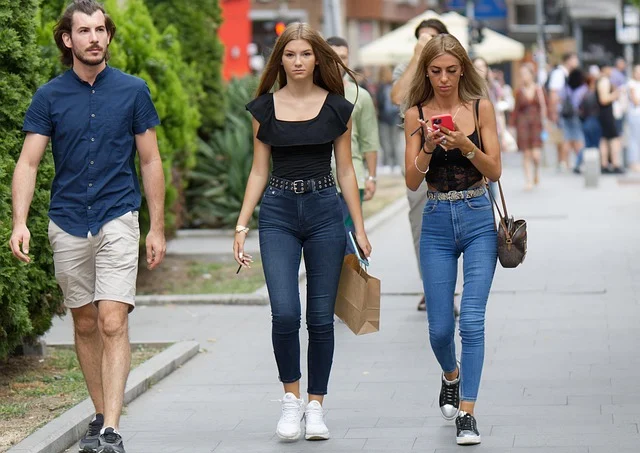
For a go-to casual look, pair your tee with your favorite denim jeans—whether slim-fit, straight-leg, or distressed. Add a pair of classic sneakers, such as the latest Nike Air Force 1 releases or timeless Adidas Sambas. You are ready for errands, meeting friends, or simply enjoying a relaxed day. Consider a simple cuff on your jeans to showcase your footwear. A baseball cap or a beanie can complete this effortlessly cool ensemble. For added practicality, a crossbody bag or a minimalist backpack works well.
Step-by-Step Styling Rules for Proportional Balance
Oversized clothing requires deliberate structure to prevent your frame from looking swallowed. Follow these four concrete steps to build a balanced silhouette every time:
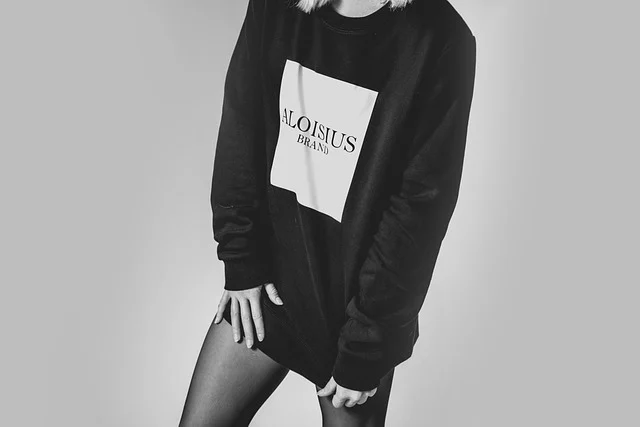
- Establish your dominant anchor: Let your Kanji graphic tee serve as the primary visual element. Keep competing prints, large logos, and vibrant patterns off your outerwear and pants.
- Choose contrasting bottom cuts: Pair heavy, wide-cut oversized tops with tapered joggers, slim-straight denim, or structured cargo pants. If you opt for wide-leg trousers, select a shirt that features a structured ribbed collar and thick heavy-gauge cotton to hold a boxy shape.
- Control shoulder seam position: Ensure the shoulder seam drops roughly 2 to 4 inches below your natural shoulder joint. Anything beyond 5 inches disrupts your sleeve drape and creates awkward underarm fabric bunching.
- Match footwear visual weight: Light, ultra-thin canvas shoes collapse under the heavy drape of an oversized top. Wear shoes with substantial soles, such as chunky dad sneakers, high-top leather retros, or lug-sole boots.
Layering Strategies for Depth and Seasonality
Oversized tees are fantastic layering pieces, especially in dynamic weather. Wear your Kanji Oversized T Shirt over a long-sleeve thermal shirt or a contrasting waffle-knit crewneck for added warmth. Doing so adds visual interest, particularly during transitional seasons like spring and autumn. Ensure the inner long-sleeve cuff extends 1 to 2 inches past the short sleeve of the tee.

Alternatively, layer your tee under an open flannel shirt, a lightweight bomber jacket, or a classic denim jacket. For a bolder statement, try layering it under a structured blazer or utility vest. The contrast between the relaxed tee and a structured outer layer creates a striking, contemporary look. When layering, play with textures. Pairing a soft cotton Kanji tee with ripstop nylon from a bomber jacket or rough denim adds deep dimensional contrast.
Elevated Street Style and Smart Accessorizing
To elevate your streetwear game, pair your Kanji Oversized T Shirt with contemporary cargo pants, sleek tailored joggers, or pleat-front trousers for a smart-casual juxtaposition. Accessorize with a silver chain necklace, a minimalist watch, or a leather belt bag worn diagonally across the chest.
Accessories transform the feel of your outfit without cluttering your profile:
- Headwear: A structured baseball cap or rib-knit beanie anchors top-heavy proportions. A neutral bucket hat adds an urban aesthetic.
- Jewelry: Wear medium-gauge silver or stainless steel chains (2mm to 4mm thickness). Thin chains get lost against large chest prints, while oversized rope chains clash with intricate Kanji lettering.
- Bags: Tactical crossbody bags and minimalist leather slings compress excess torso fabric slightly, giving your outfit an intentional, shaped drape.
Fabric Weight and Sizing Mechanics
Selecting the right fabric weight determines whether your oversized tee drapes cleanly or sags limply. Manufacturers measure fabric density in grams per square meter (GSM). High-end streetwear brands rely on heavy-weight cotton jersey to achieve a structural, boxy fit that holds its shape throughout the day.
| Fabric Weight Category | GSM Range | Fit Profile & Drape Characteristics | Best Season / Use Case |
|---|---|---|---|
When evaluating fit, do not simply purchase two sizes larger than your usual size. Standard t-shirts upsized twice will have overly long hems that cover your thighs while keeping tight collar rings. True oversized garments, such as an oversized fit essential tee, feature widened chest panels, dropped shoulder seams, broader sleeve openings, and proportional body lengths that terminate near the mid-crotch line.
Common Sizing Problems and How to Fix Them
Streetwear buyers frequently face specific fitting issues when buying Kanji graphic apparel online. Here are the most frequent problems and their immediate solutions:
Problem: The shirt looks like a dress because the hem is too long.
Fix: Use the front-tuck technique (tucking 2 inches of the front hem behind your belt buckle) or take the garment to a tailor to crop the hem by 2 to 3 inches without altering the broad chest width.
Problem: The collar bacon-rolls or sags after one wash.
Fix: Wash cold and lay flat to dry; heat destroys collar elasticity.
Problem: The Kanji graphic cracks and peels off after laundering.
Fix: Turn the tee inside out before washing. Set your washing machine to a gentle cold cycle and never put graphic tees in a hot dryer. Choose screen-printed or direct-to-garment (DTG) prints over cheap heat-transfer vinyl stickers.
How to Verify Kanji Meaning and Graphic Authenticity
Wearing Kanji graphics requires visual and cultural awareness. Fast-fashion manufacturers occasionally print random character combinations or inverted characters that result in gibberish. Before buying a Kanji tee, run the characters through a reliable dictionary or translation tool to confirm their meaning.

Common authentic characters in streetwear include:
- 愛 (Ai): Love
- 力 (Chikara): Power or Strength
- 東京 (Tokyo): Tokyo city designation
- 侍 (Samurai): Warrior
- 無法 (Muhou): Outlaw or Lawless (popular in edge-driven urban fashion)
Support independent artists and verified streetwear labels on platforms like Etsy or brand storefronts. Check seller ratings, detailed sizing charts, and fabric composition disclosures before purchasing.
Who Should Avoid the Kanji Oversized T Shirt Style?
While versatile, extreme oversized Kanji tees do not suit every fashion context or body preference:
- Formal and Business Casual Settings: The dropped shoulder cuts and large back prints violate business-casual dress codes. You cannot tuck a heavy 280 GSM oversized tee cleanly into dress trousers.
- Petite Frames Seeking Vertical Length: Ultra-boxy, long-line tees can visually shorten legs on shorter individuals. If you have a short torso, opt for a cropped oversized cut that hits right at the belt line.
- High-Intensity Athletic Workouts: Heavy cotton retains sweat and becomes heavy when wet. Technical synthetic fabrics handle intense training better than heavyweight cotton graphic tees.
Frequently asked questions
What does ‘Kanji’ mean in the context of t-shirts?
Kanji refers to the adopted Chinese logographic characters used in the modern Japanese writing system. On t-shirts, these characters provide visual art and express specific themes, concepts, or anime references, such as courage, strength, or individual identity.
Are oversized t-shirts still in style in 2026?
Yes, oversized t-shirts remain a core staple in streetwear and casual fashion in 2026. Their emphasis on relaxed comfort, heavy fabric structure, and bold graphic canvases aligns with modern relaxed-fit apparel trends across high fashion and everyday clothing.
How do I ensure my Kanji Oversized T Shirt looks intentional?
Focus on structural balance. Pair broad, dropped-shoulder tees with structured, tapered, or slim-straight bottoms. Wear shoes with sufficient sole weight, such as chunky sneakers or retro boots, and add clean accessories like a silver neck chain or structured cap.
What are the best fabrics for an oversized t-shirt?
Heavyweight 100% combed cotton jersey weighing between 220 GSM and 280 GSM provides the best oversized fit. This weight holds a clean boxy shape, resists cling, and offers comfortable breathability for comfort across multiple seasons.
Where can I find unique or artist-designed Kanji t-shirts?
You can discover unique and custom Kanji t-shirts on independent marketplace platforms like Etsy, as well as specialized streetwear brand webstores. Look for sellers who display clear fabric specifications, detailed size guides, and accurate character translations.
Conclusion
The Kanji Oversized T Shirt remains an enduring wardrobe staple in modern streetwear. By prioritizing high-density heavy cotton, checking graphic translations, balancing wide upper proportions with structured bottoms, and following proper garment care, you create striking, intentional outfits for any casual setting in 2026 and beyond.
Source: Britannica
Related Articles
- Acheter une Robe Noire: Le Guide Ultime en 2026
- Sequin Pants: Your Guide to Dazzling Style
- Wedding Ring Hand: Which Finger?
Sources: Kanji


