











Advanced wire wrapping techniques for intricate jewelry designs rely on multi-gauge layering, precise coiling, woven bezels, and custom wire prongs to secure gemstones without solder. By combining rigid, half-hard structural base wires with fine, dead-soft weaving wire, metal wire functions as a structural framework to securely capture gemstones of virtually any shape.
The guide outlines how to select wire gauges and tempers for complex construction. It also details core techniques like micro-coiling, step-by-step woven pendant frame assembly, patination methods, and solutions for common wrapping errors.
Advanced Wire Wrapping Techniques for Intricate Jewelry Designs
Advanced wire wrapping techniques for intricate jewelry designs rely on multi-gauge layering, precise coiling, woven bezels, and custom wire prongs to secure gemstones without solder. Mastering these methods requires combining hard structural base wires with fine, dead-soft weaving wire. As a result, you create durable, highly detailed statement pieces.

While basic wire wrapping relies on single-strand loops and simple wire spirals, advanced designs treat metal wire as a structural framework. By manipulating harness, weave density, and light reflection across textured wire surfaces, you can create artisan jewelry that securely captures gemstones of virtually any shape.
How to select wire gauges, tempers, and metals for complex designs
Selecting the correct wire specifications determines whether an intricate piece retains its structural form or distorts during wear. While beginners often stick to soft copper, complex multi-strand construction requires a deliberate mix of wire gauges and tempers.

Base structural wires form the chassis of a pendant, bracelet, or ring. These wires generally range from 16-gauge to 20-gauge and are typically half-hard temper. A half-hard temper provides the rigidity needed to support natural gemstone weight and maintain frame geometry without flexing. Using dead-soft wire for structural frames risks shifting under tension, which causes stone settings to fail.
Weaving and binding wires range from 26-gauge down to 32-gauge. Fine wire should be dead-soft temper so it wraps smoothly around structural core wires without snapping. Also, fine gauge dead-soft wire work-hardens automatically as you wrap, locking the pattern in place.
A firm grasp of understanding wire temper is key to achieving professional results. Metal temper governs how wire behaves when bent, compressed, or pulled under high tension. The table below outlines standard wire roles across intricate jewelry projects:
| Wire Gauge | Metal Temper | Primary Function | Best Application |
|---|---|---|---|
| 14–16 AWG | Half-Hard / Full-Hard | Heavy Structural Skeleton | Cuff bracelet cores, heavy pendant frames, thick ring shanks |
| 18–20 AWG | Half-Hard | Primary Frame & Bails | Cabochon frames, multi-wire bails, structural prong bases |
| 22–24 AWG | Dead-Soft or Half-Hard | Secondary Accents & Bezels | Faceted stone baskets, intermediate wraps, accent swirls |
| 28–32 AWG | Dead-Soft | Intricate Weaving Wire | Soumak weaves, coil covers, binding frame wires together |
Core advanced wire wrapping techniques
Intricate coiling and spring forms
Coils in advanced work serve as decorative sleeves and flexible architectural components rather than simple spacers. For example, using coiling mandrels or hand-turned coiling tools, you can create long, uniform coils of 28-gauge wire over a 20-gauge core wire.
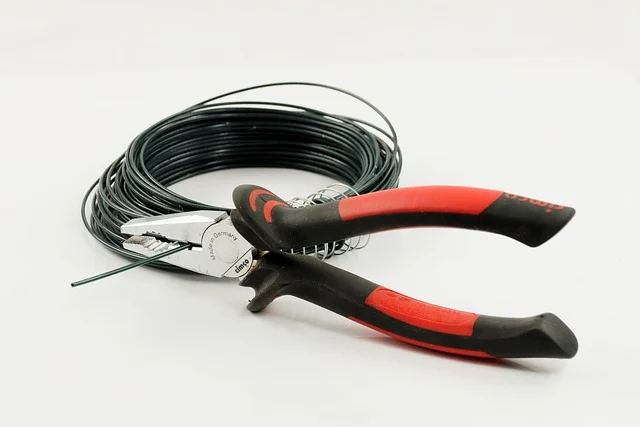
Once formed, these coils can be removed from the core to create hollow wire springs, or left over the core wire to be shaped into filigree curves. Tightly wrapped micro-coils layered over parallel structural wires create high-contrast texture, catching light across fine metallic ridges.
Woven bezels and claw prong settings
Traditional jewelry setting relies on cast prongs or soldered sheet metal bezels. Advanced wire wrapping replaces solder with mechanical tension and fitted weaving.
To set a cabochon or faceted stone without glue or solder, construct a channel frame composed of two to four parallel base wires bound with fine weave wire, such as a modified Soumak or basket weave. First, cinch the back frame wire slightly smaller than the stone’s girdle. Next, burnish top wire prongs or claws over the crown facets so the stone becomes permanently locked inside a custom wire framework.
Custom bails and multi-strand neck bridges
For statement necklaces, the bail must support physical weight while matching the design motif of the central pendant. Advanced bails move far beyond simple loops.
You can weave continuous core wires extending directly from the main pendant frame up into a tapered basket or twisted-wire arch. This creates a continuous connection without structural weak points. Structuring the bail from twisted 20-gauge half-hard square wires adds mechanical strength while matching faceted stone geometry.
Hammering, texturing, and surface manipulation
Creating surface texture adds depth to wire work. Hammering structural frame wires with a hammer creates reflective facets along flat wire edges. As a result, hand-drawn wire takes on a forged appearance.
Textured jaw pliers can imprint cross-hatch patterns directly onto square wire. When bright, hammered core wires are bound with fine, dark-patinated weaving wire, the visual contrast transforms standard wire wraps into fine art jewelry.
Step-by-step: Constructing a multi-wire woven pendant frame
- Cut and align core frame wires: Measure and cut four 10-inch lengths of 20-gauge half-hard square silver or copper wire. Align them flush side-by-side using nylon-jaw pliers to avoid scratching the metal.
- Weave the central stone seat: Measure a 4-foot length of 28-gauge dead-soft weaving wire. Execute a modified Soumak weave (wrapping twice around two wires, then stepping back one wire) to bind the four core wires along a 2-inch central section. Maintain consistent tension to keep the weave flat.
- Shape the wire bezel around the stone: Bend the woven wire band precisely around the girdle of your cabochon using round-nose or bail-making pliers. Next, cross the bundle wires at the top of the stone where the bail will originate.
- Lock the back and front wire extensions: Separate the rear-most core wire on each side. Push them flat against the stone’s reverse side to build a back rim. On the front, curve two thin accent prongs over the bevel edge of the stone to anchor it into position.
- Form the integrated woven bail: Gather the top remaining core wires. Continue weaving 28-gauge wire across these core strands for 1.5 inches. Bend the woven strip backward into a smooth arch, securing the loose wire ends into the rear framework with flush cutters and chain-nose pliers.
Patination and polishing for dimensional contrast
Finishing determines whether intricate wire details stand out clearly or appear indistinct. Chemical patinas, such as liver of sulfur (potassium polysulfide) for sterling silver and copper, oxidize recessed wire grooves while leaving high surfaces reflective.

- Clean the piece thoroughly: Wash the finished wire wrap in warm water with grease-cutting dish soap and a soft brush to remove skin oils and tool residues.
- Apply the patination bath: Dip the wire piece into a warm liver of sulfur solution until the metal darkens to deep grey or black. Neutralize immediately in a cold water bath mixed with baking soda.
- Selectively polish raised surfaces: Use a micro-mesh polishing pad, fine steel wool (0000 grade), or a rotary tool equipped with a soft felt wheel and polishing compound. Gently rub away patina from exterior wire curves and hammered facets. Leave dark oxidation in deep woven crevices to highlight the pattern work.
Common errors in advanced wire wrapping and practical fixes
- Loose weaving and inconsistent tension: Loose weave wire shifts under pressure, creating gaps. Fix: Anchor weaving wire around core wires every three to four passes. Also, use nylon-jaw pliers to flatten and pack down weave rows tightly as you build.
- Premature work-hardening and brittle wire: Excessive bending and re-straightening makes copper and silver wire brittle, causing fine 28-gauge wire to snap mid-weave. Fix: Work with steady, deliberate movements. If structural core wires become stiff during shaping, anneal them with a small torch flame and pickle solution before continuing.
- Exposed wire ends and snagging points: Sharp wire tips snag clothing and scratch skin during wear. Fix: Always cut wire ends flush on the interior side of the frame. Tuck cut tips deep inside existing weave channels using smooth chain-nose pliers, then burnish the end flat.
- Using soft wire for structural bails: Dead-soft 20-gauge wire will stretch and distort under the weight of a heavy pendant. Fix: Work-harden structural core wires by hand-twisting or lightly hammering them prior to wrapping, or use half-hard wire stock.
Who advanced wire wrapping suits (and who should avoid it)
Advanced wire wrapping suits artisan jewelry makers, custom commission artists, and studio crafters seeking high-end sculptural designs without investing in expensive casting equipment or soldering setups.
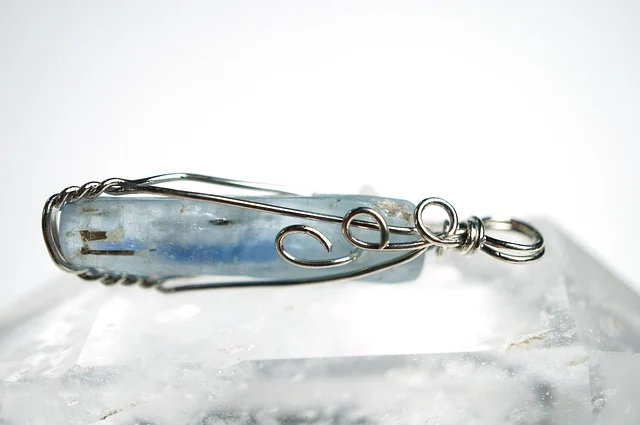
According to the Craft Industry Research Group’s 2026 report, demand for intricate artisan wire work has grown significantly among buyers seeking one-of-a-kind statement pieces.
However, advanced wire wrapping is not suitable for:
- Mass production lines: Complex multi-strand weaving requires several hours of painstaking hand labor per piece, making it impractical for high-volume commercial manufacturing.
- Budget jewelry lines: Material usage, test fittings, and labor time demand premium retail pricing to remain profitable.
- Makers prone to hand strain: Continuous fine wire pulling and tight pliers gripping place substantial physical strain on hands and wrists.
Sources: Ganoksin – Jewelry Making Forum and Information Resource
Frequently asked questions
What is the difference between basic and advanced wire wrapping?
Basic wire wrapping relies on simple loops, wire spirals, and basic stone cages made from single wire strands. Advanced wire wrapping incorporates multi-gauge core framing, complex geometric weaves, structural non-soldered stone settings, and surface texturing.
What wire gauge is best for intricate jewelry designs?
Intricate jewelry designs require a combination of wire gauges. Thicker 18-gauge or 20-gauge half-hard wires create the structural skeleton, while fine 28-gauge or 30-gauge dead-soft wires execute detailed weaves and tight coils.
Do I need specialized tools for advanced wire wrapping?
Precision wire work requires specialized tools beyond standard hardware pliers. Recommended tools include flush cutters, nylon-jaw flattening pliers, step-jaw bail pliers, round-nose pliers, chasing hammers, and coiling mandrels to achieve uniform wire shapes.
How do you keep wire-wrapped jewelry from loosening over time?
To maintain structural stability, use half-hard wire for core structures, pack weaving rows tightly during construction, and burnish exterior wraps. Work-hardening core wires through light hammering or twisting ensures the piece retains structural integrity during daily wear.
What types of stones work best for advanced non-soldered settings?
Smooth cabochons, freeform tumbled stones, faceted gemstones with prominent girdles, and raw crystal clusters all work exceptionally well. Intricate wire settings can be custom-fitted to secure irregular geometries that standard commercial cast settings cannot hold. These designs often complement other craft styles developed by skilled crafters.


