











Choosing between a gemstone and a diamond for an engagement ring depends on your priorities for durability, color, and budget. Diamonds offer maximum scratch resistance, while gemstones provide vibrant colors at lower price points. While diamonds remain the classic choice, colored gemstones allow you to personalize jewelry with expressive hues, historical symbolism, and unique cuts.
This guide compares physical resilience, light performance, and total cost between diamonds and colored stones. It also explains diamond quality standards using the 4 Cs, popular gemstone options, and Mohs hardness ratings to evaluate everyday durability.
Gemstone vs. Diamond: Which Is Right for Your Engagement Ring in 2026?
Choosing between a gemstone vs. diamond engagement ring depends on your priorities for durability, color, and budget. Diamonds offer maximum scratch resistance and traditional sparkle for everyday wear. Meanwhile, gemstones like sapphires, rubies, and emeralds provide distinct vibrant colors and larger center stone sizes at lower price points.
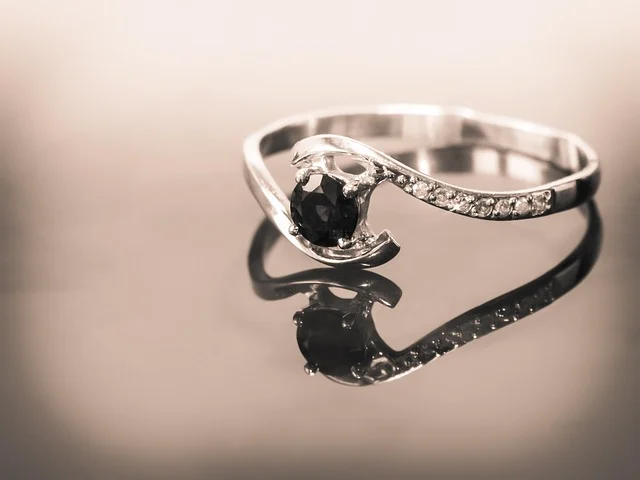
Selecting a center stone is one of the defining choices when creating or purchasing an engagement ring. While diamonds remain the classic choice, colored gemstones offer an opportunity to personalize your jewelry with expressive hues, historical symbolism, and unique cuts. Deciding which route to take requires balancing physical resilience, visual style, long-term care needs, and total cost.
How diamonds compare to colored gemstones for engagement rings
When comparing diamonds and colored gemstones, the main differences come down to physical properties, light performance, rarity, and price structure. A diamond is made of pure carbon structured in a crystal lattice. This structure gives it extreme hardness and exceptionally high light refraction. Gemstones belong to various mineral families—such as corundum for sapphires and rubies, or beryl for emeralds and aquamarines. Each possesses distinct physical compositions, color variations, and levels of resistance to scratching.
The visual impact of each option differs fundamentally:
- Light performance and brilliance: Diamonds are cut specifically to maximize white light return (brilliance) and spectral color flashes (fire or dispersion). Colored gemstones prioritize color intensity, saturation, and depth of hue over maximum sparkle.
- Color expression: Natural diamonds are primarily prized for their absence of color (graded from D to Z), whereas gemstones are selected specifically for rich, expressive colors ranging from deep ocean blues and velvety reds to soft pastel pinks and forest greens.
- Price scaling per carat: Premium diamond prices escalate exponentially as carat weight increases. Colored gemstone prices generally scale more gradually, allowing you to secure a visually substantial center stone for a lower investment.
- Everyday resilience: Diamonds tolerate daily wear with minimal risk of scratching. Gemstone durability varies depending on the specific mineral family, requiring thoughtful setting choices for softer stones.
Understanding diamond characteristics and performance
Diamonds remain the benchmark standard for traditional engagement rings due to their unrivaled hardness and brightness. On the Mohs scale, a diamond ranks at 10, making it harder than any other naturally occurring substance. Only another diamond can scratch a diamond. It is an exceptional choice for a ring worn every day through work, exercise, and household tasks.
In addition to physical hardness, diamonds feature a high refractive index of 2.42. Light enters the crown of a well-cut stone and reflects internally off pavilion facets. It bounces back to the viewer’s eye as brilliant white light and fiery rainbow flashes. This optical behavior ensures that even a small, well-cut diamond stands out from across a room.
Evaluating quality using the 4 Cs
Diamond valuation relies on four standardized metrics established by the Gemological Institute of America (GIA):
- Cut: The single most critical factor determining brilliance. A stone graded as Excellent or Ideal returns the maximum amount of light.
- Color: Graded on a scale from D (completely colorless) to Z (noticeable yellow or brown tint). Grades between G and J offer an ideal balance of face-up white appearance and practical value.
- Clarity: Measures internal characteristics (inclusions) and surface blemishes. VS2 and SI1 clarity grades typically appear eye-clean without paying the premium associated with flawless grades.
- Carat weight: The physical weight of the diamond, where one carat equals 0.20 grams. Price per carat rises sharply at major threshold sizes (such as 1.00, 1.50, and 2.00 carats). Buying just below these magic numbers (like 0.90 or 1.40 carats) provides visual equivalence at a lower price.
When a diamond may not suit your needs
Despite their popularity, diamonds are not ideal for everyone. If you prefer vivid, saturated color over monochromatic sparkle, a traditional diamond can feel plain or uniform. Additionally, if maximizing center stone dimensions within a firm budget is your primary goal, a mined diamond requires allocating significantly more money toward carat weight rather than setting detail or stone dimensions.
Why couples select colored gemstone engagement rings
Colored gemstone engagement rings offer individual flair and direct expression. Rather than choosing a stone based on standardized technical metrics, gemstone buyers often choose stones based on emotional resonance, personal style, or symbolic meaning.
The range of colored stones allows for creative ring designs that stand out from conventional white-stone rings:
- Sapphires: Part of the corundum family, sapphires are best known for deep royal blues. However, they occur naturally in every color except red (teal, peach, yellow, violet, and green). Their high density and excellent hardness make them the most practical alternative to diamonds.
- Rubies: Also belonging to the corundum family, rubies display intense red to purplish-red tones. Historically associated with passion and vitality, rubies deliver equal durability to sapphires.
- Emeralds: Belonging to the beryl family, emeralds are prized for lush green tones. Because emeralds naturally contain internal inclusions (referred to as a “jardin”), they require careful handling and protective mountings.
- Alexandrite: A rare chrysoberyl stone known for color-shifting properties, showing teal-green in natural daylight and changing to raspberry red under warm incandescent lighting.
- Spinels: Offering brilliant luster and vivid pink, red, cobalt blue, or lavender shades, spinels provide impressive clarity and strong scratch resistance.
Color evaluation: Hue, tone, and saturation
Unlike diamonds, colored stones do not use a single standardized grading letter scale. Instead, gemologists evaluate gemstone color across three distinct dimensions:
- Hue: The primary color observed, along with any secondary tint (for example, a blue sapphire with a subtle violet secondary hue).
- Tone: The relative lightness or darkness of the color, ranging from very light to near-black. Medium to medium-dark tones generally exhibit the richest appearance.
- Saturation: The purity and intensity of the color. Highly saturated stones exhibit vivid, bright color without greyish or brownish undertones.
Gemstone hardness and everyday durability standards
Engagement rings experience daily friction, accidental strikes against countertops, contact with household cleaners, and routine wear. Evaluating long-term durability requires understanding both hardness (resistance to scratching) and toughness (resistance to chipping or cracking).
The Mohs scale of hardness ranks minerals from 1 (talc) to 10 (diamond). This scale is logarithmic rather than linear. A diamond at 10 is four times harder than a sapphire at 9. It is also significantly harder than quartz at 7. Quartz is the primary mineral in ambient dust that causes micro-scratching over time.
The table below breaks down popular gemstones, their Mohs ratings, and practical wearability for engagement rings:
| Gemstone | Mohs Hardness | Suitability for Engagement Rings |
|---|---|---|
| Diamond | 10 | Excellent |
| Sapphire | 9 | Excellent |
| Ruby | 9 | Excellent |
| Alexandrite | 8.5 | Very Good |
| Spinel | 8 | Very Good |
| Topaz | 8 | Very Good |
| Emerald | 7.5-8 | Good, with caution |
| Aquamarine | 7.5-8 | Good, with caution |
| Morganite | 7.5-8 | Good, with caution |
| Amethyst | 7 | Fair, requires care |
| Peridot | 6.5-7 | Fair, requires care |
| Garnet | 6.5-7.5 | Fair, requires care |
When selecting stones scoring 8 or lower, ring design becomes essential for long-term protection. Stones with lower hardness can develop fine scratches over years of wear. They require periodic professional repolishing to restore their original surface sheen.
Cost breakdown and visual size comparisons
Budget allocation often drives the final choice when selecting between center stones. Because colored gemstones are generally less expensive per carat than natural diamonds, choosing a gemstone allows for a significantly larger stone within the same total purchase price.
When comparing diamond engagement rings to gemstone options, keep in mind that millimeter dimensions provide a more accurate visual size comparison than carat weight alone. Specific gravity varies between mineral species; for example, a 1-carat sapphire is denser than a 1-carat diamond. This means a 1-carat sapphire will measure slightly smaller in physical diameter than a 1-carat diamond of identical shape.
Price per carat comparison
To put overall value into perspective, consider how average prices compare across center stone categories for high-grade 1.00 to 1.50 carat center stones:
- Mined Natural Diamond: Prices generally range from $4,000 to $9,000 depending on cut, color, and clarity grades.
- Lab-Grown Diamond: Chemically and physically identical to mined diamonds, typically priced between $800 and $1,800 for equivalent grades.
- Fine Fine Sapphire or Ruby: Natural high-grade sapphires typically range between $1,200 and $3,500 depending on color saturation and geographic origin.
- Aquamarine or Morganite: Fine natural specimens typically range from $300 to $800, enabling substantial size without significant cost.
- Lab-Grown Gemstones: Lab-created sapphires, rubies, and emeralds offer flawless clarity and intense color saturation, typically priced between $200 and $600.
Setting styles to protect delicate or high-value center stones
The mounting you select serves two critical functions: highlighting the beauty of your stone and defending it against everyday impacts. The right setting style minimizes exposure to hard knocks and secures the stone’s perimeter.
Consider these setting strategies based on your chosen stone’s physical characteristics:
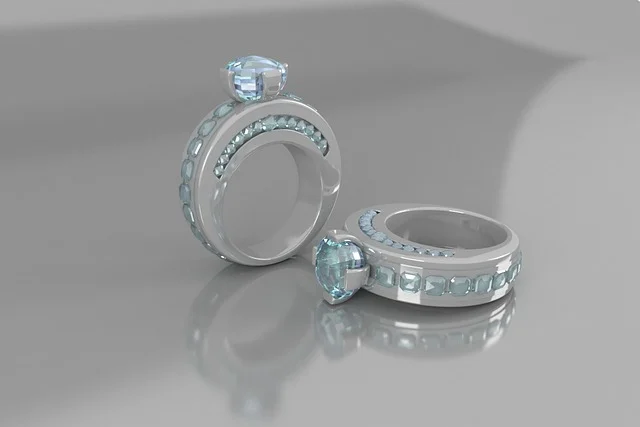
- Bezel Settings: A continuous collar of precious metal surrounds the entire perimeter of the stone. Bezel mounts offer the highest level of physical protection, shielding vulnerable girdle edges from impacts. This is the optimal choice for emeralds, aquamarines, or active wearers.
- Halo Settings: Surrounding a colored center stone with a border of small diamonds creates strong color contrast while forming a physical buffer against lateral blows.
- Six-Prong Mountings: For round diamonds or sapphires, six prongs distribute pressure evenly and hold the stone securely even if one prong catches on clothing.
- Flush or Channel Mountings: Setting accent stones directly into the metal band prevents snagging and reduces stone loss over time.
Maintenance and cleaning protocols for diamonds and gemstones
Maintaining the clarity and color intensity of your engagement ring requires stone-specific cleaning routines. Oils from skin, lotion, and soap buildup rapidly coat the underside of center stones, dulling light entry and making brilliant stones appear cloudy.
Safe cleaning practices by stone type
Follow these tailored guidelines to clean your ring safely at home:
- Diamonds, Sapphires, and Rubies: Soak the ring in warm water mixed with mild dish liquid for 15 minutes. Gently brush around the prongs and pavilion using a soft toothbrush. Ultrasonic cleaners and steam jets are generally safe for un-fractured diamonds and corundum.
- Emeralds: Never place emeralds in an ultrasonic cleaner or subject them to steam cleaning. Emeralds are routinely treated with natural oils or resins to fill micro-inclusions; heat and ultrasonic vibrations strip these oils, leaving the stone looking cloudy or cracked. Clean emeralds exclusively using lukewarm water, mild soap, and a soft cloth.
- Morganite and Aquamarine: These stones attract skin oils quickly, requiring regular washing with warm soapy water to maintain surface clarity. Avoid high-heat exposures.
How to decide which ring option suits your lifestyle
To choose the right center stone with confidence, evaluate your everyday routine, style preferences, and maintenance expectations against the practical traits of each stone.
Choose a diamond if:
- You want maximum, bright white sparkle and high light refraction.
- You desire a classic ring that matches any outfit or wedding band style.
- You work heavily with your hands or prefer a low-maintenance stone that resists scratching under all conditions.
- You value traditional symbolism and standardized quality metrics (the 4 Cs).
Choose a colored gemstone if:
- You want a ring featuring a distinctive color that reflects your personal style, birthstone, or favorite hue.
- You want to maximize the physical size of your center stone within a specific budget.
- You appreciate vintage, custom, or artistic ring mountings designed around an individual stone’s character.
- You are willing to use a protective setting or adjust care habits for stones that require extra protection.
Frequently asked questions
Are gemstone engagement rings less durable than diamond rings?
Diamonds are the hardest stone at 10 on the Mohs scale, but gemstones like sapphires and rubies rank at 9, offering exceptional durability suitable for everyday wear. Softer stones like emeralds, opal, or quartz require protective settings and extra care to prevent scratching or chipping.
Will a colored gemstone lose its intensity or fade over time?
Natural sapphires, rubies, and emeralds retain their vivid color indefinitely under normal conditions. Some stones like amethyst or natural topaz can experience gradual fading if exposed to prolonged direct sunlight or extreme heat over many years, so keeping them away from direct thermal sources preserves their original depth.
How do lab-grown gemstones compare to mined gemstones?
Lab-grown gemstones possess identical chemical compositions, crystal structures, physical hardness, and optical properties to mined stones. They offer vivid color saturation, clean clarity, and lower price points without physical compromise.
Can I insure a gemstone engagement ring the same way as a diamond ring?
Yes, jewelry insurance policies cover gemstone engagement rings against loss, theft, and damage just like diamonds. Obtaining an independent gemological appraisal detailing stone dimensions, identification, and replacement value ensures accurate coverage limits.


