











To style short hair effectively, apply a targeted product to damp hair—such as mousse for volume or curl cream for texture—and blow-dry using your fingers or a small round brush to direct the roots. Finish by working a small amount of pomade, texturizing powder, or finishing spray through dry hair to define ends and lock in shape.
While long hair relies on weight and gravity, short hair relies on direction, root support, and product choice. A short haircut offers exceptional versatility, ranging from sleek, polished bobs to piecey, textured pixies and defined natural curls. Mastering short hair styling comes down to understanding how your hair length responds to heat, friction, and moisture, allowing you to achieve maximum control with minimal daily effort.
How do you prepare short hair for styling based on hair type?
Preparation determines how to style short hair for all-day hold. Because shorter strands have less mass, applied products directly impact the scalp and roots. Starting with the right foundation prevents heaviness while maximizing control.

Assessing hair texture and density
Your hair type dictates how products absorb and how roots react to airflow:
- Fine short hair: Collapses easily under heavy oils or dense waxes. Requires lightweight volumizing mousses, root-lifting sprays, and dry matte powders.
- Thick short hair: Prone to puffiness and unintended bulk. Requires hydrating creams, smoothing serums, and pliable pomades to compact strands and control shape.
- Wavy and curly short hair: Highly sensitive to humidity and friction. Requires leave-in moisture, gel-creams, and diffusers to lock in curl formation without frizz.
- Coily and short natural hair: Experiences significant shrinkage and moisture loss. Demands rich leave-in conditioners, water-based gels, and natural oils for finger-coiling, twist-outs, or shingling.
Managing dampness and heat protection
Short hair dries quickly, which means styling must begin immediately after towel-drying. Towel-dry gently by patting rather than rubbing to avoid disrupting the cuticle. Apply a lightweight heat protectant across all strands before introducing heated tools. For fine hair, keep heat settings below 350°F (175°C); thicker or coarser hair can tolerate up to 380°F (193°C). If you are considering cutting your length for the first time, see The Ultimate Pixie Cut Guide: Styles, Tips & Trends for selecting cuts that suit your face shape.
How to style short hair based on your haircut
Different short haircuts demand distinct manipulation techniques to highlight their structure.
Styling pixie cuts
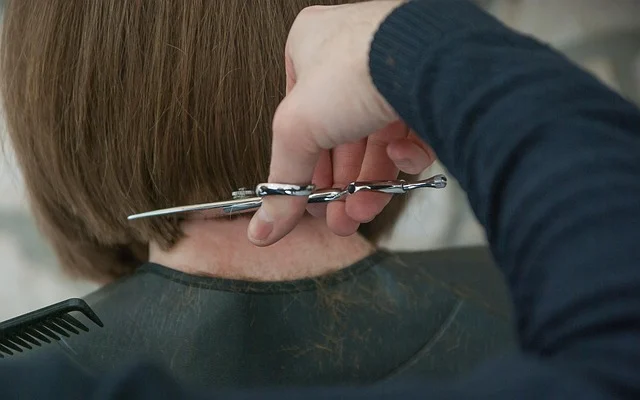
Beyond simple wash-and-go routines, pixie cuts offer considerable versatility ranging from sleek side-sweeps to textured spike cuts. To achieve a modern, piecey look:
- Apply a pea-sized drop of styling cream to damp hair.
- Blow-dry using your fingers to sweep hair forward and across from the crown to create direction.
- Warm a dime-sized amount of matte paste or wax between your palms until translucent.
- Pinch the ends of individual sections at the top and crown to create defined, soft texture.
- Smooth down the sides and nape tight against the head for clear structural contrast.
Styling bobs and lobs
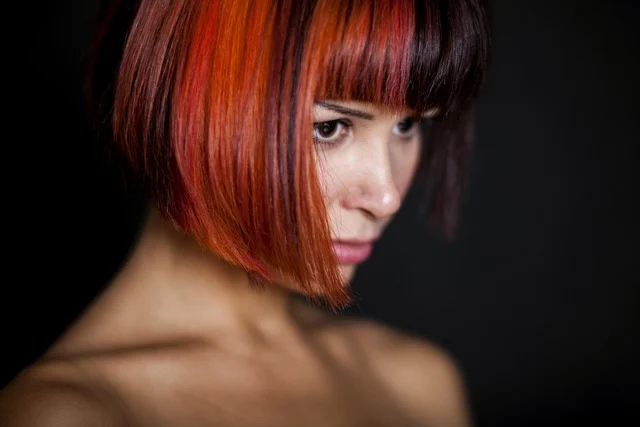
Whether classic blunt, angled, or layered, bobs require tension control during blow-drying to keep ends lying where intended.
- For a sleek, smooth bob: Apply a smoothing serum to damp hair. Blow-dry using a 1.5-inch round ceramic brush, directing nozzle heat downward from root to tip. Finish with a flat iron on 1-inch sections, gently beveling the iron inward at the ends.
- For a beachy, textured bob: Mist sea salt spray through mid-lengths. Use a 1-inch curling wand, leaving the last half-inch of ends uncurled. Alternate curl directions away from and toward the face for a natural wave pattern.
- For professional tucks: Blow-dry straight, create a clean center or deep side part, and tuck one side behind the ear, securing with a hidden bobby pin if needed.
Styling short crops and buzz cuts
Cropped styles with faded sides or micro-fringes rely almost entirely on product texture rather than hot tools. Wash hair, pat dry with a towel, and apply a light dusting of texturizing powder directly to the top. Work the powder in with fingertips to create separation across the fringe without greasiness.
Styling short natural hair and coils
Short natural hair thrives on deep hydration and structured definition techniques:
- Finger coiling: Work a hydrating curl cream through soaking-wet hair. Take small quarter-inch sections and twist tightly from root to tip around your index finger, releasing gently to spring into shape. Air-dry or set under a hooded dryer.
- Shingling: Apply a moisturizing leave-in conditioner followed by a light-hold styling gel. Rake product through sections, then smooth each individual curl coil down between your thumb and forefinger to eliminate frizz.
- Twist-outs on short hair: Create two-strand twists on damp, conditioned hair. Allow to dry completely before untwisting with oil-coated fingers to preserve definition without fluffing.
How do you choose the right product for short hair?
Using the correct styling product ensures long-lasting hold without causing grease build-up or weight. Selecting the wrong formula is the primary reason short styles flatten or look stiff.
When selecting the best products for short hair, match the product’s finish and hold level to your desired result and hair density.
| Product Type | Hold Level | Finish | Best Hair Type | Key Trade-Off |
|---|---|---|---|---|
| Matte Paste / Clay | Medium to High | Matte / Natural | Fine to Medium, Pixies | Can build up if over-applied; requires double cleansing. |
| Pomade / Wax | High | Medium to High Shine | Thick, Coarse, Sleek Cuts | Heavy; can make fine hair look greasy quickly. |
| Texturizing Spray / Dust | Light to Medium | Matte | Fine, Flat, Layered Bobs | Can feel dry to touch; lacks sculpting control. |
| Volumizing Mousse | Medium | Natural | Fine, Straight, Wavy | Must be heat-activated with a blow dryer for best results. |
| Curl Cream / Gel | Flexible to Strong | Satin to Glossy | Curly, Coily, Natural | Requires adequate drying time to prevent white residue. |
Dosage rules to prevent product overload
Because short hair lacks length to distribute product over, start with minimal amounts:
- Pastes, clays, pomades: Start with a dime-sized amount for bobs, pea-sized for pixies. Emulsify thoroughly in hands until clear before touching hair.
- Powders and dusts: Tap lightly onto roots twice; rub in thoroughly before deciding to add more.
- Oils and serums: Use one to two drops maximum, focused strictly on ends.
How do you build daily volume and texture in short hair?
Creating lift in short hair requires physical root manipulation and correct product positioning during blow-drying.

- Apply root lifter: Spritz a root-lifting spray directly along the crown parting lines while hair is damp.
- Blow-dry upside down or against the grain: Flip your head forward or push hair in the opposite direction of your intended final style while drying on medium heat. This lifts hair follicles off the scalp.
- Use a small barrel or nozzle: Direct airflow under the root zone using a small round ceramic brush, pulling gently upward for 5 seconds per section.
- Lock with cool air: Press the cool shot button on your hair dryer before releasing each section to set the hydrogen bonds in their lifted position.
- Finish with powder at the crown: Dust a small amount of silica-based texturizing powder at the crown roots and massage gently with fingertips to create friction and stay-up grip.
An effective way to style short hair without heat daily is applying dry shampoo to dry roots before sleep. The powder absorbs scalp sebum overnight, leaving strands bouncy and full by morning. To prevent styling damage from heat tools over time, see What is Fashion Trend? Your Guide to Emerging Styles for hair health recovery techniques.
How do you solve common short hair styling problems?
Short hairstyles present unique daily challenges due to sleep compression and scalp contact.

Fixing morning bedhead and stubborn cowlicks
Cowlicks occur where hair grows in a spiral pattern, making short strands stick up straight after sleep. To fix this, spray the root area with warm water until damp. Take a blow-dryer and flat brush, combing the cowlick firmly in one direction for three seconds, then in the opposite direction for three seconds until dry. This neutralizes the natural growth direction.
Fixing flat crowns and oil buildup
If your crown flattens midday, avoid adding wet products, which will exacerbate the collapse. Instead, flip your head forward, mist a lightweight dry shampoo into the roots, massage thoroughly, and brush out. Lightly backcomb small sections under the crown with a fine-tooth comb for immediate structural height.
Fixing flare-outs on short bobs
When short bobs reach shoulder or jaw height, ends often flick outwards unexpectedly. This happens when hair hits shoulders or when dried without tension. Pass a flat iron over the problematic ends, angling the iron’s barrel slightly inward toward your neck while closing the plates.
Who do short hairstyles suit (and who should consider alternatives)?
While almost anyone can wear a short cut with proper customization, understanding the trade-offs helps set practical expectations.
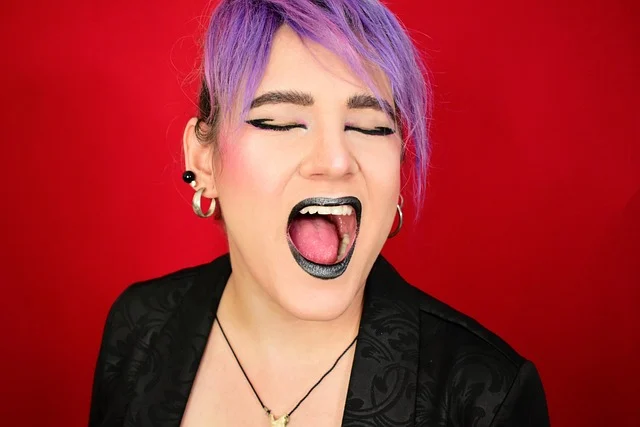
Ideal candidates for short hairstyles
- People with fine or thinning hair: Removing weight creates dramatic natural volume that longer lengths flatten out.
- People with strong facial features: Short cuts frame jawlines, cheekbones, and eyes prominently.
- Active individuals: Wash and style times are cut in half, making short hair convenient for frequent workouts.
When to hesitate before cutting short
- Unwillingness to trim regularly: Short cuts require maintenance trims every 4 to 6 weeks to retain their shape. Growing out a short cut involves awkward transition phases.
- Unmanaged high-humidity environments for coarse or frizzy hair: Without length weight, frizzy textures expand outward rather than downward, requiring consistent heat styling or smoothing treatments.
How do accessories transform short hair?
Accessories provide an effortless way to elevate short haircuts without heat or restyling.
- Statement barrettes and clips: Place a jeweled clip or metallic barrette just above the ear on a side-parted bob or pixie for instant formality.
- Padded or silk headbands: Push back short bangs or top layers to draw attention to face structure while keeping hair out of your eyes.
- Graphic bobby pin patterns: Use exposed metallic bobby pins crisscrossed in an “X” shape along the side to hold hair back with structural flare.
- Silk scarves: Fold a square scarf into a thin band and tie it at the crown or nape for classic style accents recorded across fashion histories, such as those cataloged by Britannica.
Sources: Short hair
Frequently asked questions
How often should short hair be washed?
Short hair often needs washing every 1 to 3 days because scalp oils reach the ends faster than in long hair. However, using dry shampoo between washes helps maintain natural volume without stripping moisture.
Can you curl short hair with a flat iron?
Yes, a thin 0.5-inch to 1-inch flat iron works exceptionally well for short hair. Clamp a small section near the root, rotate the flat iron 180 degrees away from your face, and glide gently down through the ends.
How do I stop short hair from looking poofy?
To reduce poofiness, apply weight-bearing styling products like smoothing creams, leave-in serums, or pomades to damp hair. Avoid over-brushing dry hair and use a directional hair dryer nozzle aimed straight down.
What is the best way to sleep with short hair?
Sleep on a silk or satin pillowcase to reduce friction and frizz. For short bobs, wrap hair lightly in a silk scarf; for pixies, simply apply a light night serum to protect ends from drying out.


