










The Enduring Appeal of Minimalism in 2026
In 2026, the fashion landscape is a fascinating study in contrasts. While bold statements and maximalist trends continue to have their place, a powerful counter-current is drawing discerning individuals towards a more refined aesthetic: minimalism. This isn’t merely a fleeting trend; it’s a philosophy of deliberate consumption and an appreciation for enduring quality. At the heart of this movement, particularly as a foundational wardrobe element, lies the minimalist designer belt. These aren’t accessories shouting for attention, but rather quiet affirmations of style, craftsmanship, and thoughtful design.
When the collective desire for simplicity is reflected in daily outfits, minimalist belts become the anchor. They offer a clean-lined approach to finishing an ensemble, prioritizing quality materials and understated elegance over ostentatious branding. As of May 2026, the search for these foundational pieces is more relevant than ever, promising versatility and a lasting impression.
- Minimalist designer belts in 2026 emphasize clean lines, quality materials, and subtle hardware.
- This aesthetic aligns with the broader trend toward essentialism and mindful consumption in fashion.
- Choosing a minimalist belt involves considering leather type, buckle design, width, and brand heritage.
- Brands like The Row, Celine, and Bottega Veneta are leaders in this understated luxury space.
- A well-chosen minimalist belt offers significant versatility, pairing with both casual and formal wear.
The Resurgence of Essentialism: Why Minimalism Dominates 2026
Fashion, in its cyclical nature, often responds to periods of excess with a deliberate move towards restraint. The visual overstimulation of recent years has fueled a collective yearning for simplicity, a desire for pieces that offer calm and clarity. This is the essence of essentialism – focusing on what truly matters, stripping away the superfluous to reveal inherent beauty and function. Minimalist designer belts are prime examples of this philosophy in action.
They represent a conscious choice to invest in quality over quantity. Instead of accumulating numerous trendy belts, consumers are opting for one or two exceptional pieces that transcend seasons. This approach not only reduces waste but also cultivates a more curated and intentional personal style. As of May 2026, this focus on longevity and understated luxury is a significant driver in the accessories market.
The appeal is multi-faceted: it speaks to a desire for timelessness in a fast-paced world, a need for anchors in our visual environment, and a growing awareness of sustainable fashion practices. The minimalist belt, with its clean lines and focus on material integrity, perfectly encapsulates this refined sensibility.
What Defines a Minimalist Designer Belt in 2026?
The hallmark of a truly minimalist designer belt lies in its deliberate restraint. These pieces eschew overt branding, flashy logos, or excessive embellishments. Instead, their elegance is derived from a refined combination of factors:
- Material Purity: High-quality, full-grain leather is paramount, often in classic black, rich brown, or subtle tan. The leather’s natural grain and supple texture are celebrated, not hidden. Some designers also explore sustainable alternatives like vegan leather or woven fabrics with a matte finish.
- Clean Lines: The silhouette of the belt itself is often sleek and uncluttered. Whether narrow or of medium width, the focus is on a smooth, unadorned strap that drapes well.
- Subtle Hardware: Buckles are typically simple and understated. Think polished silver, brushed gold, or matte black finishes in geometric shapes like squares, rectangles, or minimalist loops. The hardware complements the leather, never overpowering it.
- Craftsmanship: The construction is impeccable, with neat stitching (if any is visible), smooth edges, and a durable finish. The quality of the build is a key indicator of its designer status and longevity.
- Versatility: A minimalist belt is designed to be a chameleon, seamlessly transitioning between different outfits and occasions. Its lack of adornment makes it adaptable to both formal trousers and casual denim.
Where it gets harder is distinguishing true minimalism from simply ‘plain’. A designer minimalist belt offers a discernible level of refinement in its materials and construction that elevates it beyond an ordinary accessory.
Top Minimalist Designer Belts to consider in 2026
As of May 2026, several designers are consistently delivering on the promise of minimalist luxury. These brands understand that true style lies in subtle details and superior execution. Here are some standout choices:
The Row
Synonymous with understated opulence, The Row excels at creating pieces that are both incredibly luxurious and almost invisible in their simplicity. Their belts often feature the finest leathers with exceptionally subtle hardware, embodying a quiet confidence. Expect clean, slender profiles and impeccable finishing. A belt from The Row is an investment in enduring elegance.

Celine
Under the creative direction of Hedi Slimane, Celine continues to offer sleek, Parisian-inspired pieces. Their minimalist belts often feature elegant, slim profiles with understated gold or silver hardware. They possess a certain effortless chic that pairs perfectly with tailored trousers, skirts, and even dresses, embodying a sophisticated modern aesthetic.
Drawback: Celine’s signature hardware, while elegant, can sometimes be more delicate than chunkier designs, requiring careful handling to avoid scratches.
Bottega Veneta
While Bottega Veneta is famous for its Intrecciato weave, their approach to minimalism often lies in subtle variations and impeccable material quality. Look for their smooth leather belts with simple, geometric buckles. The brand’s commitment to artisanal techniques ensures that even the simplest design feels exceptionally luxurious and well-made. Their focus is on texture and form.
A smooth calfskin belt with a rectangular brass buckle from Bottega Veneta offers a tactile richness that speaks volumes without overt branding.
Hermès
Though often associated with iconic ‘H’ buckles, Hermès also offers incredibly refined minimalist options. Their Constance belt, for instance, can be found with subtler buckle variations or in classic, smooth leathers that prioritize the material’s inherent beauty. The ‘Constance’ buckle itself, while a signature, can be considered a minimalist icon when rendered in polished metal on a sleek leather strap.
Tom Ford
Tom Ford’s aesthetic often blends sharp tailoring with a touch of glamour, and his belts are no exception. For a minimalist approach, look for his sleek leather belts with subtle, polished hardware, often featuring a discreet logo or a clean, architectural buckle. They exude a confident, sophisticated appeal perfect for both professional and evening wear.
Drawback: Tom Ford’s luxury pricing means these are significant investments, positioning them firmly in the high-end market.
Other Notable Minimalist Brands
Beyond these established names, several other labels are worth exploring for their commitment to minimalist design in 2026. Brands like COS offer accessible, well-designed pieces with clean lines and modern hardware. A.P.C. is renowned for its durable, high-quality leather goods with a timeless, understated sensibility. For those seeking sustainable options, brands focusing on recycled or innovative plant-based leathers are also increasingly offering minimalist designs.
Choosing Your Perfect Minimalist Designer Belt: A Buyer’s Guide
Selecting the right minimalist designer belt requires careful consideration of several factors. While the aesthetic is about simplicity, the execution and fit are crucial for achieving that polished, effortless look. Here’s what to weigh:
1. Leather Quality and Type
The quality of the leather is paramount in minimalist design, as it’s the primary material defining the belt’s look and feel. Opt for full-grain leather whenever possible. This is the highest grade of leather, retaining the natural grain and imperfections, which adds character and durability. It’s supple yet strong.
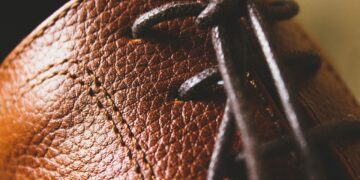
Consider the finish: smooth calfskin offers a polished, elegant look suitable for dressier occasions. Suede provides a softer, more textured appearance, ideal for smart-casual outfits. Some brands may offer textured finishes like pebble grain, which can add subtle visual interest while remaining minimalist.
A belt made from Italian calfskin will typically have a finer grain and softer feel than one made from thicker cowhide, making it more suited for formal wear.

2. Buckle Design and Finish
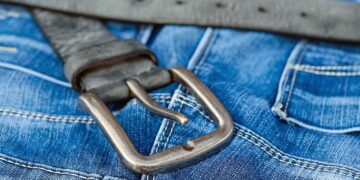
The buckle is the focal point, even in minimalist design. Keep it simple. Rectangular or square buckles with rounded or sharp corners are classic choices. Roller buckles, loop buckles, or even minimalist pin buckles can work, provided the design is clean and the metal finish is refined.
Hardware finishes should complement your existing accessories. Polished silver or chrome offers a bright, modern look. Brushed or matte silver provides a more subdued, contemporary feel. Warm gold or brass finishes add a touch of classic luxury. For a truly minimalist look, consider buckles that are integrated seamlessly into the belt design or are very slim.
Drawback: Overly large or intricately shaped buckles, even if metallic, can detract from a minimalist aesthetic. It’s crucial to ensure the buckle aligns with the overall simplicity of the belt.
3. Belt Width and Proportion
Belt width significantly impacts how the accessory is perceived and how it functions. As of May 2026, classic widths remain popular:
- Thin Belts (approx. 0.5 to 1 inch / 1.3 to 2.5 cm): These are elegant and ideal for women’s dresses, skirts, or high-waisted trousers. They add a delicate accent without overwhelming an outfit.
- Medium Belts (approx. 1 to 1.5 inches / 2.5 to 3.8 cm): This is the most versatile width. It works well with both smart-casual trousers, jeans, and even some suits. It offers a balanced presence.
- Wide Belts (1.5 inches / 3.8 cm and up): While potentially leaning away from strict minimalism, a wide belt can make a statement if its design is otherwise unadorned and constructed from premium leather. These are best paired with outfits that can support their visual weight.
4. Fit and Sizing
A belt that fits correctly is essential for both comfort and appearance. A minimalist belt, devoid of statement buckles that can distract, relies on a proper fit to look its best. The general rule is that the belt should fasten comfortably on the middle hole (usually the third of five). Best minimalist designer belts 2026 allows for slight adjustments due to weight fluctuations or different trouser rises.
Measure your waist or the waist of the trousers you intend to wear the belt with. Most designer belts use waist measurements or specific sizing charts. Always check the brand’s sizing guide, as it can vary significantly. A belt that’s too long can look sloppy, with an excessive tail hanging off.
5. Brand Heritage and Philosophy
Choosing a designer belt is also about aligning with a brand’s ethos. Are you drawn to Parisian chic (Celine), Italian craftsmanship (Bottega Veneta), or quiet American luxury (The Row)? Understanding the brand’s history and design philosophy can add another layer of appreciation to your purchase.
Consider brands that have a long-standing reputation for quality leather goods. Their heritage often signifies a deep understanding of materials and construction techniques that are vital for creating a lasting minimalist accessory. This aligns with the idea of investing in pieces that hold their value both stylistically and materially.
A brand like Hermès, with its equestrian roots and legendary leatherworking, imbues its belts with a narrative of tradition and excellence that appeals to those seeking more than just an accessory.
How to Style a Minimalist Designer Belt in 2026
The beauty of a minimalist designer belt lies in its incredible versatility. Its understated nature means it can be a subtle enhancement rather than a dominant feature. Here’s how to integrate one seamlessly into your wardrobe as of May 2026:
1. With Tailored Trousers and Suits
This is where a minimalist belt truly shines. Pair a slim, dark leather belt (black or deep brown) with a classic suit or tailored trousers. Ensure the buckle is simple and matches or complements your other accessories like cufflinks or watch hardware. The belt should visually connect your jacket and trousers without drawing undue attention.
For women, a medium-width belt can define the waist of a skirt suit or tailored separates. The key is proportion – ensure the belt’s width harmonizes with the fabric weight and cut of the garments.
Scenario: Anya, a marketing executive, consistently opts for a sleek black leather belt with a brushed silver buckle to complete her charcoal grey suit. It’s an understated touch that adds polish to her professional attire, allowing her tailored blazer and crisp shirt to remain the focus.

2. With Jeans and Casual Wear
A minimalist belt can elevate even the most casual denim. Opt for a slightly wider belt in a natural tan or rich brown leather to complement blue jeans or chinos. A belt with a slightly more textured leather or a subtle grain can add visual interest here.
The goal is to add a touch of refinement. Instead of a thick, overly casual belt, a well-crafted leather piece suggests a more considered approach to everyday style. It bridges the gap between relaxed comfort and smart presentation.
Drawback: Avoid pairing very thin, delicate belts with rugged, heavy-denim jeans, as the proportions can feel mismatched.
3. With Dresses and Skirts
A slim or medium-width minimalist belt can be a fantastic styling tool for dresses and skirts. Cinching the waist of a flowing dress can create a more defined silhouette and add a touch of polish. For A-line skirts or midi dresses, a belt can break up the fabric and add structure.
Consider the dress’s fabric and print. A plain leather belt works universally, but if the dress is patterned or textured, a belt in a complementary neutral tone or a subtle metallic finish can enhance the look without competing.
A simple sheath dress in a bold color can be subtly refined with a thin gold belt, adding a touch of sophistication without being distracting.
4. As a Subtle Statement Piece
Sometimes, the most impactful statement is the quietest one. A minimalist designer belt, chosen for its impeccable quality and design, can be the single element that elevates an otherwise simple outfit. It conveys an understanding of fashion that prioritizes substance over flash.
Common Mistakes When Buying Minimalist Designer Belts
While the minimalist aesthetic is straightforward, certain pitfalls can undermine your search for the perfect belt. Being aware of these common errors can save you time, money, and style disappointment:
1. Prioritizing Brand Over Quality
It’s easy to be swayed by a famous logo. However, a true minimalist piece is defined by its inherent quality – the leather, the stitching, the buckle’s weight and finish. A belt from a lesser-known but reputable leather goods maker can often surpass a poorly constructed belt from a high-fashion house.
Solution: Always inspect the materials and construction up close. Feel the leather, check the edges, and examine the buckle. Research brands known for their leather craftsmanship, not just their runway presence.
2. Incorrect Sizing
As mentioned, fit is critical. Buying a belt that’s too long or too short will immediately detract from the clean lines of a minimalist design. A belt that requires excessive force to buckle or leaves a long tail hanging awkwardly undermines the entire aesthetic.
Solution: Always consult the brand’s specific sizing chart. Measure your waist or the waist of the trousers you’ll wear it with. If possible, try the belt on, or opt for brands that offer cut-to-size options or detailed measurement guides.
3. Settling for ‘Plain’ Instead of ‘Minimalist’
There’s a subtle but important difference between something that’s simply plain and something that’s intentionally minimalist. A minimalist piece has a considered design, even in its simplicity. A plain belt might just be cheap or poorly designed. The designer element comes from the thoughtful selection of materials, the precise construction, and the refined proportions.
Solution: Look for subtle details that indicate thoughtful design: the smooth finish of the leather edges, the perfect weight and polish of the buckle, the way the leather holds its shape. These are the hallmarks of intentional minimalism.
4. Ignoring the Hardware Finish
The buckle is a key element. If the finish is cheap, poorly applied, or clashes with your existing accessories, it can ruin the minimalist effect. A buckle that feels too light or looks like plated plastic will instantly devalue the belt.
Solution: Choose hardware finishes that align with your personal style and other accessories (watch, jewelry). Polished metals, brushed finishes, or matte tones generally offer the most versatility for minimalist designs.
Expert Tips for Timeless Minimalist Belt Style
To truly harness the power of a minimalist designer belt, consider these insights from industry professionals as of May 2026:
- Invest in Neutrals: Black, deep brown, tan, and grey are the foundational colors. They offer the most versatility and longevity. A well-chosen neutral belt will pair with a vast majority of your wardrobe.
- Consider the Reversible Option: Many designer brands offer reversible belts, often in black and brown. This is an excellent way to maximize versatility and value, effectively giving you two essential minimalist belts in one.
- Match Your Metals: For a polished look, try to match the belt buckle’s metal finish to other accessories you’re wearing, such as your watch, belt, or jewelry. This creates a cohesive and intentional ensemble.
- Rotate Your Belts: Even the highest quality leather needs to rest. Rotating between two or three minimalist belts will extend their lifespan and keep them looking their best.
- Learn to Care for Leather: Proper care is essential. Condition your leather belts periodically and store them flat or loosely coiled to prevent creasing. This ensures they maintain their shape and luster for years. According to a 2026 report by the Leather Working Group, proper conditioning can extend leather product life by up to 50%.
- Think About the Occasion: While minimalist belts are versatile, some buckles or leather finishes might lean more formal (smooth calfskin with polished silver) or casual (textured leather with brushed brass). Choose accordingly.
Frequently Asked Questions
What is the most important factor when choosing a minimalist designer belt?
The most crucial factor is the quality of the leather and the craftsmanship. Since minimalist belts lack overt design elements, their appeal relies entirely on superior materials, precise construction, and refined finishing.
Are minimalist belts still in style in 2026?
Absolutely. Minimalism continues to be a dominant aesthetic in 2026, driven by a desire for essentialism, quality, and timeless style. Minimalist designer belts are considered enduring wardrobe staples.
What width is best for a minimalist belt?
For maximum versatility in minimalist design, a medium width (approximately 1 to 1.5 inches) is often recommended. Thin belts are excellent for dresses and skirts, while wider belts can work if the design remains simple.
How much should I expect to spend on a minimalist designer belt in 2026?
As of May 2026, prices for minimalist designer belts can range significantly, typically from $300 to over $1,000, depending on the brand, materials, and specific design. Accessible brands may offer options below $300.
Can minimalist belts be worn with casual outfits?
Yes, they are highly versatile. A minimalist leather belt, especially in a natural tan or brown, can beautifully complement jeans, chinos, and casual dresses, adding a touch of understated sophistication.
What distinguishes a minimalist designer belt from a regular belt?
The distinction lies in the elevated quality of materials, the precision of the craftsmanship, the subtlety and refinement of the hardware, and the overall design philosophy that prioritizes enduring elegance over fleeting trends.
Conclusion: Investing in Enduring Style
The best minimalist designer belts of 2026 are more than just accessories; they are quiet statements of refined taste and a commitment to lasting quality. By focusing on superior materials, impeccable craftsmanship, and understated design, these belts offer unparalleled versatility and timeless appeal. Whether you’re dressing for the boardroom or a weekend brunch, a well-chosen minimalist belt acts as the perfect finishing touch, grounding your look with a sense of sophisticated simplicity.
Your takeaway should be to view a minimalist designer belt not as a fleeting purchase, but as a foundational investment in your personal style—a piece designed to endure season after season.


