











The Nike Air Max 95 fits true to size for standard feet, while wide-foot wearers often benefit from sizing up half a size due to its snug midfoot and padded collar. Designed by Sergio Lozano, this classic sneaker features a human-anatomy-inspired layered upper and dual-chamber visible Air cushioning in both the forefoot and heel.
This guide covers the key details of the Air Max 95, including its technical components, origin story, and rigid midsole construction. It also explores historic colorways, major collaborations, and practical advice for styling the shoe.
Nike Air Max 95: History, Fit, Styling, and Buyer’s Guide
The Nike Air Max 95 is a classic lifestyle sneaker designed by Sergio Lozano, famous for its human-anatomy-inspired layered upper and pioneering dual-chamber visible Air cushioning in both the forefoot and heel. Known for its distinct gradient side panels and supportive, chunky feel, it fits true to size for standard feet while wide-foot wearers often benefit from sizing up half a size.

As sneaker design evolved past performance footwear into permanent cultural staples in 2026, the Air Max 95 remains an essential reference point. Decades after its initial launch, its sculpted layers and visible window units made a bold visual statement on city streets worldwide. Understanding its fit, technical breakdown, origin story, and care requirements helps you pick the right pair and keep it looking pristine.
How does the Air Max 95 fit and who is it for?
The Nike Air Max 95 generally fits true to size for people with narrow or average-width feet. However, due to its heavily padded heel collar, structured internal lacing bands, and multi-layered side panels, the midfoot area can feel noticeably snug out of the box. If you have wide feet or a high instep, going up half a size prevents uncomfortable pressure across the top of your foot.
Unlike light, flexible running shoes built from single-layer engineered mesh, the Air Max 95 features a substantial, rigid construction. The polyurethane midsole and rubber tread create a sturdy platform that offers firmness rather than squishy soft step-in feel. For long walks or general everyday wear, the structured heel cup holds your foot securely, making it ideal for people who need rigid arch support and stability over all-day standing sessions.
Who the Air Max 95 is not for
- Modern long-distance runners: At roughly 16 to 18 ounces per shoe depending on size, the Air Max 95 is heavy by modern running standards. Modern performance road shoes weigh half as much and use ultra-light super-foams.
- People seeking flexible, minimalist feel: The layered upper and dense midsole limit natural foot flex compared to knitted or minimalist sneakers.
- Hot weather breathability lovers: While the top vamp features synthetic mesh, the thick suede, leather, or synthetic side panels trap heat quickly in high temperatures.
How Sergio Lozano designed the Air Max 95
Before 1995, Nike Air Max shoes followed a predictable design trajectory established by Tinker Hatfield: prominent side Swooshes, light synthetic uppers, and visible Air windows restricted exclusively to the heel. When Sergio Lozano was assigned to lead the Air Max project in the mid-1990s, he worked out of Nike’s All Conditions Gear (ACG) facility in Beaverton, Oregon. His background in outdoor gear inspired him to rethink what a road-running shoe could look like.
Lozano began by looking at the erosion of earth caused by rain cut into the walls of the Grand Canyon. He mapped out a series of layered horizontal bands that faded from dark grey at the base to light grey near the laces. Beyond geology, Lozano turned to human anatomy to complete the concept:
- The spine: Represented by the central spine of the rubber outsole and the vertical spine-like heel strip.
- The ribcage: Mirrored by the thick nylon webbing lace eyelets that wrap around the foot to cinch the upper closed.
- Muscle fibers: Represented by the tiered side panels sliding over one another in wavy, organic steps.
- Skin and tissue: Expressed through the breathable mesh canopy covering the top tongue and eyelet structure.
The design encountered strong resistance inside Nike headquarters. Skeptical executives questioned the dark black midsole, which flew in the face of the traditional clean white midsoles expected on running shoes. They also pushed back against the absence of a large lateral Swoosh logo. Lozano insisted that the silhouette was so distinct that it didn’t need massive branding. As a compromise, he placed a small, subtle Swoosh near the lateral heel—a decision that helped establish the shoe’s understated, high-end visual appeal.
What are the main technical components of the Air Max 95?
The Air Max 95 was a milestone in sneaker engineering because it marked the first time Nike incorporated pressurized visible Air cushioning into the forefoot alongside the heel. This dual-cushioning setup changed how shock absorption was distributed during foot strike and transition.
| Component | Material Construction | Functional Benefit |
|---|---|---|
| Forefoot Air Units | Dual blow-molded Air pods (25 PSI) | Protects the metatarsal heads from impact on hard concrete surfaces. |
| Heel Air Unit | Multi-chamber, dual-pressure Air unit (5 PSI inner, 25 PSI outer) | Stabilizes heel strikes while absorbing high impact forces. |
| Midsole Frame | Dense Polyurethane (PU) foam | Provides structural longevity and keeps the Air units locked in place. |
| Lacing Eyelets | Nylon webbing straps attached to the strobel board | Distributes lacing tension directly around the foot like a harness. |
| Outsole Tread | Brs 1000 carbon rubber with flex grooves | Delivers durable traction with anatomical flex points at the toes. |
The combination of these elements produces a ride that is stable, grounded, and durable. While modern foam cushioning degrades quickly under heavy usage, pressurized Air units retain their shape and responsiveness over hundreds of miles of wear.
Which Air Max 95 colorways and collaborations matter most?
The original Air Max 95 released in a colorway officially named Black/Neon Yellow-Cool Grey, affectionately known simply as the “Neon.” The electric yellow-green pops on the eyelets and inside the Air chambers were chosen specifically to attract attention from long distances, while the grey gradient base was practical—it disguised dirt and mud kicked up during outdoor runs.
The shoe quickly moved from performance running into early London and Tokyo streetwear circles. In the United Kingdom, the shoe retailed for £110 upon release, earning it the enduring street moniker “the 110.” To this day, OG colorways and key collaborations drive intense interest among collectors.
Key original and historic colorways
- OG ‘Neon’ (Grey/Volt/Black): The definitive colorway. Reissued periodically with meticulous attention to tongue badge height, bubble tint, and suede texture.
- ‘Comet Red’ (Solar Red): Replaces the neon accent with deep red eyelets and heel pods, set against the signature dark-to-light grey gradient.
- ‘Slate’ (Blue Gradient): Features clean white midsoles paired with tonal blue side panels, offering a lighter visual presentation than the dark-soled originals.
- ‘Emerald’: A cult-favorite mid-90s original featuring teal accents across the lacing loops and Air windows.
Influential collaborations and special editions
- atmos x Air Max 95 ‘Animal Pack’: Created in partnership with Japanese retailer atmos, replacing standard suede panels with synthetic pony hair featuring leopard, tiger, and zebra prints.
- Comme des Garçons Homme Plus (2020): Distorted the classic paneling with raw, frayed foam edges extending beyond the seams in monochromatic black, white, and grey palettes.
- Corteiz x Air Max 95 (2023): A milestone release from the London streetwear brand featuring camo inner linings, draw-cord lacing, and utility-inspired leather side panels across ‘Sequoia’, ‘Aegean Storm’, and ‘Les Bleus’ colorways.
- Nike SB Air Max 95: Re-engineered with extra collar padding, board-feel flex grooves, and durable suede reinforcement for skateboarding durability.
How do you style the Air Max 95?
Because the Air Max 95 has a wide, sculpted profile, styling it requires careful consideration of trousers leg widths and proportions. Wearing trousers that are too wide or un-hemmed can drape over the tongue, obscuring the upper mesh and making the foot look short and bulky.
Choosing the right pants for your silhouette
To let the distinctive geometry of the 95 shine, select bottom hem openings that rest cleanly above the top collar of the shoe:
- Tapered modern cargo pants: Cargo pants featuring elastic cuffs or drawstrings lock in around the ankle, leaving the full side gradient profile completely visible.
- Cuffed or pin-rolled denim: Heavyweight selvedge denim rolled twice creates a clean break right above the high-padded ankle collar.
- Athletic fleece joggers: Tapered sweatpants maintain an athletic look that matches the shoe’s sport lineage without crowding the laces.
- Tailored cropped trousers: For smart-casual settings, dark trousers cropped an inch above the shoe match well with neutral or monochromatic Air Max 95s like ‘Triple Black’ or ‘Photon Dust’.
Color matching strategy
When wearing bright colorways like the OG ‘Neon’ or ‘Solar Red’, keep the rest of your outfit subdued. Neutral hoodies, black crewnecks, or slate jacket layers prevent your look from clashing with the high-contrast accent pops on your feet. For additional advice on retro sneaker sizing, see 8 Air Jordans: A Look at Iconic Sneakers for details.
How to clean and care for the Air Max 95
Maintaining an Air Max 95 requires handling multiple materials simultaneously: synthetic mesh, genuine suede, smooth leather, polyurethane midsoles, and clear rubber Air windows. Treating each material with the correct technique preserves both structural integrity and visual appeal.
Step-by-step cleaning routine
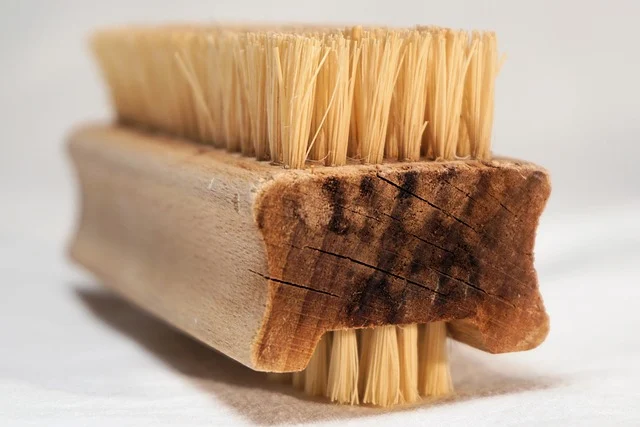
- Dry brush the upper: Remove loose dirt and dry debris using a soft nylon brush across the top mesh canopy and side gradient panels.
- Clean the mesh and leather: Mix warm water with a few drops of mild shoe cleaning solution. Dip a medium-bristle brush into the solution, shake off excess water, and gently scrub the top mesh in circular motions.
- Treat suede side panels carefully: If your pair features genuine suede gradient bands, avoid soaking them with excess water, which can stain or stiffen the nap. Use a damp microfiber cloth or a dedicated suede eraser for dry spots, followed by a soft suede brush to restore texture.
- Clean the polyurethane midsole: Use a stiffer brush with soapy water to scrub scuffs off the thick midsole. A melamine foam pad (magic eraser) works quickly on stubborn black scuffs on white or grey painted midsoles.
- Wipe down Air windows: Gently wipe clear Air bubbles with a soft damp microfiber cloth. Avoid acetone, rubbing alcohol, or harsh chemical degreasers, as these destroy the clear coating and turn polyurethane cloudy.
- Air dry naturally: Leave the shoes to dry at room temperature away from direct sunlight or hot radiators, which can warp the midfoot shank and dry out glued seams.
How to spot fake Air Max 95 sneakers
Due to its high demand on global resale markets, counterfeiters frequently replicate the Air Max 95. However, the complexity of its multi-layered upper and pressurized Air pods makes it difficult for fakes to capture every technical detail accurately.
Key inspection checkpoints
- Air Bubble Firmness and Clarity: Authentic Air Max 95 units contain pressurized gas. When squeezed with your thumb and index finger, the heel and forefoot windows should feel firm with very little give. Fake pairs often use thin, unpressurized plastic that squishes easily under light pressure.
- Gradient Panel Transition: On OG-style gradient colorways, the transition from dark grey at the midsole to light grey near the lace loops should be a smooth, perfectly aligned progression. Counterfeits often mess up the color shades, making two bands look identical in shade or showing jagged stitching lines between layers.
- Heel Swoosh Quality: The tiny lateral heel Swoosh should be tightly embroidered with sharp, crisp edges. Fake pairs frequently feature rounded Swoosh tips, loose thread tails, or crooked placement relative to the back overlay.
- Tongue Badge Construction: The oval “Air Max” rubber badge on the tongue should be molded cleanly with distinct depth. The text and background color should be vibrant, centered, and free of excess rubber flashing around the perimeter.
- Box Tag and SKU Number: Verify that the 9-digit style code on the inner tongue size tag matches the style code printed on the Nike box label (for example, 609048-092 for classic retro runs).
Sources: Nike Air Max
Frequently asked questions
Are Air Max 95s comfortable for walking all day?
Yes, the Air Max 95 provides excellent all-day walking support thanks to its dense polyurethane midsole, dual-chamber forefoot Air pods, and supportive heel cup. It offers a firm, structured ride rather than a plush, squishy feel.
Do Air Max 95s run big or small?
Air Max 95s generally fit true to size for narrow and average feet. Wide-footed wearers or those with higher insteps often find the layered midfoot snug and should go up half a size for comfort.
Can you run in Air Max 95s?
While designed as a high-performance running shoe in 1995, the Air Max 95 is heavy and stiff by modern performance standards. Today, it is best suited as a lifestyle and everyday walking sneaker rather than a modern workout shoe.
Source: Vogue.


