













The Air Jordan 7 delivers high-level comfort using an internal neoprene Huarache bootie and encapsulated full-length Air inside lightweight Phylon foam. Modern retail retro releases generally cost between $200 and $210. Meanwhile, resale prices range from $150 for general retro colorways to over $1,000 for rare collector pairs like the ‘Miro’.
This guide breaks down the sneaker’s 1992 history, technical fit, sizing, and step-by-step lacing methods for casual or performance wear. It also covers iconic on-court colorways worn by Michael Jordan, resale market dynamics, and common search queries surrounding the model.
Jordan 7: Prices, Comfort Verdict, Lacing Guide, and Full Colorway Breakdown
The Air Jordan 7 is a landmark 1992 basketball sneaker designed by Tinker Hatfield. It features an internal neoprene Huarache bootie and no visible Air unit. Today, retail retro releases typically cost between $200 and $210. Meanwhile, resale prices range from $150 for general retro releases up to $1,000+ for rare collector pairs like the ‘Miro’.
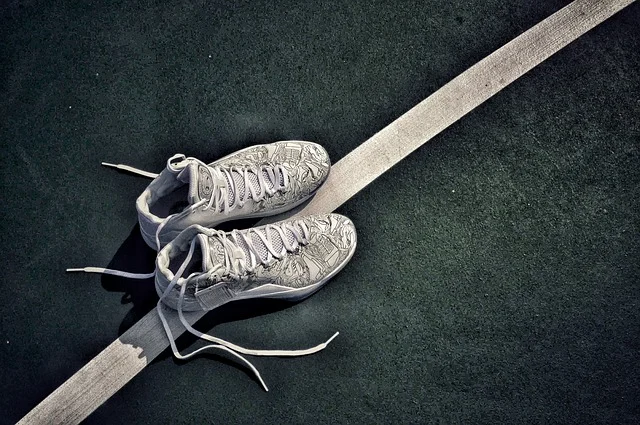
This guide examines the history and design revolution of the Air Jordan 7. It highlights technical specifications, cultural legacy, and iconic colorways such as the ‘Bordeaux’ and ‘Raptors’. Also, it provides guidance on resale market dynamics, lacing techniques, styling choices, and common mistakes to avoid when wearing or buying a pair.
How Much Is the Jordan 7? Pricing and Market Breakdown
When asking how much jordan 7 sneakers cost, the price depends on whether you buy at retail or secondary markets. It also relies on the rarity of the specific colorway.
- Standard Retail Pricing: Modern retro releases of adult Air Jordan 7s retail for $200 to $210 USD. Grade School (GS) sizes typically retail around $150.
- Secondary Market Average: General retro colorways in lightly used or new condition sell between $150 and $240 on platforms like StockX and GOAT.
- OG Grail Colorways: Deadstock pairs of classic colorways like the 1992 originals or limited collaborations can command between $300 and $1,200.
| Air Jordan 7 Colorway | Original Year | Estimated Secondary Market Value |
|---|---|---|
| Air Jordan 7 ‘Bordeaux’ | 1992 (Retroed 2011, 2015) | $220 – $380 |
| Air Jordan 7 ‘Raptors’ | 1992 (Retroed 2002, 2009, 2012) | $200 – $350 |
| Air Jordan 7 ‘Olympic’ | 1992 (Retroed 2004, 2012, 2016) | $210 – $360 |
| Air Jordan 7 ‘Hare’ | 1992 (Retroed 2008, 2015) | $230 – $400 |
| Air Jordan 7 ‘Miro’ (OC) | 2008 | $800 – $1,500+ |
| Air Jordan 7 Low (NRG Taxis/Bordeaux) | 2018 | $140 – $220 |
Are Jordan 7s Comfortable? Technical Fit and On-Foot Verdict
If you are wondering are jordan 7 comfortable, the short answer is yes. The Jordan 7 is widely regarded as one of the most comfortable early-1990s signature basketball models. Tinker Hatfield drew inspiration from Nike’s Huarache running line. He embedded a full neoprene inner sleeve that contours directly to the wearer’s foot.
Key comfort features include:
- Neoprene Huarache Bootie: Wraps the midfoot and ankle like a sock, preventing lace pressure points and tongue displacement.
- Encapsulated Full-Length Air: Unlike the Air Jordan 3 through 6, the Jordan 7 eliminated the visible window. It enclosed the Air-Sole unit inside lightweight Phylon foam for smoother heel-to-toe transitions.
- Reduced Weight: Hatfield trimmed excess rubber from the outsole, creating geometric cutouts that significantly reduced overall shoe weight compared to the Air Jordan 6.
Sizing Advice: The Air Jordan 7 runs true to size (TTS). Because the neoprene inner sleeve hugs the foot tightly, wide-footed wearers may prefer going up half a size, whereas narrow or standard-width wearers should stay at their standard Nike size.
What Jordan 7 Did Jordan Wear? On-Court History
Searchers frequently ask what jordan 7 did jordan wear during his legendary 1991–1992 season. Michael Jordan wore five distinct colorways on-court during his path to a second NBA Championship and Olympic Gold Medal:
- Air Jordan 7 ‘Hare’ (White/Light Silver-True Red): Worn extensively throughout the 1991–1992 regular season, marketed alongside Bugs Bunny.
- Air Jordan 7 ‘Cardinal’ (White/Bronze-Cardinal Red-Black): Worn during regular season home and away games in 1992.
- Air Jordan 7 ‘Bordeaux’ (Black/Light Graphite-Bordeaux): Worn exclusively by Michael Jordan during the 1992 NBA All-Star Game in Orlando. He also wore it in Michael Jackson’s famous “Jam” music video.
- Air Jordan 7 ‘Raptors’ (Black/Dark Charcoal-True Red): MJ’s primary playoff shoe during the 1992 postseason, including the NBA Finals against the Portland Trail Blazers. Here he performed his famous “shrug” in Game 1.
- Air Jordan 7 ‘Olympic’ (Midnight Navy/True Red-Silver-Metallic Gold): Worn during the summer of 1992 while playing for the USA “Dream Team” in Barcelona. This pair uniquely featured Jordan’s Olympic jersey number #9 on the heel instead of his standard #23.
Iconic Jordan 7 Retro Colorways Explained
Understanding the history behind every major jordan 7 retro helps buyers choose the right release.
Jordan 7 Bordeaux
The jordan 7 bordeaux remains one of the most distinctive colorways in Jordan Brand history. Featuring a smooth black and light graphite durabuck upper, its standout detail is the deep wine-colored “Bordeaux” accent along the tongue, collar, and outsole geometry. Because each tongue pattern was cut from different geometric textile prints, no two original pairs featured identical tongue graphics.
Jordan 7 Raptors
Originally known as the OG “Black/Dark Charcoal/True Red,” the jordan 7 raptors nickname was adopted by collectors after 1995. This happened when the Toronto Raptors joined the NBA with matching purple and red team colors. The dark charcoal durabuck contrasts sharply with vibrant red and purple geometric tooth patterns along the midsole.
Jordan 7 Olympic
Designed for the 1992 USA Dream Team, the jordan 7 olympic pairs a clean white and metallic silver upper with navy overlays. It also features crimson accents and metallic gold branding on the tongue and ankle collar. The heel replaces the signature #23 badge with a USA-themed #9 shield.
Jordan 7 Hare
The jordan 7 hare debuted as part of Nike’s multi-million dollar ad campaign pairing Michael Jordan with Warner Bros. icon Bugs Bunny. Featuring a light silver durabuck base with white leather overlays, the pair is famous for its vibrant red outsole and colorful geometric tongue design.
Jordan 7 Miro and Miro 2026 Rumors
The jordan 7 miro (released in 2008 as part of the Olympic Celebration pack) is one of the rarest Jordan 7s ever produced, limited to just 923 pairs. Inspired by Spanish surrealist artist Joan Miró and his famous Barcelona sculpture Dona i Ocell, the shoe features intricate, colorful abstract panels. Persistent secondary market chatter surrounding a potential jordan 7 miro 2026 retro release keeps interest exceptionally high among collectors worldwide.
Jordan 7 Low
In 2018, Jordan Brand introduced the official jordan 7 low retro cut. Stripping away the high-top ankle collar while preserving the interior Huarache sleeve and sole tooling, the Low debuted in NRG colorways including ‘Bordeaux’, ‘Taxi’, and ‘Bright Concord’.
How to Lace Jordan 7s: Step-by-Step Guide
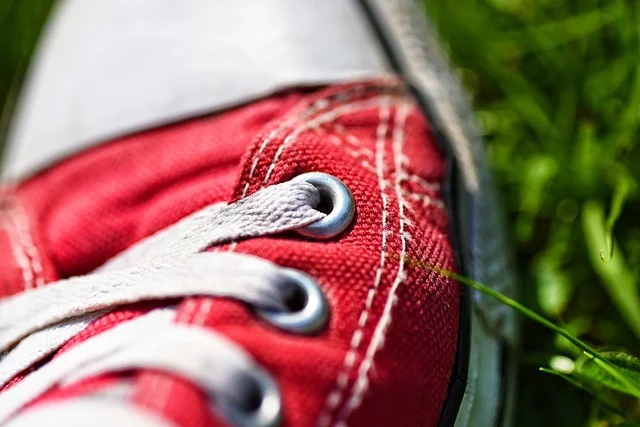
Knowing how to lace jordan 7 models properly ensures maximum comfort while highlighting the unique tongue geometry.
Method 1: Loose Casual Street Style
- Unlace the sneaker completely down to the bottom eyelet bar.
- Ensure the neoprene inner bootie is sitting flat against your foot without bunching.
- Lace upward in a standard criss-cross pattern, keeping the flat laces relaxed and wide without twisting them.
- Stop lacing at the 6th eyelet (just below the top ankle wing), leaving the top eyelet open.
- Let the lace ends hang loosely at a short length (roughly 2 to 3 inches) without tying a knot, allowing the geometric graphic tongue to pop outward.
Method 2: Factory Locked-Down Performance Lacing
- Start at the bottom eyelets, keeping uniform lace tension.
- Cross the laces tightly through eyelets 1 through 6.
- Feed the laces through the 7th top eyelet located on the ankle collar wing.
- Tie a clean bow knot directly over the top of the neoprene bootie, securing your heel firmly into the ankle pocket.
Clarifying Common Search Queries and Confusions
Jordan Why Not 7 vs Air Jordan 7
Searchers typing jordan why not 7 are often seeking Russell Westbrook’s signature performance basketball line. They specifically look for the Jordan Why Not Zer0 series, namely the Why Not .7 model. The Air Jordan 7 is a heritage 1992 lifestyle and performance retro model. However, the Why Not .7 is a modern on-court shoe featuring aggressive traction, exposed Zoom Air units, and lightweight synthetic mesh.
What The Jordan 7
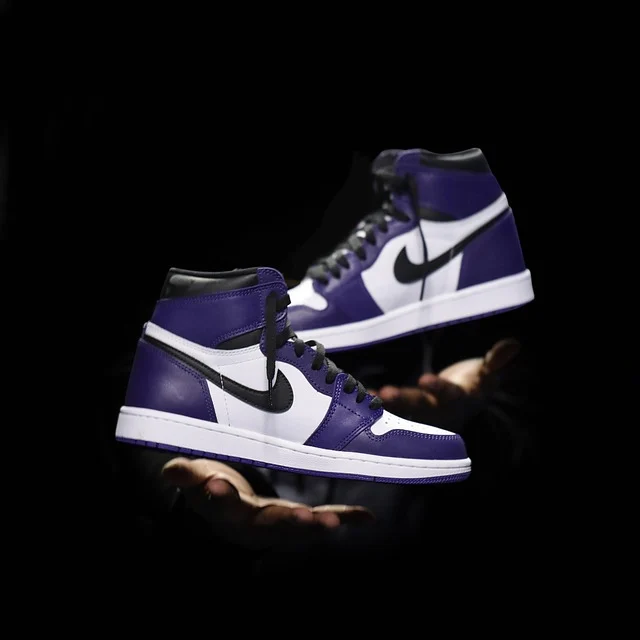
The term what the jordan 7 refers to custom concept designs and fan rumors of a mashup colorway combining previous AJ7 designs into one shoe (similar to Nike’s official “What The” releases on the Dunk, Kobe, and Air Jordan 4/5). While Jordan Brand has not produced an official retail “What The 7,” custom shoe artists frequently merge elements of the Bordeaux, Hare, and Olympic onto single pairs.
Michael Jordan 76ers and Ownership Facts
Queries like michael jordan 76ers or michael jordan 76ers owner stem from historical confusion. Michael Jordan was never an owner or player for the Philadelphia 76ers. Instead, Jordan played for the Chicago Bulls and Washington Wizards. He was also the principal owner of the Charlotte Hornets (formerly Bobcats) from 2010 to 2023. Search queries mixing Jordan with the 76ers usually relate to famous historical playoff matchups between Jordan’s Bulls and Charles Barkley’s 76ers, or Allen Iverson’s iconic 1997 crossover move against Jordan.
Jordan 7 Tennis Day
Searches for jordan 7 tennis day link back to Nike’s historic crossover activations where court tennis footwear borrowed color blocking and Huarache inner-bootie tech directly from the 1992 Air Jordan 7 design language, alongside promotional Nike Court events celebrating classic early-90s athletic designs.
Design History and Technological Innovations
Designed by Tinker Hatfield, the Air Jordan 7 marked a key turning point for the Air Jordan franchise. Prior to 1992, every Jordan shoe displayed prominent Nike branding, including visible Air windows and Nike Air heel tabs. With the AJ7, Hatfield convinced Nike leadership to let the Jordan line stand independently as its own brand identity.
The AJ7 removed external Nike branding completely, featuring only the Jumpman logo on the lateral ankle and Jordan’s jersey number on the heel shield. Hatfield was inspired by Afropop poster art and West African tribal patterns he discovered at a radio station in Portland, incorporating those bold geometric shapes into the rubber outsole traction pods and tongue design, making each shoe an iconic piece of wearable artwork.
Who the Jordan 7 Suits (and Who Should Skip It)
Ideal For:
- Sneaker collectors seeking authentic 1990s basketball history and Dream Team heritage.
- Wearers who want an ultra-snug, glove-like midfoot fit thanks to the internal neoprene sleeve.
- People who dislike heavy, clunky high-tops and prefer a lightweight lifestyle sneaker.
Not Suited For:
- Competitive indoor basketball players looking for maximum modern spring and carbon fiber plates (modern shoes like the Jordan 38 offer superior performance tech).
- Wearers with extremely wide feet who feel restricted by inner neoprene booties.
- People living in humid summer climates who find internal neoprene sleeves too warm.
How to Spot Fake Air Jordan 7s
- Check the Neoprene Bootie: Authentic AJ7s feature a thick, high-density neoprene liner that hugs the ankle. Counterfeits often use thin fabric that sags or wrinkles easily.
- Inspect the Tongue Geometry: On colorways like the Bordeaux or Hare, authentic pairs feature sharp, clean graphic boundaries. Counterfeits display blurry color transitions and cheap printed fabric.
- Examine the Heel Badge: The triangular heel patch (#23 or #9) should be made of molded rubber that sits perfectly centered. Fake pairs often have crooked alignment or thin heat-pressed stickers.
- Outsole Cutouts: Flip the shoe over and check the geometric traction shapes. Authentic soles feature clean cutouts that expose lightweight Phylon foam beneath.
Frequently Asked Questions
When was the Air Jordan 7 first released?
The Air Jordan 7 was originally released in 1992, coinciding with Michael Jordan’s second MVP season, his second NBA championship victory with the Chicago Bulls, and his Olympic Gold Medal run with the USA Dream Team.
Who designed the Air Jordan 7?
The Air Jordan 7 was designed by legendary Nike designer Tinker Hatfield, who integrated neoprene Huarache construction and drew visual inspiration from West African tribal art patterns.
What is the Huarache technology in the Jordan 7?
Huarache technology is an internal neoprene bootie and ankle sleeve that hugs the foot like a sock. It eliminates excess shoe weight, reduces lace pressure, and provides a customized, contouring fit.
Are Air Jordan 7s good for playing basketball in 2026?
While lightweight and comfortable for casual wear or pickup games, modern competitive basketball players will find contemporary performance shoes offer superior cushioning, traction, and lateral support compared to 1992 technology.
What are the most popular Air Jordan 7 colorways?
The most iconic Air Jordan 7 colorways include the ‘Bordeaux’, ‘Raptors’ (Black/Dark Charcoal), ‘Hare’, ‘Olympic’, and ‘Cardinal’, along with rare grails like the limited 2008 ‘Miro’.
How can I tell if a Jordan 7 is fake?
Authenticating a Jordan 7 involves checking the quality and density of the neoprene inner bootie, verifying that the heel shield (#23 or #9) is properly centered, and inspecting the alignment and print quality of the tongue graphic.
Source: Vogue


