













The best Jordan colorways for resale in 2026 are original High OG releases like the Air Jordan 1 ‘Chicago’ and ‘Bred’, high-profile collaborations such as the Travis Scott x Air Jordan 1 Low, and statement Air Jordan 4s including the ‘Toro Bravo’ and Union LA releases. These specific models yield the highest secondary market margins due to restricted production, timeless design appeal, and intense collector demand.
Building a profitable inventory strategy requires evaluating historical performance, silhouette popularity, and release volume to recognize which shoes retain value long after their drop date. The rest of this guide details the key variables that determine Air Jordan resale prices, the most reliable original colorways, high-margin collaborative releases, and market potential in women’s exclusives.
Best Jordan Colorways for Resale in 2026
The best Jordan colorways for resale in 2026 are original High OG releases like the Air Jordan 1 ‘Chicago’ and ‘Bred’, high-profile collaborations like the Travis Scott x Air Jordan 1 Low, and statement Air Jordan 4s including the ‘Toro Bravo’ and Union LA releases. These models consistently yield the highest secondary market margins due to restricted production, timeless design appeal, and intense collector demand.
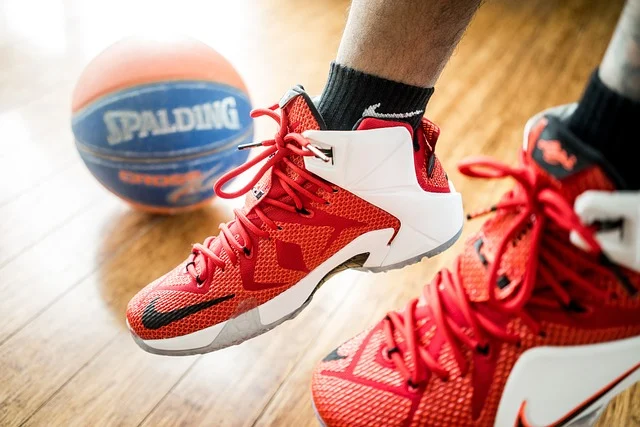
To profit from sneaker reselling, you need to recognize which color schemes, silhouettes, and story-driven releases retain value long after their drop date. Evaluating historical performance, release volume, and modern market trends allows you to build a profitable inventory strategy while avoiding dead stock.
What factors determine the resale value of Air Jordans?
Evaluating a shoe before purchase saves you from holding illiquid inventory. Five core variables determine whether an Air Jordan colorway will trade above its retail sticker price on secondary markets.
- Silhouette Popularity: Air Jordan 1 High OG, Air Jordan 3, Air Jordan 4, and Air Jordan 11 consistently generate higher resale multipliers than mid-cut silhouettes, Air Jordan 2, or hybrid models.
- Color Blocking and Heritage: Original (OG) colorways tied to Michael Jordan’s court career—specifically ‘Chicago’ (white, red, black), ‘Bred’ (black, red), and ‘Royal’ (black, blue)—possess built-in historic value that survives shifting fashion cycles.
- Collaborator Prestige: Limited partnerships with cultural figures, artists, and boutique design houses instantly inflate secondary market demand through artificial scarcity and unique branding details.
- Sizing Distribution: Men’s sizes 9 through 11 represent the highest transaction volume, while smaller men’s sizes (7 to 8.5) and popular women’s sizing often command extreme price premiums due to lower production numbers.
- Deadstock Condition: Factory-fresh sneakers stored in undamaged boxes with original tissue paper, extra laces, and hangtags achieve top dollar. Any creasing, sole yellowing, or box denting reduces potential profit margins instantly.
| Jordan Silhouette & Colorway | Primary Resale Driver | Target Demographic | Secondary Profit Potential | Market Risk Level |
|---|---|---|---|---|
| Air Jordan 1 High OG ‘Chicago’ | Original 1985 Heritage | Purists & High-End Collectors | Very High | Low |
| Air Jordan 1 High OG ‘Bred’ | Cultural Legacy & NBA History | Streetwear & OG Enthusiasts | High | Low |
| Travis Scott x AJ1 Low OG | Celebrity Endorsement & Scarcity | Hypebeasts & Secondary Flippers | Extremely High | Medium |
| Air Jordan 4 ‘Toro Bravo’ | Bold Colorway & AJ4 Demand | Modern Sneaker Buyers | Moderate-High | Low-Medium |
| Union LA x Air Jordan 4 | Boutique Exclusivity & Materials | Niche Fashion & Sneaker Collectors | High | Medium |
| Air Jordan 4 ‘Valentine’s Day’ | Women’s Exclusive Theme | Female Buyers & Gift Market | Moderate-High | Medium |
Which original Jordan colorways deliver the most reliable resale returns?
Certain Air Jordan colorways have transcended fleeting trends to become permanent fixtures in the resale market. These foundational designs offer security for resellers because collector demand remains consistent year after year.
The Air Jordan 1 is arguably the most iconic silhouette in sneaker culture, and its original colorways remain unparalleled in secondary market power. The ‘Bred’ (Black/Varsity Red), ‘Chicago’ (White/Black-Red), and ‘Royal Blue’ (Black/Royal Blue-White) represent the gold standard. Pristine retro versions of these OGs consistently command prices significantly above retail, reaching hundreds or thousands of dollars depending on condition, size, and vintage year.
Similarly, the Air Jordan 3 cemented its status with debut arrangements. The ‘True Blue’ (White/Cement Grey-True Blue) and ‘Black Cement’ (Black/Varsity Red-Cement Grey) are instantly recognizable. Their elephant print overlays and court history drive steady resale volume across all major trading platforms.
The Air Jordan 4 also holds several of the most valuable OG models available. The ‘Bred’ (Black/Fire Red-Cement Grey), ‘White Cement’ (White/Fire Red-Tech Grey), and ‘Military Blue’ (White/Military Blue-Neutral Grey) serve as key examples. Meanwhile, non-OG colorways like the vivid red ‘Toro Bravo’ (Vivid Red/Black-White) have attained near-OG status through striking color blocking and consistent buyer demand, as reported by Complex and other industry news outlets.
These colorways connect directly to basketball history and sneaker culture. Their enduring appeal ensures steady demand, making them predictable investments compared to unproven general releases.
Air Jordan 1 ‘Chicago’
The ‘Chicago’ colorway is the quintessential Air Jordan 1. Its white leather base, red overlays, and black detailing deliver universal appeal tied directly to Michael Jordan’s early NBA career. Resale prices remain exceptionally high, particularly for clean retro releases and reconstructed variations like the ‘Lost & Found’ iteration.
Air Jordan 1 ‘Bred’
Famous for its black-and-red scheme that violated NBA uniform regulations in 1984, the ‘Bred’ colorway carries a rebellious legacy. Its aggressive color distribution ensures constant buyer interest, keeping market premiums stable across retro cycles.
Air Jordan 3 ‘Black Cement’
The ‘Black Cement’ Air Jordan 3 combines tumbled black leather, elephant print overlays, and visible Air cushioning. It remains one of the most versatile sneakers ever produced, ensuring rapid turnover and reliable margins whenever retro pairs release.
Air Jordan 4 ‘Toro Bravo’
The all-red synthetic nubuck upper of the ‘Toro Bravo’ Jordan 4 stands out as a modern classic. Although introduced years after Michael Jordan’s retirement, its bold design on the highly sought-after AJ4 framework makes it a consistent performer that easily doubles its initial retail cost on secondary markets.
How much do collaborative Jordan colorways resell for?
Collaborations represent the primary driver of extreme secondary market price spikes. When Jordan Brand partners with cultural icons, fashion houses, or boutique retailers, the resulting colorways generate intense scarcity and immense profit potential.
Travis Scott’s ongoing partnership with Jordan Brand remains a commercial powerhouse. Signature touches like backward Swooshes, stash pockets, and muted earth tones regularly result in immediate sellouts and instant four-figure price tags on secondary apps. Releases like the Travis Scott x Air Jordan 1 Low OG in ‘Shy Pink’, ‘Canary’, or ‘Tropical Pink’ variants showcase how high-profile endorsements turn retail pickups into high-yield asset flips.
The late Virgil Abloh’s Off-White collaborations transformed sneaker design with exposed foam, zip-ties, and text markings. The Off-White x Air Jordan 1 colorways—specifically ‘Chicago’, ‘White’, and ‘University Blue’—continue to command massive resale margins years after their initial release. Their deconstructed aesthetic and limited production ensure perpetual grail status.
Boutique collaborations also yield substantial returns. Union LA’s work on the Air Jordan 1 and Air Jordan 4 features unique material swaps, folded tongue details, and modified stitching. The ‘Pistachio’, ‘Guava Ice’, and ‘Black’ colorways demonstrate how design tweaks and regional exclusivity elevate aftermarket value.
Travis Scott x Air Jordan 1 Low OG
Travis Scott low-top colorways are among the most lucrative options for sneaker flipping. The combination of reversed branding, premium suede construction, and limited retail drops guarantees heavy buyer traffic and high profit margins on every color iteration.
Off-White x Air Jordan 1
Virgil Abloh’s deconstructed takes on the AJ1 remain top-tier investment assets. Due to historical significance and finite global supply, pairs in deadstock condition regularly sell for several times their original retail price.
Union LA x Air Jordan 4
Union LA transformed the AJ4 silhouette by introducing altered mesh paneling and vintage-washed midsoles. Distinctive color schemes like ‘Pistachio’ and ‘Black’ carry heavy resale premiums due to boutique exclusivity and strong aesthetic appeal.
Nigel Sylvester x Air Jordan 4
BMX rider Nigel Sylvester’s collaborative releases, such as the ‘Brick After Brick’ Air Jordan 4 highlighted by Complex, merge action sports culture with sneaker craftsmanship. Story-driven releases tap into dedicated subcultures, triggering concentrated buying pressure and rapid resale price appreciation.
Are women’s exclusive Jordan colorways worth reselling?
The secondary sneaker market has expanded rapidly around women’s exclusive Jordan releases. Jordan Brand no longer simply shrinks men’s designs; the brand actively develops distinct color palettes, premium materials, and storytelling concepts tailored for female buyers.
Models like the Air Jordan 4 ‘Valentine‘s Day’ or the Air Jordan 11 ‘Mother’s Day’ feature targeted design touches that create immediate hype. Industry tracker Sneaker Identifier noted how women’s exclusive models have grown into highly anticipated releases that match standard men’s drops in secondary profitability.
Female-led artist collaborations further accelerate this trend. Teyana Taylor’s signature Air Jordan 3 project demonstrates how fresh creative directions combined with limited stock generate fast sellouts and immediate aftermarket demand. Resellers who target larger women’s sizes (US 10W to 12W, which convert to men’s 8.5 to 10.5) see strong turnover because these crossover sizes accommodate both male and female collectors.
Air Jordan 4 ‘Valentine’s Day’
This holiday-themed women’s exclusive uses unique soft textures and thematic color blocking. Its tight distribution and strong visual appeal make it a top performer during seasonal buying spikes.
Teyana Taylor x Air Jordan 3
Featuring custom lace details and tactile leather textures, Teyana Taylor’s Air Jordan 3 collaboration appeals to both fashion-forward buyers and traditional sneaker collectors, supporting solid aftermarket returns.
Air Jordan 1 High OG ‘Psychic Blue’
This pastel-focused colorway offers a clean option designed primarily for women. Its soft blue leather panels and comfortable blocking make it an attractive everyday wear option with consistent secondary demand.
Air Jordan 11 ‘Mother’s Day’
By pairing translucent outsoles with refined upper materials, the ‘Mother’s Day’ Jordan 11 delivers an elevated twist on a classic silhouette. The thematic release schedule creates immediate interest among buyers seeking gift-ready pairs.
How do you flip Air Jordans step-by-step for maximum profit?
Successfully reselling Jordans requires systematic execution. Sourcing pairs at retail price is only the first step; proper preservation, documentation, and pricing strategy determine your final return on investment.
- Target High-Demand Releases: Monitor release calendars on Nike SNKRS, boutique launch schedules, and industry tracking sites like Sneaker Fortress to identify high-margin colorways before drop day. Focus heavily on OG retros, Air Jordan 4s, and tier-1 collaborations.
- Secure Core Sizing: Aim for men’s US 9 through 11 or women’s US 10.5 through 12. These size ranges hold the largest buyer demographic and experience the fastest liquidation rates on secondary apps (see Designer Shoes: Worth the Splurge? for full sizing charts).
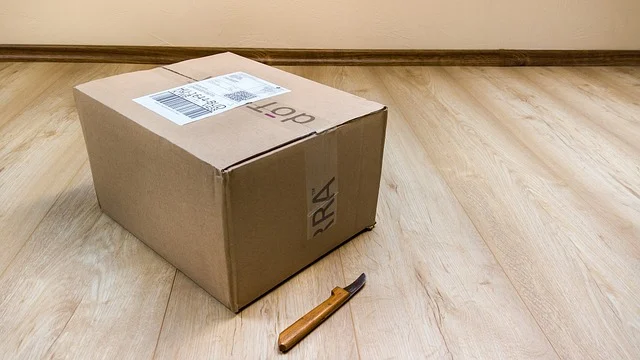
- Maintain Factory Deadstock Quality: Keep the shoes untouched in their original box. Store them in a cool, dry room away from direct sunlight to prevent rubber yellowing, outsole oxidation, or upper fading. Ensure original hangtags, extra lace bags, and box tissue remain undamaged.
- Gather Proof of Authenticity: Preserve paper receipts, digital order confirmations, and dispatch notes from authorized Nike accounts or boutique stockists. Having clear provenance speeds up authentication on third-party platforms and builds trust with private buyers.
- Photograph Key Details Clearly: When listing independently, take well-lit photos showing the size tag, outsole tread, box label, stitching, insoles, and overall silhouette. Transparency about packaging condition prevents disputes and return requests.
- Compare Platform Fees and Liquidity: Cross-reference live asking prices and recent sales history using recent sales data on platforms like StockX, GOAT, and eBay. Choose between instant payout channels with higher seller fees or direct-to-consumer sales with lower fees.
- Time Your Sale Strategically: For standard hyped drops, sell within the first 7 to 14 days following delivery to capitalize on peak post-release excitement. For iconic OG colorways and top-tier collaborations, holding deadstock pairs for 12 to 24 months often yields higher returns as market supply contracts.
What costly mistakes lower your Jordan resale returns?
Avoiding critical operational mistakes is just as important as selecting the right colorway. Many resellers lose money not because of poor sneaker choices, but because of improper handling, bad timing, or inadequate market research.
- Buying Counterfeits: Purchasing shoes from unverified secondary sellers or questionable discount sites risks acquiring fakes. Attempting to sell counterfeit shoes on verified platforms results in account bans and financial forfeitures.
- Ignoring Box and Packaging Damage: Collectors value the original box almost as much as the shoes. Dented box lids, missing tissue paper, or damaged corners can slice 10% to 20% off your selling price.
- Misreading Sizing Marketability: Purchasing fringe sizes (like men’s US 15+ or US 7) on standard general-release colorways leaves your capital tied up for months because these sizes have significantly lower transaction volume.
- Holding General Releases Too Long: Not every Jordan appreciates over time. General release colorways on lesser-loved silhouettes often drop below retail once initial regional stock re-enters the market. Cut losses quickly on underperforming inventory.
- Failing to Account for Seller Fees and Shipping: Platform processing fees, commission cuts, and shipping labels can total 12% to 15% of your final sale price. Always subtract these expenses before calculating potential profit margins.
Frequently asked questions
What are the most profitable Jordan colorways to resell in 2026?
Original Air Jordan 1 High OG releases like ‘Chicago’ and ‘Bred’, statement Air Jordan 4s like ‘Toro Bravo’, and limited collaborative editions like Travis Scott x Air Jordan 1 Low models yield the highest secondary market profits. Restricted supply and historic appeal maintain strong secondary premiums for these specific pairs.
How do I determine the resale value of a Jordan colorway?
Check real-time transaction data and completed sales on verified secondary platforms like StockX, GOAT, and eBay. Evaluate the specific size, current box condition, production exclusivity, and historical pricing trends to estimate accurate payout margins.
Are women’s exclusive Jordan colorways good for resale?
Yes, women’s exclusive Jordan colorways are lucrative secondary market picks when released in limited quantities or under thematic concepts. High-demand sizes that overlap with men’s core sizing (US 10.5W to 12W) perform exceptionally well.
How important is the condition of the box for resale value?
The original box is vital for preserving maximum secondary market value.
When is the best time to sell a newly dropped Jordan colorway?
For most hyped general releases, selling within two weeks of initial delivery captures peak market excitement. Highly exclusive collaborations or iconic OG colorways often experience greater long-term value growth if held in factory deadstock condition for a year or longer.


