


Want technical performance or minimal mountain styling without spending $500 to $650? Find affordable alternatives to Arc’teryx. Brands like Mammut, Outdoor Research, and Patagonia deliver equivalent waterproof membranes, active insulation, and streamlined silhouettes for significantly less. Competitors across the outdoor industry use identical Gore-Tex Pro and Pertex materials. They provide equal storm protection and durability without markups from resale hypes and urban fashion trends.
Arc’teryx built its reputation on precision patterning, heat-laminated seam taping, and top-grade fabrics. However, retail prices expanded rapidly as the brand shifted from specialized alpine gear into mainstream streetwear culture. Technical hardshells are now frequently styled alongside designer footwear or vintage selvage denim. Understanding which alternative brands excel in material quality, functional cuts, and price-to-performance ratios ensures you invest in gear that satisfies both technical and aesthetic needs.
Looking for affordable alternatives to Arc'teryx?
To replace an Arc’teryx outer shell or midlayer, buy affordable alternatives to arc’teryx from brands that use identical Gore-Tex membranes, premium Pertex nylon, or targeted synthetic fill without charging a luxury brand premium. Brands such as Mammut, Outdoor Research, Patagonia, Norrøna, and Mountain Hardwear match Arc’teryx spec-for-spec across stormproofing, mobility, and seam tape density.
When selecting a technical garment, your decision comes down to matching specific outerwear roles rather than broad brand names. Arc’teryx categorizes its line into distinct families: Beta for versatile mountain apparel, Alpha for dedicated climbing, and Atom for lightweight synthetic midlayers. Finding affordable alternatives to arc’teryx requires pairing these specific functional designs with competing models that use similar fabric densities (measured in denier, or ‘D’) and equivalent waterproof-breathable linings.
Comparing Arc’teryx models with budget alpine alternatives
According to research published by Switchback Travel, the flagship Arc’teryx Beta AR hardshell retails for $650. Meanwhile, its lighter counterpart, the Beta SL, retails for $500 using 40D x 70D Gore-Tex ePE fabric. Direct competitors produce alpine-grade hardshells featuring identical Gore-Tex constructions. These affordable alternatives to arc’teryx perform at the same level for a fraction of the cost.
| Jacket Model | Primary Fabric / Membrane | Key Functional Focus | Best Suited For |
|---|---|---|---|
| Arc’teryx Beta AR | Gore-Tex Pro 3L | All-around alpine stormproofing | Extreme mountain environments & heavy usage |
| Mammut Taiss HS | Mammut DRYtechnology Pro 3L | Alpine mobility & low weight | High-performance technical shell alternative |
| Patagonia Nano Puff Hoody | PrimaLoft Gold Eco (60g) | Windproof synthetic midlayer insulation | Layering, casual wear, and light packability |
| Outdoor Research Foray II | Gore-Tex Paclite Plus 2.5L | Torso-Flo side venting & rain defense | Daily weatherproofing and high-output hiking |
We recommend mapping your usage before picking an alternative. If you need severe weather protection, prioritize 3-layer hardshells from alpine legacy manufacturers. If your primary goal is clean aesthetics and casual urban wear, lightweight windbreakers or softshells provide identical visual silhouettes. These options avoid the stiff, noisy rustle of heavy 70-denier waterproof fabrics.
Cheaper alternative to Arc’teryx Beta
The best cheaper alternative to the Arc’teryx Beta hardshell series is the Mammut Taiss HS. It offers comparable 3-layer storm protection, alpine hood articulation, and harness-compatible pocket placement at a lower price point. For mid-tier budgets, the Outdoor Research Foray II provides full Gore-Tex weather protection paired with unique full-length side ventilation zippers.

As noted by OutdoorGearLab in their mountain hardshell evaluations, the Mammut Taiss HS performs closely to premium $600+ hardshells. It acts as a direct top-tier alternative. Mammut designs its jackets with an ergonomic trim fit that mirrors affordable alternatives to arc’teryx. This makes it ideal for those who prefer sculpted outer layers over boxy rain jackets.
For midlayer insulation, searchers looking for an alternative to the popular Arc’teryx Atom Hoody (which retails for $300) should consider the Patagonia Nano Puff Hoody at $299 or The North Face Summit Series Casaval Hybrid, as detailed by Better Trail. These active insulation alternatives use breathable face fabrics paired with synthetic fill that retains heat even when exposed to damp conditions.
If you prefer an ultralight shell under 9 ounces for running or minimalist trail use, options like the Mammut Aenergy TR HS (using Pertex Shield) and the Helly Hansen Odin Infinity Minimalist (featuring LIFA INFINITY technology) serve as affordable alternatives to arc’teryx to the Norvan series. These lightweight jackets provide complete wind blocking and rain protection while compressing down to the size of an apple.
Why is Arc’teryx so pricey?
Arc’teryx prices reflect precise micro-seam taping, high-density stitch construction, proprietary pattern making, and commercial licensing costs for premium Gore-Tex membranes. In recent years, prices have also risen due to high consumer demand driven by fashion trends, secondary market markups, and brand positioning in contemporary streetwear culture.
A common misconception within fashion and outdoor communities is that Arc’teryx holds exclusive access to superior waterproof technologies. In truth, competing technical outdoor manufacturers—including Norrøna, Outdoor Research, Patagonia, and Mountain Hardwear—provide affordable alternatives to Arc’teryx by sourcing and constructing outerwear using identical Gore-Tex Pro waterproof membranes and face fabrics. Arc’teryx charges a premium largely due to its complex pattern drafting, which uses micro-grid seam allowances to reduce bulk. Brand equity also contributes to this higher price.
Many buyers overpay for heavy-duty hardshells like the Beta AR or Alpha series. However, they do not realize that rigid 3-layer alpine jackets make uncomfortable casual garments. Technical alpine hardshells feature stiff fabrics, crinkly face papers, oversized hoods, and high collar stands that feel restrictive around town. If you do not require crampon-proof durability or storm defense in sub-zero alpine environments, paying premium prices for an expedition shell is often unnecessary.
Who is Arc’teryx’s biggest competitor?
Mammut and Norrøna serve as Arc’teryx’s primary alpine performance competitors, while Patagonia and Outdoor Research represent its largest market competitors in general technical outerwear and everyday layering. Each of these brands manufactures top-tier technical apparel built for severe mountain conditions.
Norrøna originates in Norway and offers clean minimalist aesthetics combined with extreme mountain utility. Their gear features articulated fits, vivid color blocking, and heavy-duty Gore-Tex Pro materials. Their Falketind and Trollveggen collections match Arc’teryx step-for-step in weatherproofing and construction standards.
For buyers who prioritize sustainability alongside performance, Patagonia provides solid weather protection, free repair programs through their Worn Wear platform, and fully recycled shell fabrics. Their Torrentshell 3L offers reliable 3-layer waterproof coverage for under half the price of entry-level Arc’teryx shells. Consequently, it is one of the most accessible weather-resistant options on the market.
How to choose the right alternative for your needs
Selecting an affordable alternative requires evaluating material specs, garment weight, and intended fit rather than relying solely on brand names. First, follow these steps to choose an outerwear option that delivers the performance you need at a price that fits your budget.

- Determine your primary usage environment. Decide whether you require an alpine hardshell for snow and torrential rain, an active synthetic midlayer for cold movement, or a casual windbreaker for daily commuting.
- Verify the membrane rating and fabric weight. Look for true 3-layer (3L) fabrics with a Gore-Tex, Pertex Shield, or proprietary 20,000mm waterproof rating if you need total storm protection. Check the denier rating: 30D–40D fabric offers lightweight flexibility, while 70D+ provides high abrasion resistance.
- Check essential hardware features. Ensure the jacket includes pit zips for heat venting, fully heat-sealed interior seams, multi-point hood adjustments, and water-resistant YKK AquaGuard zipper tracks.
- Test fit articulation and layering space. Try the shell on over your thickest fleece or midlayer. Verify that the sleeves do not pull back over your wrists when raising your arms overhead.
We recommend skipping high-end 3-layer hardshells if you live in moderate climates with light rainfall. A standard 2.5-layer rain jacket or a softshell coat will provide better breathability, softer movement, and far superior everyday comfort while saving you hundreds of dollars.
Where can I buy Arc’teryx for cheap?
You can purchase authentic Arc’teryx gear at discounted prices through the official Arc’teryx ReGEAR trade-in outlet, end-of-season closeout sales at authorized retailers like REI and Backcountry, or verified second-hand outdoor gear exchanges.
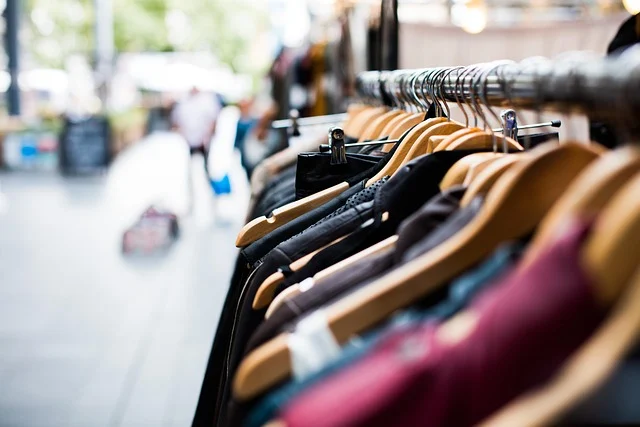
When shopping second-hand marketplaces, inspect garment photos carefully. Pay close attention to inner seam tape conditions around the neck and armpits. Seam adhesive can delaminate over time if washed incorrectly or exposed to skin oils. Purchasing certified refurbished gear directly through trade-in programs like Arc’teryx ReGEAR or Patagonia Worn Wear ensures the factory adhesive, DWR coatings, and zipper tracks have been inspected and restored.
Edge cases: When an alternative will not suffice
While affordable alternatives match Arc’teryx across most performance metrics, specific user groups may still benefit from investing in original Arc’teryx garments. These edge cases involve specialized fits, extreme alpine professions, or specific aesthetic requirements.
If you possess a tall, slim athletic torso with exceptionally long arms, Arc’teryx’s proprietary 3D ergonomic patterning fits best. Boxier budget alternatives rarely match this fit. Additionally, professionals operating in extreme alpine rescue environments who depend on ultra-specific pocket layouts or proprietary StormHood geometry may prefer staying within the Arc’s product ecosystem.
Frequently asked questions
What to buy instead of Arcteryx?
You can buy high-performance alternatives from brands like Mammut, Outdoor Research, Patagonia, Norrøna, and Mountain Hardwear. These brands use identical Gore-Tex membranes, 3-layer waterproof fabric constructions, and active synthetic insulation for significantly lower prices.
Who is Arc Teryx’s biggest competitor?
Mammut and Norrøna are Arc’teryx’s strongest competitors in technical alpine outerwear, offering articulated fits and heavy-duty stormproofing. For general outdoor apparel and everyday layering, Patagonia and Outdoor Research serve as its largest market competitors.
Why is Arc Teryx so pricey?
Arc’teryx prices stem from complex garment patterning, strict seam-taping standards, premium Gore-Tex licensing fees, and strong brand demand driven by contemporary fashion trends and gorpcore subculture.
Where can I buy Arcteryx for cheap?
You can buy discounted Arc’teryx apparel via the official Arc’teryx ReGEAR resale platform, seasonal closeout sales at authorized outdoor retailers like REI, or verified second-hand consignment outlets.