







A peplum top is a waist-defining blouse featuring a flared or ruffled strip of fabric attached at the waistline that creates an hourglass silhouette by cinching the torso and extending outward over the hips. Modern designs use clean architectural cuts, softer gathers, and fluid drapes to offer a tailored look across casual, professional, and formal settings.
This guide explains how peplum tops function, detailing major styles like gathered, architectural, asymmetrical, and bias-cut options. It also outlines how to choose the right cut for different body shapes and how to style peplums with fitted trousers, skirts, wide-leg pants, and footwear.
The Peplum Top: Your Style Evolution Guide
A peplum top is a waist-defining blouse featuring a flared or ruffled strip of fabric attached at the waistline that extends outward over the hips. It creates a flattering hourglass silhouette by cinching the torso at its narrowest point before fanning out to soften the hip line.
Far from being a short-lived trend, the peplum top offers a structured, tailored way to accentuate natural waistlines. As a result, it works across casual, professional, and formal settings. Modern iterations swap the stiff, exaggerated flares of past decades for clean architectural cuts, softer gathers, and fluid drapes that integrate easily into a contemporary wardrobe.
What is a peplum top and how does it work?
A peplum top consists of two primary components: a fitted or semi-fitted bodice and an attached flared skirt section known as the peplum. The seam joining these two sections sits at or slightly above the natural waist. From this seam, fabric flares outward, creating contrast between the narrowest part of the midsection and the upper hips.
The visual impact of a peplum top comes down to proportion and balance. By adding gentle volume below the beltline while hugging the ribcage, it balances broader shoulders, accentuates straight waists, and skims smoothly over the belly and hips. However, the intensity of this effect depends on how the flare is constructed:
- Circle-cut peplums: Cut from a single continuous ring of fabric, these drape smoothly without pleats or gathers, producing a subtle, fluid wave.
- Gathered peplums: Gathered tightly along the waist seam, these create romantic, ruffled volume that adds visual shape to narrower hip lines.
- Architectural or pleated peplums: Built with sharp box pleats or crisp folds, these hold a distinct geometric shape even in stiffer fabrics.
- Asymmetrical peplums: Cut longer in the back or dipping along one side, these break up horizontal lines to elongate the torso.
How has the peplum silhouette evolved over time?
The peplum origin traces back to the 16th century, where short extended skirt tabs were sewn onto doublets and tunics in European attire. These tabs offered movement. They also protected delicate waist fabrics from wearing down against belts and armor.
In 1947, Christian Dior reintroduced the peplum as part of his famous “New Look” collection. Dior used cinched waist jackets with flared hip skirts to celebrate structured feminine shapes after years of wartime fabric rationing. As a result, this era established the peplum as an icon of formal tailoring.
The silhouette returned in the early 2000s and 2010s, defined by high-contrast neon fabrics, stiff synthetic knits, and deep bell flares paired with low-rise trousers. While popular, these rigid styles were difficult to layer and often felt restrictive.
Today’s modern peplum focuses on refined tailoring, natural textiles, and subtle volume. Designers use crisp cotton poplin, weighted ponte knit, and fluid silk blends to craft flattering silhouettes. These shapes enhance the waist without looking overly dramatic or theatrical.
What are the main types of peplum tops?
Different peplum styles suit different occasions and body shapes. Choosing the right design comes down to how much flare you want and where you plan to wear it.
| Peplum Style | Best Fabrics | Body Shape Match | Ideal Setting |
|---|---|---|---|
Gathered flounce peplum
This soft style features light fabric gathered along the waist seam. Also, it moves naturally as you walk, making it a comfortable choice for warm-weather outfits or casual weekend wear. Gathered tops pair best with slim-fit jeans or tailored shorts.
Architectural pleated peplum
Built from structured fabrics that hold crisp folds, architectural peplums deliver a polished, formal look. Box pleats or sharp knife pleats keep the flare structured. As a result, this style is an ideal choice for work environments and formal events.
Asymmetrical peplum
Asymmetrical designs feature a flare that varies in length—either dipping low in the back or sweeping across one hip. For example, the diagonal hemline draws the eye vertically, making it visually lengthening for petite frames.
Bias-cut circle peplum
Cut diagonally across the fabric grain, a bias-cut peplum falls in smooth, smooth folds without extra fabric weight. As a result, it provides subtle shape without stiff ruffles, layering comfortably under jackets and coats.
How do you choose the right peplum top for your body shape?
Because the peplum draws direct visual attention to the waist and hips, selecting a silhouette that aligns with your natural frame ensures a comfortable and balanced look.
For rectangular or athletic frames
If your shoulders, waist, and hips are similar in width, a structured peplum creates the illusion of a defined waistline. Look for architectural box pleats, firm fabrics like ponte or poplin, and tops with bust darting to build subtle curves.
For pear-shaped frames
If your hips are wider than your shoulders, choose a peplum top with a higher waist seam—sitting at the narrowest part of your ribcage—and a flare that skims smoothly over the hips. Avoid flares that end directly at the widest point of your hips, as a horizontal line at that spot adds visual bulk. Pair with wide or broad necklines, like boat necks or square cuts, to widen the upper body.
For hourglass frames
Hourglass figures benefit from peplum tops that follow natural waist contours without adding excess fabric. So, choose bias-cut or fitted waistlines in supple fabrics like silk crepe or rayon. Ensure the flare lays flat over your hips without bunching.
For apple or round frames
Select peplum tops made from fluid, draping fabrics that start their flare slightly above the natural waist (an empire or high-waist placement). Long, gently angled asymmetrical flares skim over the abdomen without clinging, while deep V-necks elongate the upper torso.
For petite frames
Choose micro-peplums or short flares that sit precisely at your natural waist. However, overly wide or drop-waist peplums can shorten the look of your legs. Shorter hem lengths keep your frame looking tall and proportional.
Who should exercise caution with peplums?
Peplum tops can be challenging for individuals with very short torsos, as the waist seam may compress the torso further. In these cases, look for soft drop-waist cuts or unseamed tops with subtle side-cinching rather than a hard midsection seam. Anyone seeking a completely loose, boxy silhouette will also find the structured waist of a peplum counter to their style goals.
What pants and skirts go best with a peplum top?
Styling a peplum top successfully relies on balancing volume. Because the bottom hem of the top expands outward, pairing it with streamlined, fitted bottoms yields the cleanest, most proportional silhouette.
Slim-fit trousers and cigarette pants
Tailored cigarette pants and slim ankle-length trousers are classic pairings for a peplum blouse. The narrow line of the trousers counteracts the flare of the top, keeping your profile clean and balanced. Choose high-waisted trousers so the waistband sits comfortably under the peplum seam without digging in.
Straight-leg and high-waisted denim
For a modern, elevated casual look, pair a cotton or linen peplum top with straight-leg denim. Dark indigo and uniform wash denim work well for casual workplaces, while lighter washes offer a relaxed weekend vibe. High-rise denim keeps the midsection smooth under the fitted top bodice. Check How to Get Clear, Beautiful Skin: Avoiding Common Pitfalls for denim rise guides.
Pencil skirts and fitted midi skirts
A pencil skirt paired with a structured peplum top creates a classic silhouette for professional environments. However, to avoid visible line buildup, ensure the waistband of the pencil skirt sits flat beneath the peplum seam, or select a skirt with an invisible side zipper.
Can you wear wide-leg pants with a peplum top?
Yes, but proportions must be handled carefully. To pair a peplum with wide-leg trousers, choose a top with a fitted upper torso and a short, understated flare. The wide-leg trousers should sit high on the waist and drape cleanly from the hip down. Stiff wide-leg fabrics like heavy denim can clash with a voluminous peplum, so opt for fluid wool crepe, lyocell, or drape-heavy viscose blends.
Footwear pairings
Your choice of shoes establishes the formal tone of the outfit:
- Pointed-toe pumps and flats: Elongate the leg line, making them ideal for work trousers and pencil skirts.
- Sleek ankle boots: Provide balance for structured peplum tops worn with slim dark denim during cooler months.
- Minimalist leather sneakers: Ground a casual cotton peplum top when paired with straight-leg denim. Learn how to pair casual footwear effortlessly with this guide on How to Wear Common Projects Achilles Low: Master Minimalist style.
- Strappy block sandals: Complement airy, gathered peplums for warm-weather events.
How do you style a peplum top for different occasions?
The peplum top adapts well across different settings when you match the fabric and outfit balance to the environment.
Professional workwear
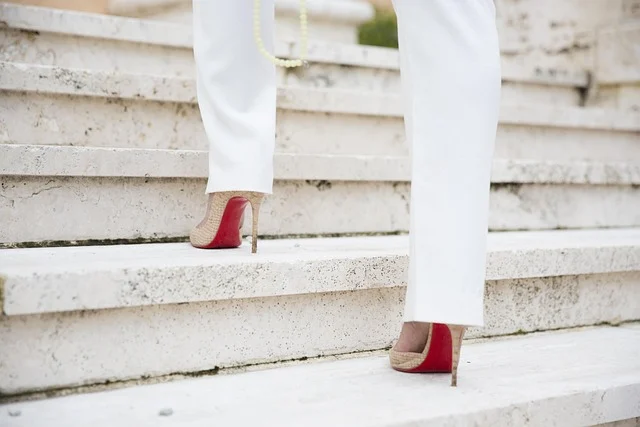
Choose a structured peplum blouse in solid neutrals like navy, black, ivory, or deep olive. First, materials like heavy ponte knit or structured cotton blend hold their shape throughout the workday. Combine the top with dark cigarette trousers, pointed flats, and simple gold or silver jewellery.
When adding outerwear, choose either a cropped jacket that ends above the peplum flare or an unbuttoned trench coat that falls well past the top’s lower hem. Avoid mid-length blazers that button directly over the peplum flare, as this crushes the fabric and distorts the silhouette.
Elevated casual outfits
Select a short-sleeve or sleeveless peplum top in breathable cotton poplin or a linen blend. Next, pair it with dark straight-leg jeans or tailored ankle pants. Roll the sleeves slightly if applicable, and complete the look with leather sneakers or leather slide sandals for a practical, polished daytime outfit.
Evening and formal wear
For formal dinners or evening events, opt for high-sheen or textured fabrics like silk satin, velvet, or embroidered organza. An asymmetrical or deep V-neck peplum top paired with sleek silk trousers or a bias-cut satin midi skirt creates an elegant look. Keep accessories minimalist—a sleek clutch and drop earrings let the waistline remain the focal point.
Which fabrics and construction features offer the best fit?
Fabric selection dictates how a peplum top behaves on your body. Heavy materials build architectural shape, while lightweight fabrics flow with your movement.
Structured fabrics
- Cotton Poplin: Crisp and lightweight, poplin holds pleats sharply while remaining breathable for warm weather.
- Ponte Knit: A dense, stretchy double-knit fabric that smooths the torso, holds structured flares, and resists wrinkling during travel.
- Gabardine & Wool Twill: Tailored fabrics that hold architectural folds, ideal for cooler seasons and formal business settings.
Fluid fabrics
- Silk Crepe de Chine: Soft with a subtle sheen, crepe drapes gracefully over the waist and hips without creating bulk.
- Viscose & Rayon Blends: Provide soft, fluid movement at an accessible price point, ideal for gathered or multi-tiered peplums.
- Linen Blends: Offer relaxed texture and breathability for summer wear, though they wrinkle easily along the waist seam.
Key construction details to check
When purchasing a peplum top, check these structural elements for quality and proper fit:
- Bust darting: Proper vertical or diagonal darts prevent the upper bodice from pulling or gaping around the chest.
- Zipper placement: Long back or side invisible zippers make fitted torsos easy to slip on without stretching out the waist seam.
- Waist seam reinforcement: Taped or flat-felled waist seams ensure the peplum flare doesn’t drop, sag, or stretch out of shape over time.
- Hem stitching: Narrow, blind-stitched, or clean-bound hems allow thin peplums to fall naturally without stiff, distracting lower edges.
What common styling mistakes should you avoid?
Achieving a modern look with a peplum top comes down to avoiding a few frequent styling pitfalls:
- Mismatched flare length: Letting the flare end at the widest point of your hips creates a heavy horizontal visual line. Instead, ensure the flare finishes either above or below that peak point.
- Combining with voluminous bottoms: Pairing a flared peplum with a full tiered maxi skirt or boxy cargo pants dilutes your natural waistline and overwhelms your frame with excess fabric.
- Adding thick belts over structured waist seams: Most peplum tops already feature a built-in waist seam. However, adding a wide belt directly on top creates unnecessary bulk and distorts the fabric flare. If using a belt, pick a narrow belt that sits cleanly within small belt loops.
- Ignoring torso length: Buying a standard-fit peplum top when you have a long or short torso can misplace the waist seam. Check garment length measurements to verify the seam lines up with your natural waistline. Refer to Best Skin Care for Women Over 50 for garment measurement advice.
How do you clean and maintain structured peplum tops?
Because peplum tops feature tailored seams and shaped hems, proper care helps maintain their structure over time.
Washing guidelines
Always inspect the care tag before washing. Crisp cotton, linen, and synthetic knits can usually be washed on a gentle cold cycle inside a mesh laundry bag to prevent fabric twisting. Silk, velvet, and boned peplum tops should be dry cleaned or carefully hand-washed in cold water with mild detergent.
Drying and pressing techniques
Never tumble dry structured peplum tops, as high heat shrinks waist seams and warps synthetic stretch fibres. Lay the top flat on a clean towel or hang it on a padded hanger to air dry, gently smoothing out the peplum flare with your hands while damp.
To press pleats and flares:
- Use a garment steamer on fluid fabrics like silk or viscose, directing steam along the inside of the flare to smooth wrinkles without flattening gathers.
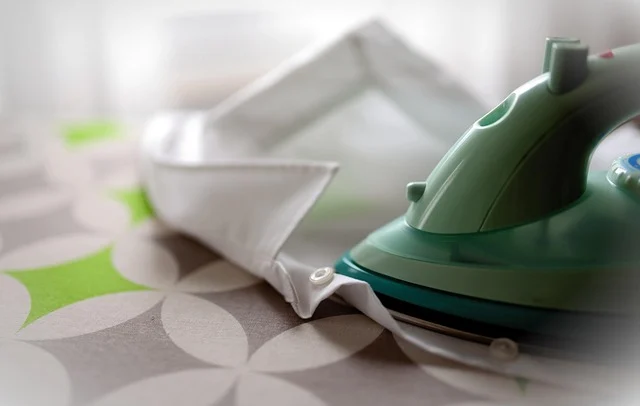
- Use an iron on medium-high heat for crisp cotton poplin, pressing from the waist seam downward along the line of each pleat. Also, use a pressing cloth to avoid fabric shine.
Storage tips
Store peplum tops on padded or wide wooden hangers to preserve shoulder structure and prevent hanger marks. Avoid squeezing structured peplums into crowded closets, as crushed flares require re-steaming before wearing.
Frequently asked questions
Are peplum tops still in style?
Yes, peplum tops remain popular modern wardrobe staples. Current designs focus on clean architectural pleats, asymmetrical hemlines, and subtle bias cuts. As a result, they offer sophisticated waist definition without the stiff, exaggerated ruffles of past decades.
What pants should you pair with a peplum top?
Slim-fit cigarette pants, tailored ankle trousers, and straight-leg denim pair best with peplum tops. Because their narrow profile balances the volume of the flared hem, they maintain clean, flattering outfit proportions.
Can you wear a peplum top if you have a tummy?
Yes, peplum tops are exceptionally flattering over the midsection. Select a style with a high-waisted seam that sits at your narrowest ribcage line. This allows a soft flounce or fluid flare to skim smoothly over the abdomen without clinging.
How should a peplum top fit around the waist?
The waist seam of a peplum top should fit snugly against your natural waist without pulling, digging, or causing fabric to bunch. The top bodice should lay flat against your chest while the lower flare falls smoothly without puckering.