













Smart casual attire for men blends tailored formal pieces with relaxed casual wear to create a polished yet comfortable look for modern settings. To achieve this style, pair structured wardrobe anchors like unlined blazers, fitted chinos, or dark selvedge denim with refined layers like fine merino knits and minimalist leather footwear.
What is smart casual for men?
Smart casual is a dress code that fills the space between formal business wear and off-duty leisure clothes. It prioritizes intention, proper tailoring, and high-quality fabrics without forcing you into a full suit, necktie, or rigid dress shoes. The objective is to look structured and presentable while maintaining mobility and personal comfort.
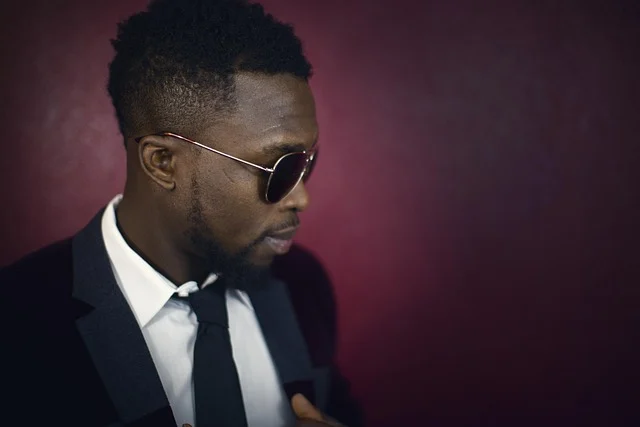
This style relies on balancing structured garments with relaxed ones. For example, wearing a tailored blazer over a plain crew-neck t-shirt grounds the jacket’s formality, while pairing dark denim with a fine-gauge knit sweater upgrades the jeans into clean evening wear. It requires understanding garment weight, texture, and fit so that casual elements appear deliberate rather than sloppy.
Who smart casual is not for
While smart casual covers most modern social and workplace dress codes, it is not universal. It does not suit strict corporate environments such as conservative investment banking, traditional corporate law firms, or formal courtrooms where full business suits remain mandatory. It is also impractical for manual labor or active outdoor environments where utility and durability take precedence over aesthetic tailoring.
How to build a smart casual outfit step by step
Creating a balanced outfit requires a simple top-down strategy. Follow these steps to assemble a look that fits almost any semi-formal or relaxed context:
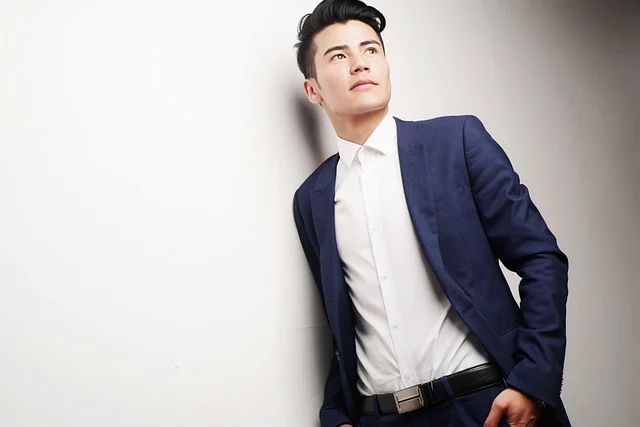
- Choose your anchor piece: Start with one clearly tailored item, such as an unstructured wool blazer, a crisp Oxford shirt, or pleated trousers. This defines the “smart” ceiling for your outfit.
- Select a contrasting casual foundation: Pair your anchor piece with a softer, casual item. If your top is a tailored jacket, opt for slim dark denim or high-density cotton chinos on the bottom.
- Layer for texture: Add visual interest through knitwear or textured fabrics like corduroy, suede, or merino wool rather than bold, distracting patterns.
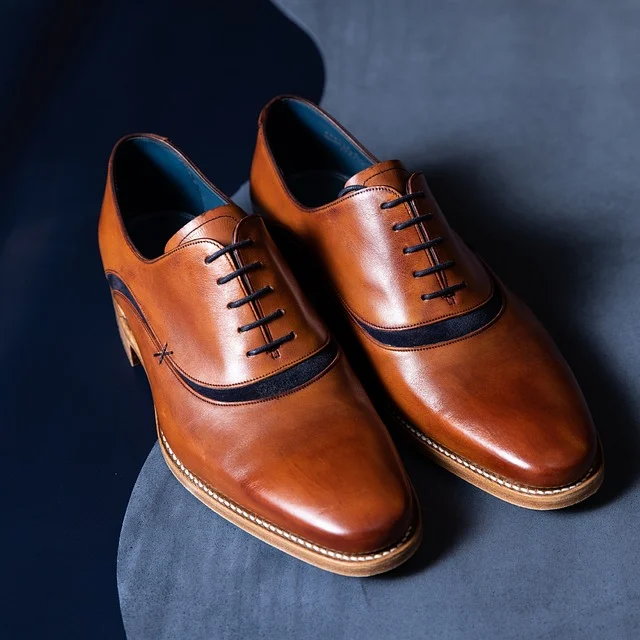
- Ground the look with clean footwear: Finish with polished leather loafers, suede chukka boots, or pristine white leather sneakers depending on how relaxed the event is.
- Check the fit and proportion: Ensure shoulder seams sit on your natural shoulder, trousers break cleanly over your shoes without excessive bagging, and jacket sleeves reveal a fraction of an inch of your shirt cuff.
Core trouser options and comparisons
Your choice of trousers sets the tone for the entire outfit. Moving away from standard dress pants requires trousers that hold shape while maintaining comfort.
The tailored chino
Well-fitted chinos in neutral tones like navy, charcoal, khaki, or olive form the backbone of modern smart casual wardrobes. Choose a slim or straight cut in mid-weight cotton twill with a touch of stretch. Brands like Bonobos and J. Crew consistently deliver reliable cuts that retain their shape through repeated wears.
Chinos pair naturally with tucked button-down shirts for professional environments, or with high-quality knits for social gatherings. Also, they provide structured lines without the stiffness of dress trousers.
Dark wash and selvedge denim
Jeans are completely appropriate for smart casual settings provided they are un-distressed, deep indigo or black, and cut in a slim or tailored straight fit. However, avoid faded washes, rips, contrast stitching, or sagging cuts, which immediately drag an outfit down into pure casual wear.
Pairing dark denim with a tailored jacket and leather loafers creates a reliable balance of structure and ease. The dark indigo dye provides a clean visual line similar to trousers while maintaining the durability of cotton denim.
Tailored wool and flannel trousers
For colder months or slightly elevated events, flat-front wool trousers or brushed flannel pants offer superior warmth and drape. Mid-gray or navy flannel pants paired with a simple polo shirt or sweater deliver sophistication without looking overly corporate.
| Trouser Type | Formality Level | Best Fabrics | Ideal Occasion |
|---|---|---|---|
| Tailored Wool Trousers | High | Tropical wool, brushed flannel | Client dinners, evening events |
| Cotton Chinos | Medium | Cotton twill, stretch cotton | Office days, weekend brunches |
| Selvedge Denim | Medium-Low | Raw or dark indigo denim | Casual Fridays, casual dates |
Selecting shirts and knits
Upper body layers dictate whether your outfit sways formal or relaxed. Quality construction and crisp fabrics are essential.
Button-down shirts
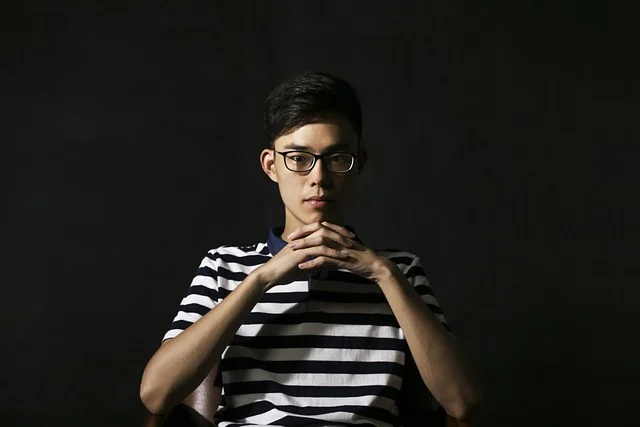
The classic Oxford cloth button-down (OCBD) shirt remains an essential staple due to its textured weave and durable weight. Beyond Oxford cotton, consider lightweight chambray for a subtle slub texture, or breathable linen-cotton blends during warm months. Ensure collared shirts are ironed or steamed, with sleeves that sit right at the wrist bone. A proper fit makes a significant difference in avoiding excess fabric bunching around the waist.
Knit polos and sweaters
Knit polo shirts made from fine-gauge cotton or merino wool offer a refined alternative to woven collared shirts. Crew-neck and V-neck sweaters in fine merino wool or cashmere add a soft layer of warmth over t-shirts or collared shirts. Also, cardigans and knitted polo shirts create a clean, retro-inspired appearance that works well underneath blazers or casual jackets.
Smart casual outerwear and jackets
Outerwear provides the structure that holds casual base items together.
Unstructured blazers
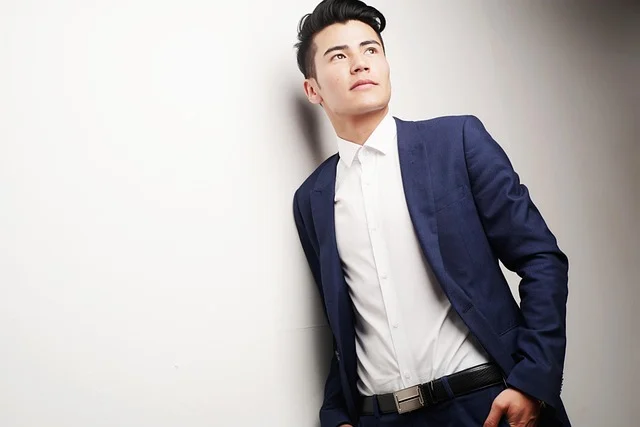
Unlike rigid suit jackets with padded shoulders and heavy canvas linings, an unstructured blazer uses soft tailoring to drape naturally over the body. Constructed from cotton, linen, or light wool, these jackets offer comfort while maintaining crisp lapels and clean shoulder lines. Navy, deep gray, and dark olive are the most versatile color choices.
Chore coats and bomber jackets
If a blazer feels too formal for your destination, a tailored chore coat in heavy cotton canvas or a minimalist suede bomber jacket provides structure without corporate associations. Keep design details clean: minimal zippers, subtle pockets, and neutral colors keep these technical pieces within smart casual boundaries.
Smart casual footwear guide
Footwear anchors the lower half of your body and often dictates the success of the entire outfit. As a result, footwear choices must blend comfort with refined materials.
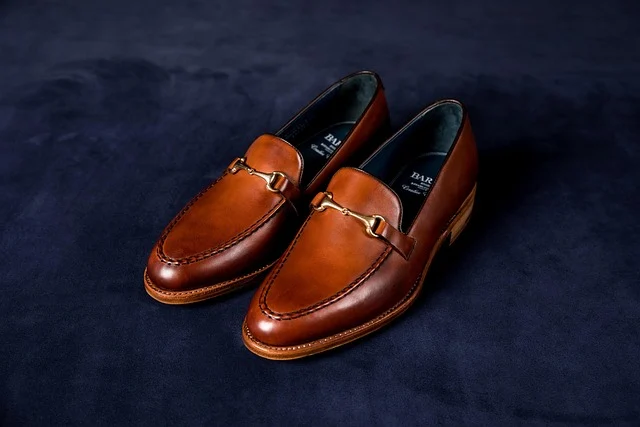
Loafers and driving shoes
Penny loafers, tassel loafers, and suede driving shoes offer a polished finish without requiring dress laces. Dark brown, cognac, and burgundy leather or suede options pair smoothly with both chinos and dark denim. Suede loafers introduce subtle texture while remaining sophisticated.
Minimalist leather sneakers
Low-profile leather sneakers with clean white or off-white soles are widely accepted in modern smart casual dress codes. Stick to simple designs from brands like Common Projects, Veja, or Axel Arigato. However, sneakers must be kept immaculate; scuffed, dirty, or athletic trainers ruin the intended polish.
Desert boots and Chelsea boots
Ankle-high suede or leather boots bridge the gap between relaxed sneakers and refined loafers. Desert boots with crêpe soles add vintage workwear charm to chinos and heavy denim, while sleek leather Chelsea boots extend tailored lines through cooler months.
Accessories, fit, and grooming details
An outfit composed of high-end basics can fail if details and grooming are overlooked. After all, smart casual relies heavily on presentation.
- Belts and Leather Goods: Match your belt material and color roughly to your footwear. A slim leather or woven suede belt completes trousers without pulling focus.
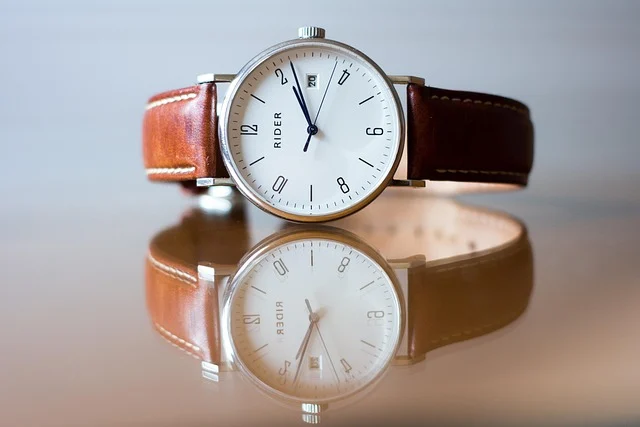
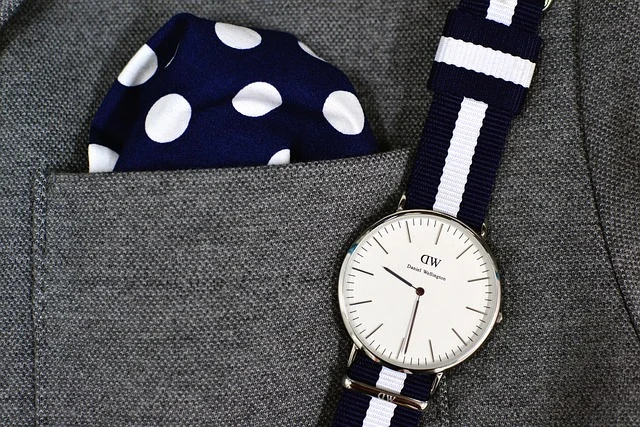
- Watches: Opt for minimalist analog watches, slim leather-strap dress watches, or classic stainless steel sports watches. However, bulky digital fitness trackers look out of place with tailored jackets.
- Fit and Tailoring: Clothes must fit your current physique. Trousers should feature a clean break, shirt side seams should follow your torso, and jacket sleeves should expose a quarter-inch of shirt cuff.
- Personal Grooming: Clean lines in your clothes require neat hair and tidy facial hair. Regular haircuts, maintained beards or clean shaves, and subtle fragrances complete the presentation.
Dressing for specific contexts
Smart casual adapts based on your location, company culture, and time of day.
Smart casual for the office
Focus on the upper end of the smart casual spectrum. Wear tailored chinos or flat-front wool trousers, a tucked Oxford shirt or fine-gauge knit sweater, and an unstructured blazer. Leather loafers or pristine leather sneakers finish the look. Avoid jeans unless explicitly permitted by your workplace guidelines.
Smart casual for social events and dates
Shift toward casual comfort with refined textures. Combine dark selvedge jeans with a knit polo or button-down, layered under a suede bomber jacket or unlined jacket. Opt for suede loafers or desert boots to keep the tone approachable yet deliberate.
Smart casual for travel
Prioritize stretch fabrics and wrinkle-resistant materials. Stretch-cotton chinos, a breathable merino wool sweater, and slip-on loafers or clean leather sneakers allow comfort during long flights while keeping you presentable upon arrival.
Common mistakes and how to fix them
Avoid these frequent errors when putting together your wardrobe:
Wearing true formal items with casual wear
The Mistake: Pairing a shiny wool suit jacket with light-wash, baggy jeans.
The Fix: Keep suit jackets matched to their suit trousers. Use unlined, textured blazers made of cotton, linen, or tweed when pairing jackets with denim or chinos.
Neglecting shoe maintenance
The Mistake: Wearing scuffed suede shoes or dirty white sneakers with crisp chinos.
The Fix: Clean leather sneakers with specialized sneaker cleaner after every few wears, and brush suede boots regularly to maintain fabric texture.
Incorrect garment proportions
The Mistake: Excessively long trousers stacking over shoes, or oversized shirt sleeves pooling at the wrists.
The Fix: Take off-the-rack garments to a local tailor to shorten hems and slim shirt sleeves for a clean, custom appearance.
Advanced style strategies
Take your personal style step further with these practical strategies that go beyond simple color matching:
- Focus on Fabric Quality: Natural fibers such as merino wool, cashmere, linen, and long-staple cotton drape better and last substantially longer than synthetic blends.
- Master Texture Contrast: Pair smooth cotton shirts with rougher suede shoes, or brushed flannel pants with crisp Oxford cloth to create depth without relying on loud patterns.
- Prioritize Sustainability: Choose durable garments made from sustainable materials and transparent manufacturers. Independent organizations like Fashion Revolution emphasize the importance of buying well-made pieces that withstand long-term wear over disposable fast fashion.
Frequently asked questions
What is the single most important item for a smart casual wardrobe?
A well-fitted pair of dark selvedge jeans or tailored navy chinos is the most important foundation piece. These trousers act as a flexible base that pairs equally well with casual t-shirts and elevated blazers.
Can I wear sneakers with smart casual attire?
Yes, clean, minimalist leather or suede sneakers in neutral colors like white, off-white, or navy are widely accepted. Avoid athletic running shoes, brightly colored trainers, or dirty gym footwear.
Is a t-shirt acceptable in smart casual dressing?
A plain, high-quality crew-neck t-shirt in neutral colors like white, gray, or navy is acceptable when layered under a blazer, cardigan, or overshirt. Ensure it is free from logos, graphics, or visible wear.
What jacket works best for smart casual dress codes?
An unstructured wool or cotton blazer is the most versatile option because it provides tailored structure without formal rigidity. Chore coats and suede bomber jackets serve as strong casual alternatives.
How do I elevate a smart casual look for an evening event?
To refine your look for the evening, switch to darker color palettes, choose richer textures like cashmere or suede, and replace casual sneakers with leather loafers or Chelsea boots when choosing footwear.
Are shorts ever considered smart casual?
Shorts are rarely appropriate for smart casual dress codes. While tailored cotton shorts can work in warm resort environments, pants remain the safer and standard choice for almost all smart casual contexts.
What is the main difference between smart casual and business casual?
Business casual lean closer to traditional office wear, typically requiring collared shirts, dress trousers, and formal shoes. Smart casual offers more flexibility, permitting high-end denim, clean sneakers, and soft casual outerwear.
Mastering smart casual attire requires selecting quality basics, ensuring flawless tailoring, and matching your outfit to the event context. By building a foundation of versatile trousers, clean footwear, and soft tailoring, you can create effortless outfits that look intentional and sharp for any occasion.


