








The rise of lab-created gemstones stems from their ability to deliver identical physical, chemical, and optical qualities as mined stones. They also offer guaranteed ethical origin and reduced environmental impact. By providing larger, higher-clarity gems at lower prices, laboratory growth allows buyers to choose bold style without mining trade-offs.
The fine jewelry market has undergone a fundamental transformation. Consumer preferences now pivot toward sustainable production, transparent supply chains, and exceptional material value. Laboratory growth extends far beyond diamonds to encompass sapphires, emeralds, rubies, and alexandrites—all grown under precise thermal and pressure conditions that mirror natural geological processes.
What are lab-created gemstones and how are they made?
Lab-created gemstones are authentic mineral crystals produced in controlled environments rather than extracted from Earth’s mantle. Unlike imitations or simulants, lab-grown gemstones possess identical chemical formulas, crystalline atomic structures, refractive indices, and hardness ratings compared to mined gems. A grown diamond consists of pure carbon crystallized in an isometric lattice with a Mohs hardness of 10. Next, a lab-created sapphire or ruby consists of aluminum oxide (corundum) with a Mohs hardness of 9. Finally, a lab-created emerald consists of beryllium aluminum silicate (beryl) with a Mohs hardness between 7.5 and 8.
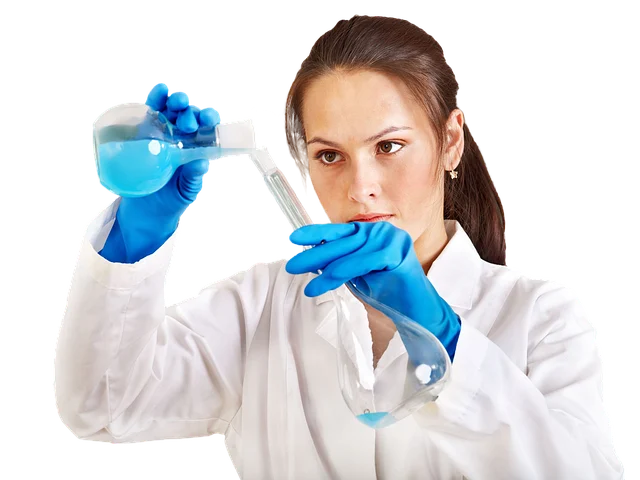
It is crucial to distinguish lab-created gemstones from simulants such as cubic zirconia, glass, or moissanite. Simulants merely resemble the appearance of a gemstone. However, they feature entirely different mineral structures, lower durability, and distinct optical dispersion properties that react differently under light. Synthetic growth methods yield genuine lab-created gemstones that match natural stones down to the atomic level.
Primary technologies used to grow fine gemstones
Gemologists and crystal engineers utilize four primary manufacturing technologies to grow fine gemstones:
- High Pressure High Temperature (HPHT): This method recreates the extreme conditions found 100 miles beneath the Earth’s surface. A small diamond seed crystal is placed in a mechanical press alongside pure carbon source material. Subjected to pressures above 50,000 atmospheres and temperatures exceeding 1,400°C, the carbon melts and crystallizes around the seed. It forms a raw gem-quality diamond over days or weeks.
- Chemical Vapor Deposition (CVD): CVD growth utilizes a sealed vacuum chamber filled with carbon-rich gases such as methane and hydrogen. When energized by microwave plasma, the gas molecules break down. This allows pure carbon atoms to settle layer by layer onto a thin diamond seed plate. CVD technology allows precise control over gas purity and crystal growth rates.
- Hydrothermal Growth: Primary for emeralds and quartz variants, this technique dissolves mineral nutrients in high-pressure water solutions inside sealed steel autoclaves. Heated gradient zones cause the dissolved mineral ions to migrate. They crystallize onto seed crystals over several weeks, replicating natural hydrothermal vein formation.
- Flux Growth: Used extensively for growing fine rubies, sapphires, and alexandrites, flux synthesis dissolves mineral components in a molten chemical compound (flux) at high temperatures. As the mixture slowly cools over months, pure mineral crystals form out of the solution. These create rough gems with natural-looking internal crystal formations.
Why ethical sourcing drives the shift to laboratory growth
Ethical considerations represent one of the main drivers behind consumer adoption of lab-grown fine jewelry. Traditional open-pit and underground gem mining carry significant environmental and human rights challenges. Excavating natural gemstones requires clearing vast tracts of forest, moving millions of tons of earth, and diverting natural waterways. These processes lead to severe soil erosion and habitat destruction.
Humanitarian concerns also persist across traditional mining supply chains. In remote regions, small-scale artisanal mining operations frequently involve dangerous working conditions. They also face substandard wages and local conflict financing. Traceability remains difficult when rough stones pass through multiple international brokers before cutting and setting.
Laboratory manufacturing bypasses these geographic and supply chain vulnerabilities. Because production occurs inside regulated facilities, buyers receive verifiable transparency regarding origin, worker safety, and labor standards. Controlled production ensures no direct association with conflict financing or regional displacement. This process offers guaranteed ethical sourcing from seed crystal to finished setting.
From an environmental perspective, growing stones in facilities requires substantial electrical power. However, it eliminates open-cut land disturbance and heavy earth-moving equipment. When production facilities draw electricity from hydro, solar, or wind power grids, the overall carbon footprint per carat drops sharply compared to traditional mining operations. Industry groups like the Diamond Development Initiative track ongoing efforts across the sector to minimize resource consumption and transition manufacturing facilities toward clean energy grids.
Understanding value: pricing structure and resale realities
The financial advantage of lab-created gemstones stems from manufacturing efficiency, repeatable production, and direct supply chains rather than geological scarcity. Mined diamonds and rare colored gems command steep premium prices due to finite earth deposits, high extraction costs, and complex distribution channels. Lab-grown options eliminate the cost burdens of deep-earth exploration and unpredictable mining yields.
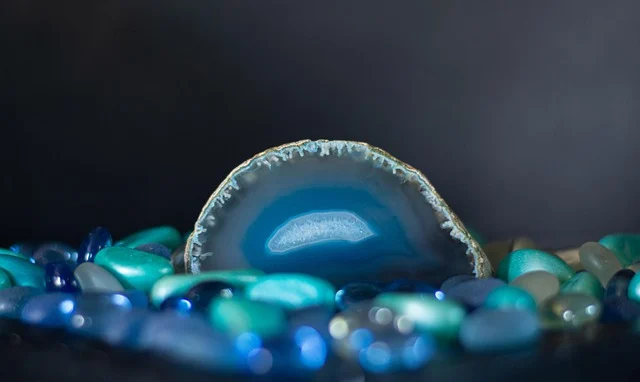
This price structural shift fundamentally alters purchasing power for buyers.
Consider a buyer working with a fixed budget for a center stone:
- Natural Diamond Option: A $3,000 allocation typically yields a 0.70 to 0.85-carat natural diamond with slight color tinting (G-H color grade) and minor visible inclusions (SI1 clarity grade).
- Lab-Created Diamond Option: That same $3,000 allocation can buy a 2.0 to 2.5-carat lab-grown diamond with top-tier optical specifications (D-E color grade, VVS2 clarity grade, and ideal cut proportions).
While the initial purchase value is exceptional, buyers must understand resale dynamics. Natural gemstones retain historical financial valuation due to finite global reserves. This reality makes them suitable for traditional wealth storage despite retail markups. Lab-created gems do not possess geological scarcity. As production technology advances and output increases, liquid resale value for lab gems remains modest. Buyers should evaluate them as wearable luxury items, design choices, and personal style investments rather than speculative financial assets.
How lab gems are driving modern jewelry style and design
The accessibility and physical purity of lab-created gemstones have catalyzed creative expansion across fine jewelry design. Laboratory growth produces high-clarity rough material at accessible price points. Consequently, jewelry designers are no longer constrained by the structural flaws or extreme costs associated with rare mined minerals.
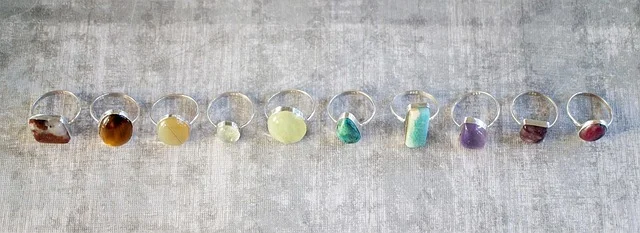
Natural emeralds, for example, inherently contain extensive internal fractures and inclusions known as jardin. This makes them notoriously fragile during setting and daily wear. Hydrothermal lab-grown emeralds feature far greater structural integrity and superior clarity. This stability allows jewelers to set green emeralds into modern flush bezels, tension mounts, and geometric cuts—such as hex, kite, and shield shapes—that would risk fracturing a brittle natural stone.
Designers are also introducing vibrant color palettes into everyday fine jewelry. Rare natural fancy-color diamonds (pink, canary yellow, blue) and rich pigeon-blood rubies carry astronomical price tags. These costs restrict them to museum collections or high-auction pieces. Lab-created color synthesis brings these striking shades to engagement rings, stackable bands, and drop earrings at accessible prices.
In addition, larger carat weights enable dramatic styling options. Dual-stone bypass rings (toi et moi settings), tennis necklaces set with uniform 4mm stones, and multi-gem statement cuffs are now practical choices for personal wardrobes without requiring five-figure budgets.
Comparing lab-created gems, natural gems, and gemstone simulants
Comparing gemstone options requires examining key physical traits, financial considerations, and origin facts across natural stones, lab-grown gems, and non-gemstone simulants:
| Feature | Natural Gemstones | Lab-Created Gemstones | Gemstone Simulants (e.g., Moissanite, CZ) |
|---|---|---|---|
| Chemical Composition | Identical natural mineral matrix (e.g., carbon for diamond) | Identical natural mineral matrix (e.g., carbon for diamond) | Different chemical composition (e.g., silicon carbide or zirconium dioxide) |
| Mohs Hardness Rating | Diamond: 10, Sapphire: 9, Emerald: 7.5–8 | Diamond: 10, Sapphire: 9, Emerald: 7.5–8 | Moissanite: 9.25, Cubic Zirconia: 8–8.5 |
| Optical & Physical Properties | Authentic natural refractive index & brilliance | Identical refractive index & brilliance to natural | Higher dispersion (fire) or lower brilliance; distinct optical pattern |
| Origin & Production | Mined from geological deposits over millions of years | Grown in laboratories under controlled conditions | Synthesized in factories as alternative crystal materials |
| Relative Price Point | Highest cost based on natural scarcity and extraction | 70% to 90% lower cost than natural counterparts | Lowest cost, minimal material expenditure |
| Ethical Traceability | Varies by region; risk of displacement or conflict issues | 100% traceable to facility; no mining footprint | 100% traceable manufactured product |
| Long-term Resale Retention | Higher retention based on historical scarcity | Lower resale value; priced for wear and personal enjoyment | Negligible resale value |
How to buy lab-created gemstones with confidence
Selecting a high-quality lab-created stone requires systematic evaluation of technical grading parameters, origin verification, and setting compatibility. Follow these practical steps to ensure complete purchase confidence:
- Insist on Independent Gemological Certification: Never buy an uncertified lab gem above 0.50 carats. Verify quality through official grading reports from established gemological institutes such as the Gemological Institute of America (GIA) or International Gemological Institute (IGI). These reports verify whether a stone is lab-grown, specify exact dimensions, and grade cut, color, clarity, and carat weight.
- Select the Optimal Growth Method for Diamonds: When purchasing lab diamonds, examine whether the stone was grown via Chemical Vapor Deposition (CVD) or High Pressure High Temperature (HPHT). CVD diamonds often offer superior color purity without internal strain lines, though both methods yield identical physical durability.
- Examine Color Saturations in Colored Gems: For lab sapphires, rubies, and emeralds, assess hue, tone, and saturation. Look for vivid, evenly distributed color throughout the gem rather than overly dark tones that absorb light or overly pale shades that appear washed out.
- Confirm Retailer Transparency and Guarantees: Choose established jewelers who state gem origins explicitly in writing. A reputable vendor clearly identifies the origin of the gemstone on sales receipts, offers multi-year warranties, and provides hassle-free return policies.
- Match Stone Specifications to Metal Settings: When designing custom jewelry around a specific gemstone, select cut and clarity grades that align with your setting choice (see What is Fashion Jewelry? Your Guide to Trendy Accessories for metal setting guide). Cool metals like platinum or 18k white gold show off colorless D-F diamonds, while 18k yellow gold or rose gold mountings pair well with slightly warmer G-H color grades or rich green hydrothermal emeralds.
Who lab-created gemstones suit (and who should choose natural)
Lab-created gemstones offer clear advantages for many consumers, but they are not the ideal choice for every buyer. Understanding your priorities helps narrow the decision:

Lab-created gemstones are best suited for:
- Ethics-Focused Buyers: Consumers who want 100% supply chain transparency and wish to avoid mining-related land disruption or humanitarian risks.
- Value-Oriented Shoppers: Individuals who want to maximize stone size, cut precision, and clarity within a set budget.
- Design Innovators: Wearers who love vibrant fancy colors, rare cuts, and custom settings without paying high-auction premiums.
- Everyday Wearers: Anyone looking for durable, high-clarity jewelry for daily wear without anxiety over losing an irreplaceable heirloom asset.
Natural gemstones remain better suited for:
- Geological Traditionalists: Buyers who place emotional value on natural origin, ancient geological history, and earth rarity.
- Heirloom Investors: Fine jewelry collectors seeking rare, untreated natural stones intended as speculative assets or family wealth pass-downs.
Frequently asked questions
Are lab-created gemstones real gemstones?
Yes. Lab-created gemstones share identical chemical formulas, crystalline atomic structures, hardness ratings, and optical properties with natural mined stones. A lab-grown diamond is real carbon with a Mohs hardness of 10, while a lab-grown sapphire is genuine corundum with a Mohs hardness of 9.
How do lab-created gems differ from cubic zirconia and moissanite?
Cubic zirconia and moissanite are gemstone simulants with completely different chemical compositions and optical behavior. Lab-created gems are identical to natural mineral species, whereas simulants merely copy a gemstone’s outward appearance using different chemical elements.
Can a standard jeweler tell if a gem is lab-created?
A jeweler cannot distinguish between a lab-created gem and a natural gem using a standard magnifying loupe or basic thermal diamond tester. Distinguishing between them requires advanced laboratory equipment that analyzes micro-inclusion patterns, trace element chemistry, and growth cell structures.
Do lab-created gemstones hold resale value over time?
Lab-created gemstones are manufactured consumer products rather than finite geological resources. While they retain functional wear value and personal aesthetic worth, their secondary market resale prices are lower than natural stones, so they should be purchased for enjoyment rather than financial investment.
Are lab-created emeralds and sapphires as durable as natural ones?
Yes, lab-created emeralds and sapphires offer identical or superior physical durability compared to natural gems. In fact, lab-grown emeralds often have fewer structural fractures than natural emeralds, making them less prone to chipping or cracking during daily wear.