













Comparing Round Brilliant and Princess Cut engagement rings reveals that Round Brilliants provide maximum brilliance and overall sparkle, while Princess Cuts offer a modern geometric look and are generally more affordable due to less rough diamond wastage.
As of May 2026, both diamond cuts remain widely popular options. Protective settings give princess cuts practical durability benefits for active lifestyles. Meanwhile, round brilliants deliver timeless symmetry that pairs well with nearly any setting style.
The following guide breaks down their differences in sparkle, facet structure, relative pricing, and setting recommendations. It also provides practical tips and common mistakes to avoid when making your choice.
Facet Anatomy and Light Performance
The primary technical distinction between a round brilliant and a princess cut lies in their geometry, facet arrangements, and light handling behavior. A standard round brilliant diamond features 57 or 58 facets arranged in a symmetrical, circular orientation. Marcel Tolkowsky engineered this specific geometric design to optimize light return through total internal reflection. When light enters the crown of a well-proportioned round brilliant, it reflects off the pavilion facets. It then bounces directly back through the top table, producing maximum overall brilliance (white light return) and balanced, continuous sparkle across the entire face of the stone.
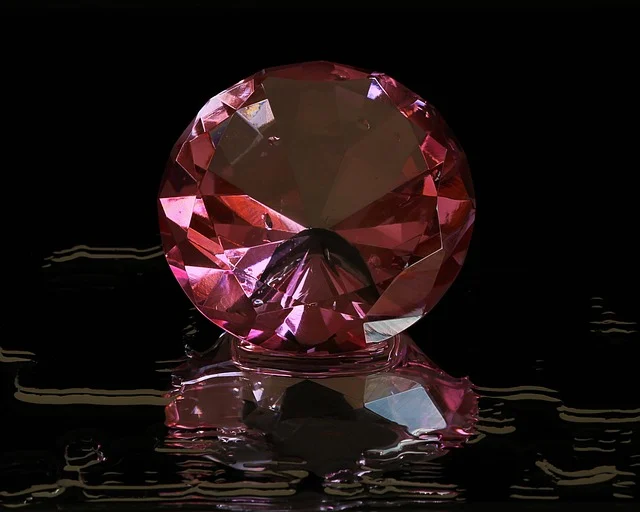
In contrast, a princess cut diamond is a square or rectangular modified brilliant cut with 50 to 58 facets. Its structural profile features an inverted pyramid pavilion and sharp 90-degree corners. Instead of producing uniform, edge-to-edge white light return, a princess cut displays distinct, sharp flashes of light alongside more intense fire—the spectral dispersion of white light into vivid color flashes. Depending on whether the cut features two, three, or four chevron patterns on the pavilion, the scintillation pattern of a princess cut can range from broad, bold flashes to a delicate, needle-like dispersion.
Relative Pricing and Rough Diamond Yield
When comparing purchasing costs as of May 2026, princess cut diamonds are typically more affordable than round brilliant diamonds. These stones share comparable carat weight, color, and clarity. The percentage of rough diamond material retained during the cutting and polishing process drives this cost difference.

Natural rough diamond crystals commonly form in an octahedral (eight-sided double-pyramid) structure. When gem cutters design a princess cut diamond, the shape aligns closely with this natural crystal habit. Cutters lose far less raw material when polishing a princess shape. This higher manufacturing efficiency translates to lower retail costs per carat.
| Cut Type | Rough Yield Retained | 1.00 Carat Price Range (May 2026)* | Primary Sparkle Style |
|---|---|---|---|
| Round Brilliant | ~50% | $5,200 – $7,200 | Maximum overall white brilliance & classic symmetry |
| Princess Cut | ~80% – 85% | $4,000 – $5,500 | Intense fire (color dispersion) & geometric flash |
*Note: Price estimates reflect good to excellent quality grades (e.g., G color, VS1 clarity) from mainstream diamond vendors as of May 2026.
As of May 2026, a 1-carat princess cut diamond of good to excellent quality (e.g., G color, VS1 clarity) typically ranges from $4,000 to $5,500, though final pricing varies based on specific diamond proportions, polish, symmetry, and retail channel. A round brilliant of identical weight and quality specifications generally commands a higher price due to sustained high consumer demand and greater material loss during cutting.
Durability, Wearability, and Protective Settings
Durability behavior differs notably between round brilliants and princess cuts due to their structural outlines and corner characteristics.
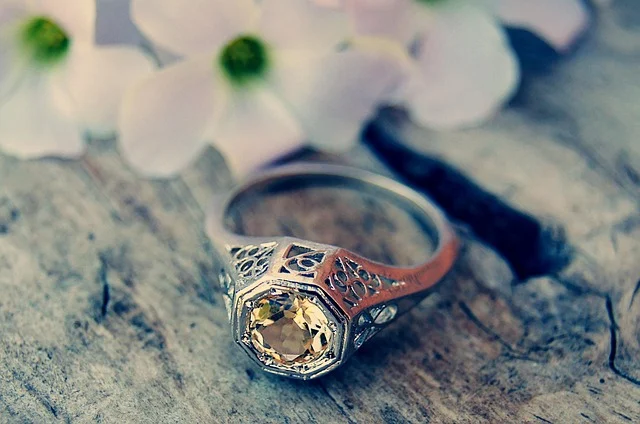
The princess cut is generally considered durable because its straight side edges and linear walls are less prone to chipping. However, its four 90-degree corners end in sharp point tips that represent structural vulnerability points if struck hard. To mitigate this risk, choose a setting that covers and shields the four corners for active lifestyles.
A round brilliant cut has no sharp points or angular corners, eliminating single-point vulnerability. However, its smooth girdle can occasionally snag on loose fabrics if mounted in a high-set prong setting without smooth tipping.
Recommended Settings for Princess Cuts
Can a princess cut diamond be set in a solitaire setting? Absolutely. A solitaire setting beautifully showcases a princess cut diamond. However, you must select a setting where prongs adequately protect the diamond’s four sharp corners. Top protective mounting choices include:
- V-Prong (Chevron) Solitaires: Caps wrap snugly around each 90-degree corner, absorbing lateral impacts while keeping the stone’s center unobstructed.
- Bezel and Semi-Bezel Mounts: Metal completely encases the diamond’s perimeter or corners, establishing a flush protective wall suitable for daily hands-on activity.
- Halo Settings: A perimeter band of accent stones buffers the center stone from side impacts while adding overall visual width.
Recommended Settings for Round Brilliants
- 6-Prong Solitaires: Offers supreme security while reinforcing the round, balanced silhouette.
- 4-Prong Solitaires: Maximizes side profile visibility and allows light entry from multiple angles.
- Pave and Vintage Bands: Accentuates circular symmetry with delicate metalwork, milgrain, or side stones.
Selection Strategy: Navigating Color, Clarity, and Cut Metrics
Choosing the right combination of color, clarity, and cut parameters requires different approaches depending on whether you choose a round or square diamond:
- Color Considerations: Round brilliant diamonds conceal body color extremely well due to intense top-light reflection. Buyers can often drop to an H or I color grade in a round brilliant without detecting warmth. Princess cuts concentrate color slightly more near their corners; to ensure a crisp, white appearance in platinum or white gold mounts, experts recommend choosing a G color grade or higher.
- Clarity Considerations: The dense, multifaceted light pattern of a round brilliant masks minor internal characteristics, making VS2 or SI1 clarity grades high-value choices. For princess cuts, ensure that eye-visible inclusions or feathers are not located directly inside or near the sharp corners. Internal flaws near corner points increase structural weakness during setting.
- Cut Grade Metrics: Standard laboratory reports (such as GIA certificates) issue an official Cut Grade (e.g., Excellent, Very Good) for round brilliant diamonds. For princess cuts, gem laboratories evaluate Polish and Symmetry rather than assigning an overall cut grade. When evaluating a princess cut, review table percentage (aiming for 68%–75%) and depth percentage (aiming for 68%–75%) to verify solid proportional proportions.
Decision Guide: Matching Cut to Style and Lifestyle
Which cut is better for an engagement ring: round brilliant or princess? There is no single ‘better’ cut; it depends on personal style preference, budget priorities, and daily routine. Choose a round brilliant for maximum classic sparkle, soft continuous curvature, and maximum setting versatility. Opt for a princess cut for a modern geometric look, distinct fire, lower price per carat, and solid structural wearability when fitted with protective corner prongs.
Who Should Choose a Round Brilliant Cut
- Buyers seeking timeless, traditional ring aesthetics that remain universally popular.
- Wearers focused on achieving maximum total brilliance and white light bounce.
- Individuals who want complete freedom to choose any setting style or custom mount.
Who Should Choose a Princess Cut
- Wearers who prefer clean, architectural lines and modern, geometric jewelry design.
- Budget-conscious buyers aiming to maximize carat weight for a specific spend target.
- Active wearers planning to mount the stone in a V-prong or bezel ring setting.
Who This Advice May Not Suit
This comparison focuses specifically on brilliant-style faceting patterns. Buyers seeking a soft, low-sparkle vintage aesthetic or step-cut mirror clarity may prefer different options. Vintage cuts or step cuts (such as emerald or Asscher shapes) might be better suited to their preferences. Additionally, buyers who dislike checking prong tightness periodically should avoid exposed prong mounts for angular stones.
Common Buyer Mistakes and Practical Fixes
- Exposing Princess Corners in Standard Rounded Prongs: Mounting a square stone in thin round prongs leaves the vulnerable 90-degree points exposed. Fix: Specify chevron V-prongs or a partial bezel setting when selecting the mount.
- Judging Surface Footprint by Carat Weight Alone: Princess cuts carry more depth in their inverted pyramid base. Thus, a 1-carat princess cut may have a slightly smaller millimeter face-up footprint than a 1-carat round brilliant. Fix: Compare length and width measurements in millimeters alongside carat weight.
- Accepting Corner Inclusions on Princess Cuts: Inclusions situated near the points of a princess cut create internal stress lines. Fix: Request plot diagrams to confirm inclusions sit centrally, away from the four corners.
- Overpaying for High Clarity in Round Brilliants: Buying VVS1 or FL clarity in a round brilliant yields little visual improvement over an eye-clean VS2 stone due to the shape’s high light reflection. Fix: Prioritize cut grade over flawless clarity ratings.
Frequently asked questions
What is the difference in sparkle between a round brilliant and princess cut?
A round brilliant cut is designed for maximum overall brilliance and balanced sparkle. A princess cut often displays more intense fire (colorful flashes) and distinct, sharp flashes of light due to its unique faceting pattern.
Which diamond cut is more durable, round brilliant or princess cut?
Jewelers generally consider the princess cut more durable because its less rounded edges chip less easily, especially when a secure setting protects the sharp corners. Round brilliants are also durable, but their rounded shape can sometimes snag.
Are princess cut diamonds cheaper than round brilliants?
Yes, as of May 2026, princess cut diamonds are typically more affordable than round brilliant diamonds of comparable size, color, and clarity due to less rough diamond wastage during the cutting process.
Which diamond cut is more popular in 2026?
The Round Brilliant cut remains the most popular diamond shape globally. However, the Princess Cut has seen a steady rise in popularity due to its modern aesthetic and attractive price point.
How much does a 1-carat princess cut diamond cost in 2026?
As of May 2026, a 1-carat princess cut diamond of good to excellent quality (e.g., G color, VS1 clarity) typically ranges from $4,000 to $5,500, though prices can vary significantly based on specific grading and retailer.
Source: Vogue


