











Streetwear culture history began in late 1970s California surf and skate scenes alongside early New York City hip-hop, evolving from practical DIY subcultural clothing into a global multi-billion-dollar fashion force. Unlike traditional apparel lines, it originated on pavement, beaches, and performance venues, prioritizing comfort, functional movement, and vivid graphic design.
This article details the regional movements and eras that drove this four-decade transformation, including early surf and skate subcultures, the defining aesthetic of early hip-hop, 1990s Japanese Harajuku culture, 2000s internet hype communities, and the 2010s adoption of streetwear by luxury fashion houses.
Streetwear Culture History: Origins, Evolution, and Global Impact
Streetwear culture history began in late 1970s California surf and skate scenes alongside early New York City hip-hop, evolving from practical DIY subcultural clothing into a global multi-billion-dollar fashion dominant force. It expanded through 1990s Japanese Harajuku culture, 2000s online hype communities, and 2010s luxury runway integrations.
Unlike traditional apparel lines generated inside high-fashion ateliers, streetwear originated on pavement, beaches, and performance venues. It prioritized comfort, functional movement, vivid graphic design, and subcultural signaling. To understand how casual graphic t-shirts and athletic sneakers reshaped the entire apparel market, one must examine the specific social movements and regional creative pockets that drove this transformation over four decades.
How did surf and skate subcultures shape early streetwear?
In Southern California during the late 1970s and early 1980s, surf culture demanded apparel that was durable, practical, and casual. Early surf brands like Quiksilver and O’Neill produced functional board shorts, heavy cotton shirts, and casual tops tailored to outdoor coastal living.

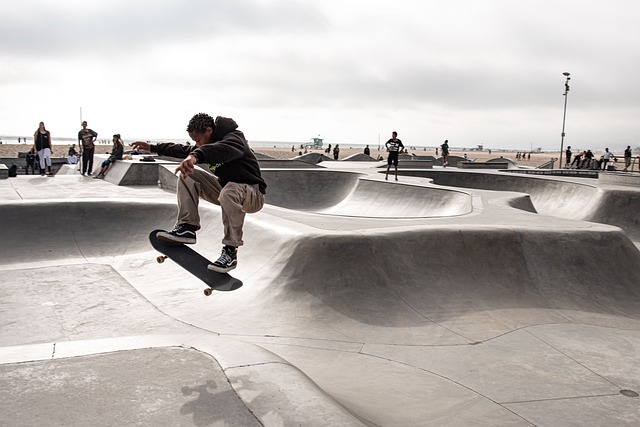
By the 1980s, skateboarding adopted a similar practical requirement but added an aggressive edge. Skaters needed resilient apparel capable of surviving concrete abrasive falls while allowing complete physical movement. Baggy denim pants, durable canvas shoes, and screen-printed graphic tees became the standard uniform.
Pioneering skate companies such as Powell-Peralta and Vision Street Wear recognized that clothing offered an avenue for artistic expression and group identity. Screen-printed skate decks served as mobile canvases for provocative art, and that visual language transferred directly onto graphic t-shirts. Shawn Stussy, who began scribbling his signature on custom surfboards before putting it on plain black and white t-shirts, established a template for independent graphic clothing labels.
What role did early hip-hop play in defining the aesthetic?
Concurrently in the late 1970s and early 1980s, the Bronx in New York City birthed hip-hop culture. For youth living in urban environments, clothing functioned as a vital visual medium for identity, pride, and personal expression.
Early hip-hop artists, breakdancers, and DJs championed athletic apparel and casual sportswear. Nylon tracksuits, leather bomber jackets, Kangol bucket hats, Fila sportswear, and thick gold jewelry became central elements of the aesthetic. Footwear held immense status, particularly clean athletic sneakers like the Adidas Superstar and Puma Suede.
Fashion served as an intentional statement of belonging and cultural pride. A defining historical event occurred in 1986 when hip-hop trio Run-DMC released their track “My Adidas.” Their organic endorsement led Adidas to sign a million-dollar endorsement deal with the group, marking the first major commercial bridge between hip-hop musicians and a global sportswear enterprise.
According to research from the Fashion Institute of Technology (FIT), the intersection of hip-hop and streetwear established clothing as a narrative tool capable of challenging established high-fashion norms.
How did the 1990s expand streetwear into global youth culture?
During the 1990s, streetwear transitioned from hyper-local subcultures into broader youth awareness across North America and Europe. Television networks like MTV and popular sitcoms broadcast urban style to suburban audiences, driving demand for relaxed silhouettes and graphic apparel.
Traditional American preppy labels took notice. Brands such as Tommy Hilfiger and Ralph Lauren began adapting their designs, incorporating oversized cuts, bold primary colors, and prominent logos. Hip-hop artists embraced these luxury prep items, turning preppy heritage garments into streetwear staples through subversive styling.
Athletic companies expanded their technological and visual boundaries. Nike introduced groundbreaking footwear like the Air Max 90 and Air Max 95, while Adidas developed the Equipment (EQT) series. These technical running shoes were quickly adopted as lifestyle fashion, laying the foundation for sneakerhead subculture. Dedicated collectors began hunting down limited colorways, store-exclusive releases, and regional imports.
The mid-1990s also birthed core skate-streetwear labels that established modern release strategies. Founded in 1994 on Lafayette Street in New York City by James Jebbia, Supreme opened as a neighborhood skate shop catering to downtown skaters and artists. An article in The Business of Fashion highlighted how Supreme’s early strategy of small production batches and unannounced drops created a blueprint for aspirational consumption in streetwear.
What was the Tokyo movement and the Urahara effect?
While American skate and hip-hop culture expanded, a distinct movement emerged in Japan during the 1990s. Centered in Tokyo’s Harajuku district—specifically the backstreets known as Ura-Harajuku (Urahara)—Japanese creators developed an influential vision of streetwear.
In 1993, Tomoaki Nagao (known as Nigo) founded A Bathing Ape (BAPE). Influenced by American pop culture, vintage military garments, and cinema, BAPE featured signature camouflage patterns and bold monkey motifs. Other Urahara figures, including Shinsuke Takizawa of Neighborhood and Hiroshi Fujiwara of Fragment Design, built brands rooted in motorcycle subculture, Punk rock, and meticulous craftsmanship.
Japanese streetwear prioritized premium heavyweight cottons, raw denim selvedge, intricate embroidery, and strict distribution limits. This created an international mystique; Western musicians and tastemakers travelled to Tokyo specifically to buy rare Japanese garments, establishing a bi-directional cultural exchange between East and West.
Comparing key streetwear eras and movements
To see how streetwear shifted across regions and decades, compare the defining characteristics of each core movement:
| Era & Movement | Primary Influences | Key Garments & Styles | Cultural Drivers |
|---|---|---|---|
| 1970s–1980s Surf & Skate | California beach life, DIY skate graphics | Board shorts, graphic tees, canvas sneakers | Practical durability, youth rebellion |
| 1980s–1990s Hip-Hop | NYC rap music, urban street life, athletic culture | Tracksuits, leather bombers, chunky sneakers, gold chains | Identity expression, status, subcultural pride |
| 1990s Japanese Urahara | Americana, military vintage, underground music | Camo prints, raw selvedge denim, graphic hoodies | Meticulous craftsmanship, extreme scarcity |
| 2000s Internet & Hype | Online forums, digital blogs, sneaker collecting | Box logo tees, limited sneakers, branded caps | Secondary resale markets, digital community building |
| 2010s–Present Luxury Crossover | High-fashion runways, celebrity artistic directors | High-end sneakers, tailored hoodies, runway collabs | Mainstream market dominance, luxury validation |
How did the internet and hype culture change the market in the 2000s?
The emergence of online forums and digital publishing in the 2000s fundamentally reshaped streetwear culture history. Early web forums such as NikeTalk, SuperFuture, and StyleForum allowed enthusiasts from around the world to swap information, trade rare sneakers, and discuss releases in real time.
Dedicated digital blogs like Hypebeast and Complex became primary news hubs, cataloging daily drops, footwear leaks, and regional store openings. Online access flattened geographic barriers, enabling independent brands to build international followings without relying on traditional print magazines or physical retail stockists.
This digital shift gave rise to modern hype culture. Scarcity was no longer merely a byproduct of small manufacturing budgets; it became a deliberate marketing strategy. Physical queues outside boutiques grew into massive media events. The secondary resale market flourished as rare items sold for multiples of their original retail price. Platforms like StockX and GOAT eventually formalized this aftermarket into a multi-billion-dollar trade.
Collaborations also matured into essential strategic tools. Major sportswear brands partnered with high-fashion designers and contemporary artists. Examples included Adidas teaming up with Japanese designer Yohji Yamamoto to launch Y-3 in 2002, and Nike partnering with artist KAWS. These projects demonstrated that athletic wear could be reframed as elevated luxury product.
How did luxury fashion adopt streetwear in the 2010s and beyond?
The 2010s marked the complete absorption of streetwear into high fashion. Luxury houses, long accustomed to top-down seasonal trend dictates, realized that youth culture and digital engagement were driving actual consumer purchasing power.
Runways in Paris, Milan, and New York began featuring oversized hoodies, heavy graphic tees, cross-body bags, and chunky luxury sneakers. Key figures bridged the historical divide between street subculture and luxury ateliers. Designer Virgil Abloh, who launched Off-White in 2013, brought architectural theory and streetwear aesthetics to high fashion, eventually becoming artistic director of Louis Vuitton’s menswear line in 2018.
By the end of the decade, luxury houses routinely partnered with core streetwear labels. The landmark 2017 collaboration between Louis Vuitton and Supreme symbolized the official unification of luxury fashion and street culture. According to Statista, the global streetwear market continued its strong trajectory, demonstrating sustained consumer demand across global regions.
Modern streetwear continues to adapt. Sustainable production practices, organic cottons, circular resale, and digital archives have become focal points for conscious consumers evaluating brand values.
Key streetwear culture history milestones
To better grasp its trajectory, consider these key moments:
- 1970s–Early 1980s: Roots in surf and skate culture (California) and the birth of hip-hop (New York City).
- Mid-1980s: Iconic collaborations like Run-DMC and Adidas, popularization of athletic footwear and tracksuits.
- Late 1980s–1990s: Rise of skate brands (Supreme), athletic brands expand (Nike, Adidas), early streetwear fashion houses (Tommy Hilfiger), and Japanese Urahara development (BAPE).
- 2000s: Internet fuels ‘hype culture,’ rise of blogs (Hypebeast), increased brand collaborations, emergence of early luxury crossovers like Y-3.
- 2010s–Present: Mainstream and luxury integration, celebrity designers (Virgil Abloh), global market dominance, secondary resale platforms, and sustainable production focus.
Common misconceptions in understanding streetwear history
Many misunderstand streetwear’s evolution by focusing solely on recent trends or high-profile drops. This overlooks the foundational elements that gave it its authentic voice.

A common mistake is equating modern hype culture with its origins. While both involve demand and collectibility, the early days of streetwear were deeply tied to specific subcultural identities and a sense of rebellion. Focusing only on resale value misses the cultural significance. Another pitfall is ignoring global contributions; streetwear’s narrative is not solely American but a rich international history woven with influences from Europe, Japan, and beyond.
Practical ways to engage with streetwear culture authentically
Here are practical ways to engage with the culture thoughtfully:
- Understand the Roots: Before diving into the latest drops, research the history. Knowing the origins of a brand or style adds appreciation.
- Focus on Authenticity: True streetwear culture values originality and genuine expression over fleeting trends or excessive spending on resale.
- Community Engagement: Connect with communities online or in person. Forums, local skate parks, or music venues can offer genuine insights.
- Quality Over Quantity: Invest in well-made pieces that have cultural significance rather than chasing every new release.
- Be Mindful of Resale: Understand the resale market but do not let it define your personal style or budget. True value lies in the culture, not just the price tag.
For those interested in building a streetwear wardrobe without overspending, exploring vintage markets or focusing on brands with strong historical roots can be more rewarding. See these tips on affordable streetwear finds.
Frequently asked questions
What is the earliest known origin of streetwear?
Streetwear’s origins are often traced back to the surf and skate cultures of California in the 1970s, emphasizing casual, durable apparel. The burgeoning hip-hop scene in New York City concurrently developed its own distinct style using athletic wear and bold graphics.
How did hip-hop influence streetwear?
Hip-hop artists adopted tracksuits, sneakers, and statement jewelry as symbols of identity and success. Iconic moments, like Run-DMC’s partnership with Adidas, cemented the link between music and fashion, turning streetwear into a visual language for the genre.
When did streetwear become mainstream?
Streetwear began its significant shift into the mainstream during the 1990s, with brands like Tommy Hilfiger and Ralph Lauren incorporating urban influences. This trend accelerated in the 2010s as high-fashion designers embraced streetwear aesthetics, integrating them into luxury collections.
What are the key differences between early streetwear and today’s market?
Subcultural authenticity and functional design primarily driven early streetwear. Today’s market is heavily influenced by hype culture, massive global collaborations, luxury brand integration, and a significant resale economy, though authentic roots remain important.
What role do sneakers play in streetwear history?
Sneakers are fundamental to streetwear history. They originated in sports and skate culture, becoming essential items for self-expression and status. The rise of sneaker collecting (‘sneakerheads’) and limited-edition releases are central to streetwear’s evolution.


