













An effective basic routine of Skin Care for beginners requires only three steps: a gentle cleanser to remove dirt, a daily moisturizer to maintain hydration, and a broad-spectrum sunscreen with SPF 30 or higher to protect against sun damage. Following this core regimen twice daily establishes a healthy skin barrier before you add targeted treatments or serums.
Starting a simple skincare routine protects your skin barrier, reduces irritation, and prevents long-term UV damage. Skipping complex multi-step trends allows you to build consistency with affordable, foundational products that deliver noticeable results over time.
Skin care for beginners: how to find your skin type
Selecting effective skincare products requires knowing your skin type. Skin characteristics depend on natural oil production, moisture retention, and sensitivity to environmental factors. Applying products formulated for oily skin onto a dry face can cause tight, flaky patches, while heavy cream formulas on oil-prone skin can block pores.

To determine your skin type at home, perform the simple bare-face test:
- Wash your face with a gentle, non-stripping cleanser and lukewarm water.
- Gently pat your skin dry with a soft towel.
- Leave your face bare without applying any creams, serums, or lotions for 30 minutes.
- Observe how your face looks and feels in natural lighting.
Watch for the defining signs of each main skin category:
- Dry skin: Feels tight or itchy, appears dull, and shows flaking or rough patches, particularly around the cheeks and mouth.
- Oily skin: Displays a visible shine across the entire face, particularly in the T-zone (forehead, nose, and chin), with enlarged, visible pores.
- Combination skin: Features excess oil and shine through the T-zone while the cheeks feel normal or dry.
- Sensitive skin: Flushes easily, stings when applying active products, and exhibits frequent redness or dry patches.
- Normal skin: Feels comfortable and balanced, showing no excessive shine, redness, or dry tight areas.
Matching skin types to product formulas
Different skin types need specific textures and ingredients to maintain hydration without clogging pores or triggering irritation.

| Skin Type | Cleanser Texture | Moisturizer Consistency | Key Ingredients to Look For | Ingredients to Avoid |
|---|---|---|---|---|
| Dry | Cream or lotion cleanser | Rich, thick cream | Ceramides, hyaluronic acid, glycerin, shea butter | Denatured alcohol, strong synthetic fragrances, physical scrubs |
| Oily | Gentle foaming or gel wash | Lightweight oil-free gel | Niacinamide, salicylic acid, hyaluronic acid | Heavy oils (coconut oil, cocoa butter), petroleum jellies |
| Combination | Balancing gel wash | Lightweight fluid or gel-cream | Glycerin, hyaluronic acid, ceramides | Heavy occlusives on the T-zone, harsh astringents |
| Sensitive | Non-foaming cream cleanser | Soothing, fragrance-free cream | Colloidal oatmeal, ceramides, squalane | Essential oils, artificial fragrances, glycolic acid, denatured alcohol |
| Normal | Gentle foaming or lotion wash | Medium-weight lotion | Peptides, antioxidants, ceramides | Overly aggressive physical scrubs |
The three core steps for every basic routine
Every reliable regimen centers on three foundational steps: cleansing, moisturizing, and sun protection. Mastering these core steps keeps your skin barrier healthy and intact.

Cleansing to remove oil and environmental buildup
Cleansing removes oil, sweat, dead skin cells, makeup, and airborne pollutants that accumulate throughout the day. Using harsh bar soaps or stripping cleansers damages the surface lipid layer, causing rebound oil production or chronic skin dryness.
Select a sulfate-free, pH-balanced cleanser that leaves skin clean without feeling tight or squeaky. Washing twice a day—once in the morning and once at night—prevents clogged pores. If you wear heavy makeup or water-resistant sunscreen, use micellar water or a gentle cleansing oil first to dissolve the top layer before applying your water-based cleanser.
Moisturizing to repair and lock in moisture
Moisturizers support the skin barrier by holding water in the outer layers and replenishing essential lipids. Every skin type benefits from moisturizing, including oily skin. When oil-rich skin lacks surface water, sebum glands overcompensate by producing more surface oil.
Effective moisturizers blend three main functional ingredients:
- Humectants: Ingredients like hyaluronic acid and glycerin pull water into the outer layer of skin.
- Emollients: Ingredients like squalane and fatty acids smooth rough surface texture and fill micro-gaps between skin cells.
- Occlusives: Ingredients like petrolatum, dimethicone, and ceramides form a protective surface barrier to stop water loss.
Sunscreen for daily UV protection
Daily sunscreen protection guards against ultraviolet radiation (UVA and UVB rays). UVA rays cause premature aging, collagen breakdown, and dark spots, while UVB rays cause sunburns. Regular sunscreen application lowers the risk of skin cancer and prevents dark marks from acne breakouts.
Select a broad-spectrum sunscreen with an SPF of 30 or higher every morning. Mineral sunscreens rely on zinc oxide or titanium dioxide to bounce UV rays off the skin, making them ideal for sensitive skin. Chemical sunscreens use organic filters to absorb UV light and blend easily into darker skin tones without leaving a white residue. According to the American Academy of Dermatology Association, applying a broad-spectrum SPF 30 or higher daily is necessary for all skin tones, regardless of weather conditions.
How to apply your morning and evening routine
Applying products in the correct sequence ensures proper absorption. The general rule is to apply formulas from thinnest consistency to thickest consistency.

Follow this daily sequence to maintain a healthy skincare routine:
Morning routine order
- Cleanse: Wash with lukewarm water or a gentle cleanser to clear overnight oils and sweat.
- Moisturize: Apply a light layer of moisturizer to slightly damp skin to lock in hydration.
- Protect: Apply half a teaspoon (roughly two fingers’ length) of sunscreen over your face and neck as the final step. Wait 15 minutes before sun exposure or makeup application.
Evening routine order
- Cleanse: Wash thoroughly with a gentle cleanser to remove daily dirt, excess oil, and sunscreen. If wearing heavy makeup, double-cleanse using micellar water followed by your normal cleanser.
- Moisturize: Apply a nickel-sized amount of a rich moisturizer over your face and neck to aid skin repair overnight.
When and how to add targeted serums
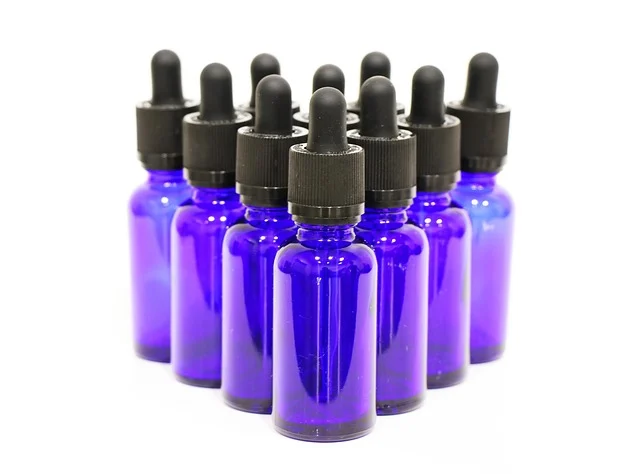
Once you maintain a core routine for 4 to 6 weeks without irritation, you can add targeted serums to address specific issues like dark spots, active acne, or dull texture. Serums contain concentrated active ingredients in lightweight liquid or gel bases.
Hydrating and barrier-repairing actives
Beginner-friendly actives boost moisture levels and calm surface redness without damaging the skin barrier:
- Hyaluronic acid: Draws surface moisture into dry skin. Apply to damp skin immediately after cleansing before sealing it in with moisturizer.
- Niacinamide (Vitamin B3): Regulates oil production, calms redness, and strengthens barrier lipids. Formulations with 2% to 5% concentrations work best without causing irritation.
Exfoliating acids and targeted treatments
Chemical exfoliants remove dead skin cells to unblock pores and smooth uneven skin texture. Unlike harsh physical scrub brushes, chemical exfoliants gently dissolve the bonds holding dead cells on the surface.
- Salicylic acid (BHA): Oil-soluble acid that penetrates deep into pores to dissolve clogged oil and dead skin, making it suitable for blackheads and breakouts.
- Lactic acid or Glycolic acid (AHA): Water-soluble acids that exfoliate the surface of dry skin to boost radiance and texture.
- Vitamin C (L-Ascorbic Acid): Antioxidant serum applied in the morning under sunscreen to protect against free radicals and brighten dark spots.
Introduce new serums one at a time. Apply a new product twice a week for two weeks before increasing frequency. If redness, peeling, or stinging develops, stop using the treatment until skin recovers.
Common beginner mistakes and fixes
Avoiding frequent mistakes keeps your skin barrier healthy and prevents sudden breakouts or flare-ups.

- Over-exfoliating: Scrubbing daily or mixing multiple acid products strips the protective skin barrier. This causes burning, extreme tightness, shiny redness, and increased breakouts. Fix this by stopping all active acids for two weeks and relying strictly on a mild cleanser and ceramide moisturizer.
- Testing too many products at once: Starting three new products in one week makes it impossible to pinpoint which formula caused an allergic flare-up or breakout. Introduce single items two weeks apart.
- Using hot water: Washing your face with hot shower water dehydrates skin and breaks delicate surface capillaries. Always wash with lukewarm or cool water.
- Skipping patch testing: Applying a new product over your entire face can cause widespread contact dermatitis. Test a pea-sized amount on your inner forearm or behind your ear for 24 hours to monitor for redness or swelling.
- Expecting overnight results: Skin cells take roughly 28 days to turn over. Give a consistent basic routine 4 to 12 weeks to show measurable improvements.
Starter product options and trade-offs
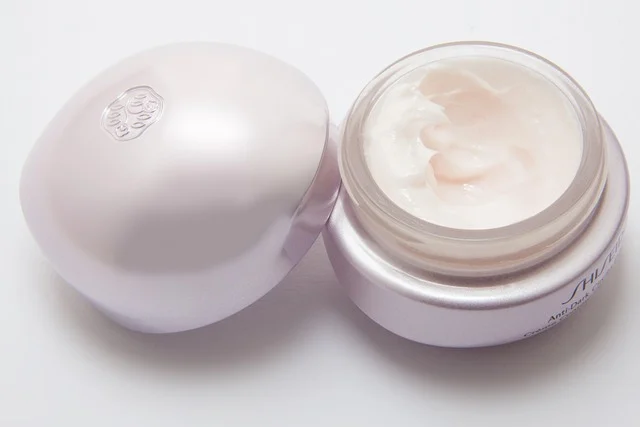
Establishing an effective routine does not require high expense. Drugstore formulas offer research-backed ingredients at lower costs. Choosing between mineral and chemical sunscreens or heavy creams versus light gel formulas involves trade-offs based on skin comfort and finish.
- Gentle cleansers: CeraVe Hydrating Facial Cleanser, La Roche-Posay Toleriane Hydrating Gentle Cleanser, and Vanicream Gentle Facial Cleanser clean effectively without stripping lipids. Cream formulas remove light debris well, though oily skin types may prefer a mild gel option like Cetaphil Daily Facial Cleanser.
- Moisturizers: CeraVe Moisturizing Cream offers ceramides and hyaluronic acid for dry skin, though it may feel heavy on oily skin. Cetaphil Moisturizing Lotion provides light hydration for daily use. Neutrogena Hydro Boost Water Gel offers an oil-free gel texture for oily skin, though fragranced versions can irritate sensitive skin.
- Sunscreens: EltaMD UV Clear Broad-Spectrum SPF 46 contains niacinamide to soothe acne-prone skin, though it carries a higher price point. Supergoop! Unseen Sunscreen SPF 40 delivers an invisible, clear finish with zero white cast, though its velvety silicone texture feels heavy to some users. Coppertone Defend & Care Oil-Free Sunscreen SPF 50 provides affordable protection, though it requires extra rubbing to blend into darker skin tones.
Frequently asked questions
How often should beginners wash their face?
Beginners should wash their face twice daily: once in the morning to remove overnight oils and once in the evening to clear grime, sunscreen, and pollutants. If you have extremely dry or sensitive skin, rinsing with lukewarm water in the morning and using a cleanser at night is sufficient.
What is the single most important skincare product for beginners?
Broad-spectrum sunscreen with SPF 30 or higher is the most critical product in any skin routine. Sunscreen prevents cellular skin damage, dark spots, fine lines, and skin cancer caused by daily UV exposure.
How long does it take to see results from a new basic skincare routine?
Visible changes in skin texture, moisture levels, and clarity generally take 4 to 12 weeks. Consistency with your cleanser, moisturizer, and sunscreen gives your skin cells adequate time to repair and turn over.
Are expensive luxury skincare products necessary to get clear skin?
No, high-priced skincare products are not necessary to achieve healthy skin. Dermatologist-tested drugstore brands contain the same key active ingredients, like ceramides, hyaluronic acid, and niacinamide, as high-end luxury products at a fraction of the cost.
What should you do if a product causes burning or redness?
Rinse your face immediately with cool water and discontinue using the product. Stick strictly to a basic, fragrance-free cleanser and plain moisturizer until your skin barrier heals and redness fades completely.
Building a successful skin care routine for beginners comes down to simplicity and daily consistency. Focus on mastering gentle cleansing, daily moisturizing, and strict sun protection before adding extra treatments. Listening to your skin’s daily feedback ensures long-term barrier health and clear results.


