








Amiri jeans are luxury, Italian-crafted denim garments known for their Los Angeles rock-and-roll aesthetic, signature hand-distressing, and ultra-slim stacked fit. Founded by Mike Amiri in 2014, the brand uses premium Japanese stretch denim and bespoke artisanal details—such as hand-pleated leather patches and surgical slashes—to create high-end designer streetwear denim.
What defines the design and materials of Amiri denim?
Mike Amiri launched his namesake brand in 2014, working initially out of a basement studio beneath Sunset Boulevard in Los Angeles. Drawing inspiration from Hollywood music history, 1980s hard rock, and 1990s grunge culture, he translated vintage stage attire into high-end luxury ready-to-wear garments. This fusion of West Coast youth culture and luxury garment construction forms the foundation of every collection.
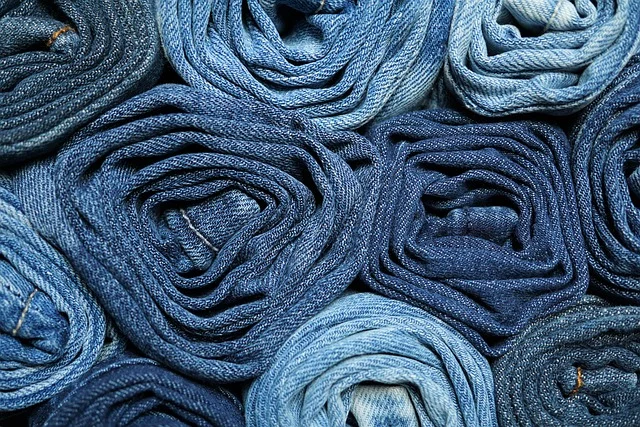
The core material behind Amiri denim is custom-woven Japanese stretch denim. This structure allows the denim to contour tightly against the legs while maintaining shape memory, preventing sagging at the knees after repeated wear.
Artisans manually execute distressing on Amiri jeans using surgical scalpels, wire brushes, sanding blocks, and hand-applied rasps. While initial creative concepts originate in Los Angeles, garment assembly and specialized wash treatments take place in specialized facilities across Italy and Southern California. On select limited-edition pieces, the brand famously employed shotgun blasts at desert shooting ranges in Joshua Tree. This created authentic, random micro-punctures across the fabric surface.
Intricate detailing further separates these garments from mass-market distressed jeans. Craftspeople frequently back knee blowouts with hand-pleated Italian calfskin leather accordion panels, vintage Paisley bandana fabrics, or ribbed biker patches. Custom silver-tone rivets, heavy metal fly buttons, silk pocket linings, and individual hand-painted splatters ensure that no two finished pairs are entirely identical.
Which signature models and styles are available?
Over the years, Amiri has introduced several core silhouettes and recurring motifs that have become fixtures in luxury streetwear.
MX1
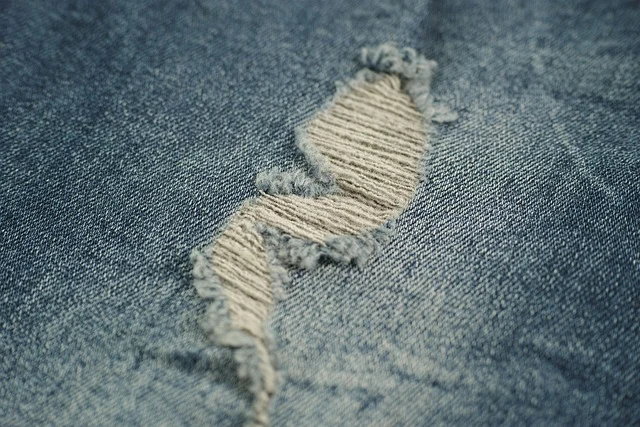
The MX1 is the brand’s cornerstone model. It features distinctive rips at the knees and thighs that are underlaid with hand-pleated Italian leather accordion patches. These leather inserts flex naturally as you walk, protecting skin while providing a structured motorcycle-jacket aesthetic. Amiri produces the MX1 in classic black, light indigo wash, weathered grey, and wax-coated finishes.
Chemist
The Chemist model stands out due to its graphic appliqué detailing. Cut-out leather stars or custom graphic patches are hand-stitched over distressed denim sections along the thighs and lower legs. This design offers a bold visual contrast while reinforcing the shredded denim beneath.
Thrasher and Shotgun
Designed for those who prefer heavy destruction, the Thrasher model features extensive hand-sanding, deep 3D whiskering, and wide open knee blowouts. The Shotgun style complements this look with hundreds of precise micro-punctures distributed across the front panels, delivering a heavily worn, vintage concert feel.
Art Patch and Bandana
These models replace standard open distressing or leather inserts with underlying panels of printed cloth. Craftspeople stitch vintage Paisley bandana fabrics, flannel plaid textiles, or contrast denim swatches behind shredded cuts. Subtle patterns and textures show through raw-edged tears.
Painter and Clay
Focusing on artistic surface treatments, the Painter style combines light hand-distressing with multi-colored paint splatters applied manually across the legs. The Clay collection incorporates localized clay-wash treatments and dirt-tone distressing to replicate authentic vintage workwear patina.
Why do these jeans cost over $1,000?
The high price point of Amiri denim reflects extensive manual labor, premium material sourcing, and limited manufacturing scales.
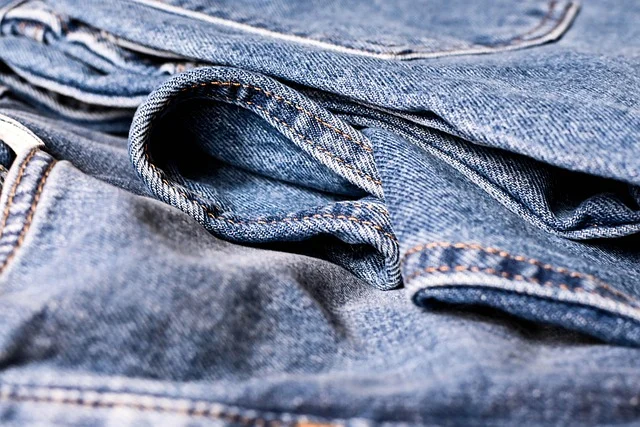
A single pair of MX1 jeans can require between 16 and 24 hours of manual processing across multiple facilities. Automated mass-production assembly lines cannot replicate tasks such as hand-slashing, stitching individual leather pleats, setting silver rivets, hand-sanding whiskers, and executing multi-stage enzyme washes. Each stage requires trained artisans operating in small-batch environments.
Material costs are similarly elevated. Sourcing specialty stretch denim from Japanese mills, importing fine Italian calfskin for inner knee backing, and custom casting heavy metal hardware significantly increases manufacturing overhead relative to standard commercial denim brands.
A current look at the official Amiri site shows men’s denim styles ranging from approximately $1,090 to $1,490. Heavily embellished or limited artisan runs command higher prices. This pricing positions the brand squarely alongside historic European fashion houses while catering to an audience seeking specialized luxury streetwear.
How to spot authentic Amiri denim and avoid fakes
Due to high demand and elevated retail prices, counterfeit Amiri jeans are common on secondary markets. Checking specific construction details helps verify authenticity before making a purchase.
Inspect the leather patches and accordion inserts
On genuine MX1 models, artisans craft the ribbed leather knee inserts from soft, flexible Italian calfskin. The pleats are tightly spaced, uniform, and bend smoothly when compressed. Counterfeits frequently use stiff synthetic vinyl or low-grade leather that feels hard to the touch, smells of chemical adhesive, and displays uneven stitching along the backing seams.
Examine hardware and zipper construction
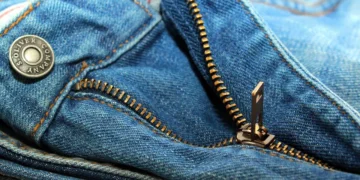
Authentic hardware feels heavy, smooth, and cold to the touch. Premium hardware manufacturers such as RIRI or heavy-gauge YKK supply main fly zippers. These feature clean, deeply engraved logo branding on the pull tab. Button fly closure caps feature sharp, raised or deeply stamped lettering rather than shallow, laser-etched printing.
Check wash tags and microprinting
Inside the left waistband, authentic pairs feature a smooth, black satin-like wash label. Typography should be crisp, straight, and properly spaced. Fakes often display misspelled care instructions, incorrect font weights, or blurry printing.
Evaluate distressing and fraying patterns
Genuine hand-distressing on Amiri jeans displays natural fraying with varied thread lengths and soft cotton fibers. Artisans reinforce tears around the borders with subtle stitching to prevent uncontrollable ripping during wear. Counterfeit distressing often appears mechanical, with uniform rectangular cuts, singed synthetic threads, or glued fabric backings. For pre-owned purchases, consult reputable fashion authentication services to review wash tags and stitch counts.
Understanding fits, measurements, and sizing
Achieving the intended silhouette requires understanding Amiri’s unique cut parameters, particularly regarding leg length and leg openings.
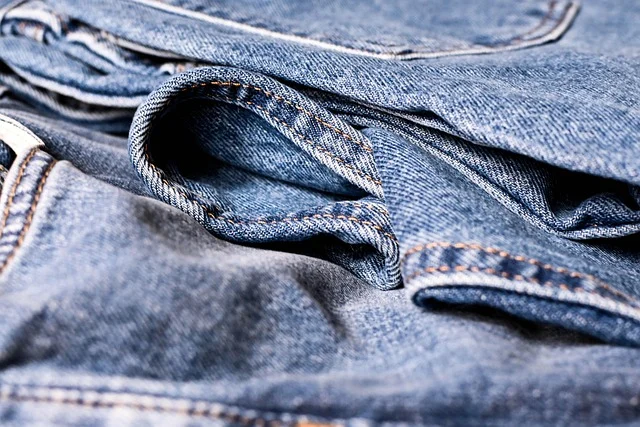
The hallmark silhouette is the Amiri jeans Skinny Stacked fit. Amiri engineers it to fit close against the thigh, knee, and calf. It ends in a narrow leg opening measuring between 5.5 and 6 inches. To create the signature “stack,” Amiri purposefully extends the inseam to 34 or 36 inches across all waist sizes. Excess fabric gathers around the ankle and lower calf, creating controlled horizontal folds over footwear.
Most stretch Amiri jeans fit true to size in the waist. The inclusion of Japanese elastane provides flex, allowing the waist and thighs to mold to your body shape after a few wears. If you have larger calves or prefer a slightly less aggressive taper, sizing up one waist size can increase calf comfort, though you may require a belt to secure the waist. For guidance on pairing luxury fits with contemporary footwear, see Farfetch Affiliate Program: Monetizing Luxury Fashion.
| Fit Model | Leg Silhouette | Leg Opening | Inseam Length | Ideal Footwear Match |
|---|---|---|---|---|
| Skinny Stacked (MX1, Thrasher) | Ultra-slim through thigh and leg | 5.5 – 6.0 inches | 34 – 36 inches (Extended) | High-top sneakers, Chelsea boots, combat boots |
| Relaxed Straight | Straight leg from hip to hem | 8.0 – 8.5 inches | 32 – 33 inches (Standard) | Low-top skate shoes, retro basketball sneakers |
| Bootcut / Flare | Fitted waist, subtle knee flare | 9.0 – 9.5 inches | 33 – 35 inches (Draped) | Western boots, heel boots, thick-soled footwear |
How to style stacked and distressed denim
The key to styling slim, distressed denim lies in balancing proportions and selecting appropriate footwear to support fabric stacking.
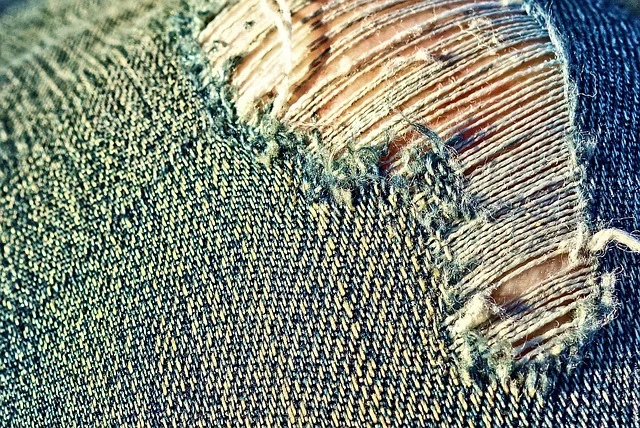
Because stacked skinny denim creates a narrow lower-body line, pairing it with relaxed or boxy tops creates a modern silhouette. Boxy vintage graphic tees, heavy oversized hoodies, relaxed flannel overshirts, and structured leather biker jackets contrast well with fitted pants. Avoid wearing overly tight tops, which can create an unbalanced overall shape.
Footwear selection directly influences how the extended inseam settles:
- High-top sneakers: High-rise collars, such as those on basketball sneakers or high-top skate shoes, support the bottom hem. This allows the extended 34-inch inseam to pool cleanly above the ankle.
- Chelsea and combat boots: Slim ankle shafts slide easily beneath narrow 5.5-inch leg openings. Consequently, fabric stacks drape neatly over structured leather boots.
- Low-top sneakers: Low-profile shoes allow the hem to rest lower near the foot, creating a more relaxed stack that rests lightly on the shoe tongue.
Avoid pairing heavily distressed stacked denim with formal oxford dress shoes or structured business attire. The sharp aesthetic clash detracts from both styles.
Washing, drying, and maintenance guide
Because of intricate distressing, leather inserts, and delicate elastane fibers, improper washing can damage luxury denim. Following specific care protocols extends garment lifespan.
- Opt for professional dry cleaning: Dry cleaning is the safest cleaning method, particularly for pairs featuring leather accordion patches, suede inserts, or heavy paint work. Dry cleaning removes dirt and oil without soaking leather patches in water, which prevents leather stiffening and discoloration.
- Hand wash in cold water: If dry cleaning is unavailable, turn the jeans inside out and submerge them in a basin filled with cold water and mild delicate liquid detergent. Gently agitate the water without scrubbing directly against distressed tears or leather patches.
- Air dry flat: Never place luxury stretch denim into a machine clothes dryer. Heat breaks down internal elastane fibers, causing knees to bag out, and can shrink leather knee panels. Lay the denim flat on a clean towel or hang upside down by the hem in a shaded, well-ventilated indoor space.
- Spot clean minor marks: Treat small dirt spots using a damp microfiber cloth and cold water rather than subjecting the entire garment to a full wash cycle.
- Store on sturdy hangers: Hang denim vertically by the waistband loops rather than folding it tightly. Vertical hanging helps maintain stack memory along the lower leg and prevents deep creases across leather patches. For comprehensive advice on preserving high-value wardrobe investments, see Best Streetwear Brands: Curating Your Modern Wardrobe.
Who should and should not buy Amiri denim?
Amiri denim is designed for specific wardrobe tastes and aesthetic preferences.
This denim is ideal for:
- Wearers seeking modern luxury fashion with a rock-and-roll, West Coast grunge, or luxury streetwear aesthetic.
- Individuals who appreciate hand-crafted artisanal details, such as leather accordion knee patches and hand-applied distressing.
- People who favor ultra-skinny silhouettes with extended inseams engineered for gathering at the ankle.
This denim is NOT suitable for:
- Heritage denim purists seeking heavy, rigid 100% cotton raw selvedge denim that develops natural indigo fades over years of wear.
- Professionals who require formal, conservative, or business-casual attire for corporate environments.
- Wearers who prefer loose, standard straight-leg cuts without stretch elastane fibers.
- Budget-focused shoppers who prefer machine-washable, low-maintenance everyday denim.
Sources: Mike Amiri
Frequently asked questions
Why are Amiri jeans so expensive?
Their high price stems from labor-intensive manual processes including hand-distressing, surgical cuts, and hand-pleated leather patches. The brand also utilizes premium Japanese stretch denim, custom Italian hardware, and small-batch production runs in Italy and Los Angeles.
How do Amiri jeans fit?
Most models feature an ultra-slim or skinny stacked fit that is snug through the thigh and calf with an elongated inseam designed to gather at the ankle. They generally fit true to size at the waist, with Japanese stretch denim providing flexibility and shape retention.
How can I tell if my Amiri jeans are authentic?
Check for soft, high-quality Italian calfskin on leather accordion patches, heavy branded metal zippers, and sharp typography on the black satin wash tag inside the waist seam. Cheap synthetic leather inserts, plastic-feeling hardware, and inconsistent machine-cut distressing usually indicate fake garments.
What is the best way to clean Amiri distressed denim?
Professional dry cleaning is recommended to protect delicate distressing, paint splatters, and leather patches. If cleaning at home, hand wash inside out in cold water with mild liquid detergent and air dry flat away from direct heat.
Do Amiri jeans stretch out over time?
Because manufacturers make them with high-grade Japanese stretch denim containing elastane, they adapt comfortably to your body without permanently losing shape. Proper care and avoiding machine heat ensure the fabric retains its stretch recovery and tight fit.