












Hair oiling is a traditional hair care practice rooted in Ayurvedic tradition. It involves applying natural oils directly to the scalp and hair strands to nourish follicles, strengthen cuticles, and lock in moisture. By replacing lost cellular membrane lipids, it creates a protective hydrophobic layer around each strand. This slows water absorption, reduces friction, and prevents hygral fatigue during washing.
Different oils serve distinct roles based on their chemical structure; penetrating oils like coconut oil pass into the hair shaft to reduce protein loss, while sealing oils like jojoba and argan coat the outer cuticle to trap hydration.
The rest of this guide details how various penetrating and sealing oils affect your strands. You will also learn how to select the right oil for your hair porosity and step-by-step treatment.
What Is Hair Oiling? How It Works, Oil Types, and Step-by-Step Routine
Hair oiling is a traditional hair care practice that involves applying natural oils directly to the scalp and hair strands to nourish follicles, strengthen cuticles, and lock in moisture. Originating in Ayurvedic tradition, this pre-shampoo or leave-in treatment protects hair from hydration loss, reduces breakage, and improves scalp health.
During hair oiling, natural lipids replace lost cellular membrane complex fats that normally bind hair cuticles together. Environmental damage, heat styling, harsh surfactants, and hard water strip these native fats over time. Applying targeted oils creates a protective hydrophobic layer around each strand. This layer slows water absorption during washing and reduces friction during combing, keeping strands supple and resistant to mechanical damage.
What is hair oiling and how does it work?
At its core, hair oiling is a therapeutic conditioning technique. It nourishes the scalp and preserves the structural integrity of the hair shaft. While modern hair care often relies on synthetic silicones to create superficial smoothness, hair oiling uses plant-based fatty acids that interact directly with hair proteins and skin lipids.

Ayurvedic roots and modern hair care
The practice originates in Ayurvedic medicine, where it is known as Snehan—a term derived from the Sanskrit word for love and oiling. In South Asian cultures, hair oiling has served for centuries as both a weekly hygiene ritual and a family bonding tradition. Today, trichologists and cosmetic chemists recognize that regular oil application supports the scalp microenvironment. It softens hardened sebum and maintains lipid levels in the hair cuticle.
Preventing hygral fatigue and protecting cuticles
One of the primary structural benefits of hair oiling is preventing hygral fatigue. When hair is submerged in water during shampooing, the inner cortex absorbs moisture and swells, pushing open the protective outer cuticles. As the hair dries, the cortex shrinks back down. Repeated swelling and shrinking degrades the cell membrane complex, causing keratin layers to chip and split.
Applying oil prior to washing acts as a pre-shampoo shield. The oil occupies space within the cuticle gaps, preventing excess water from entering the shaft too rapidly. According to the Cleveland Clinic, regular oiling can contribute to a healthier scalp environment, which is essential for solid hair growth.
How different oil types affect your scalp and strands
Not all oils behave the same way on hair. The chemical composition, fatty acid profile, and molecular weight of an oil determine whether it penetrates deep into the inner cortex, coats the outer cuticle layer, or acts as a biological stimulant on the scalp skin.
Penetrating oils that enter the hair shaft
Penetrating oils consist of small, straight-chain fatty acids with a high affinity for hair proteins. These molecules are small enough to pass through the overlapping cuticle scales and settle into the hair cortex.
Coconut oil is the clearest example of a penetrating oil. High in lauric acid—a low-molecular-weight, straight-chain fatty acid—coconut oil binds directly to hair proteins. Research shows coconut oil significantly reduces protein loss in both undamaged and chemically treated hair when used as a pre-wash treatment.
Sealing oils that lock in moisture
Sealing oils possess larger, complex molecular structures or high concentrations of polyunsaturated fatty acids. Because these molecules are too bulky to pass beneath the cuticles, they coat the outside of the hair shaft. This process traps existing hydration beneath a protective barrier.
- Jojoba oil: Chemically speaking, jojoba oil is a liquid wax ester rather than a true fat. Its composition closely resembles human sebum, making it ideal for soothing dry scalps without leaving heavy grease.
- Argan oil: High in oleic acid, linoleic acid, and vitamin E, argan oil smooths raised cuticles, reduces surface friction, and increases visible shine.
- Castor oil: A heavy oil rich in ricinoleic acid. Castor oil is extremely viscous. It creates a dense layer that seals dry, brittle ends and protects hair edges from friction.
- Olive oil and Avocado oil: Monounsaturated oils rich in oleic acid that offer heavy lubrication for coarse, dense, or high-porosity hair types.
Stimulating essential oils for scalp care
Essential oils are concentrated aromatic plant extracts used for active scalp therapy rather than hair shaft conditioning. Because essential oils are potent, they must always be diluted in a carrier oil (such as jojoba or almond oil) before skin application.
Rosemary essential oil contains carnosic acid, which helps calm scalp tissue and encourage healthy local microcirculation. Plant-derived essential oils continue to be researched for hair health, including trials like one published in Skinmed (2026) evaluating plant extracts for scalp vitality. Peppermint oil contains menthol, providing a cooling sensation that stimulates the scalp, while tea tree oil offers cleansing benefits for oil-heavy scalps.
Comparing popular hair oiling options
Choosing the right oil depends on your hair’s unique structure and your personal scalp needs. The table below compares common plant oils used in hair oiling routines:
| Oil Name | Oil Category | Key Fatty Acid / Component | Best Hair & Scalp Type | Primary Function |
|---|---|---|---|---|
| Coconut Oil | Penetrating | Lauric acid (saturated) | Medium to high porosity; damaged hair | Prevents protein loss and internal fiber breakage |
| Jojoba Oil | Sealing / Sebum Mimic | Wax esters, Gadoleic acid | Fine hair, oily scalps, sensitive skin | Balances scalp sebum and smooths outer cuticle surface |
| Argan Oil | Sealing | Oleic & Linoleic acids, Vitamin E | Frizzy, color-treated, medium strands | Adds shine, reduces friction, and tames flyaways |
| Castor Oil | Heavy Sealing | Ricinoleic acid | Thick, coarse hair; fragile edges | Protects fragile ends and creates a barrier |
| Olive Oil | Heavy Sealing | Oleic acid, Squalene | Coarse, thick, severely dry hair | Deeply softens stiff hair fibers and rough ends |
| Rosemary Oil (Diluted) | Stimulating Essential Oil | Carnosic acid, 1,8-Cineole | Thinning hair, sluggish scalp circulation | Stimulates scalp tissue (must mix with carrier oil) |
How to select the right oil for your porosity and scalp type
Matching an oil to your specific hair profile prevents common issues like greasy buildup, limp strands, or persistent dryness.
Matching oil weight to hair porosity
Hair porosity refers to how easily your hair absorbs and retains liquid moisture and oils based on the structure of its cuticles.

- Low porosity hair: Cuticle scales lie flat and fit tightly together like roof shingles. Heavy oils cannot penetrate and simply collect on the surface, creating a heavy film. Choose light penetrating or light sealing oils like jojoba, sweet almond, or grapeseed oil. Gently warming the oil helps lift the cuticles slightly for better absorption.
- High porosity hair: Cuticles are raised, chipped, or damaged due to heat tools, chemical bleaching, or environmental wear. Water enters quickly but escapes just as fast. High porosity hair thrives with rich penetrating and heavy sealing oils like coconut, olive, argan, and castor oil to fill in structural gaps.
- Medium porosity hair: Cuticles are balanced and flexible. Most penetrating and sealing oils work well, allowing you to alternate oils based on seasonal weather changes.
Choosing oils based on scalp condition
Your scalp is skin, and its oil needs differ from the dead keratin strands hanging from it.
If you have a dry scalp that feels tight or itchy, lightweight non-comedogenic oils like jojoba or sweet almond oil help restore comfort. If you have an oily scalp, focus your oil application primarily on the mid-lengths and ends of your hair while keeping heavy carrier oils off your scalp entirely.
How to do a hair oiling treatment step by step
Following a deliberate application method ensures that oil spreads evenly through your hair and washes out easily without leaving unwanted grease behind.
- Prepare and warm your oil blend: Measure 1 to 2 tablespoons of carrier oil into a small glass bowl. If using essential oils for scalp care, add 3 to 5 drops of essential oil per tablespoon of carrier oil. Place the glass bowl inside a larger dish filled with warm water for 3 minutes. Warm oil flows easily and feels soothing against the skin. Avoid microwaving oil, which creates uneven hot spots that can burn your scalp.
- Section your hair for balanced application: Use a wide-tooth comb to split your hair into 4 to 6 manageable sections. Sectioning ensures that oil reaches hidden scalp areas and avoids over-concentrating oil on the top crown.
- Massage the scalp to stimulate circulation: Dip the pads of your fingers—never your fingernails—into the warm oil blend. Part each section and press your fingertips against the scalp, executing firm, slow circular movements for 5 to 10 minutes. This releases scalp tension and encourages local microcirculation.
- Distribute oil through mid-lengths and ends: Rub a small amount of oil between your palms and smooth it down the lengths of your strands. Pay extra attention to the final two inches of hair, which suffer the most environmental weathering.
- Allow the treatment to process: Gather hair into a loose bun and cover with a shower cap or warm damp towel. Keep the oil on for at least 30 to 60 minutes. For coarse or severely dry hair, an overnight treatment while using a protective pillow cover offers deep conditioning.
- Wash out thoroughly to remove residue: Emulsifying the oil before soaking your hair makes removal simple. Apply a generous palmful of shampoo directly onto dry or slightly damp hair before running shower water. Massaging shampoo into the oil breaks down lipids so water can flush them away. Follow with a standard second shampoo wash using warm water until hair feels completely clean.
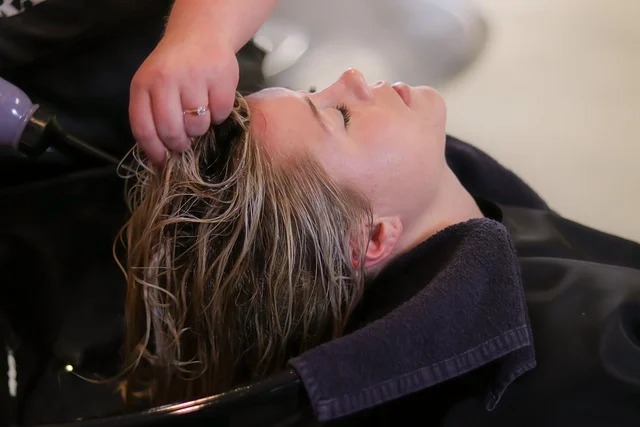
Thorough shampooing is essential after hair oiling to prevent residue.
Who should avoid hair oiling?
While hair oiling is beneficial for many, specific scalp conditions and hair textures do not tolerate oil treatments well.
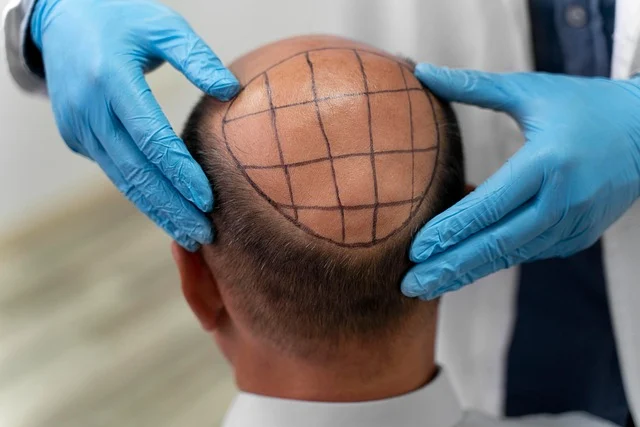
Active dandruff and fungal scalp conditions
If you suffer from active seborrheic dermatitis or severe fungal dandruff, avoid oiling your scalp. Flaking from seborrheic dermatitis is caused by an overgrowth of Malassezia, a lipid-loving yeast that feeds directly on specific saturated fatty acids (such as oleic and lauric acids found in olive, coconut, and almond oils).
Applying plant oils to an actively inflamed, flaking scalp provides energy for yeast growth, worsening redness, itching, and scaling. Stick to medicated antifungal shampoos containing zinc pyrithione, ketoconazole, or salicylic acid until the scalp barrier fully recovers.
Fine, easily weighed-down hair and folliculitis
If you have extremely fine hair or dense, oily skin, heavy scalp oiling can clog hair follicles, leading to folliculitis—small, painful red bumps along the hairline or crown. If your hair is fine, apply oil strictly to the bottom half of your strands as a pre-wash treatment, avoiding scalp contact completely (see Best Skin Care for Women Over 50 for additional hair care adjustments).
Common mistakes that cause buildup and breakage
Avoiding a few common mistakes helps you get the best results from your hair oiling routine:
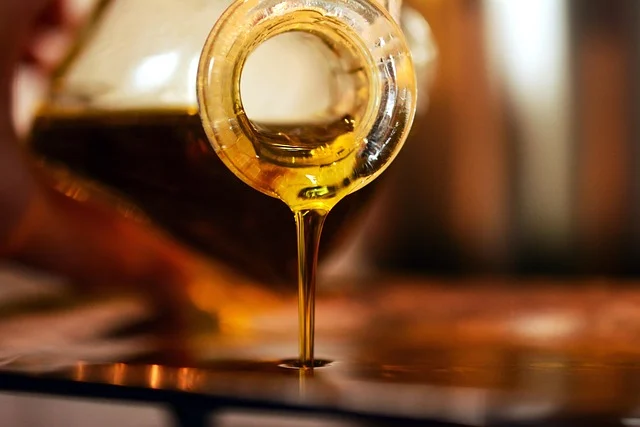
- Oiling dirty scalp with heavy product buildup: Applying oil over layers of dry shampoo, hairspray, and dirt seals pollutants against the scalp and clogs follicle openings. Always oil hair that is clean or moderately fresh.
- Scratching with fingernails during scalp massage: Using sharp fingernails can micro-tear delicate scalp skin, causing localized inflammation and follicle strain. Always use the soft pads of your fingers.
- Applying pure essential oils directly to the skin: Undiluted essential oils like tea tree or peppermint can cause chemical irritation, sensitization, and allergic contact dermatitis. Always mix them with a carrier oil.
- Leaving oils on the scalp for multiple days: Leaving oil on for several days traps ambient dust and environmental debris against the skin. Keep dwell times between 30 minutes and 12 hours max.
- Rinsing with cool water only: Cold water hardens natural fats, making them stubborn to remove. Always rinse shampooed hair with lukewarm water to flush out dissolved oil molecules cleanly.
Sources: Hair
Frequently asked questions
How often should you oil your hair?
For most hair types, oiling once or twice a week prior to shampooing is optimal. Those with fine hair or oil-prone scalps should limit oiling to once every two weeks, while thick, coarse, or highly porous hair can benefit from twice-weekly treatments.
Can hair oiling cause hair loss or shedding?
Hair oiling does not cause physiological hair loss, but rough scalp massaging can dislodge hair strands already in the telogen (resting) phase of the growth cycle. Keep scalp massages gentle and ensure you wash out oils thoroughly to avoid folliculitis.
Is it better to oil clean or dirty hair?
It is best to apply hair oil to clean or dry hair that is free from heavy hairsprays, gels, or dry shampoo buildup. Applying oil over heavy styling products prevents the oil from reaching the cuticles and traps surface dirt against the scalp.
Should you leave hair oil on overnight?
Leaving oil on overnight works well for thick, coarse, or high-porosity hair that requires extra moisture retention. However, 30 to 60 minutes is sufficient for fine or medium hair, as overnight treatments can clog pores on oil-prone scalps.
What is the best oil for hair growth?
While no oil directly creates new hair follicles, diluted rosemary essential oil in a light carrier like jojoba supports healthy scalp microcirculation. Coconut oil also aids growth indirectly by drastically reducing strand breakage and split ends.


