







Keeping up with fashion trends without overspending requires distinguishing multi-year macro-trends from short-lived micro-trends while testing emerging styles through low-risk accessories. Macro-trends represent multi-year shifts in silhouette and fit that last two to seven years, whereas micro-trends typically last anywhere from two weeks to six months.
This guide explains how to track fashion using runway search engines, industry aggregators, Reddit sub-communities, and off-platform channels like museum exhibitions and urban observation. It also covers tailored strategies for menswear and Korean fashion, along with a practical five-step seasonal system to refresh your closet.
How to Keep Up with Fashion Trends: A 7-Step System for Smart Wardrobe Updates
To keep up with fashion trends without overspending or losing your personal style, track long-term macro-trends through visual archives and fashion aggregators while testing emerging micro-trends through accessories and secondhand layers. By establishing a systematic trend filter, you can selectively integrate new silhouettes, colors, and textures into your core wardrobe without buying into every short-lived viral aesthetic.
Keeping up with fashion trends in 2026 requires cultivating personal trend intelligence to filter fleeting micro-trends from long-lasting macro-trends. By using curated digital sources and strategic forecasting, you can selectively adapt emerging styles without sacrificing your personal aesthetic or budget.
How Do People Keep Up with Fashion Trends?
People who successfully stay current with fashion without burning out distinguish between two distinct movement speeds: macro-trends and micro-trends. Macro-trends represent multi-year shifts in fit, silhouette, material, and lifestyle needs. Examples include the multi-year evolution from skinny denim to wide-leg trousers, or the rise of technical outdoor wear in daily wardrobes. These trends evolve over 2 to 7 years, making them worth strategic investment.
Conversely, micro-trends are ultra-fast aesthetic sparks driven by social media algorithms and fast-fashion production cycles. They typically last anywhere from two weeks to six months. Fashion insiders track micro-trends for inspiration, but build their actual wardrobes around macro-shifts. Understanding this distinction prevents the common trap of buying items that become obsolete before the season ends.
Where to Keep Up with Fashion Trends
Knowing where to look saves hours of endless scrolling. The most effective sources depend on whether you want high-concept runway direction or immediate daily street style inspiration:
- Runway Archives and Search Engines: Tagwalk operates as a dedicated search engine for global runway shows, allowing you to search by keyword, color, material, or silhouette across seasons. Platforms like Vogue Runway provide comprehensive seasonal summaries of Paris, Milan, New York, and London fashion weeks.
- Industry Trend Aggregators: The Lyst Index publishes quarterly reports ranking fashion’s hottest brands and products based on global search behavior, product views, and sales data, offering an accurate snapshot of what people are actually buying.
- Visual Discovery Platforms: Pinterest functions as an ideal engine for organizing trend mood boards, tracking silhouette proportions, and seeing how stylists combine key items.
- Street Style Photography Archives: High-traffic street style photography from major fashion capitals captures how runway concepts adapt to real-world environments before reaching mainstream retail.
How to Keep Up with Fashion Trends on Reddit
Reddit offers a community-vetted, non-algorithmic perspective on fashion where real users evaluate garment quality, trend longevity, and practical styling. To get the most utility from Reddit, focus on specific sub-communities:
- r/femalefashionadvice (FFA): Excellent for seasonal transition guides, fit comparisons, and “What Are You Wearing Today” (WAYWT) threads that showcase diverse body types and age groups.
- r/malefashionadvice (MFA): A primary resource for tracking menswear shifts, understanding garment construction, and seeing how classic tailored garments integrate with trending casual elements.
- r/streetwear: Ideal for spotting underground brand drops, footwear movements, and early silhouette shifts originating from youth subcultures.
- r/frugalmalefashion and r/frugalfemale-fashion: Crucial for finding accessible alternatives, sales, and secondhand options for high-end trending aesthetics.
When browsing Reddit for trend guidance, sort threads by “Top – Past Month” during seasonal shifts (March and September) to read community breakdowns of upcoming fashion cycles and honest product reviews.
How to Keep Up with Fashion Trends Without Social Media
You do not need social media apps or short-form video feeds to stay stylish. In fact, stepping away from social media often leads to a more refined, distinctive personal style. Here is how to keep up through off-platform channels:
- Independent Print and Digital Magazines: Publications like Dazed, i-D, The Gentlewoman, and System Magazine provide in-depth analysis of fashion culture rather than rapid consumer product pushes.
- In-Person Urban Observation: Spend time in cultural hubs, art galleries, independent design districts, and theater areas in major cities. Local street culture in creative districts remains the original incubator for global fashion shifts.
- Museum Exhibitions and Retrospectives: Fashion movements continuously recycle historical eras. Studying historical design retrospectives—such as examining the recurring influence of the 2010s in fashion—helps you anticipate which archival silhouettes will return next.
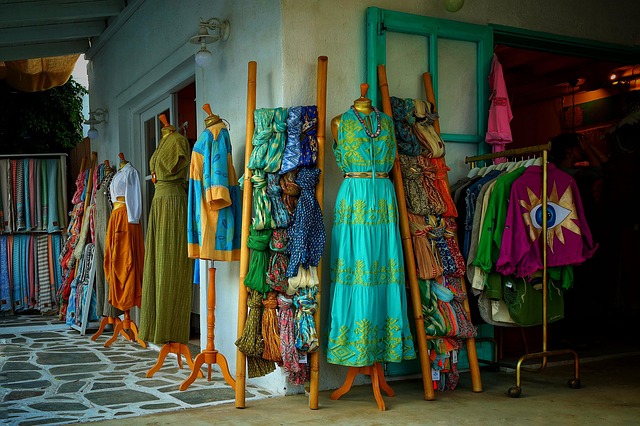
- Physical Concept Stores and Boutique Windows: Curated high-end boutiques and department store visual displays showcase complete outfit styling, color stories, and textural pairings created by professional visual merchandisers.
How to Keep Up with Fashion Trends for Men
Menswear trends move at a different pace than womenswear, evolving primarily through functional details, textile choices, footwear shifts, and silhouette proportions rather than rapid decorative changes. To track men’s fashion effectively:
- Monitor Tailoring Proportions: Menswear cycles are clearly visible in suit cuts and pants fits. Track whether trouser rises are moving higher or lower, and whether shoulder construction is structured or relaxed.
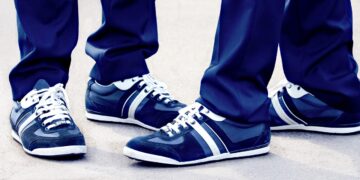
- Follow Footwear Shifts: Footwear dictates the rest of the male silhouette. The transition from slim sneakers to chunky soles, retro runners, and refined loafers determines how trousers ought to break over the shoe.
- Observe Utility and Outerwear Trends: Technical fabrics, Gorpcore elements, and workwear jackets consistently blend with traditional wardrobes. For practical execution of urban menswear styles, read How to Dress Streetwear: Mastering Urban Style.
How Do People Keep Up with Fashion Trends in Korea?
Korean fashion (K-fashion) is recognized globally for its high-speed design iterations, hyper-refined proportions, and smooth blending of streetwear with formal tailoring. Keeping up with Korean fashion trends involves tapping into a unique domestic digital ecosystem:
- Musinsa and W Concept: Musinsa is Korea’s dominant fashion platform, featuring real-time ranking tables, street snaps from Seoul, and lookbooks from domestic brands. W Concept focuses on contemporary, designer-led women’s fashion.
- Seoul Fashion Week and Dongdaemun District: Seoul’s fashion week showcases ground-level street styling outside the venues, while Dongdaemun serves as the manufacturing heart where runway concepts adapt into street style within weeks.
- K-Media and Celebrity Styling: Korean trend cycles heavily rely on media styling—specifically airport fashion, press appearances, and drama wardrobes—where minimalist silhouettes are elevated through precise tailoring and monochrome layering.
A 5-Step System to Keep Up with Clothing Trends
Follow this practical process every season to refresh your closet without accumulating unwanted clutter:
- Step 1: Conduct a Seasonal Visual Audit: Spend one hour at the start of spring and autumn scanning runway image summaries to identify three recurring themes (e.g., broad shoulders, cobalt blue, or sheer fabrics).
- Step 2: Compare Trends Against Your Core Style Filter: Ask yourself: “Does this trend fit my daily lifestyle, body type, and preferred color palette?” If an item requires a total change in your comfort level, skip it.
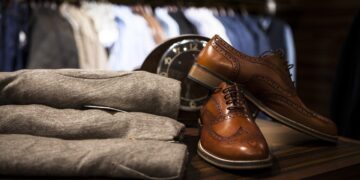
- Step 3: Test Trends with Low-Risk Accessories: Introduce new colors, textures, or hardware through belts, footwear, bags, or scarves before buying full garments.
- Step 4: Incorporate One Statement Piece into Classic Outfits: Combine a single trending garment (like a wide-leg cargo trouser) with proven wardrobe staples (such as a fitted white T-shirt and a classic leather jacket).
- Step 5: Practice Wardrobe Equilibrium: Maintain a strict “one-in, one-out” policy for trend-focused purchases to prevent closet congestion.
Evaluating Trend Longevity: Micro vs. Macro vs. Classics
Use this reference table to decide how much time and money to allocate across different garment categories:
| Category | Average Lifespan | Typical Examples | Recommended Wardrobe % |
|---|---|---|---|
| Micro-Trends | 2 weeks to 6 months | Viral pattern prints, novelty accessories, hyper-specific aesthetic tags | 0% – 5% (Rent or thrift) |
| Macro-Trends | 2 to 7 years | Wide-leg trousers, relaxed tailoring, technical fabrics, monochrome layering | 15% – 25% (Targeted additions) |
| Classic Staples | 10+ years | Trench coats, tailored blazers, dark denim, crisp button-downs, flattering dresses | 70% – 80% (High quality focus) |
Pros and Cons of Keeping Up with Fashion Trends
Pros
- Refreshed Aesthetic: Keeps your personal style contemporary and prevents outfits from feeling outdated.
- Personal Expression: Offers structured opportunities to explore new facets of your creative identity.
- Confidence Boost: Wearing well-proportioned, modern outfits elevates personal presentation in social and professional settings.
- Wardrobe Longevity: Adding strategic trending layers breathes new life into older foundational pieces.
- Cultural Connection: Fashion serves as a visual mirror to socio-economic shifts; participating keeps you engaged with wider cultural changes.
Cons
- Potential Overspending: Purchasing impulse items during short viral hype cycles strains personal finances.
- Fast Obsolescence: Unfiltered trend adoption results in clothing that feels unwearable after a single season.
- Loss of Identity: Relying entirely on external trends dilutes your unique personal style narrative.
- Environmental Impact: Continuous garment consumption contributes to textile waste and manufacturing emissions.
- Decision Fatigue: The rapid speed of digital media creates overwhelming choices every morning.
Common Pitfalls When Tracking Trends (and How to Fix Them)
- Problem: Buying complete head-to-toe trending outfits.
Fix: Adopt the “Rule of One.” Wear only one trending piece per outfit, surrounding it with neutral, timeless basics. - Problem: Shopping for a life you don’t actually live.
Fix: Match your clothing purchases to your weekly hourly reality (e.g., office work, weekend errands, commuting) rather than vacation photos. - Problem: Financial regret from impulse purchases.
Fix: Institute a mandatory 14-day waiting period for any trend-driven purchase above $50. If you stop thinking about it, don’t buy it.
Who This Advice Is Not For
Developing trend intelligence is highly beneficial for most people, but it does not suit everyone. This approach is not recommended for strict minimalist capsule loyalists who prefer a permanent daily uniform, individuals currently undergoing significant financial savings phases, or eco-purists committed to zero new garment acquisitions. For these groups, maintaining a timeless personal baseline without tracking current market cycles is more practical.
Expert Tips for Staying Ahead (Not Just Keeping Up)
Beyond simply keeping up, the true art is staying ahead or, at least, being an early adopter. Firstly, cultivate an awareness of what’s happening outside mainstream fashion. Emerging artists, musicians, and subcultures often spark the next big thing. Pay attention to how people are dressing in culturally vibrant cities globally—their street style often foreshadows wider trends.
Secondly, consider the material and technological innovations in textiles. According to a 2026 report by McKinsey & Company on the State of Fashion, advancements in bio-based materials and smart textiles are poised to influence silhouettes and functionalities. Understanding these foundational shifts can help you anticipate aesthetic changes. Finally, don’t underestimate the power of classic pieces. A well-constructed trench coat or a perfectly tailored white shirt transcends trends, serving as a versatile canvas upon which new styles can be layered. These staples are your sartorial anchors.
Frequently Asked Questions
How often do fashion trends change in 2026?
Fashion trends in 2026 change at two rates. Micro-trends driven by social media algorithms shift every few weeks, while macro-trends involving major silhouettes, color palettes, and fabric innovations evolve over 2 to 7 years. Filtering for macro-trends allows you to remain current without constantly buying new clothes.
What are the best apps for tracking fashion trends?
Popular platforms include Pinterest for visual mood boards, Tagwalk for searching designer runway shows, and Instagram for following fashion editors and street style photographers. Retail aggregators like Lyst also track real-time global search trends.
Can I keep up with fashion trends on a budget?
Yes. Focus on affordable accessories, shop secondhand platforms for archival designer items, participate in clothing swaps, and use rental services for event wear. Styling your existing clothes in new layered proportions is free and effective.
Should I follow every fashion trend?
No. Trying to follow every trend leads to budget strain and a diluted personal style.
How do fashion trends start and spread?
Trends originate from designer runway presentations, street subcultures, music and film styling, and material innovations. They spread through fashion media and social creators, eventually reaching high-street retailers for mainstream adoption.
How can I make a trend my own?
Combine a single trending item with your favorite timeless staples. Select versions of the trend in colors that flatter your natural skin tone, and tailor the fit so it enhances your body proportions rather than blindly copying lookbooks.
Conclusion
Keeping up with fashion trends in 2026 is an ongoing dialogue between global cultural influences and your personal expression. It is not about slavishly following every fleeting fad, but about developing a keen trend intelligence that allows for mindful observation, strategic integration, and sustainable consumption. By curating your sources, understanding the trend cycle, and always filtering through your unique aesthetic, you can navigate the dynamic world of fashion with confidence and personal style.
Sources: 2010s in fashion


