





Fashion is a prevailing aesthetic, social custom, and cultural system that dictates how people wear clothing, accessories, footwear, and cosmetics within a given time and place. Beyond physical utility, it functions as a visual language for communicating personal identity, social standing, cultural values, and collective mood.
When someone mentions fashion, many people immediately think of high-fashion runways, expensive designer brands, or celebrity red carpet attire. Yet fashion is a phenomenon far more profound and pervasive, woven directly into the structure of human culture and daily life.
A Year 4 teacher in London might choose practical, durable clothing for the classroom, while a musician on tour might opt for avant-garde pieces that challenge social norms. Both are engaging with fashion using apparel, accessories, and aesthetics to communicate something specific about themselves and their world.
Fashion operates as a visual expression that constantly changes to reflect its era. Also, it exists through a continuous connection between fashion designers, garment manufacturers, retailers, media platforms, and the public.
What is fashion and why does it exist?
Fashion is a broad concept describing the dominant styles and behaviors surrounding dress, grooming, accessories, and body aesthetics. It goes far beyond the practical function of covering the body for protection against warmth or weather. Instead, fashion provides a medium for social interaction, self-expression, and group identity.
Fashion functions simultaneously as a multi-trillion-dollar global industry, a creative design philosophy, and a personal aesthetic choice. It is inherently dynamic because human culture, technology, and values constantly change. It encompasses not just the garments made, but how people style them, where they wear them, and the social motivations behind those choices.
How fashion differs from style and trends
To understand fashion fully, you need to recognize how it differs from related concepts like style and trends. People often use these terms as synonyms, but they represent distinct ideas within dress and aesthetics.
Fashion refers to the collective mode of dress or aesthetic behavior dominant within a culture at a given period. As a result, it represents what is widely produced by the industry and adopted by large groups of people.
Trend is a specific movement or aesthetic preference within fashion. Trends are usually temporary, starting in niche communities, design houses, or digital platforms before moving into mainstream culture. For instance, ‘quiet luxury’ emerged as a prominent trend focused on unbranded, high-quality minimalism, influencing mid-tier fashion collections across multiple seasons.
Style is the most personal element. Style is an individual’s unique visual signature and way of putting garments together, often remaining consistent regardless of fast-changing market trends. For example, Sarah, a graphic designer, might maintain an ‘eclectic vintage’ style by pairing tailored 1970s blazers with modern denim regardless of what high-street stores promote.
| Concept | Definition | Duration | Example |
|---|---|---|---|
| Fashion | The prevailing collective aesthetic and customs in clothing and dress. | Medium to long-term (years). | The widespread adoption of looser silhouettes, relaxed tailoring, and functional streetwear. |
| Trend | A specific direction, garment type, or detail gaining popular traction. | Short-term (months to a few seasons). | Utility cargo pants or specific seasonal color accents dominating retail displays. |
| Style | An individual’s personal approach to dressing and self-expression. | Enduring and highly personal. | Consistently wearing tailored blazers with graphic tees as a signature personal aesthetic. |
Why fashion functions as a language
Fashion acts as a subtle visual language. Before you speak to someone, your clothing delivers immediate cues about your lifestyle, identity, profession, cultural background, and emotional state. This non-verbal communication shapes social interactions and personal branding in professional and social environments.
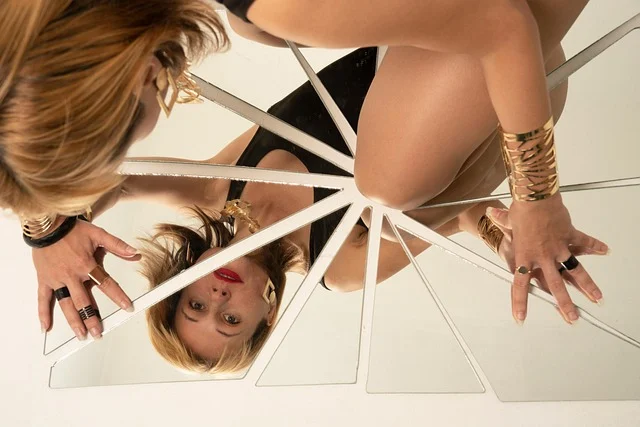
Compare a person dressed in a sharp structured business suit with someone wearing distressed jeans, canvas sneakers, and a band t-shirt. For example, each outfit sends distinct cultural signals, setting expectations and projecting a specific identity. People deliberately manipulate these visual signals to align with corporate environments, subcultural groups, or creative spaces.
Beyond personal branding, fashion preserves cultural narratives. For example, traditional clothing across global societies contains specific patterns, dyes, weaves, and embroidery techniques that communicate tribal affiliation, marital status, social hierarchy, or historical heritage. In modern urban settings, subcultures like punk, hip-hop, skater, or goth use distinct sartorial codes to signal solidarity and shared values.
How the global fashion system operates
The fashion system consists of several connected sectors that move garments from concept to consumer. When one part of the system changes, the effects spread through every other tier.
- Designers and Brands: Creative directors and design teams conceptualize color palettes, fabric choices, silhouettes, and themes for seasonal collections.
- Production and Manufacturing: Raw fiber suppliers, textile mills, patternmakers, and garment factories transform creative sketches into physical products.
- Retail and Distribution: Brick-and-mortar boutiques, department stores, and e-commerce platforms distribute finished items to global markets.
- Media and Marketing: Editorial publications, digital content creators, marketing agencies, and runway events shape consumer perception and popularize key looks.
- Consumers: The public purchases, styles, and interprets clothing, giving garments their ultimate cultural meaning through daily use.
- Cultural Context: Economic conditions, technological shifts, environmental concerns, and political movements shape aesthetic preferences and consumer demand.
According to research highlighted by the Rome Business School, technological integration and shifting consumer expectations around ethical sourcing continue to alter traditional production cycles and marketing methods across global markets.
Haute couture vs ready-to-wear vs fast fashion
The fashion industry operates across distinct tiers that cater to different price points, production speeds, and consumer expectations:
- Haute Couture: High-end custom garments constructed entirely by hand in specialized Parisian ateliers. These pieces represent pure artistic experimentation rather than daily wear and cost tens of thousands of dollars per garment.
- Ready-to-Wear (Prêt-à-Porter): Factory-produced collections sold in standardized sizes by luxury and designer brands. These pieces combine quality construction with commercial availability.
- Fast Fashion: High-volume, low-cost apparel designed to copy runway and social media trends rapidly. While fast fashion makes styles accessible at low prices, it often relies on synthetic fabrics, lower construction standards, and short product lifespans.
How fashion changes across historical eras
Fashion history mirrors changes in technology, labor rights, gender roles, and economic conditions. Every era leaves behind a distinct silhouette and fabric identity that acts as an archive of human social structure.
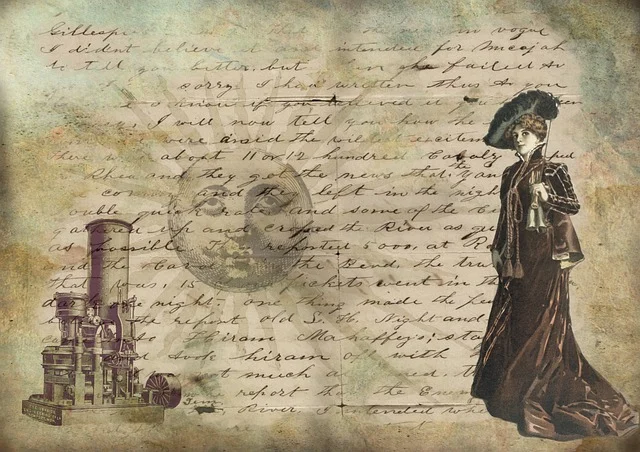
In the Victorian era, restrictive corsetry and voluminous skirts reflected rigid gender norms and socio-economic status. By the 1920s, the flapper movement introduced loose silhouettes and shorter hemlines, matching women’s increasing social independence and suffrage movements. Following World War II, fashion shifted toward practical, mass-produced ready-to-wear garments as industrial manufacturing expanded.
In past decades, fashion trends took years to travel from elite European design houses to regional markets. Today, globalized digital networks allow aesthetic movements to spread across continents in days, driven by online communities and instant digital commerce.
Industry shifts: fast fashion, tech, and sustainability
The modern market balances technological convenience with growing environmental realities. Digital platforms and automated logistics allow fast-fashion retailers to launch thousands of new designs weekly, feeding short-lived consumer appetites.
However, this rapid production model creates significant environmental waste, high carbon emissions, and textile disposal challenges. In response, modern consumers and independent designers increasingly emphasize circular fashion principles—focusing on repairability, second-hand trade, upcycling, and non-toxic organic textiles.
Innovations in textile engineering now introduce bio-based leather alternatives made from mycelium or pineapple fibers, recycled synthetic yarns, and waterless dyeing techniques. As a result, these modern advancements shape evolving fashion trends, shifting consumer interest toward durability, regional craftsmanship, and transparent supply chains, as seen in regional movements like Valley Shirt Style: Authentic West Coast Fashion for 2026.
Practical steps to build your personal style
Developing personal style requires moving away from mindless consumption and learning what garments best serve your body, lifestyle, and visual preferences. Here is a clear process for building a authentic wardrobe:
- Assess your practical needs: Document your daily schedule, working conditions, climate, and mobility requirements. Your foundation wardrobe must fit the physical reality of your routine before catering to pure aesthetic preferences.
- Gather recurring visual inspiration: Collect images of outfits, historical costumes, film characters, and street style that consistently draw your attention. Look for common elements across your collection, such as structured tailoring, earthy tones, or retro athletic details.
- Perform a wardrobe audit: Remove ill-fitting garments, worn-out items, and impulse purchases that do not align with your core aesthetic. Organize what remains into clear categories to see gaps in your foundational wardrobe.
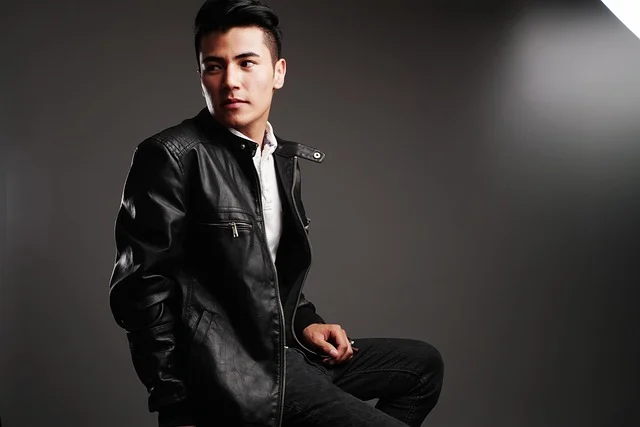
- Experiment with unexpected pairings: Combine garments in unconventional ways. For example, pair a structured tailored blazer with casual denim, or style vintage leather jackets alongside clean minimalist basic tops to find combinations that feel authentic.
- Purchase garments intentionally: Buy high-quality garments made from durable fibers like wool, heavy cotton, linen, and quality leather. Also, focus on versatile staple items that combine easily with multiple pieces in your existing closet.
Common misconceptions about fashion
Misunderstandings about fashion often prevent people from engaging with clothing in a fulfilling, sensible way.
Misconception 1: Fashion requires expensive luxury brands.
High price tags do not equal good taste or stylish presentation. Thoughtfully curated thrifted items, workwear basics, and well-tailored vintage pieces often project far more personal style than head-to-toe branded designer apparel.
Misconception 2: Fashion is shallow and unimportant.
Dismissing fashion ignores its role in economic history, artistic expression, labor politics, and human psychology. Because of this, how society dresses reflects cultural priorities, economic access, and social reform.
Misconception 3: You must follow current trends to be fashionable.
Attempting to adopt every viral aesthetic leads to fragmented personal presentation and unnecessary spending. Trends should serve as opt-in ideas rather than mandatory rules.
Who fast-trend chasing does not suit
Chasing rapidly cycling fashion trends is inefficient for people seeking a stable, timeless wardrobe. It works poorly for budget-conscious buyers, professionals who require fixed uniform dressing, and individuals focused on minimizing their environmental footprint. For these groups, investing in high-quality, long-lasting classics yields better long-term functional value.
Strategies for managing personal wardrobe choices
Building a functional closet means balancing artistic preference with smart practical decisions:
- Calculate cost per wear: Divide the total price of a garment by the estimated number of times you will wear it over its lifespan. A high-quality $200 coat worn 200 times costs $1 per wear, offering significantly better value than a $30 trend item worn twice before discarding.
- Prioritize foundational garments: Invest the bulk of your apparel budget in foundational items you wear daily—such as structured outerwear, durable denim, well-constructed footwear, and tailored trousers.
- Filter digital trends critically: Treat short-form video micro-trends as fleeting visual entertainment rather than shopping lists. Ask whether an item fits your current lifestyle before purchasing.
- Explore gender-fluid silhouettes: Focus on garment measurements, fabric weight, and drape rather than binary retail section labels. Shopping across departments yields wider choices in fit and styling options.
- Maintain and repair garments: Learn basic clothing care, such as proper laundering methods, fabric depilling, and basic tailoring repairs. Keeping clothing in good condition extends garment life and preserves your financial investment.

Sources: Fashion
Frequently asked questions
What is the main purpose of fashion?
The main purpose of fashion is complex. It serves as a form of self-expression, allowing individuals to communicate their identity, personality, and mood. Fashion also plays a crucial role in social interaction, signifying group belonging, status, and cultural affiliation, and reflecting broader societal values and changes.
How does fashion impact society?
Fashion impacts society by influencing cultural norms, economic activity, and environmental practices. It can drive social movements, challenge conventions, and reflect political climates. Economically, the industry creates jobs and generates significant revenue, while concerns about sustainability increasingly shape its production and consumption models.
What’s the difference between fashion and clothing?
Clothing refers to the garments themselves, serving the basic function of covering and protecting the body. Fashion, however, is the broader cultural and aesthetic phenomenon that dictates popular styles, trends, and the way clothing is designed, worn, and perceived within a given society or time period.
Can fashion be considered art?
Yes, fashion can certainly be considered a form of art. Many designers approach clothing creation with artistic vision, employing principles of aesthetics, form, and composition. Like other art forms, fashion can evoke emotion, tell stories, challenge perceptions, and reflect the creative spirit of its creators and wearers.
What are current fashion trends in 2026?
As of June 2026, current fashion trends emphasize comfort, sustainability, and individuality. We see a continued rise in gender-fluid styles, the integration of smart textiles, and a strong preference for durable, versatile pieces. Retro influences, particularly from the late 90s and early 2000s, are also making a notable comeback in contemporary silhouettes and accessories.
How important is personal style in fashion?
Personal style is paramount in fashion. While fashion dictates collective trends, personal style is how an individual interprets and adapts those trends, or deliberately deviates from them, to express their unique identity. It fosters confidence, authenticity, and allows for a deeper connection between clothing and self.
Where does fashion inspiration come from?
Fashion inspiration comes from a wide array of sources, including historical periods, art movements, global cultures, nature, technology, and current events. Designers often draw from everyday life, street style, music, and social media. Ultimately, anything that sparks creativity and influences aesthetic sensibilities can become a source of fashion inspiration.
Fashion remains a living cultural system that reflects how we view ourselves and the world around us. By understanding how fashion functions across history, industry, and personal choice, you can approach your wardrobe thoughtfully—building an individual style that remains authentic, functional, and expressive.