













The Investment in a Perfectly Fitted Suit: Understanding Custom Tailoring Costs in 2026
When considering the allure of a perfectly fitted garment, the custom suit stands paramount. Yet, the question of custom suit tailoring cost remains a significant consideration for many. As of June 2026, the investment in a bespoke or made-to-measure suit can range from a few hundred dollars to several thousand, reflecting a spectrum of craftsmanship, materials, and customization.
Last updated: June 11, 2026
But what truly dictates where a suit falls on this spectrum? It’s a complex interplay of fabric quality, the intricacies of the tailoring process, and the reputation of the artisan or house. For many, a custom suit isn’t just clothing; it’s a statement of personal style and an investment in enduring quality.
Key Factors Influencing Custom Suit Tailoring Cost
Several elements converge to determine the final price of a custom suit. Understanding these components is crucial for making an informed decision and managing expectations regarding the custom suit tailoring cost.
Fabric Selection: The Foundation of Cost
The material chosen for a suit is perhaps the most significant cost driver. High-end wools like Super 150s, 180s, or even higher counts from mills such as Loro Piana or Zegna, command premium prices due to their exceptional drape, softness, and durability. Blends can offer cost savings, but the percentage of natural fibers often correlates with price and performance.
Beyond wool, other luxurious fabrics like silk, cashmere, and linen also influence the price. Silk adds sheen and a smooth hand, cashmere provides unparalleled softness and warmth, while linen offers breathability but is prone to wrinkling. A suit made from a rare or exotic fabric, such as vicuña, can elevate the cost into the tens of thousands.

Conversely, more common wool blends, polyester, or durable cottons are typically found in lower-priced custom suits. While these can still yield a well-fitting garment, they may not offer the same tactile luxury or longevity as premium natural fibers.
Construction Methods: Full Canvas vs. Fused
The way a suit jacket is constructed plays a vital role in its quality, longevity, and, consequently, its price. The most traditional and highest-quality method is full canvas construction. Here, a layer of horsehair canvas is hand-stitched between the suit’s lining and outer fabric from the lapel down to the hem.
This canvas interlining allows the jacket to mold to the wearer’s body over time, creating a natural shape and drape that improves with age. It also enhances breathability and the suit’s ability to recover from creasing. Full canvas suits are labor-intensive and thus command a higher custom suit tailoring cost.
Fused construction, on the other hand, uses a layer of adhesive to bond the interlining to the fabric. This method is quicker and less expensive to produce, making it common in off-the-rack and some made-to-measure suits. While fused suits can look good initially, they tend to lose their shape over time, and the adhesive can sometimes bubble or delaminate, especially after dry cleaning.
Design and Customization Options
The degree of personalization directly impacts the final price. Simple choices like single or double-breasted styles, notch or peak lapels, and the number of buttons are standard. However, more intricate customizations can add to the bill.
Options such as contrast stitching, functional buttonholes on the sleeves (surgeon’s cuffs), unique lining choices, personalized monograms, ticket pockets, or specialized collar designs all require additional labor and attention to detail, pushing the custom suit tailoring cost upward.
For instance, meticulously hand-sewn surgeon’s cuffs, which allow each button to be individually opened, are a mark of true bespoke craftsmanship and add to the overall expense. Similarly, selecting a vibrant, patterned silk lining instead of a standard solid color can incur an extra charge.
Tailor Expertise and Reputation
The skill, experience, and renown of the tailor or tailoring house are critical factors. A tailor with decades of experience, a strong portfolio, and a reputation for impeccable craftsmanship will naturally charge more for their services. This includes their ability to accurately measure, interpret a client’s needs, and execute complex tailoring techniques.
A well-established tailor on Savile Row in London, for example, operates with a legacy of excellence and commands prices reflecting that heritage. Similarly, renowned tailors in major fashion capitals like New York, Milan, or Hong Kong also factor their expertise and brand prestige into their pricing. The custom suit tailoring cost often reflects this accumulated knowledge and artistic skill.
Location and Overhead Costs
The physical location of a tailor’s shop can also influence pricing. Retail spaces in prime urban areas, with high rents and operating costs, will inevitably pass some of those expenses onto the consumer. A tailor operating out of a prestigious boutique in a city center will likely have higher prices than one in a suburban office or a remote operation.
This is why custom suits made in countries with lower labor costs, such as Vietnam or parts of Eastern Europe, can often be significantly less expensive than those made in Western Europe or North America, even when using similar fabrics and construction methods. The total custom suit tailoring cost is a reflection of the entire business ecosystem.
Understanding Suit Types and Their Associated Costs
The term “custom suit” can be broad. It’s essential to differentiate between the various levels of customization available, as each carries a distinct price point and level of personalization. Understanding these distinctions is key to navigating the custom suit tailoring cost landscape.
Off-the-Rack Suits: The Baseline
These are pre-made suits sold in standard sizes. While not custom, they form the baseline for comparison. Prices can range from under $100 for budget options to over $1,000 for designer brands. The primary cost associated with these suits is for alterations to achieve a better fit, which can range from $30 to $300 or more, depending on the complexity of the changes needed.
Made-to-Measure Suits: A Popular Middle Ground
Made-to-measure (MTM) suits start with a standard pattern that’s adjusted to a client’s specific measurements. The client also typically chooses from a curated selection of fabrics, linings, and some design details like lapel style or pocket type. The process usually involves a fitting or two.
The custom suit tailoring cost for MTM suits typically falls between $400 and $2,500, with many mid-range options available around $800-$1,500. This is a popular choice for those seeking a better fit than off-the-rack without the full commitment of bespoke tailoring.
Bespoke Suits: The Pinnacle of Customization
Bespoke tailoring is a more intensive process. It begins with a unique pattern drafted from scratch for each individual client, based on dozens of precise measurements. Multiple fittings are standard, often involving baste fittings where the suit is loosely assembled to refine the fit and drape before the final construction.
Bespoke suits allow for a high degree of customization in every aspect, from fabric to every stitch and detail. The custom suit tailoring cost for a true bespoke suit generally starts around $2,500 and can easily exceed $8,000, with prices often reaching $15,000 or more for premium fabrics and renowned tailors.
Full Bespoke: The Savile Row Standard
This represents the highest tier of tailoring, often associated with legendary establishments like those on London’s Savile Row. Here, every single measurement is taken by hand, and the suit is constructed with meticulous attention to detail, often involving hundreds of hours of handwork. Multiple fittings are non-negotiable, with adjustments made at each stage to ensure a flawless fit and silhouette.
The custom suit tailoring cost for this level of artistry is substantial, typically starting from $5,000 and going upwards of $15,000-$20,000 or even higher for the most exclusive fabrics and tailors. This is an investment in a sartorial masterpiece.
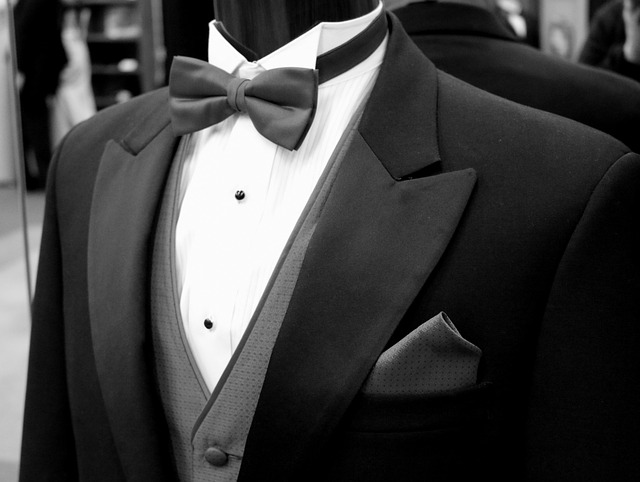
Custom Suit Tailoring Cost Breakdown by Price Tier (2026)
To provide a clearer picture of the custom suit tailoring cost, let’s break down what you can typically expect at different price points as of June 2026. These figures are approximate and can vary based on the factors mentioned previously.
Entry-Level Custom Suits (Under $750)
At this price point, you’re likely looking at made-to-measure suits. These suits will offer a significant upgrade in fit over off-the-rack options. The fabrics will typically be standard wool blends or lower-grade Super wools. Construction is often fused or half-canvassed. Customization options are usually limited to basic choices like lapel style, pocket type, and a standard range of linings.
These suits are a good entry point for those new to custom clothing or seeking a well-fitting suit for less frequent wear. For example, a suit at $500 from an online MTM provider might offer a decent fit but will use more budget-friendly fabrics and less detailed construction.
Mid-Range Custom Suits ($750 – $2,000)
This segment offers a strong balance of quality and customization. Here, you can expect better quality wool fabrics, often Super 120s to Super 150s, and potentially some premium brands. Construction is more likely to be half-canvassed or even full-canvassed, providing better drape and longevity. You’ll also find a wider array of customization options, including a broader selection of linings, functional sleeve buttons, and monogramming.
Many reputable MTM providers and some entry-level bespoke tailors operate within this range. For instance, a suit priced around $1,200 might feature a fine Italian wool, a full canvas construction, and allow for detailed personalization of details like button stance and lapel width.
High-End Custom Suits ($2,000 – $5,000)
This tier is where true bespoke tailoring often begins for many established houses. You’ll find premium fabrics from renowned mills, extensive customization possibilities, and meticulous hand-finishing. The construction will undoubtedly be full-canvas, with multiple fittings to ensure a precise, personalized fit that contours to your body.
This price range is ideal for those who require suits for important professional roles, significant events, or who simply appreciate the artistry of bespoke tailoring. A suit in this range, perhaps costing $3,500, could feature a rare cashmere-blend fabric, hand-sewn buttonholes, and a silhouette sculpted precisely to the wearer’s form.
Luxury Bespoke Suits ($5,000+)
At the apex of custom suit tailoring cost are luxury bespoke suits. These are crafted using the finest and rarest materials, often from exclusive mills, and are made with an extraordinary amount of handwork by master tailors. Expect multiple fittings over several weeks or months, with each stage refining the garment to perfection.
This is the realm of the sartorial connoisseur, where the price reflects not just the materials and labor, but the heritage, artistry, and unparalleled exclusivity. Suits in this bracket, easily starting at $8,000 and climbing to $15,000 and beyond, represent the ultimate expression of personalized style and craftsmanship.
How to Save on Custom Suit Tailoring Without Compromising Quality
While the allure of bespoke is strong, the custom suit tailoring cost can be a barrier. Fortunately, there are ways to achieve excellent results without necessarily opting for the highest price tier.
Timing is Everything: Off-Season Purchases and Sales
Like many fashion items, custom suits can sometimes be found at reduced prices during seasonal sales or off-peak times. Some tailors may offer promotions around holidays or end-of-year events. Planning ahead and keeping an eye out for these opportunities can yield significant savings.
Smart Fabric Choices for Value
Opting for high-quality, but not ultra-luxury, wools like Super 120s or Super 130s can provide excellent durability, drape, and feel at a more accessible price point than extreme high-number wools. Standard wool blends can also offer good value, provided they are of good quality. Ask your tailor for recommendations on fabrics that offer the best bang for your buck.
Consider a Trusted Local Tailor Over a Designer Brand
While renowned international brands or famous tailors come with prestige, their overhead and brand markup can significantly increase the custom suit tailoring cost. A highly skilled local tailor or a smaller, well-regarded MTM provider might offer comparable quality and craftsmanship at a more competitive price. Seek recommendations and check reviews for experienced local artisans.
Package Deals and Loyalty Programs
Some tailors offer discounts when purchasing multiple items, such as a suit and a shirt, or two suits. Inquire about any package deals or loyalty programs they might have. Building a relationship with a tailor can sometimes lead to better pricing on future purchases.
Understanding Alterations vs. True Customization
It’s important to distinguish between basic alterations on an off-the-rack suit and true custom tailoring. While alterations are necessary for most off-the-rack purchases, they are typically minor adjustments. Custom tailoring involves building the garment from scratch or significantly modifying a pattern for your specific body. If your needs are minor, a skilled tailor might offer more affordable customisation options than a full bespoke suit.
The True Value Proposition: Is a Custom Suit Worth the Cost?
The decision to invest in a custom suit hinges on what you value most. A custom suit offers unparalleled fit, comfort, and personalized style that off-the-rack garments simply can’t match. The precise tailoring ensures that the suit drapes perfectly, accentuating your best features and minimizing any perceived flaws.
Beyond fit, custom suits are often made with higher quality materials and superior construction techniques, leading to greater durability. A well-made bespoke suit can last for decades with proper care, making the cost per wear significantly lower than frequently replacing lower-quality suits. For professionals who wear suits regularly, or for significant life events like weddings, the confidence and polish a custom suit provides can be invaluable.
According to a 2025 consumer survey on apparel investment, 72% of respondents who purchased a custom suit reported higher satisfaction with its longevity and fit compared to off-the-rack options, even after accounting for the initial price difference. This suggests that for many, the long-term value justifies the upfront custom suit tailoring cost.
Common Mistakes to Avoid When Buying a Custom Suit
Navigating the world of custom tailoring can be daunting, and a few common missteps can lead to disappointment or overspending. One frequent error is not clearly communicating your needs and expectations to the tailor. Be specific about the occasion, your style preferences, and any fit issues you typically encounter.
Another mistake is focusing solely on the price without considering the quality of the fabric or construction. A cheap custom suit might save money initially but could end up looking worn or ill-fitting after a short period, negating the intended value. Always inquire about the fabric composition, the type of canvas (fused, half-canvas, full-canvas), and the tailor’s experience.
Rushing the process is also a common pitfall. True custom tailoring requires time for measurements, fittings, and construction. Impatience can lead to overlooking critical details or accepting a less-than-perfect fit. Always allow ample time, especially for bespoke garments, which can take several weeks or even months.
Expert Insights and Best Practices for Custom Suits
When seeking a custom suit, prioritize a tailor who listens and advises rather than just taking orders. A good tailor will guide you on the best fabrics for your climate and lifestyle, the most flattering cuts for your body type, and appropriate stylistic choices for the intended occasions.
Don’t be afraid to ask questions about the tailoring process, the origin of the fabrics, and the tailor’s experience. Understanding the craftsmanship involved will deepen your appreciation for the garment and help justify the custom suit tailoring cost. For instance, asking about hand-stitching on lapels, cuffs, and buttonholes can reveal the level of artisanal skill involved.
Finally, maintain your custom suit properly. Follow the tailor’s advice on cleaning and storage. Hanging suits on appropriate hangers, brushing them after wear, and airing them out are simple steps that prolong their life and preserve their shape, maximizing your investment.
Frequently Asked Questions
How long does it typically take to get a custom suit?
The timeline varies significantly. Made-to-measure suits can often be ready in 3-6 weeks, while true bespoke suits, with multiple fittings, can take 8-12 weeks or longer, depending on the tailor’s schedule and the complexity of the garment.
Is made-to-measure the same as bespoke?
No, they are distinct. Made-to-measure starts with a standard pattern adjusted to your measurements, while bespoke involves creating a unique pattern from scratch for each individual, offering a higher degree of customization and fit.
Can I supply my own fabric for a custom suit?
Some tailors may accommodate this, but it’s not always recommended. The tailor’s expertise includes knowing which fabrics work best with their construction methods. Supplying your own fabric might also void warranties or incur extra labor charges.
What is a surgeon’s cuff?
A surgeon’s cuff refers to functional buttonholes on the sleeves of a suit jacket, allowing each button to be individually opened. It’s a sign of fine tailoring and a detail that adds to the custom suit tailoring cost.
How many fittings are standard for a custom suit?
For made-to-measure, one or two fittings might be sufficient. Bespoke suits typically require a minimum of two to three fittings (including a baste fitting), with some clients opting for more to achieve absolute perfection.
Are online custom suit options reliable?
Online providers offer convenience and competitive pricing, but the lack of in-person fitting can be a drawback. Success depends heavily on accurate self-measurement or the provider’s innovative fitting technology. It’s often best for those who know their measurements or have prior experience.
Conclusion: Your Investment in Style
The custom suit tailoring cost in 2026 is a complex equation, influenced by fabric, construction, customization, and expertise. While a bespoke suit represents the zenith of sartorial craftsmanship and comes with a significant price tag, there are excellent made-to-measure options available at more accessible price points. Ultimately, investing in a custom suit is an investment in impeccable fit, enduring quality, and personal expression. By understanding the factors at play, you can make an informed choice that yields a garment you’ll cherish for years to come.
Information current as of June 2026; pricing and product details may change.
Source: Vogue
Editorial Note: This article was researched and written by the Anarchy Label editorial team. We fact-check our content and update it regularly. For questions or corrections, contact us.
Related read: Dresses by Zimmermann: Your 2026 Guide to Effortless Elegance.
Related read: Nordstrom Card: Smart Spending & Perks in 2026.