













Levi’s jeans offer a versatile range of numbered cuts, from the classic 501 Original to slim, athletic, and relaxed fits. These designs suit different body types and style preferences. First patented in 1873 as riveted workwear for Gold Rush laborers, these denim pants have evolved into an enduring wardrobe staple. This guide breaks down the core Levi’s fit numbers, practical sizing strategies, and proper washing techniques to maximize denim lifespan. The article also explores the brand’s history, current styling trends, and sustainable care practices.
Levi’s jeans numbers explained
Levi’s uses a three-digit numbering system to categorize its fits, leg shapes, and rises for both men and women. Understanding these numbers makes finding the correct silhouette simple without needing to try on every pair on the rack.
| Fit Number | Gender / Line | Leg Profile | Rise Height | Fly Style | Best Fit For |
|---|---|---|---|---|---|
| 501 | Men / Unisex | Classic Straight | Mid Rise | Button Fly | Average/Classic Build |
| 505 | Men | Regular Straight | Mid Rise | Zip Fly | Regular Build needing extra thigh room |
| 511 | Men | Slim | Low-Mid Rise | Zip Fly | Slender / Lean Build |
| 514 | Men | Straight Slim-Regular | Low Rise | Zip Fly | Athletic builds wanting a low waist |
| 541 | Men | Athletic Taper | Mid Rise | Zip Fly | Muscular thighs and calves |
| 550 | Men / Unisex | Relaxed Taper | Mid-High Rise | Zip Fly | Comfort-focused, roomy thigh profile |
| 568 | Men | Loose / Baggy | Mid Rise | Zip Fly | Streetwear / Oversized look |
| 711 | Women | Skinny | Mid Rise | Zip Fly | Everyday snug contouring |
| 721 | Women | High-Rise Skinny | High Rise | Zip Fly | Waist-hugging sleek profile |
| 725 | Women | High-Rise Bootcut | High Rise | Zip Fly | Elongating legs over boots |
| Ribcage | Women | Super High Straight | Extra High (12″+) | Button / Zip Fly | High waistline emphasis |
Levi’s jeans 501: The original classic
The 501 Original Fit is the blueprint for modern denim. Featuring a signature button fly, regular fit through the hip, and a straight leg with a 16.5-inch opening, it remains uninfluenced by short-lived trends. Available in pre-shrunk denim and classic 100% cotton “Shrink-to-Fit” raw options, the 501 sits right at the natural waist.
What is the difference between Levi’s 501 and 505?
The primary difference lies in the fly and the thigh cut. The 501 features a traditional button fly and sits at the waist, while the 505 has a zipper fly with a roomier seat and thigh. Both styles offer a timeless straight leg opening. Levi’s specifically introduced the 505 in 1967 for wearers wanting a relaxed fit with zipper convenience. For a deeper breakdown, explore our detailed Levi’s 505 guide.
What Levi jeans are baggy?
If you want an oversized, wide-leg, or relaxed silhouette, Levi’s offers several explicit baggy fits tailored for modern streetwear and retro 1990s aesthetics:
- Men’s 568 Loose Straight: Cut spacious from hip to ankle, sitting at the waist with an extra-wide leg opening.
- Men’s 550 Relaxed Taper: Provides loose room in the seat and thigh. It tapers gently toward the ankle to prevent cuff dragging.
- Men’s Stay Loose: Designed with a heavy drop and roomy profile throughout the entirety of the leg.
- Women’s Baggy Dad Jeans: Sits slouchy on the hips with a mid-rise waist and full, wide-cut leg draft.
- Women’s XL Straight & High Loose: Offers a super high rise combined with wide, slouchy legs that puddle over sneakers.
What Levi jeans are boot cut?
Levi’s bootcut options feature a fitted thigh that flares outward below the knee. This accommodates work boots, cowboy boots, and chunky footwear:
- Men’s 517 Bootcut: First introduced in 1969, sitting high at the waist. It has a wider 18.25-inch leg opening designed explicitly to sit over heavy boots.
- Men’s 527 Slim Bootcut: A modern alternative that keeps a narrow, modern thigh cut before widening beneath the knee.
- Women’s 725 High Rise Bootcut: Features a 10.25-inch high rise that holds the waist before breaking into a bootcut flare.
- Women’s So High Bootcut: Features an extra-high rise combined with continuous leg elongation and a wide hem flare.
Levi’s jeans fit guide women’s and men’s sizing
Finding your exact size requires understanding how Levi’s labels waist dimensions (W) and inseam length (L). You must also consider the fabric’s stretch composition.
How do I know my Levi’s size?
To measure yourself correctly before buying online or checking a size chart:
- Waist: Wrap a soft tape measure around your natural waistline (above the belly button) without pulling tight.
- Hips: Stand with feet together and measure around the fullest part of your seat.
- Inseam: Measure along the inner leg seam from the crotch down to your ankle bone.
Women’s sizing usually uses inch waist sizes (e.g., 26, 27, 28) mapped to standard numerical dress sizes (2, 4, 6).
When was Levi jeans made?
Levi’s jeans were officially invented on May 20, 1873. Levi Strauss (a Bavarian immigrant dry goods merchant) and Jacob Davis (a Reno, Nevada tailor) received U.S. Patent No. 139,121 for “Improvement in Fastening Pocket-Openings.”
Davis had devised a method using copper rivets to reinforce stress points on work pants—specifically pocket corners and the bottom of the fly—which tore frequently on Nevada miners and laborers during the California Gold Rush era. The resulting riveted cotton duck and blue denim trousers became known worldwide as “waist overalls” before people formally adopted the term “jeans” in the 1950s.
Where Levi’s jeans are made
Levi Strauss & Co. is headquartered in San Francisco, California, but manufacturing is globally distributed across certified facilities. Certified facilities in countries including Vietnam, China, Mexico, Cambodia, Pakistan, Bangladesh, and Egypt produce mainline Levi’s jeans.
For specialized heritage lines—such as the premium Levi’s Vintage Clothing (LVC) collection and Made & Crafted series—denim fabric is sourced from artisanal mills in Japan (like Kaihara Mill) or Italy and assembled in specialized workshops.
How Levi’s jeans are made
The manufacturing process follows rigorous industrial steps to guarantee structural strength and consistent fit:
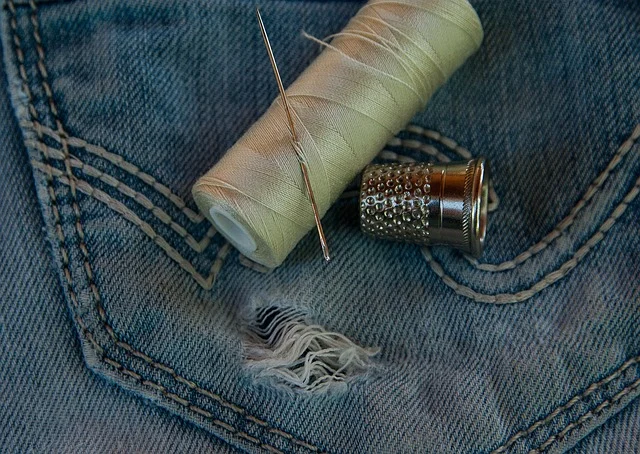
- Yarn Spinning & Dyeing: Raw cotton fibers are spun into yarn. Workers dye warp threads using indigo dye vats. Weft threads remain white, creating the iconic two-tone diagonal weave of blue denim.
- Weaving: Heavy machinery weaves the yarn into standard right-hand twill denim, generally weighing between 10 oz and 14 oz per square yard.
- Pattern Cutting & Stitching: Automated lasers or die-cutters cut panels according to fit templates. Industrial sewing machines bind the seam panels using heavy-duty poly-cotton thread.
- Riveting & Branding: Solid copper rivets are hammered onto front pocket corners. Workers sew the leather or Jacron paper “Two Horse Pull” patch onto the back right waist. Finally, they insert the trademarked Red Tab into the back right pocket seam.
- Washing & Finishing: Raw jeans are stone-washed, distressed, or treated with laser-etching and ozone treatments to achieve specific color washes and worn-in textures.
Why Levi’s jeans are so expensive
While basic department-store denim wears out quickly, Levi’s jeans command higher prices due to long-term quality factors:
- Reinforced Hardware: Copper rivets, heavy steel shanks, and bar-tack stitching prevent tear-outs at high-stress seams.
- Fabric Longevity: Levi’s uses ring-spun cotton and high-density weaves that withstand hundreds of wash cycles without shredding.
- Sustainable Tech Investments: Levi’s Water<Less® production techniques drastically reduce water consumption (up to 96% less water on specific wash finishes). This raises clean production standards globally.
- Archival Design Precision: Historical fits retain exact proportion ratios, pocket placements, and arcuate stitching lines that demand tight quality control.
Why Levi’s jeans are the best
Levi’s maintains its market leadership because of fit consistency, heritage, and adaptability. Unlike fast-fashion labels that alter sizing parameters seasonally, Levi’s maintains tight manufacturing tolerances on foundational cuts like the 501, 505, and 511. Also, pure cotton denim develops a personalized patina and shapes to the wearer’s body over time. This provides customized comfort that synthetic pants cannot mirror.
Are Levi’s jeans still fashionable in 2026?
Absolutely. Levi’s jeans remain a cornerstone of casual fashion in 2026, celebrated for their timeless styles, quality construction, and cultural relevance. They adapt to trends—such as slouchy 90s fits, wide-leg cuts, and classic straight silhouettes—while retaining historic construction integrity. This ensures their continued global popularity.
What is the most popular Levi’s jean fit?
The 501 Original Fit is arguably the most iconic and consistently popular jean worldwide. Modern fits like the 511 Slim Fit and 541 Athletic Fit for men are also top bestsellers. Similarly, the 721 High Rise and Ribcage Straight for women excel in contemporary wardrobes.
How to shrink Levi’s jeans
However, improper shrinking can cause uneven shrinkage or damage fibers if done recklessly. Follow this process:
- The Bathtub Method (Best Fit): Put on the dry 100% cotton jeans, sit in a tub of warm water for 20–30 minutes, then wear them until dry so the fabric molds directly to your body.
- The Machine Washing Method: Wash the jeans inside out in hot water, then dry them on high heat in a tumble dryer. Expect up to 1 to 2 inches of waist reduction and up to 2 inches of length reduction on un-sanforized raw denim.
Where can I buy authentic Levi’s jeans?
Purchase Levi’s jeans directly from official Levi’s retail stores, the official Levi’s website, authorized department stores like Nordstrom and Dillard’s, or authorized retailers like Amazon and Target to ensure authenticity. Look out for seasonal end-of-season sales and rewards programs to secure discounts on core styles.
Frequently asked questions
Why does my Levi’s red tab only have the ® symbol and no text?
Levi Strauss & Co. This is done to legally defend their trademark rights to the red tab tab placement itself, regardless of any text printed on it.
How often should you wash Levi’s jeans?
Levi’s official advice is to wash denim only once every 10 to 100 wears unless visibly soiled. Spot cleaning with a damp cloth and hanging denim in fresh air preserves fabric structure, prevents indigo wash fading, and saves water.
How should I size Levi’s Shrink-to-Fit jeans?
For raw, un-sanforized Shrink-to-Fit 501s, buy your true waist size if you plan to dry clean or wash in cold water without tumble drying. If you plan to wash in warm water and machine dry, buy 1 inch larger in the waist for sizes 27–36 (2 inches for 38+) and 2 inches longer in the inseam.
What is Levi’s Water<Less technology?
Sources: Levi Strauss & Co.


