



Both dermatologist-recommended brands restore the skin barrier using ceramides, niacinamide, and hyaluronic acid. However, CeraVe relies on MultiVesicular Emulsion (MVE) technology for sustained 24-hour hydration, whereas La Roche-Posay incorporates soothing prebiotic thermal spring water and advanced actives like lipo-hydroxy acid.
The following guide details their brand origins, pricing differences, ingredient profiles, gently hydrating versus purifying cleansers, lightweight facial moisturizers, and heavy barrier recovery balms.
La Roche-Posay vs CeraVe: Which Skincare Brand Wins?
- Both brands rely on barrier-supporting ingredients like ceramides, hyaluronic acid, and niacinamide to repair compromised skin.
- La Roche-Posay incorporates thermal spring water, specialized actives like lipo-hydroxy acid (LHA), and offers cosmetically elegant finishes suited for reactive or acne-prone skin.
- CeraVe uses MultiVesicular Emulsion (MVE) technology for sustained ingredient release, giving you high-volume, reliable barrier repair at a lower cost per ounce.
- Combining products from both lines often yields the best balance between affordable daily hydration and targeted skin treatments.
How do La Roche-Posay and CeraVe differ in brand philosophy and technology?
A La Roche Posay vs CeraVe comparison shows how brand origins explain differing product formulations. La Roche-Posay originated in France and built its identity around local thermal spring water. This water naturally contains high concentrations of selenium, a mineral known for its antioxidant and soothing properties. The brand operates with a French pharmacy heritage. As a result, it conducts rigorous clinical trials on reactive, eczema-prone, and post-procedure skin to create targeted dermatological solutions.
CeraVe was created in the United States in 2005 alongside board-certified dermatologists. The core mission was to develop accessible, fragrance-free skincare built around skin-identical lipids. So, CeraVe centers every foundational formula on three essential ceramides (1, 3, and 6-II) paired with phytosphingosine and cholesterol to mimic human skin’s natural lipid matrix.
The technological delivery systems also differ in a La Roche-Posay vs CeraVe comparison. CeraVe uses patented MultiVesicular Emulsion (MVE) delivery technology. MVE encapsulates moisturizing ingredients inside concentric spheres that slowly unfold layer by layer over 24 hours. This provides sustained release of ceramides and hyaluronic acid throughout the day. La Roche-Posay relies on prebiotic thermal water to support the skin’s microbiome alongside specialized active complexes like Neurosensine for irritation, Aqua Posae Filiformis for eczema flare-ups, and Lipo-Hydroxy Acid (LHA) for gentle cell turnover.
Key ingredients: Ceramides, thermal water, and active compounds compared
Both brands prioritize skin barrier repair, but their ingredient selection reflects different clinical goals.
Ceramides: CeraVe uses Ceramides 1, 3, and 6-II in nearly every product, ensuring basic cleansers deliver lipid-replenishing benefits. In a La Roche Posay vs CeraVe comparison, La Roche-Posay uses Ceramide-3 in its Toleriane and Lipikar lines. Also, it pairs it with heavy glycerin and niacinamide doses.
Hyaluronic Acid and Niacinamide: Hyaluronic acid acts as a humectant that pulls moisture into the outer skin layers. CeraVe incorporates hyaluronic acid across its entire line. Also, Niacinamide (Vitamin B3) appears in both brands to soothe redness, regulate sebum, and support barrier lipids.
Specialized Actives: La Roche-Posay offers a wider palette of specialized medicinal actives. For example, these include Lipo-Hydroxy Acid (a derivative of salicylic acid that exfoliates cell-by-cell), Micronized Benzoyl Peroxide, Madecassoside (a soothing extract from Centella Asiatica), Panthenol (Vitamin B5), and Zinc PCA.
Quick comparison: La Roche-Posay vs CeraVe
| Feature | CeraVe | La Roche-Posay | Key Difference |
|---|---|---|---|
| Brand Origin | United States (2005) | France (1975) | American clinical daily staples vs French pharmacy therapeutic care |
| Core Technology | MVE Sustained-Release Spheres | Prebiotic Thermal Spring Water | 24-hour slow release vs microbiome-soothing antioxidants |
| Primary Barrier Ingredient | Ceramides 1, 3, 6-II Trio | Ceramide-3 + Glycerin + Niacinamide | CeraVe uses a multi-ceramide blend; LRP uses ceramides with niacinamide |
| Sunscreen Lineup | Hydrating Mineral & AM SPF 30 | Anthelios Line (SPF 30 to 60+) | LRP offers superior cosmetic elegance and advanced UV filters |
| Targeted Acne Care | Acne Control (2% SA & 4% BP) | Effaclar Line (5% BP + LHA) | LRP offers higher strength and faster targeted exfoliation |
| Average Price Range | $0.80 – $1.50 per oz | $1.80 – $5.00+ per oz | CeraVe is significantly more budget-friendly per fluid ounce |
Cleansers compared: Gentle hydration vs deep purifying cleansers
Cleansing removes dirt, oil, and sunscreen without disrupting the stratum corneum. Both brands produce top-rated cleansers, but their textures and sensory finishes appeal to different skin types.
Gentle hydrating cleansers for dry and sensitive skin
The CeraVe Hydrating Facial Cleanser has a rich, lotion-like consistency that does not foam at all. It uses cetearyl alcohol, hyaluronic acid, and ceramides to wipe away light surface impurities while leaving a protective hydrating film on the skin. It works exceptionally well for dry, compromised, or winter-weather skin in a La Roche Posay vs CeraVe comparison. However, some oily skin types feel it leaves behind too much residue.
In a La Roche Posay vs CeraVe comparison, La Roche-Posay Toleriane Hydrating Gentle Cleanser matches CeraVe’s lotion texture while rinsing cleaner. Formulated with prebiotic thermal spring water, Ceramide-3, niacinamide, and glycerin, it soothes stinging sensations on contact. If you dislike CeraVe’s slight film, the La Roche-Posay option delivers gentle hydration with a smoother, residue-free rinse.
Purifying and foaming cleansers for oily and acne-prone skin
For combination to oily skin, CeraVe Foaming Facial Cleanser uses cocamidopropyl hydroxysultaine and sodium lauroyl sarcosinate to create a gel-to-foam lather. It removes excess sebum without stripping the skin, backed by hyaluronic acid and niacinamide to keep the skin comfortable post-wash.
La Roche-Posay provides two distinct foaming options for a La Roche Posay vs CeraVe comparison. The Toleriane Purifying Foaming Cleanser offers a soft gel texture designed for oily, sensitive skin that needs moisture retention. For severely oily or congestion-prone skin, La Roche-Posay Effaclar Purifying Foaming Gel Cleanser uses Zinc PCA to actively reduce sebum production and purify pores. The Effaclar cleanser provides deeper oil control than CeraVe’s standard foaming wash. As a result, it works better for hot climates or severe daytime shine.
Daily moisturizers and barrier repair: Cream, lotions, and balms
Moisturizers lock in hydration and repair cracks in the skin barrier. Also, the texture and weight of these products dictate how well they sit under makeup and fit into daily routines.
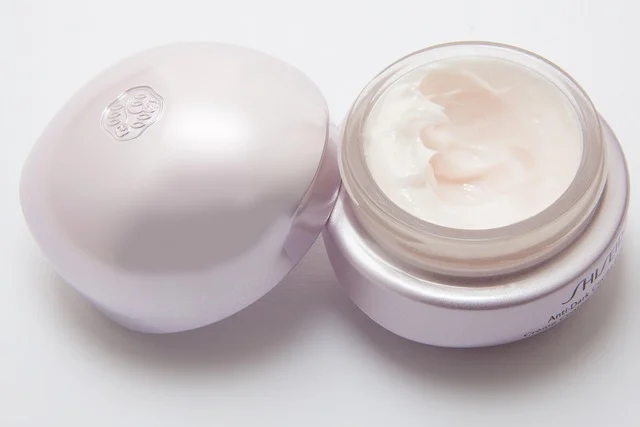
Lightweight daily face moisturizers
Its lightweight consistency absorbs quickly into the skin without leaving a greasy sheen, making it a favorite for night use as well as daytime wear under sunscreen for normal to combination skin.
La Roche-Posay Toleriane Double Repair Face Moisturizer directly competes with CeraVe PM in a La Roche Posay vs CeraVe comparison. It pairs Ceramide-3, niacinamide, glycerin, and prebiotic thermal water in a soothing cream texture designed to restore the skin barrier in one hour. Toleriane Double Repair feels slightly more velvety on the face than CeraVe PM. However, if you layer it over heavy silicone serums or apply it too quickly before it dries, Toleriane Double Repair can sometimes pill under makeup—a issue rarely seen with CeraVe PM.
Heavyweight body creams and barrier recovery balms
For body dry spots, severe flaking, or eczema, CeraVe Moisturizing Cream (famously sold in a tub with a pump) is an industry benchmark in a La Roche Posay vs CeraVe comparison. Rich in petrolatum, mineral oil, and ceramides, it creates an occlusive seal. As a result, this seal traps moisture for hours without feeling sticky once rubbed in.
La Roche-Posay offers two heavy-duty alternatives:
- Lipikar AP+M Triple Repair Moisturizing Cream: An ultra-rich body and face cream powered by shea butter, niacinamide, and Aqua Posae Filiformis. It rebalances the skin microbiome and stops intense itching. As a result, it is superior for active eczema flare-ups.
- Cicaplast Baume B5+: A thick therapeutic balm containing 5% Panthenol (Vitamin B5), Madecassoside, and a zinc-manganese antibacterial complex. Cicaplast is not designed as a daily all-over face cream; it acts as a spot treatment or overnight mask for chapped skin, windburn, retinol irritation, or post-chemical peel recovery. CeraVe lacks a direct equivalent to Cicaplast Baume B5+, relying instead on its petrolatum-based CeraVe Healing Ointment.
Sunscreen comparison: Daily SPF vs advanced sun protection
Sunscreen performance heavily depends on cosmetic elegance, UV filters, and how invisible the formula appears on different skin tones.

In a CeraVe vs La Roche Posay comparison, CeraVe sunscreens focus primarily on mineral protection and multi-tasking daily lotions. The CeraVe AM Facial Moisturizing Lotion SPF 30 combines daily hydration with both chemical and mineral UV filters. [cerave.com] However, its thick texture can feel heavy on greasy skin and may sting sensitive eyes. CeraVe Hydrating Mineral Sunscreen SPF 30 Sheer Tint uses zinc oxide and titanium dioxide to protect sensitive skin. The non-tinted mineral versions tend to leave a noticeable chalky white cast on medium to deep skin tones.
La Roche-Posay dominates the sun care category with its internationally acclaimed Anthelios line. Utilizing advanced UV filter technology and antioxidants (Cell-Ox Shield), Anthelios sunscreens provide high broad-spectrum protection with weightless finishes:
- Anthelios Melt-in Milk Sunscreen SPF 60: A fast-absorbing body and face lotion that offers water-resistant protection without greasiness.
- Next, Anthelios Clear Skin Dry Touch SPF 60: Formulated with perlite and silica to absorb excess oil and sweat, leaving a matte finish ideal for breakout-prone skin.
- Anthelios UVmune 400 / Light Fluid SPF 50+: Ultra-fluid liquid textures that melt invisibly into dark skin tones without pilling, shiny residue, or eye stinging.
If daily sunscreen wear is a struggle due to white cast or heavy textures, La Roche-Posay Anthelios is significantly superior to CeraVe’s SPF lineup.
Targeted skincare concerns: Acne, rosacea, and anti-aging
When treating specific skin conditions, formula potency and delivery mechanisms dictate your results.
Acne care and breakout treatments
CeraVe manages acne with gentle, non-stripping daily steps.
La Roche-Posay takes a medical approach with its Effaclar system in a La Roche-Posay vs CeraVe comparison. The micronized benzoyl peroxide penetrates deep into pores to clear inflammatory blemishes quickly, while LHA provides precise cell-by-cell micro-exfoliation. Effaclar Duo works faster on stubborn cystic or inflammatory breakouts than CeraVe’s gentler salicylic gel, though it carries a higher risk of initial dryness.
Rosacea, redness, and reactive skin
Skin prone to rosacea requires minimal friction and zero fragrance. CeraVe supports rosacea indirectly by strengthening the lipid barrier with ceramides and soothing skin with niacinamide. In a La Roche-Posay vs CeraVe comparison, La Roche-Posay develops formulas specifically engineered for flushing and redness, such as Toleriane Dermallergo and Rosaliac AR Intense. These products utilize thermal spring water and Neurosensine to calm nerve reactivity in inflamed capillaries instantly.
Retinol and anti-aging routines
In a La Roche Posay vs CeraVe comparison for fine lines and textured skin, CeraVe offers two budget-friendly retinols. First, CeraVe Resurfacing Retinol Serum fades post-acne marks and smooths pore texture with licorice root extract. Next, CeraVe Skin Renewing Retinol Serum focuses on fine lines. Both use encapsulated retinol to slow release the ingredient. This prevents the redness and flaking common with vitamin A derivatives.
It delivers stronger anti-aging and cell-turnover benefits than CeraVe’s serums, making it more effective for established wrinkles, though beginners should introduce it slowly to build tolerance.
Price, packaging, and total value
Price per fluid ounce is where CeraVe holds a clear advantage. CeraVe products are designed as mass-market staples:
- Next, CeraVe Moisturizing Cream: Typically costs between $16 and $20 for a large 16-ounce tub (roughly $1.00 to $1.25 per ounce).
- CeraVe Cleansers: A 16-fluid-ounce bottle runs approximately $15 to $18 ($0.95 to $1.15 per ounce).
La Roche-Posay products reflect French pharmacy pricing:
- Also, La Roche-Posay Toleriane Double Repair: Costs around $22 to $25 for a 2.5-fluid-ounce tube (roughly $8.80 to $10.00 per ounce).
- La Roche-Posay Toleriane Cleansers: Priced around $17 to $20 for 13.5 fluid ounces ($1.25 to $1.50 per ounce).
- Then, La Roche-Posay Anthelios Sunscreens: Range from $22 to $38 for 1.7 to 5.0 fluid ounces ($6.00 to $15.00+ per ounce).
If you need high-volume, head-to-toe hydration on a budget, CeraVe provides unmatched financial value. However, La Roche-Posay justifies its higher cost on facial products through superior texture elegance, advanced active ingredient concentrations, and targeted dermatological performance.
Common mistakes and drawbacks to avoid
Choosing between these brands requires matching product chemistry to your skin’s specific quirks. However, avoid these common missteps:
- Applying CeraVe Moisturizing Cream (tub) to acne-prone facial skin: While incredible for dry body skin, the tub cream contains cetearyl alcohol combined with ceteareth-20. As a result, this specific combination can be comedogenic for people prone to clogged pores, causing small closed comedones across the forehead and cheeks. Stick to CeraVe PM or CeraVe Ultra-Light Lotion for facial use.
- Rubbing La Roche-Posay Double Repair Moisturizer into dry skin too fast: Toleriane Double Repair contains film-forming agents and high glycerin levels. Applying it immediately over heavy silicone serums or rubbing it aggressively causes the cream to pill into small white rolls. So, apply it to slightly damp skin and gently pat it in.
- Expecting CeraVe Mineral Sunscreens to blend smoothly on dark skin: CeraVe’s untinted physical sunscreens rely heavily on zinc oxide. Because of this, they inevitably leave a white cast on deeper skin tones. Choose La Roche-Posay Anthelios fluid formulas if invisible wear is your priority.
- Over-treating mild acne with full-strength Effaclar lines: Using La Roche-Posay Effaclar Medicated Cleanser, Effaclar Duo, and alcohol-based toners all at once will destroy your skin barrier. Instead, balance potent active treatments with gentle, hydrating moisturizers.
How to mix and match both brands in one routine
You do not need to restrict your vanity to a single brand. For example, combining CeraVe’s low-cost hydrating staples with La Roche-Posay’s high-performance treatments creates a cost-effective, high-performing routine.
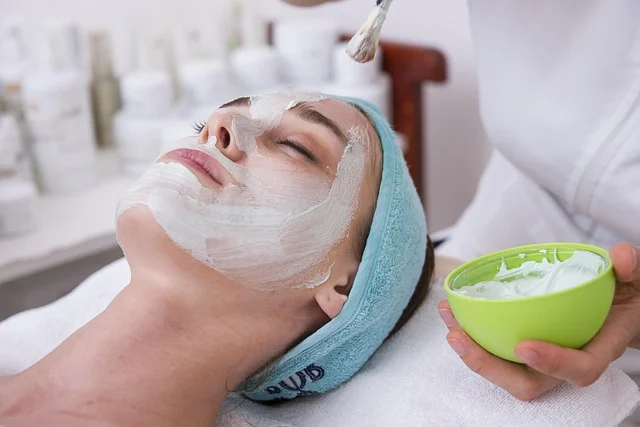
Sample Combination Routine for Combination / Acne-Prone Skin
Morning Routine:
- Cleanse with CeraVe Hydrating Facial Cleanser (gentle, inexpensive base wash).
- Treat localized breakouts with La Roche-Posay Effaclar Duo (spot apply 5% Benzoyl Peroxide + LHA).
- Moisturize with CeraVe PM Facial Moisturizing Lotion (oil-free, lightweight hydration).
- Protect with La Roche-Posay Anthelios Clear Skin Dry Touch SPF 60 (shine control, zero white cast).
Evening Routine:
- Cleanse with La Roche-Posay Toleriane Purifying Foaming Cleanser (removes daily oil and sunscreen).
- Treat skin with CeraVe Resurfacing Retinol Serum (gentle, slow-release cell turnover).
- Hydrate and repair with La Roche-Posay Toleriane Double Repair Face Moisturizer (niacinamide and ceramide recovery).
- Spot-soothe dry or irritated patches with La Roche-Posay Cicaplast Baume B5+.
Sources: Welcome to CeraVe: Your Skincare & Haircare Expert
Related guides
Frequently asked questions
Are La Roche-Posay and CeraVe owned by the same company?
Yes, both brands are owned by the L’Oréal Group. Despite sharing parent company research resources, they maintain separate manufacturing lines, ingredient formulations, and brand philosophies.
Which brand is better for severe eczema or compromised skin?
CeraVe Moisturizing Cream offers superior budget-friendly, daily body hydration for general dry eczema.
Is La Roche-Posay better than CeraVe for acne?
La Roche-Posay is generally more effective for moderate to stubborn acne because its Effaclar Duo formula combines micronized benzoyl peroxide with lipo-hydroxy acid for faster pore penetration. CeraVe offers gentler salicylic acid alternatives best suited for mild congestion or sensitive skin.
Why does La Roche-Posay cost more than CeraVe?
La Roche-Posay imports products formulated around French thermal spring water and specialized pharmaceutical actives. These undergo extensive clinical testing on compromised skin types. CeraVe focuses on streamlined, mass-produced formulations with minimal packaging complexity to keep costs lower.
Can CeraVe Moisturizing Cream cause facial breakouts?
Yes, applying CeraVe Moisturizing Cream (the tub formula) to your face can clog pores if you have oily or acne-prone skin. Because the combination of cetearyl alcohol and ceteareth-20 can trigger closed comedones on acne-prone skin types.
Final verdict: Which brand should you choose?
When weighing La Roche-Posay vs CeraVe, neither brand is universally superior—they solve different problems for different budgets.
Select CeraVe if you want simple, reliable, dermatologist-designed daily staples at an accessible price. For example, CeraVe excels at high-volume body hydration, non-stripping daily facial cleansers, and budget-friendly retinols for normal to dry skin types who need steady barrier maintenance.
Select La Roche-Posay if you deal with active skin conditions like severe redness, rosacea, or inflammatory acne. Also choose it if you want cosmetically elegant, high-protection sunscreens that sit invisibly under makeup. While you will pay more per ounce, La Roche-Posay’s specialized French pharmacy formulas deliver targeted results that basic hydration creams cannot match.