











The Rise of Instant Manicures: Press On Nails in 2026
Press on nails have transcended their budget-friendly, temporary reputation to become a significant force in the beauty landscape as of May 2026. For those seeking a salon-worthy manicure without the time commitment or recurring expense, these pre-designed artificial nails offer a compelling solution. From intricate nail art to classic French tips, the variety and quality available today are astounding, making them a go-to option for busy individuals, fashion enthusiasts, and anyone looking to experiment with their look.
When this topic comes up in practice, the immediate thought for many is convenience. But the reality of press on nails in 2026 is far more nuanced, encompassing innovation in materials, adhesives, and design that rivals professional services. They represent a democratization of nail art, putting sophisticated looks within reach for a broader audience.
- Press on nails provide a quick, affordable, and versatile way to achieve professional-looking manicures at home.
- Innovations in adhesive technology and nail materials, as of 2026, have significantly improved their longevity and safety for natural nails.
- A wide array of styles, shapes, and designs are available, catering to diverse personal tastes and occasions.
- Proper application and removal are crucial for maximizing wear time and maintaining the health of your natural nails.
- Press on nails are a sustainable and reusable beauty option when cared for correctly.
Beyond the Basic: What Press On Nails Are in 2026
At their core, press on nails are artificial nail enhancements designed to be applied to natural nails using an adhesive. What distinguishes them today is the sheer sophistication and diversity on offer. Gone are the days of flimsy, ill-fitting plastic. Modern press on nails, often referred to as glue-on nails or artificial nails, are crafted from durable materials like ABS plastic or acrylic, and some even feature gel-infused designs for added strength and a high-gloss finish.
The market in 2026 offers an astounding spectrum of choices. You can find everything from ultra-short, natural-looking designs for everyday wear to elaborate, hand-painted creations featuring 3D embellishments, foils, and intricate artwork. The key differentiator from acrylics or gels applied in a salon is that these are pre-made and ready to be applied by the user, typically within minutes.
Consider Anya, a freelance graphic designer who often has client meetings on short notice. She relies on a curated collection of press on nails in various sophisticated shades and subtle designs. “I can switch my manicure to match my outfit or the client’s brand in under 15 minutes before a video call,” she explains. “It’s a major shift for maintaining a polished professional image without the weekly salon hassle.”
From Novelty to Necessity: The Evolution of Press On Nails
The journey of press on nails from a novelty item to a mainstream beauty staple is a testament to innovation and changing consumer demands. Early versions, popular in the late 20th century, were often basic plastic tips that adhered with weak adhesive tabs, leading to short wear times and a distinctly artificial look. They were seen as a quick fix, but rarely a high-quality one.
However, as of May 2026, the technology has advanced dramatically. Brands have invested heavily in research and development, focusing on better materials, more secure and skin-friendly adhesives, and a wider range of sizes and shapes to ensure a more natural and comfortable fit. The rise of social media platforms also played a crucial role, with influencers and nail artists showcasing increasingly elaborate and beautiful press on nail designs, normalizing their use and inspiring widespread adoption.
According to a survey conducted by Beauty Insights Group in late 2025, the global market for artificial nails, with press-ons forming a significant segment, was projected to grow by an average of 7% annually through 2028. Factors like increased disposable fuels this growth income for beauty products, a desire for instant gratification in personal grooming, and the undeniable convenience they offer.
The Vast World of Press On Nail Styles and Shapes
The aesthetic possibilities with press on nails are virtually limitless. As of 2026, the market is saturated with diverse styles, catering to every preference and occasion. Understanding the common shapes and finishes can help you choose the perfect set.
Popular Nail Shapes
The shape of your press on nail significantly impacts the overall look. Here are some of the most popular choices:
- Square: A classic, straight-edged shape with rounded corners, offering a clean and modern appearance.
- Squoval: A softer version of the square, featuring more rounded edges for a natural, wearable look.
- Round: Perfectly curved to follow the natural contour of the nail bed, providing a subtle and classic finish.
- Almond: Elongated and tapering to a soft point, this shape is elegant and elongates the fingers.
- Coffin/Ballerina: A dramatic, tapered shape that flattens at the tip. It’s bold and fashionable.
- Stiletto: Sharply pointed at the tip, this is a high-fashion, attention-grabbing shape.
The choice of shape often depends on personal preference, the length of the nail, and the desired aesthetic. For instance, shorter, squoval nails are ideal for daily wear, while stiletto or coffin shapes are better suited for special events.
Finishes and Designs
Beyond shape, press on nails come in an incredible array of finishes and designs:
- Solid Colors: From timeless nudes and classic reds to bold neons and deep jewel tones, solid colors offer versatility.
- French Manicure: The iconic white tip on a neutral base remains a perennially popular choice.
- Ombre: A smooth gradient effect, blending two or more colors, is a sophisticated option.
- Glitter/Metallic: For a touch of sparkle and glamour, glitter or metallic finishes are excellent.
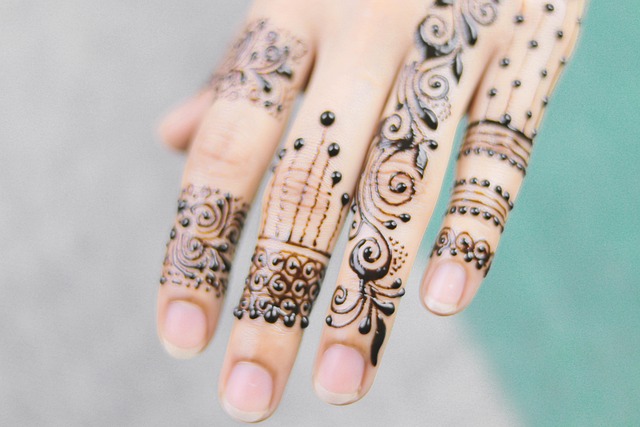
- Nail Art: This encompasses everything from simple dots and stripes to intricate hand-painted designs, decals, and 3D embellishments. Popular themes as of 2026 include abstract art, floral motifs, and minimalist geometric patterns.
- Gel-Infused: Many press ons now feature a gel coating for enhanced durability, shine, and a more realistic appearance.
Consider Liam, a musician who needs his nails to look sharp for performances but can’t commit to salon gels due to frequent travel. He opts for custom press on nails in a matte black coffin shape with subtle silver accents. “They dry instantly, look professional, and I can swap them out easily between gigs if one gets damaged,” he says. “It’s essential for my stage presence.”
Mastering the Application: How to Apply Press On Nails
Achieving a long-lasting and natural-looking manicure with press on nails hinges on proper application. While seemingly straightforward, a few key steps can make all the difference. As of May 2026, the most reliable methods involve either adhesive tabs or nail glue.
Step-by-Step Application Guide
- Preparation is Key: Start by removing any old polish. Gently push back your cuticles using a cuticle pusher.
- Shape and Buff: File your natural nails to your desired shape and length. Lightly buff the surface of your natural nails with a fine-grit file. This creates a slightly rough surface for the adhesive to grip onto, crucial for longevity.
- Cleanse and Dry: Wash your hands thoroughly with soap and water, ensuring no oils or residue remain. Some recommend using an alcohol wipe or nail cleanser to further degrease the nail surface. Allow them to dry completely.
- Select the Right Size: Each press on nail kit comes with multiple sizes. Hold the press on nail over your natural nail to find the best fit. It should cover your nail from sidewall to sidewall without overlapping onto the cuticle or skin. If you’re between sizes, it’s generally better to opt for the smaller one to avoid a bulky look.
- Apply Adhesive:
- For Adhesive Tabs: Peel a tab from the sheet and place it onto your natural nail, aligning it with the cuticle. Remove the protective backing.
- For Nail Glue: Apply a thin, even layer of nail glue to the back of the press on nail. Some also recommend a tiny dot on the natural nail. Avoid applying too much glue, as it can flood the cuticle area and cause lifting or damage.
- Press and Hold: Carefully align the press on nail with your cuticle and press down firmly. Hold for 30-60 seconds (longer for glue) to ensure a strong bond and allow the adhesive to set. Ensure there are no air bubbles trapped underneath.
- Repeat for All Nails: Continue this process for all ten fingers.
- Final Touches: Once all nails are applied, you can gently file the edges for a perfect finish or trim them if they are too long.
A common mistake is rushing the drying time or not properly prepping the nail bed. For instance, if you apply press ons immediately after washing hands without drying them thoroughly, moisture trapped beneath the adhesive will significantly shorten the manicure’s lifespan, potentially causing lifting within hours.

Adhesive Options: Tabs vs. Glue
The choice of adhesive is critical for both the wear time and the health of your natural nails. As of May 2026, both adhesive tabs and nail glue offer distinct advantages and disadvantages.
Adhesive Tabs
Adhesive tabs, often called ‘sticky tabs’ or ‘double-sided nail tape’, are a popular choice for their ease of use and minimal potential for damage. They are essentially small, pre-cut adhesive stickers that adhere to your natural nail, and the press on nail is then placed on top.
- Pros: Extremely easy to apply, allow for quick changes, generally cause the least damage to natural nails, and are ideal for short-term wear (1-3 days). They are also mess-free.
- Cons: Offer the shortest wear time. They are less durable and more prone to snagging or peeling, especially with frequent hand washing or exposure to water.
Nail Glue
Liquid nail glue provides a stronger, more durable bond, allowing press on nails to last significantly longer, often up to 1-2 weeks with proper care. It’s a more traditional method for securing artificial nails.
- Pros: Superior longevity and strength, making them ideal for extended wear or special occasions. They feel more secure and are less likely to pop off unexpectedly.
- Cons: Can be messier to apply if not careful. Removal requires more effort and can potentially cause damage to the natural nail if done improperly. It’s crucial to use a quality glue designed for nails and avoid getting it on the skin or cuticles.
For a weekend event, perhaps a wedding or a concert, using a quality nail glue might be preferable for guaranteed staying power. However, for daily wear or if you plan to switch styles frequently, adhesive tabs are a safer and more convenient bet. Many users find a balance, using tabs for everyday and glue for special occasions.
Maximizing Longevity: Tips for Press On Nail Care
Press on nails, particularly those applied with glue, can last from a few days to over two weeks. However, their lifespan depends heavily on the application method, the quality of the nails and adhesive, and how well you care for them. As of 2026, these tips are paramount for extending their beauty:
- Be Gentle: Avoid using your nails as tools. Don’t use them to pry open packages, scrape surfaces, or pick at labels. This puts undue stress on the adhesive bond and the nail itself.
- Water Wisdom: Prolonged exposure to water can weaken adhesives. Wear gloves when doing dishes, cleaning, or any activity involving prolonged submersion of your hands in water.
- Moisturize (Carefully): Keep your hands and cuticles moisturized with cuticle oil or hand cream. However, avoid applying oil directly along the cuticle line of the press on nail itself, as it can seep under the nail and break down the glue.
- Avoid Harsh Chemicals: Exposure to strong solvents, cleaning agents, or even certain hand sanitizers can degrade the nail material and the adhesive.
- Touch-Ups: If a nail starts to lift at the edge, you can sometimes fix it with a tiny bit of nail glue or a dab of adhesive if it’s a tab.
Consider the scenario of Maya, a barista who loves the look of long, dramatic nails but needs them to withstand her job. She applies her press ons with a strong nail glue and always wears rubber gloves when washing espresso machines or handling wet ingredients. “It’s the gloves that make the difference,” she notes. “Without them, I’d be lucky if my nails lasted two days. With them, I can often get a week or more out of a set.”
Safe Removal: Protecting Your Natural Nails
Proper removal is just as crucial as application for maintaining the health of your natural nails. Ripping or prying off press on nails can lead to thinning, peeling, or damage to your nail beds. As of May 2026, the safest methods involve softening the adhesive.
Gentle Removal Techniques
- Soak in Warm, Soapy Water: For adhesive tabs, a good soak in warm water can often loosen the bond enough to gently peel the nails off.
- Acetone Soak: For nail glue, the most effective method is soaking your fingers in acetone-based nail polish remover. Fill a bowl with acetone, submerge your fingertips for 10-15 minutes, or until the glue begins to soften.
- Loosen and Lift: Gently try to lift the press on nail from the side or cuticle area. If it doesn’t budge easily, soak for a few more minutes. Never force it.
- Push and Scrape (Carefully): Once the nail is loose, use a cuticle pusher or orange stick to gently lift it off. You can also use a small amount of cuticle oil or olive oil to help ease the nail away.
- Clean Up: After removing the press on nail, gently buff away any remaining glue residue from your natural nails.
- Nourish: Apply cuticle oil and a good hand moisturizer to rehydrate your natural nails and surrounding skin.
A critical error is using harsh tools or excessive force. For example, attempting to pry off a stubbornly adhered nail with metal nippers can easily tear away layers of your natural nail, leading to significant damage that takes weeks to grow out. Patience is key.
According to dermatologists cited by the American Academy of Dermatology Association (as of 2026), consistent use of acetone without proper follow-up hydration can lead to dry, brittle nails. This underscores the importance of the post-removal nourishment step.
Press On Nails: The Good, The Bad, and The Realistic
Like any beauty solution, press on nails come with their own set of advantages and disadvantages. Understanding these can help you make an informed decision about whether they are the right choice for you.
Advantages
- Speed and Convenience: Achieve a full manicure in minutes, perfect for busy schedules or last-minute events.
- Affordability: Significantly cheaper than salon manicures, with sets often costing between $5 and $25.
- Variety: An endless selection of colors, designs, shapes, and sizes.
- Non-Damaging (When Applied/Removed Correctly): Unlike some salon treatments, press ons are generally safe for natural nails if handled properly.
- Experimentation: Allows for easy experimentation with trends and styles without long-term commitment.
- Reusable: Many high-quality press on nails can be cleaned and reused multiple times.
Disadvantages
- Shorter Wear Time (for Tabs): Adhesive tabs may only last a few days.
- Potential for Nail Damage: Improper application or removal can damage natural nails.
- Can Look Artificial: Lower-quality or poorly sized nails might appear obviously fake.
- Water Sensitivity: Prolonged water exposure can weaken the adhesive.
- Less Customization (Off-the-Shelf): While variety is high, finding a perfect custom fit and design off-the-shelf can sometimes be challenging compared to bespoke salon services.
For example, a set of custom gel press ons from a boutique brand might cost around $40-$60, offering professional-level design and fit, but still costing less than a full gel set at a salon which could easily run $70-$100 plus tip. The trade-off is the application time and the fact that the salon professional applies them, ensuring a perfect finish.
The Latest Press On Nail Trends for 2026
As of May 2026, the world of press on nails is buzzing with innovation and style. Beyond the classic looks, several emerging trends are making waves:
- Micro-Nail Art: Tiny, intricate designs that are subtle yet impactful. Think minimalist flowers, delicate lines, or tiny celestial motifs.
- Textured Finishes: Beyond gloss and matte, expect to see more velvet effects, chrome finishes with depth, and even subtle 3D textures that add a tactile element.
- Nature-Inspired Palettes: Shades of earthy browns, mossy greens, serene blues, and soft terracotta are gaining popularity, reflecting a desire for natural beauty. “Matcha nails” and “brown nails” were particularly noted trends emerging in spring 2026.
- Sheer and Transparent Tones: A revival of sheer, jelly-like finishes in various hues, offering a delicate and airy aesthetic.
- Customizable Kits: Brands are increasingly offering kits that allow users to mix and match elements, or even upload custom designs for print-on-demand nails.
This move towards more sophisticated and personalized designs reflects how press on nails are no longer just a quick fix but a genuine form of self-expression, much like a tattoo or a carefully chosen outfit. As reported by The Everygirl in May 2026, “Popsicle Nails” and “Ladybug Nails” were also highlighted as fun, seasonal trends.
Frequently Asked Questions About Press On Nails
Are press on nails safe for your natural nails?
Yes, press on nails are generally safe for your natural nails if applied and removed correctly. Avoiding excessive force during removal and ensuring proper nail bed preparation are key to preventing damage.
How long do press on nails typically last?
With adhesive tabs, they can last 1-3 days. Using nail glue and proper care, they can last anywhere from 1 to 2 weeks, sometimes longer, depending on your daily activities and nail care habits.
Can I swim or shower with press on nails?
You can shower and swim with press on nails, but prolonged submersion in water can weaken the adhesive. Wearing gloves for extensive water activities is recommended to maximize wear time.
Are press on nails cheaper than salon manicures?
Absolutely. A set of press on nails typically costs between $5 to $30, while a professional salon manicure can range from $30 to $100 or more, making press ons a significantly more budget-friendly option.
Can I cut or file press on nails after application?
Yes, you can carefully trim and file press on nails after application to achieve your desired shape and length. It’s best to use a fine-grit file to avoid damaging the nail surface.
Where can I buy high-quality press on nails?
High-quality press on nails can be found at major beauty retailers like Ulta and Target, directly from brand websites such as KISS USA or DoryNail, and through online marketplaces like Walmart.
The Verdict: Your Instant Nail Solution
Press on nails have evolved into a sophisticated, versatile, and accessible beauty solution. As of May 2026, they offer an unparalleled combination of speed, affordability, and style for anyone looking to enhance their look with a perfect manicure. By understanding the different types, mastering application and removal techniques, and following care tips, you can enjoy beautiful, long-lasting nails with minimal effort and maximum impact.
The actionable takeaway for readers is to experiment. Start with a few sets using adhesive tabs to get a feel for the process, then explore nail glue and more intricate designs as you gain confidence. The world of press on nails is your oyster, offering instant glamour at your fingertips.


