

Streetwear is a casual fashion movement rooted in California surf and skate culture, New York hip-hop, and Japanese street style. It prioritizes graphic t-shirts, hoodies, sneakers, and utilitarian outerwear. As a result, it blends everyday comfort with subcultural authenticity. It combines limited-edition exclusivity and relaxed silhouettes to create statement-driven clothing designed for daily wear.
What began as an underground youth movement in the late 20th century has transformed into a dominant force across the global fashion industry. However, understanding what streetwear is requires looking beyond individual garments like oversized hoodies or graphic tees. It is an approach to dressing that values community heritage, artistic expression, and functional utility over traditional formal dress codes.
Where did streetwear come from?
Streetwear developed through several distinct youth subcultures across North America and Asia during the late 1970s, 1980s, and 1990s. Rather than emerging from Parisian fashion houses or traditional design studios, artists, skaters, musicians, and surfboard shapers created it. They customized off-the-shelf garments to represent their immediate communities.
Surf and skate culture
The earliest foundations of streetwear formed in Southern California’s surf and skate communities during the 1970s and early 1980s. Surfboard shaper Shawn Stüssy began selling hand-printed t-shirts featuring his signature scrawled logo alongside custom surfboards. Stüssy’s approach established a new template for independent clothing brands: small production runs, distinctive branding, and direct roots in local youth culture. Skateboarders quickly adopted these durable graphic t-shirts, loose-fitting denim, and flat-soled canvas shoes. They accommodated physical movement while signaling subcultural belonging.
Hip-hop and urban culture
Concurrently during the 1980s and 1990s, the emerging hip-hop scene in New York City transformed athletic and workwear items. These became statements of personal style and status. MCs, DJs, breakdancers, and graffiti artists embraced full tracksuits, bucket hats from brands like Kangol, leather jackets, and crisp athletic sneakers. Also, brands like Adidas became deeply tied to hip-hop music, popularized by groups like Run-DMC who wore unlaced Superstar sneakers and track jackets. Footwear became a central canvas for personal pride and cultural expression.
Skate scarcity and drop culture
In 1994, James Jebbia opened Supreme on Lafayette Street in Lower Manhattan. This created a gathering hub for local skateboarders and downtown artists. Supreme introduced limited-quantity production runs, creating deliberate product scarcity that generated long queues outside the shop on release days. This drop strategy redefined how clothing was sold. It shifted focus from seasonal lines to frequent, limited product releases. According to the Hypebeast Streetwear Impact Report (2023), the global streetwear market was valued at $191.1 billion in 2026. This demonstrates how underground drop culture eventually evolved into a massive economic market.
Japanese Urahara movement
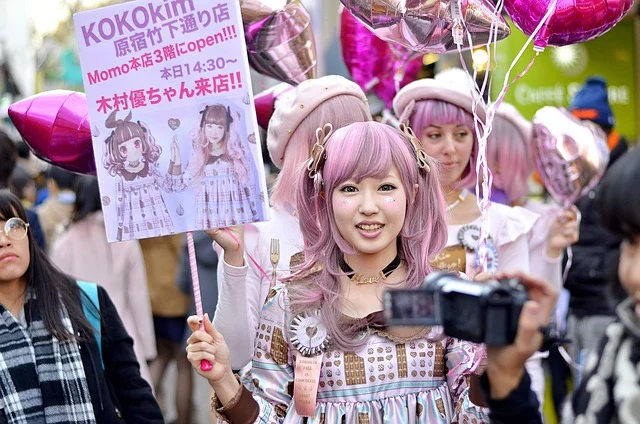
During the 1990s and early 2000s, Tokyo’s Harajuku district—specifically the backstreets known as Urahara—became an incubator for avant-garde streetwear. Designers like Nigo (founder of A Bathing Ape/BAPE), Jun Takahashi (Undercover), and Hiroshi Fujiwara (Fragment Design) synthesized American pop culture, punk rock, and military surplus into meticulous, highly collectible garments. BAPE introduced full-zip camouflage hoodies and limited-edition sneaker colorways, establishing a global precedent for graphic experimentation and obsessive fan collecting.
What defines streetwear style?
While streetwear styling changes across seasons and geographic regions, five core characteristics differentiate authentic streetwear from generic casual clothing.
Subcultural authenticity
Streetwear is grounded in specific physical locations and cultural activities—skate parks, basketball courts, music venues, and art studios. Credible streetwear brands maintain ties to these spaces rather than designing purely for commercial trends. Wearers use specific garments to show allegiance to creative movements, regional scenes, or artistic collectives.
Comfort and relaxed proportions
Unlike tailored formalwear that restricts movement, streetwear emphasizes relaxed fits and functional comfort. Drop-shoulder hoodies, heavyweight cotton t-shirts, wide-leg trousers, and fleece joggers allow for unhindered movement. This focus on physical ease stems directly from its origin in athletic activities like skateboarding, basketball, and breakdancing.
Bold graphics and visual branding
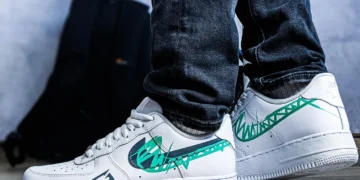
Graphics serve as visual messaging in streetwear. Artwork ranges from bold typographic brand logos and political slogans to original illustrations and licensed pop culture imagery. A well-designed graphic tee or screen-printed sweatshirt acts as a wearable billboard. For example, that involves custom typography or handmade accessories making a bold visual statement.
Sneaker-centric styling
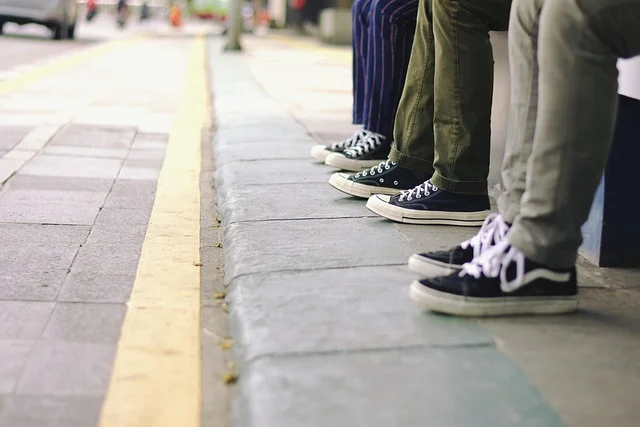
Sneakers are the cornerstone of almost every streetwear outfit. Rather than serving as an afterthought, footwear often dictates the palette, proportions, and overall tone of the rest of the look. Performance basketball shoes, retro running silhouettes, and classic skate shoes drive the culture, with specific retro releases generating immense collector interest.
Product scarcity and exclusive releases
Streetwear relies heavily on limited production runs and brand collaborations. By releasing items in restricted quantities, brands create high demand and a strong sense of community among collectors. Also, collaborations between unexpected partners generate novel designs that are rarely reproduced. Examples include skate brands partnering with high-fashion ateliers or outdoor gear manufacturers.
How does streetwear compare to other fashion categories?
Understanding streetwear becomes easier when comparing its core features against other common dress styles. These include standard casual wear, high fashion, and athleisure.

| Style Category | Primary Focus | Key Garments | Fit & Silhouette | Availability & Scarcity |
|---|---|---|---|---|
| Streetwear | Subcultural identity, graphic art, footwear | Graphic tees, hoodies, cargo pants, statement sneakers | Relaxed, boxy, or oversized | Limited drops, high scarcity, exclusive runs |
| Casual Wear | Everyday utility and general neatness | Chinos, basic polos, plain t-shirts, loafers, denim jackets | Standard regular fit | Mass market, widely available year-round |
| High Fashion / Luxury | Haute couture design, runway presentation, luxury materials | Tailored coats, silk gowns, structured blazers, runway boots | Experimental, tailored, body-conscious | High price point exclusivity, boutique distribution |
| Athleisure | Fitness, active lifestyle, technical flexibility | Gym leggings, performance joggers, tech hoodies, trainers | Form-fitting, streamlined, elasticized | Mass market sports retail distribution |
What are the main styles of streetwear?
Streetwear is not a single uniform look. As a result, it spans several distinct sub-genres, each drawing from different functional needs and cultural aesthetics.
Skatewear
Skatewear prioritizes durability, simplicity, and ease of movement. Essential pieces include heavyweight cotton graphic tees, durable canvas pants, zip-up hoodies, and flat-bottomed vulcanized shoes from heritage skate brands like Vans, Thrasher, and Supreme. Fits are loose to prevent ripping during movement, and the overall aesthetic remains understated and practical.
Hip-hop and urban style
Hip-hop styling features bolder graphics, prominent branding, oversized cuts, and eye-catching accessories. Also, it often incorporates athletic jerseys, matching fleece tracksuits, padded outerwear, statement sneakers, and headwear like snapback caps or beanies. This style emphasizes personal presence and status through clean, striking garments.
Workwear and utilitarian style
Utilitarian streetwear draws directly from classic blue-collar work clothing. Heritage workwear labels like Carhartt WIP and Dickies provide the backbone for this look. First, it features heavy canvas chore coats, double-knee trousers, carpenter pants, and insulated vests. It appeals to wearers who favor rugged construction, neutral earth tones, and functional multi-pocket designs over loud logos.
Techwear
Techwear combines futuristic cyberpunk aesthetics with high-performance outdoor functionality. For example, fabrics like Gore-Tex, waterproof nylon, and breathable synthetics are standard. Garments feature tactical pockets, taped seams, modular straps, and articulated joints, usually presented in monochromatic black or dark slate tones.
Luxury streetwear
Luxury streetwear merges relaxed athletic shapes with high-end manufacturing materials and luxury price points. Pioneered by designers like Virgil Abloh at Off-White and Louis Vuitton, as well as labels like Balenciaga and Fear of God, this aesthetic features heavyweight organic cotton, custom hardware, and refined fabric treatments. Line items such as Fear of God Essentials fleece pieces exemplify how minimal branding and high-grade fleece can form a daily luxury wardrobe.
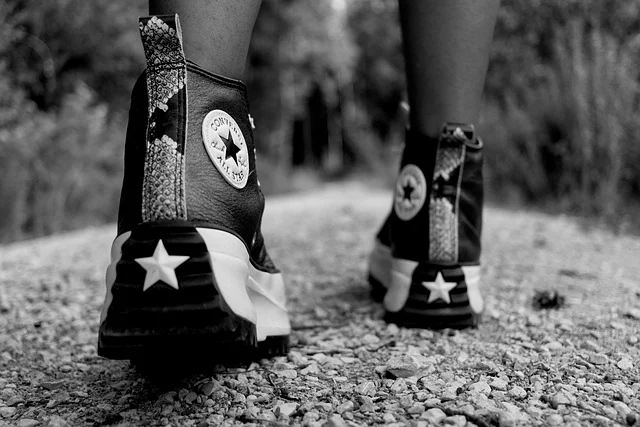
How to build and style a streetwear outfit
Constructing a balanced streetwear wardrobe does not require buying entire head-to-toe brand outfits. So, follow these practical steps to build an authentic, comfortable outfit.
- Start with quality foundational basics: Acquire two or three heavyweight cotton t-shirts in neutral colors (white, black, grey) and a structured pullover hoodie. High-grm (grams per square meter) fabrics hold their shape far better than thin, lightweight cotton.
- Select an anchor footwear piece: Choose a clean, classic sneaker model—such as a Nike Air Force 1, Adidas Forum, New Balance 550, or Vans Old Skool—that works across multiple trousers. Let your footwear anchor the outfit’s tone.
- Balance top and bottom proportions: If your hoodie or tee is significantly oversized or boxy, pair it with structured pants like straight-leg denim or relaxed cargo trousers. Avoid combining extreme tight-fitting denim with an ultra-baggy top, as it disrupts the overall balance.
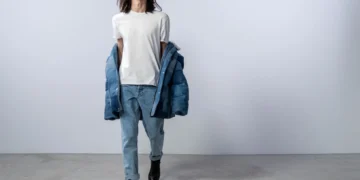
- Layer garments purposefully: Enhance visual interest by letting an elongated inner t-shirt hem peer out under a cropped hoodie, or wear an open denim jacket or chore coat over a graphic fleece crewneck.
- Add simple, functional accessories: Complete the look with a plain beanie, structured baseball cap, or a compact crossbody bag. Also, keep jewelry simple with a clean chain or minimal ring.
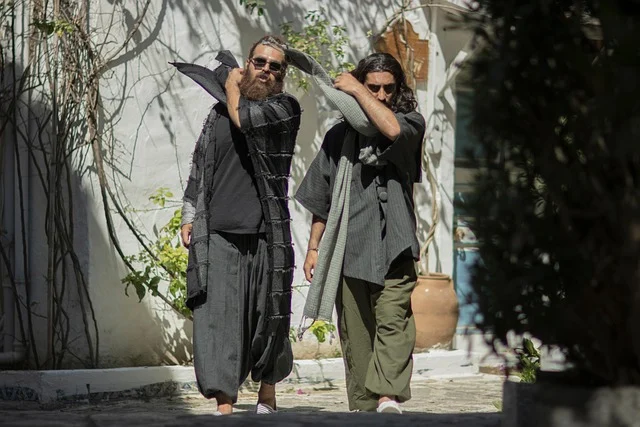
Common streetwear styling mistakes to avoid
Even simple casual outfits can fall flat if common styling pitfalls are overlooked.

- Wearing too many prominent logos at once: Combining a branded hat, branded hoodie, branded pants, and branded shoes can look chaotic. Limit your outfit to one prominent graphic or brand logo. Next, surround it with unbranded or understated basic garments.
- Confusing oversized with improperly sized: Wearing clothing that is simply three sizes too large often causes awkward shoulder bunching and excessively long sleeves. Look for garments explicitly designed with a “boxy fit” or “drop-shoulder” pattern in your actual true size.
- Wearing scuffed or unmaintained footwear: Because sneakers anchor streetwear looks, dirty or severely worn shoes can pull down the entire outfit. Keep your daily footwear wiped down and store your primary sneakers with shoe trees to maintain their shape.
- Mistaking active gym wear for streetwear: Wearing performance moisture-wicking compression shirts or running tights without casual layering looks like you are heading to a workout session rather than wearing streetwear. Mix technical pieces with heavy cottons, denim, or canvas to create texture contrast.
Who is streetwear not suited for?
While streetwear is widely adaptable, it may not fit every individual’s lifestyle or aesthetic needs:

- Strict formal workplaces: Environments requiring suits, blazers, or business formal dress codes leave little room for relaxed hoodies, graphic tees, or sneakers.
- Tailored silhouette enthusiasts: Those who prefer slim-fitting, body-contoured clothing may find streetwear’s boxy and oversized cuts unflattering or uncomfortable.
- Minimalists who dislike logos: Much of streetwear relies on visual branding, graphic storytelling, and subcultural motifs that may conflict with an entirely plain, logo-free wardrobe philosophy.
Sources: Streetwear
Frequently asked questions
What is the core philosophy of streetwear?
The core philosophy of streetwear revolves around authenticity, self-expression, and comfort. It often draws inspiration from subcultures like skateboarding, hip-hop, and surf, prioritizing real-world wearability and cultural relevance over fleeting trends.
How can I start building a streetwear wardrobe?
First, begin with essential pieces like quality graphic tees, comfortable hoodies, versatile sneakers, and well-fitting jeans or joggers. Focus on brands that align with your personal style and gradually add more statement or limited-edition items.
Is streetwear still considered “hype” in 2026?
Yes, “hype” remains a significant aspect of streetwear culture, driven by limited releases, collaborations, and social media influence. However, the definition of hype is broadening to include more diverse brands and aesthetics beyond just the most exclusive drops.
What’s the difference between streetwear and casual wear?
While there’s overlap, streetwear is more intentional, often tied to specific subcultures, brands, and a sense of community. Casual wear is broader and less defined by cultural movements or the desire for exclusivity often found in streetwear.
Are luxury brands part of streetwear?
Increasingly, yes. Many luxury fashion houses now incorporate streetwear elements into their collections, and some have launched dedicated streetwear lines. As a result, this fusion is a major trend.
How important are sneakers in streetwear?
Sneakers are foundational to streetwear. Indeed, they are often considered the most critical element of an outfit, highly collectible, and a key indicator of personal style and brand allegiance within the culture.