













Gorpcore is a fashion movement centered on wearing functional outdoor gear as everyday streetwear. So, people style waterproof hard shells, fleece mid-layers, cargo pants, and trail-running shoes for daily life. Named after the trail-mix acronym “Good Old Raisins and Peanuts,” this style prioritizes weather-resistant technical fabrics, utilitarian designs, and rugged footwear engineered for trail and mountain environments.
This guide explains the origins of the gorpcore name and the cultural shifts that brought performance outdoor wear to city sidewalks. It also breaks down the defining elements of a gorpcore wardrobe. Finally, it compares the aesthetic to other fashion styles like techwear, normcore, athleisure, and traditional streetwear.
What is Gorpcore? Your Guide to Outdoor Style
Gorpcore is a fashion movement centered on wearing functional, high-performance outdoor and hiking gear as everyday streetwear. Taking its name from the trail-mix acronym “Good Old Raisins and Peanuts,” this style prioritizes weather-resistant technical fabrics, utilitarian designs, and rugged footwear originally engineered for trail and mountain environments.

Instead of tailoring outfits around delicate luxury fabrics or decorative embellishments, gorpcore centers on apparel built to withstand wind, rain, and steep terrain. Waterproof hard shells, fleece mid-layers, cargo pants, and aggressive trail-running shoes form the backbone of this movement. As a result, wilderness functionality moves directly into city streets.
Where does the name gorpcore come from?
The term gorpcore combines “GORP”—an acronym long used by hikers for “Good Old Raisins and Peanuts”—with the fashion suffix “-core,” which denotes a hyper-focused aesthetic or philosophy. Outdoor enthusiasts have relied on trail mix for decades as a compact, high-energy fuel during long treks. This history made “gorp” synonymous with backcountry culture.
Fashion writer Jason Chen first coined the term in 2017 in an article for The Cut. He observed that stylish urbanites, musicians, and designers were adopting utilitarian outdoor garments from brands like Patagonia, Arc’teryx, and The North Face—not for alpine expeditions, but for walking through rain-slicked city streets or attending fashion shows. What began as an observational tag quickly grew into a global style category that redefined how technical gear interacts with everyday fashion.
Why has gorpcore become a dominant fashion trend?
Several practical and cultural shifts explain why performance outdoor wear moved from trailheads to city sidewalks.

First, urban life demands weather protection and physical comfort. Modern commuters encounter rain, sudden temperature drops, and long walks on hard pavement. Technical outerwear featuring breathable Gore-Tex membranes, taped seams, and lightweight down insulation offers reliable protection against cold and damp conditions that traditional wool coats or denim jackets cannot match.
Second, consumers increasingly value durability and long-term utility over cheap, disposable fast fashion. Technical garments undergo rigorous stress testing and engineering designed for mountain environments. When a jacket can endure abrasive granite and torrential rain on a mountain peak, it easily withstands years of daily city wear.
Third, the line between luxury fashion and outdoor performance has dissolved through high-profile collaborations. High-fashion houses like MM6 Maison Margiela have partnered with trail shoe manufacturer Salomon. Meanwhile, Jil Sander and Palace have created specialized capsule collections with Arc’teryx. These partnerships proved that technical fabrications, articulated cuts, and safety-focused color accents belong on fashion runways just as much as on mountain ridges.
What are the defining elements of a gorpcore wardrobe?
Building a gorpcore wardrobe relies on selecting functional garments designed for weather defense, thermal insulation, and physical movement. Every item serves a distinct operational purpose while contributing to a utilitarian silhouette.
Technical outerwear and waterproof shells
Outerwear is the foundation of the gorpcore aesthetic. The classic piece is a three-layer hard shell jacket constructed with a waterproof, windproof, and breathable membrane such as Gore-Tex, Pertex Shield, or Dermizax. Key technical details include heat-taped waterproof seams, underarm pit zips for ventilation, storm hoods with cord locks, and waterproof aqua-guard zippers.
Popular technical shells include the Arc’teryx Beta AR Jacket and the Patagonia Torrentshell. For freezing conditions, insulated down parkas like The North Face Nuptse jacket—known for its boxy baffles and high-loft down filling—provide heavy-duty thermal insulation while maintaining a strong streetwear silhouette.
Insulating mid-layers and fleece
Mid-layers provide warmth without restricting mobility. Fleece jackets, high-pile pullovers, and lightweight synthetic insulated jackets act as the bridge between base layers and waterproof shells. Polartec synthetic fleece remains the gold standard, offering high warmth-to-weight ratios, fast drying times, and breathable comfort.
Iconic mid-layers include the Patagonia Better Sweater and Synchilla Snap-T pullover. These garments feature reinforced collars, zippered chest pockets, and elastic binding at the cuffs and hem to retain body heat.
Utilitarian pants and cargo bottoms
Gorpcore trousers prioritize durability, range of motion, and pocket storage. Heavy-duty ripstop nylon, canvas blends, or stretch-woven softshell materials treated with a DWR finish replace standard denim. Key features include articulated knees, gusseted crotches for unhindered movement, integrated nylon webbing belts, and cinched ankle cuffs.
Cargo pants with asymmetrical or bellowed pockets provide practical storage for daily carry items. Models like the Arc’teryx Gamma LT pant offer a streamlined, weather-resistant profile, while classic climbing pants like Gramicci G-Pants feature built-in belts and roomier fits suited for daily wear.
Footwear engineered for terrain
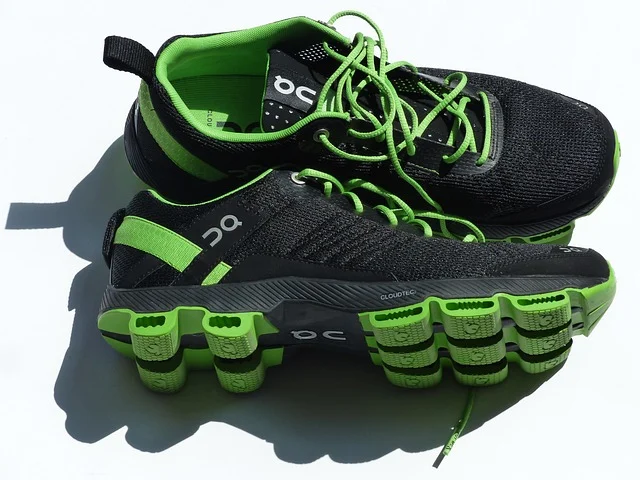
Footwear in gorpcore connects trail performance with urban traction. Traditional sleek dress shoes or flat-soled canvas sneakers give way to trail running shoes, approach shoes, and hiking boots equipped with aggressive rubber outsoles like Vibram Megagrip or Salomon Contagrip.
The Salomon XT-6 sneaker stands out as a flagship footwear model. Originally built for long-distance ultra-trail runners, its Quicklace drawstrings, TPU film cage, and bold color blocking made it a streetwear favorite. Other prominent options include Hoka trail runners with thick foam midsoles, and Roa Hiking boots that blend Italian leather craftsmanship with technical lugged soles.
Functional accessories and gear carry
Accessories complete the gorpcore look, adding both style and practicality. Carrying solutions focus on utility, ranging from lightweight cross-body sling bags and chest packs to durable urban daypacks like the Fjällräven Kånken or Mystery Ranch backpacks with three-zip access systems.
Headwear includes ribbed wool or acrylic beanies, technical bucket hats with adjustable chin cords, and caps built from breathable, water-resistant nylon. Aluminum carabiners attached to belt loops, heavy-duty webbing straps, and thick merino wool hiking socks reinforce the trail-ready appearance.
How does gorpcore compare to other fashion styles?
While gorpcore shares superficial similarities with other functional fashion trends, key differences set it apart in fabric choice, design heritage, and visual tone.

Gorpcore vs. techwear
Techwear and gorpcore both rely on performance textiles, but their visual philosophies differ completely. Techwear takes inspiration from cyberpunk fiction, military tactical gear, and futuristic urban stealth. Its color palette is almost exclusively black, charcoal, and dark olive, utilizing hidden pockets, modular straps, and sharp angular cuts. Gorpcore, by contrast, is rooted in alpine sports and backcountry hiking. It features visible technical details, natural earth tones alongside high-visibility safety colors (such as orange, teal, and mustard), and classic outdoor branding.
Gorpcore vs. normcore
Normcore aims to blend into the crowd through deliberately plain, non-descript everyday basics like unbranded crewneck sweatshirts, straight-cut blue jeans, and simple white athletic sneakers. Gorpcore values comfort, but its aesthetic relies on complex, feature-rich garments—such as taped seams, technical hoods, drawcords, and trail lug soles—that command visual attention through functional hardware.
Gorpcore vs. athleisure
Athleisure relies on synthetic knit fabrics designed for gym workouts, yoga sessions, and casual indoor relaxation—such as spandex leggings, jersey joggers, and zip hoodies. In contrast, gorpcore utilizes heavy-duty woven textiles, tear-resistant ripstop nylon, windproof membranes, and structured outerwear built to protect the wearer against harsh wilderness elements.
Gorpcore vs. traditional streetwear
Traditional streetwear originated in skate, surf, and hip-hop cultures, prioritizing graphic t-shirts, oversized hoodies, bold logos, and rare basketball sneakers. Gorpcore shifts the focus away from graphic prints and logocentric branding toward material innovation, weather resistance, and footwear engineered for uneven terrain.
| Style | Primary Focus | Signature Fabrics | Footwear Type | Color Palette |
|---|---|---|---|---|
| Gorpcore | Outdoor performance & weather utility | Gore-Tex, Polartec fleece, ripstop nylon | Trail runners, lugged hiking boots | Earth tones with high-vis trail accents |
| Techwear | Futuristic urban utility & modularity | 3-layer Gore-Tex, Stotz Etaproof, Cordura | Tactical boots, sleek technical sneakers | Monochromatic black, charcoal, dark olive |
| Athleisure | Gym comfort & indoor casual wear | Spandex, jersey knits, French terry cotton | Road running shoes, slip-on trainers | Neutral grey, black, pastel tones |
| Normcore | Unpretentious everyday basics | Standard cotton denim, fleece knits | Classic canvas or leather retro sneakers | Muted greys, blues, washed white |
| Traditional Streetwear | Subculture graphics & brand heritage | Heavyweight cotton fleece, denim, leather | Retro basketball shoes, skate sneakers | High-contrast primary colors & bold graphics |
How to style a gorpcore outfit without looking like you are hiking
Wearing technical gear in the city requires balance. Putting on an entire alpine mountaineering kit for a walk to a coffee shop risks looking like an expedition costume. Thoughtful proportions and mixed textures keep the look grounded.

The 70/30 styling rule
For example, pair standard selvedge denim or tailored cotton trousers with a simple white cotton t-shirt, then complete the outfit with an Arc’teryx Gore-Tex shell and Salomon trail runners. Alternatively, wear a heavy fleece mid-layer over straight-fit chinos and classic leather sneakers. Mixing technical synthetic fabrics with natural cotton or wool textures creates intentional contrast.
Mastering the technical layering system
Gorpcore styling borrows directly from the three-layer system used by backcountry guides to control body temperature and moisture:
- Base Layer: A breathable cotton tee or moisture-wicking merino wool long-sleeve that keeps sweat away from the skin.
- Mid-Layer: A thermal insulator such as a Polartec fleece pullover or a lightweight down sweater that traps body heat.
- Outer Shell: A windproof and waterproof hard shell jacket that blocks rain and cold wind while allowing internal moisture to escape.
In milder weather, wear the mid-layer over a base layer with the outer shell unzipped or carried using internal jacket carry straps.
Balancing color palettes
Mountain safety gear uses bright colors like emergency orange, chartreuse, and electric blue so rescuers can spot hikers in severe weather. Urban gorpcore works best when you balance these safety accents against grounded, earthy neutral bases.
Pair charcoal grey, olive drab, brown, or black cargo trousers with a neutral base layer, then add a pop of color through a bright safety-orange beanie, a teal trail runner, or a two-tone jacket panel. Small details refine your gorpcore style without making the outfit visually chaotic.
Which brands are essential to the gorpcore look?
The gorpcore aesthetic relies on authentic outdoor manufacturers known for textile innovation, quality construction, and field testing.

The established outdoor giants
The North Face: Founded in 1966, the brand created some of fashion’s most iconic outdoor silhouettes. Its Nuptse down jacket, Mountain Jacket, and Denali fleece remain foundational gorpcore staples.
Patagonia: Famous for pioneering synthetic fleece in the 1970s and championing environmental conservation, Patagonia provides timeless mid-layers like the Snap-T Synchilla pullover and Better Sweater, as well as reliable rain shells.
Arc’teryx: Based in Vancouver, Canada, Arc’teryx represents high-performance technical apparel design. Known for minimalist aesthetics, precise anatomical patterning, and heat-laminated zippers, their hard shell jackets are widely respected. According to a report on best waterproof jackets from Outside Magazine (2025), Arc’teryx Beta AR Jacket is consistently praised for its exceptional waterproofness and breathability.
The trail footwear specialists
Salomon: The French Alps footwear brand transitioned from alpine skiing and trail running to fashion prominence. Models like the XT-6, ACS Pro, and Speedcross combine Quicklace drawstrings, aggressive Contagrip lugs, and technical overlays.
Hoka: Recognized for its thick, maximalist foam midsoles, Hoka offers trail shoes like the Speedgoat and Mafate Speed that provide deep cushioning and a distinct silhouette.
Merrell: Known for rugged hiking boots and breathable trail shoes, Merrell gained urban traction with slip-on outdoor footwear like the Hydro Moc.
Roa Hiking: An Italian footwear label specifically designed to bridge technical mountain performance with high-fashion aesthetics, utilizing premium leather uppers and custom Vibram outsoles.
Niche Japanese and modern innovators
And Wander: Founded by former Issey Miyake designers Keita Ikeuchi and Mihoko Mori, this Japanese brand combines lightweight technical fabrics, reflective seam stitching, and fashion-forward cuts.
Gramicci: Born in California’s climbing scene and refined in Japan, Gramicci is famous for sturdy cotton and ripstop climbing trousers featuring a flex gusset crotch and an integrated nylon belt.
Snow Peak: A Japanese outdoor lifestyle brand producing minimalist, premium outdoor garments and titanium camping equipment designed for smooth outdoor-to-city living.
Goldwin: A Japanese technical label with decades of skiwear heritage, manufacturing streamlined Gore-Tex parkas, down coats, and functional daily apparel.
How to clean and maintain technical outdoor garments
Technical outerwear and performance garments require proper care to preserve their waterproof membranes, breathability, and thermal loft. Standard laundry detergents and fabric softeners destroy technical coatings over time.
Washing waterproof hard shells
Do not wash Gore-Tex or waterproof garments with standard laundry powder or liquid detergent. Standard detergents contain optical brighteners and scents that clog microporous waterproof membranes and strip away water-repellent treatments.
- Close all zippers, pocket closures, and hook-and-loop wrist cuffs before washing.
- Use a specialized liquid cleaner designed for technical apparel, such as Nikwax Tech Wash or Grangers Performance Wash.
- Wash on a gentle cycle in warm water (30°C to 40°C) with an extra rinse cycle to eliminate residue.
Re-applying DWR coatings
The Durable Water Repellent (DWR) coating on outer fabrics causes water to bead up and roll off. When water stops beading and begins soaking into the outer fabric layer, the DWR coating needs reactivation or re-application.
- After washing, place the damp jacket in a tumble dryer on low heat for 20 minutes to reactivate the existing DWR treatment.
- If water still fails to bead, spray a liquid DWR wash-in or spray-on restorer (such as Nikwax TX.Direct) onto the outer shell while damp, then dry thoroughly.
Caring for down insulation and fleece
Down jackets require specialized down wash to clean feathers without stripping their natural oils. Always tumble dry down garments on low heat with two or three clean tennis balls or dryer balls. The tumbling balls break up wet clumps of down and restore insulation loft.
For synthetic fleece, wash the garment inside out in cool water to prevent fabric pilling. Never use fabric softener on fleece or base layers, as softeners coat synthetic fibers, ruining their moisture-wicking and breathability features.
Who should wear gorpcore—and who is it not for?
Gorpcore offers clear functional benefits, but it does not suit every lifestyle, climate, or personal style preference.

Who gorpcore is ideal for
Gorpcore is an excellent choice for:
- Urban walkers and commuters: People who commute on foot or public transit through rain, wind, and cold benefit directly from waterproof shells and lugged soles.
- Utility-focused dressers: Anyone who prefers functional pockets, hands-free storage, and durable construction over delicate fabrics.
- Outdoor enthusiasts: Hikers, campers, and trail runners who want a unified wardrobe that functions on weekend trails and casual weekdays.
- Durability-minded buyers: Consumers looking for well-constructed garments that withstand years of wear without degrading.
Who should avoid gorpcore
Gorpcore may not suit you if:
- You work in formal environments: Corporate offices with strict business professional or business formal dress codes do not easily accommodate cargo pants, fleece pullovers, or trail runners.
- You live in hot, humid climates: Multi-layer technical outerwear, heavy-duty ripstop trousers, and Gore-Tex shells cause uncomfortable heat retention in hot tropical regions.
- You prefer tailored or delicate fashion: If your style leans toward soft draping, delicate silks, or traditional tailored suiting, rugged technical wear will feel jarring and out of place.
- You are on a tight budget: High-end technical jackets and trail shoes carry high price tags due to specialized materials and bonding technologies. However, secondhand platforms offer budget entry points.
What are the most common gorpcore styling mistakes?
Avoiding simple styling pitfalls ensures your technical wardrobe looks intentional and well-composed.

Mistake 1: Wearing full expedition gear in the city
Dressing in a full three-layer alpine climbing outfit—complete with hard shell, technical gaiters, high-altitude gloves, and rigid boots—to walk down a city street looks excessive. Balance extreme outdoor items with daily casual wardrobe basics using the 70/30 rule.
Mistake 2: Neglecting fit and silhouette
Technical wear is engineered for layering, which means some jackets and pants fit loose or boxy. Wearing oversized garments top and bottom without structural intent leaves you looking shapeless. Match boxy insulated jackets with tapered trousers, or wear wide-leg cargo pants with a structured, fitted mid-layer.
Mistake 3: Chasing brand logos over garment function
Buying expensive gear strictly for visible brand logos misses the philosophy of gorpcore. Focus on understanding garment features—such as seam taping, fabric weight, breathability ratings, and pocket layout—rather than accumulating logos.
Mistake 4: Mixing incompatible formal pieces
Pairing a high-tech Gore-Tex hard shell over a formal suit jacket or silk shirt creates a harsh visual mismatch. Instead, keep supporting garments grounded in casual, utilitarian, or athletic categories like heavy cotton t-shirts, oxford button-downs, hoodies, or sturdy denim.
Sources: Gorpcore
Frequently asked questions
What does the word gorpcore mean?
Gorpcore is a fashion term named after “GORP” (Good Old Raisins and Peanuts, a shorthand for trail mix). It describes the style of wearing functional outdoor, hiking, and mountaineering gear as everyday urban fashion.
Is gorpcore clothing expensive?
High-end gorpcore pieces from technical outdoor brands can be expensive due to advanced waterproof membranes, taped seams, and specialized insulation. However, durable vintage gear, entry-level outdoor brands, and secondhand marketplaces provide accessible ways to build a gorpcore wardrobe.
How do you style gorpcore in warmer weather?
In warm weather, swap heavy waterproof shells for lightweight breathable nylon shirts, quick-drying hiking shorts, and trail running shoes or outdoor sandals like Merrell Hydro Mocs. Keep accessories light by using small cross-body gear bags and breathable nylon caps.
What is the difference between gorpcore and techwear?
Gorpcore draws from alpine sports and backcountry outdoor gear, featuring natural earth tones, visible utility details, and trail branding. Techwear focuses on a futuristic, dystopian aesthetic that relies heavily on sleek black garments, hidden storage, and modular tactical straps.
Can you wear gorpcore garments for actual hiking?
Yes, authentic gorpcore apparel comes directly from performance outdoor brands designed for alpine environments, trail running, and camping. As long as you choose functional technical garments rather than fashion-only diffusion lines, the gear performs on mountain trails.


