












How to style streetwear: Defining Streetwear Style in 2026
When this topic comes up in practice, the immediate question is often about how to style streetwear without looking like you’re trying too hard. As of May 2026, streetwear continues its reign as a dominant force in global fashion, celebrated for its fusion of comfort, individuality, and cultural relevance. It s more than just clothing; it’s a statement of identity deeply rooted in urban subcultures like hip-hop, skateboarding, and graffiti art.
Understanding how to style streetwear effectively means grasping its core principles: relaxed fits, bold graphics, and a curated mix of athletic and casual wear. This guide offers practical insights and actionable tips to help you build and refine your personal streetwear aesthetic.
- Streetwear blends comfort, individuality, and cultural roots from urban subcultures.
- Key elements include relaxed fits, graphic prints, and a mix of athletic and casual pieces.
- Mastering fit, layering, and thoughtful accessorizing are crucial for a cohesive streetwear look.
- Color palettes and silhouette choices significantly impact the overall streetwear aesthetic.
- Authenticity is paramount; style streetwear that reflects your genuine personality and interests.
The Evolution and Core of Streetwear
Streetwear s journey from the streets to high fashion runways is a testament to its enduring appeal. Originating in the late 1970s and 80s with surf and skate culture, and later influenced heavily by hip-hop, it initially revolved around branded apparel, athletic footwear, and a DIY ethos. Brands like St ssy, Supreme, and Adidas became pioneers, embedding their logos and designs into the fabric of youth culture.
Today, streetwear is a multi-billion dollar industry, with its influence visible across luxury fashion houses and fast-fashion retailers alike. As of 2026, the trend leans towards more sustainable practices and a deeper appreciation for craftsmanship, moving beyond mere logo obsession. However, the core remains: clothing that offers comfort, allows for self-expression, and carries cultural weight.

Building Your Streetwear Foundation: Essential Pieces
A well-curated streetwear wardrobe starts with versatile, foundational pieces. These are the building blocks upon which you can create countless outfits, adapting them to your personal style and the current trends.
Graphic T-Shirts and Hoodies: These are arguably the cornerstones of streetwear. Look for high-quality tees with unique graphics, band logos, or artistic prints. Oversized hoodies in neutral or bold colors are equally essential, offering comfort and a quintessential streetwear silhouette. Brands like Carhartt WIP, St ssy, and Kith offer reliable options.
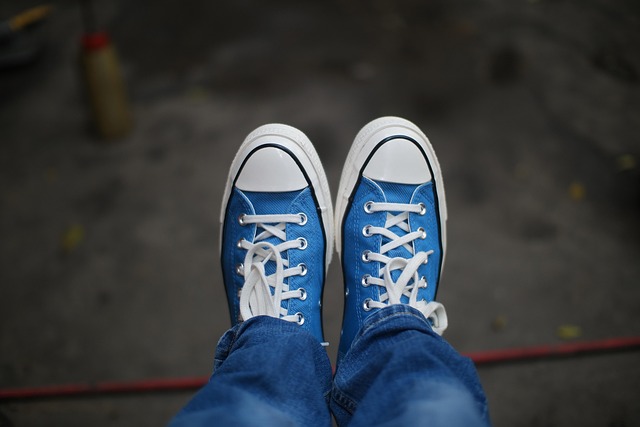
Athletic Footwear: Sneakers are non-negotiable. Iconic models from Nike (Air Force 1, Dunks, Jordans), Adidas (Superstars, Gazelles), and New Balance continue to dominate. Beyond the big names, explore brands like Asics and Puma for varied styles. The key is to select sneakers that complement your outfit and personal taste.
Outerwear: A statement jacket is crucial. This could be a bomber jacket, a denim jacket, a stylish coach jacket, or a technical parka. Consider brands that offer durability and a distinct aesthetic, such as Alpha Industries for bombers or Levi’s for denim.
Trousers and Bottoms: While denim is a classic, streetwear often favors more relaxed fits. Cargo pants, track pants, joggers, and wide-leg trousers are popular choices. Experiment with different materials and fits to find what best suits your silhouette. Uniqlo s range of technical pants or Carhartt s workwear-inspired options are great starting points.
The Art of Fit and Silhouette
One of the most crucial aspects of styling streetwear is mastering the fit. Unlike tailored fashion, streetwear often embraces looser, more relaxed silhouettes, but this doesn’t mean ill-fitting. The key is intentionality.
An oversized t-shirt should ideally be paired with slimmer-fitting trousers or shorts to maintain balance. Conversely, if you’re wearing baggy pants or wide-leg trousers, a more fitted or slightly cropped top can create a harmonious silhouette. This play between volume and proportion is what gives streetwear its distinctive look; for instance, a popular combination in 2026 involves pairing wide-leg, slightly distressed denim with a perfectly fitted graphic tee, layered under a cropped bomber jacket. This creates an intentional, balanced look that feels both comfortable and considered. Avoid the trap of simply wearing everything oversized; it can quickly look sloppy rather than stylish.
Layering: The Secret Weapon of Streetwear
Layering is where streetwear truly shines, allowing for creativity, adaptability, and a dynamic visual appeal. It’s not just about warmth; it’s about building depth and interest into your outfit.
Base Layers: Start with a well-fitting t-shirt or a long-sleeved thermal. This can peek out from the sleeves or hem of a larger garment. Think about contrasting colors or textures for visual interest.
Mid Layers: This is where hoodies, sweatshirts, flannel, or lightweight jackets come into play. A classic streetwear move is to wear a hoodie under a denim jacket or a coach jacket. The hood popping up adds an iconic streetwear element.
Outer Layers: The final piece can be a statement jacket like a puffer coat, a trench coat, or a stylish overshirt. Consider how the different layers interact. For example, a puffer vest over a hoodie, then under a larger overcoat, creates a complex yet cohesive look suitable for colder months.
When layering, pay attention to the lengths of each item. A t-shirt longer than a hoodie, or a jacket that ends above the hem of a shirt, can add visual interest. Experimentation is key; try different combinations until you find what feels right.
Color Palettes and Print Play
While streetwear can encompass any color, certain palettes and print strategies are more common and easier to execute effectively.
Neutrals and Earth Tones: Black, white, gray, beige, olive green, and navy form the backbone of many streetwear wardrobes. These colors are versatile, easy to mix and match, and provide a sophisticated base. They also allow bolder prints or accessories to stand out without overwhelming the look.
Bold Accents: Don t shy away from pops of color. A vibrant hoodie, brightly colored sneakers, or a statement accessory can elevate a neutral outfit. Consider trends for 2026, which often incorporate richer jewel tones or unexpected pastel combinations.
Graphic Prints: From band tees and abstract art to brand logos and subtle patterns, prints are fundamental. When combining multiple prints, try to stick to a consistent color palette or ensure one print is dominant while others are more subtle. Wearing a busy graphic tee with equally loud patterned pants can be challenging; opt for a more restrained approach.
According to a recent fashion trend analysis, brands are increasingly focusing on limited-edition drops featuring unique artist collaborations, emphasizing the collectible nature of graphic streetwear. This highlights the importance of curated prints over mass-produced designs.
Accessories: The Finishing Touches
Accessories aren’t an afterthought in streetwear; they are integral to completing the look and injecting personality. They are often the details that elevate a simple outfit into a statement.
Headwear: Baseball caps, beanies, and bucket hats are streetwear staples. A simple black beanie or a cap from a favorite brand can add polish. Consider the material and season; wool beanies for winter, breathable cotton or canvas for warmer months.
Bags: Crossbody bags, belt bags (fanny packs worn across the chest), and tote bags are practical and stylish. They offer a place to carry essentials while adding a distinct urban flair. Brands like Herschel Supply Co. And Eastpak offer durable and fashionable options.
Jewelry: Simple silver or gold chains, rings, and bracelets can add a touch of personal style. Consider layered necklaces or chunky rings for a bolder statement. The key is subtlety; don’t overdo it, allowing the jewelry to complement, not overpower, the outfit.
Socks: Yes, even socks matter. Visible, often logged or patterned, crew socks peeking out from your sneakers are a classic streetwear detail. Brands like Nike, Stance, and Happy Socks offer plenty of options.
Common Streetwear Styling Pitfalls to Avoid
While streetwear is about self-expression, certain common mistakes can detract from your intended look. Being aware of these can help you refine your styling.
Ill-fitting Clothes: As mentioned, simply wearing everything oversized without considering proportion is a frequent error. Ensure your garments fit intentionally, whether they are slim, relaxed, or oversized. A poorly fitting item can ruin an otherwise great outfit.
Over-reliance on Logos: While brands are important in streetwear, an outfit composed solely of prominent logos can look like a walking advertisement rather than a considered style. Mix branded pieces with plain items or more subtle designs.
Ignoring Footwear: Your sneakers are often the anchor of your streetwear look. Wearing scuffed, dirty, or inappropriate shoes can bring down the entire outfit. Keep your sneakers clean and choose pairs that genuinely complement your clothing.
Too Many Trends at Once: Trying to incorporate every current trend into a single outfit can lead to a chaotic and unfocused look. It’s better to pick one or two key trends and integrate them into your established personal style.
Authenticity: The Ultimate Streetwear Rule
Ultimately, the most important aspect of how to style streetwear is authenticity. Streetwear emerged from real communities and subcultures, valuing genuine expression over slavish adherence to trends. As of May 2026, this ethos is more relevant than ever. Don’t just follow what’s popular; interpret it through your own lens.
Consider your personal interests, hobbies, and influences. If you love music, incorporate band tees. If you’re into art, look for pieces with artistic graphics. If skateboarding is your passion, lean into its associated styles. Your streetwear should feel like a natural extension of who you are.
Brands like Aim Leon Dore have gained traction by cultivating a distinct aesthetic that feels personal and authentic, blending vintage sportswear with modern sensibilities. This approach resonates deeply with consumers seeking genuine style over fleeting fads. Your streetwear journey should be about self-discovery and comfort in your own skin.
For those looking to build a sustainable streetwear wardrobe, exploring vintage shops or brands committed to ethical production can offer unique pieces with a story, further enhancing the authenticity of your style. The fashion industry, as noted by the Global Fashion Agenda in 2026, is increasingly prioritizing sustainability, making conscious consumerism a key part of modern style.
Frequently Asked Questions
What are the core elements of streetwear?
The core elements include comfortable, often oversized or relaxed-fitting clothing, prominent graphic prints, athletic footwear (sneakers), and a mix of casual and sportswear pieces. Key items are graphic tees, hoodies, track pants, and iconic sneakers.
How can I style streetwear on a budget?
Focus on versatile basics like plain graphic tees and neutral hoodies. Explore thrift stores for unique vintage pieces and branded items. Look for sales from popular streetwear brands and invest in one or two statement sneakers that can elevate simpler outfits.
Is streetwear still relevant in 2026?
Yes, streetwear remains highly relevant in 2026, continuing its evolution from subcultural roots to mainstream fashion. While trends shift, its emphasis on comfort, self-expression, and cultural connection ensures its enduring appeal across various demographics.
How do I combine streetwear with more formal clothing?
The key is contrast. Pair a tailored blazer over a graphic tee or hoodie, or wear smart trousers with stylish sneakers and a bomber jacket. The goal is to create an interesting juxtaposition that feels intentional, not accidental.
What colors are best for streetwear outfits?
Streetwear often uses a base of neutrals like black, white, gray, and beige. Pops of bold accent colors or earth tones are also common. Graphic prints can introduce a wide range of colors, but consistency within the palette is usually key.
How important is the brand name in streetwear?
Brand names can be significant in streetwear culture due to their association with subcultures and exclusivity. However, authenticity and personal style are more important than brand logos alone. Many styles incorporate subtle branding or focus on the garment’s design and quality.
Your Streetwear Journey
Mastering how to style streetwear is an ongoing process of experimentation and personal discovery. By understanding its origins, focusing on foundational pieces, paying attention to fit and layering, and most importantly, staying true to your authentic self, you can cultivate a distinctive and confident look.
Start by incorporating one or two new elements, experiment with combinations, and observe what resonates with you. Streetwear is a canvas for individuality; wear what makes you feel good and express your unique story.