













Buy the Yeezy Boost 350 V2 if you want a lightweight, breathable, sock-like sneaker for warm weather at a lower price point, or choose the Yeezy Boost 700 if you prefer a structured, retro-inspired shoe with superior foot support, heavy-duty cushioning, and higher long-term resale value. The choice between these two models depends on whether you prioritize flexible minimalism or structured impact protection.
The rest of this guide compares comfort levels, sizing recommendations for standard and wide feet, and performance during light athletic activities. It also breaks down climate ventilation, material durability, market valuation, and practical fixes for common fit and cleaning issues.
Yeezy 350 vs 700: Which Should You Buy? Direct Comparison & Verdict
Buy the Yeezy Boost 350 V2 if you want a lightweight, breathable, sock-like sneaker for warm weather and effortless casual wear at a lower overall price point. Buy the Yeezy Boost 700 if you prefer a structured, retro-inspired dad shoe with superior foot support, heavy-duty cushioning, multi-material durability, and higher long-term resale value.
Deciding on Yeezy Boost 350 V2 vs 700 which to buy comes down to flexible minimalism or structured impact protection. The lightweight 350 V2 excels in ventilation and pairs smoothly with modern athletic and casual outfits. Meanwhile, the multi-material 700 provides enhanced stability, heel counter firmness, and a bolder streetwear silhouette suitable for year-round wear.
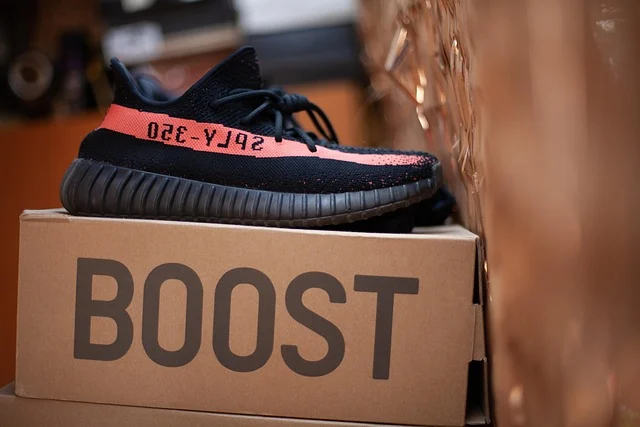
Key Differences at a Glance
This table compares the fundamental specifications of both models. It helps you identify which shoe fits your lifestyle, aesthetic preference, and foot shape.
| Feature | Yeezy Boost 350 V2 | Yeezy Boost 700 |
|---|---|---|
| Upper Construction | Single-piece unlined Primeknit fabric | Multi-layered suede, leather, and mesh paneling |
| Midsole & Cushioning | Full-length Boost encased in ribbed TPU side walls | Thick, sculpted thick-foam midsole with embedded full-length Boost |
| Weight & Feel | Very lightweight, flexible, low-profile, sock-like fit | Substantial, firm structure, heavier, planted feel |
| Sizing Recommendation | Go 0.5 size up (standard); go 1.0 size up (wide feet) | Go 0.5 size up (standard); go 1.0 size up (wide feet) |
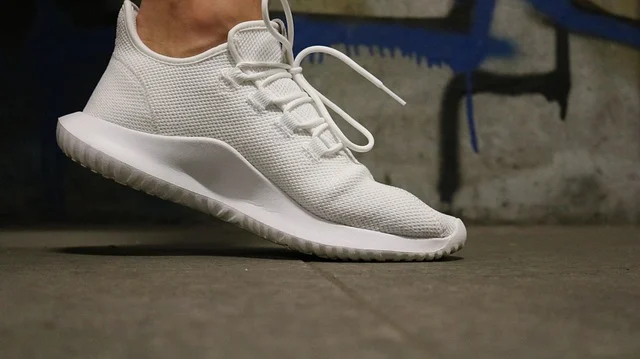
| Breathability | High (knit construction allows maximum airflow) | Moderate to low (dense suede overlays trap heat) |
| Durability & Maintenance | Prone to knit snags and toe-poke; easy to machine wash | Resistant to tear; requires specialized suede/leather care |
| Lateral Support | Minimal (soft upper allows lateral foot movement) | High (leather structure and rigid heel cup restrict roll) |
Are Yeezy Boost 350 V2s comfortable for walking all day?
Yes, the Yeezy Boost 350 V2 is generally considered very comfortable for all-day wear. Its soft Primeknit upper and responsive Boost cushioning make it popular for casual use. The soft midsole compression absorbs foot strikes smoothly when standing or walking on flat urban pavement.
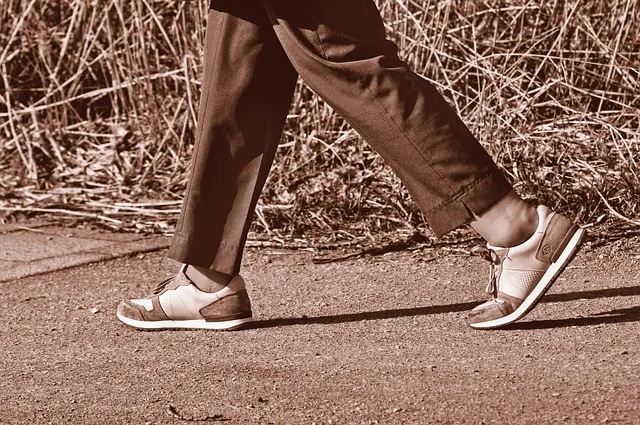
However, the lack of structural reinforcement in the 350 V2 upper can cause foot fatigue during extended walking sessions exceeding 8 hours. Because the Primeknit upper does not anchor the midfoot or heel firmly, your stabilizer muscles work harder to keep your foot centered over the midsole. For true long-distance urban walking, the stiffer arch support and cupped heel of the 700 provide better biomechanical alignment over extended hours.
Which Yeezy is better for wide feet: the 350 V2 or the 700?
Both models typically run small and may require sizing up. However, the 700’s more structured upper and slightly wider base might offer a more accommodating fit for some individuals with wider feet, especially when sized up a full size.
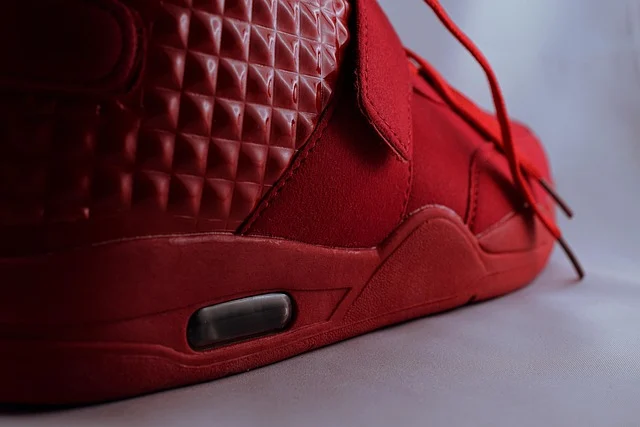
The 350 V2 features a shallow, sloping toe box that presses downward on the toes. This design often squeezes wide feet at the metatarsal heads. On the other hand, the 700 features an internal elastic tongue strap that secures the foot. Its wider toe box allows for better lateral foot expansion once the insole compresses. Wide-footed wearers often report that removing the factory insoles from the 350 V2 frees up necessary vertical space. Alternatively, sizing up 1.0 full size in the 700 solves width restriction while retaining full footbed support.
Sizing and Fit Guide: Worked Examples & Concrete Recommendations
Because both sneakers utilize distinct manufacturing molds, finding the correct size requires adjusting relative to your true Brannock measurement or standard Nike/Adidas size.
Step-by-Step Sizing Matrix
- Determine your baseline size: Measure your feet late in the afternoon when foot swelling is at its peak. Use your standard true-to-size (TTS) non-Yeezy athletic shoe size as the starting reference.
- Sizing for Yeezy Boost 350 V2:
- Narrow or standard feet: Add 0.5 size (e.g., if your true size is US 10, buy US 10.5).
- Wide feet or high instep: Add 1.0 size (e.g., if your true size is US 10, buy US 11.0). Alternatively, take a 0.5 size up and remove the foam insole.
- Sizing for Yeezy Boost 700 (V1 & V2):
- Standard feet: Add 0.5 size to compensate for the thick toe cap padding and internal lockdown straps.
- Wide feet: Add 1.0 size to prevent thumb-toe pressure against the front suede overlay.
Performance, Mobility, and Activity Questions
Can I wear Yeezy Boost 350 V2s for light athletic activities?
The 350 V2’s Boost cushioning provides decent shock absorption for light activities like walking or jogging. However, its flexible upper offers limited lateral support, so they are not ideal for high-impact sports or intense training.
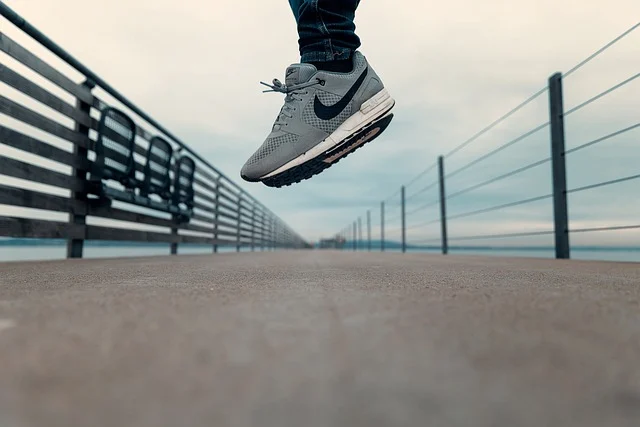
When performing side-to-side directional changes, lateral agility drills, or weightlifting, the foot can spill over the edge of the sole unit due to the unreinforced Primeknit upper. This rollover effect increases ankle rollover risk. Keep the 350 V2 restricted to linear movement such as casual strolls, gym treadmill walking, or travel.
Are Yeezy 700s good for running?
The Boost cushioning in the Yeezy 700 offers excellent shock absorption. However, the shoe’s heavier weight and more rigid structure make it less suitable for running compared to dedicated running shoes. They are better suited for walking and casual wear.
The heavy polyurethane midsole encasing and thick rubber tread add significant dead weight per stride compared to modern technical running shoes. Also, the retro lifestyle drop of the sole lacks energy-return heel-to-toe transition geometry. This can strain calves and shins during high-velocity running.
Climate Performance, Materials, and Durability
Which Yeezy model has better ventilation: 350 V2 or 700?
The Yeezy Boost 350 V2 generally offers superior ventilation due to its single-piece Primeknit upper, which is highly breathable. In contrast, the 700’s multi-material construction provides less airflow, making it potentially warmer in hot conditions.
The woven Primeknit shell permits direct breeze penetration and rapidly releases internal heat vapor. This makes the 350 V2 superior during summer heatwaves. Conversely, the Yeezy 700 incorporates multi-layered synthetic lining, thick padded collars, and heavy suede toe caps that trap body heat, rendering the 700 far better suited for spring, autumn, and mild winter weather.
How do the materials of the 350 V2 and 700 compare in terms of durability?
The 700’s combination of suede, leather, and mesh is stronger than the 350 V2’s Primeknit upper. Primeknit is prone to staining and snags, though both soles are durable.
The rubber outsoles on both models feature resilient compounds that handle concrete wear well. However, structural degradation differs across upper materials over long-term ownership:
- Yeezy 350 V2: Vulnerable to upper friction tears near the pinky toe, snagging on sharp objects, and deep fabric staining from dirt or liquids. The enclosed rubber TPU cage protects the Boost foam from bottom puncture and oxidation yellowing.
- Yeezy 700: High resistance to structural collapse or fabric punctures. However, the exposed suede panels stain easily when contact occurs with rain, mud, or grease. Additionally, the painted midsole pods can exhibit paint cracking lines after thousands of compression steps.
Market Valuation, Pricing, and Ownership Costs
Is the Yeezy Boost 700 worth the higher resale price?
The higher resale price of the Yeezy Boost 700 is often justified by its more substantial construction and unique retro-inspired design. Its perceived rarity in certain colorways makes it a collector’s item for many.
Original retail prices set the baseline. The 700 commands a higher initial MSRP than the 350 V2 due to complex multi-piece labor and premium raw suede materials. Secondary markets show the 700 holds value reliably across iconic colorways (such as the ‘Wave Runner’). This stems from consistent demand from streetwear enthusiasts who value timeless design over trend cycles.
Common Problems and How to Fix Them
Both models display distinct quirks over extended ownership. Below are practical solutions to the most frequent issues buyers face.
1. Yeezy 350 V2 Toe Pressure and Squeezing
- Problem: The low slant of the toe box creates uncomfortable downward pressure on the big toe.
- Fix: Remove the stock OrthoLite insole immediately. The strobel board beneath the insole is soft and finished with fabric. It instantly grants 2 to 3 millimeters of extra vertical clearance without sacrificing Boost soft feel.
2. Yeezy 700 Suede Staining and Water Damage
- Problem: Natural mud, rain, or dirt marks stain the dark or light suede toe caps on the 700 upper.
- Fix: Apply a hydrophobic fabric protector spray before wearing outdoor. If dirt marks occur, brush dry using a soft brass or nylon suede brush. Never saturate the suede panels in water or liquid shoe cleaners.
3. Yellowing Boost Foam
- Problem: Exposed Boost foam windows on the tread yellow over time due to UV exposure and dirt accumulation.
- Fix: Clean bottom foam cutouts using an oil-free shoe cleaning solution and a stiff-bristle brush. Next, apply a light layer of an acrylic white paint marker specifically formulated for sneaker midsoles.
Who Should Buy Each Model (And Who Should Avoid Both)
Buy the Yeezy Boost 350 V2 if:
- You want a sleek, lightweight, slip-on casual shoe for daily wear in warm weather.
- Next, you prefer minimal, flexible uppers that contour tightly to the shape of your foot.
- You prefer an easy-to-clean shoe that handles gentle machine laundering inside a laundry bag.
Buy the Yeezy Boost 700 if:
- Also, you want a bold, chunky, vintage aesthetic with strong street-style appeal.
- You need firm ankle support, arch structure, and heavy heel impact protection for long standing sessions.
- Then, you plan to wear the shoes across cooler seasons and variable weather conditions.
Avoid both models if:
- You need a dedicated performance running shoe or court sports footwear requiring rapid lateral cuts.
- Similarly, you want precise true-to-size fit without needing to calculate half-size or full-size adjustments.
- You require 100% waterproof construction for rain, snow, or rough outdoor trails.
Final Verdict
When deciding Yeezy Boost 350 V2 vs 700 which one to buy, balance minimalist comfort against structured retro design. The 350 V2 offers sleek, modern comfort and versatility. It makes an easy choice for everyday wear and provides an accessible entry into lifestyle sneakers. The 700, with its bold, retro-infused design and substantial cushioning, delivers a statement piece that appeals to streetwear aficionados and collectors alike. Assess your climate, foot shape, and stylistic preferences to choose the silhouette that best complements your wardrobe.
Source: Vogue
Frequently asked questions
Is Yeezy 350 or 700 easier to clean?
The Yeezy Boost 350 V2 is significantly easier to clean. Its all-Primeknit upper can be spot-treated with standard sneaker cleaner or washed inside a pillowcase on a gentle cold cycle. The Yeezy 700 contains delicate real suede panels that ruin if submerged in water, requiring dry brushing and specialized suede cleaners.
Do Yeezy 350 V2s stretch out over time?
Yes, the Primeknit upper on the 350 V2 stretches slightly after 10 to 15 wears, loosening around the instep and toe box. However, the length of the shoe remains unchanged because the front rubber outsole capping restricts forward extension.
Do Yeezy 700s make you taller?
Yes, the Yeezy Boost 700 features a thick sculpted midsole and internal Boost bed that adds approximately 1.25 to 1.5 inches (3.2 to 3.8 cm) of heel height, providing significantly more lift than the lower-profile 350 V2 midsole.
Are Yeezy 350s or 700s better for wide feet?
The Yeezy 700 is generally better for wide feet. Its structured leather upper holds its width shape better, and sizing up 1.0 full size provides comfortable lateral space, whereas the 350 V2’s tight knit toe box can continue to compress wide toes downward.


