













Building sustainable fashion choices for the urban wardrobe relies on prioritizing durable, low-impact textiles, utilizing secondhand or rental platforms, and curating a versatile capsule tailored to high-density city commuting. Selecting resilient materials like organic cotton, linen, hemp, and Tencel allows city dwellers to reduce environmental waste while standing up to daily walking, transit, and compact storage demands.
This guide explains which natural and recycled fabrics perform best in city environments, how to build a streamlined neutral capsule wardrobe, and when to buy secondhand, rent, or purchase new. It also outlines how to verify transparent brands through third-party certifications and adopt laundry habits that extend garment lifespan.
Sustainable Fashion Choices for the Urban Wardrobe
Building sustainable fashion choices for the urban wardrobe requires prioritizing low-impact textiles like organic cotton and linen, utilizing secondhand or rental platforms, and curating a versatile capsule tailored to high-density city commuting. By investing in durable garments, caring for fabrics with cold washes, and choosing transparent brands, city dwellers reduce environmental waste while maintaining personal style.

Urban life places unique demands on everyday wear. Daily walking, crowded transit systems, shifting weather conditions, and compact apartment storage mean every garment must offer durability and adaptability. Moving away from disposable garments toward thoughtful choices transforms how Fashion serves city dwellers without generating unnecessary landfill waste.
Why does urban living demand a distinct approach to sustainable fashion?
City living accelerates wear and tear on clothing. High-foot-traffic routines, exposure to outdoor elements, friction from backpack straps, and temperature changes between air-conditioned subway cars and hot pavement require fabrics that endure constant strain. Standard fast-fashion items made from thin synthetic blends often fail under these conditions, leading to frayed seams, pilling, and rapid disposal.
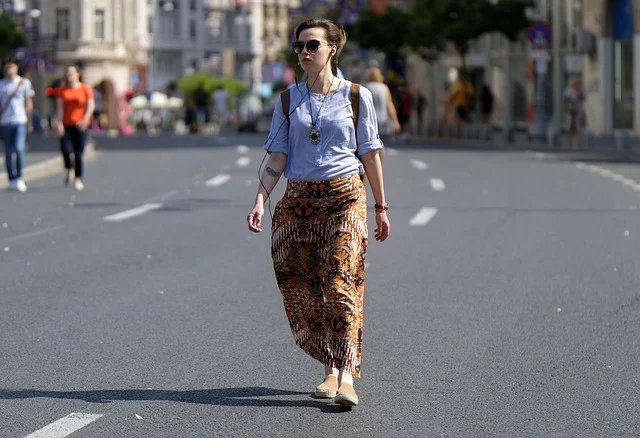
High population density amplifies the impact of consumer waste. When thousands of residents continuously purchase and discard low-quality garments, municipal waste streams expand rapidly. Also, synthetic textiles shed microplastics into urban wastewater systems during every laundry cycle. Adapting your wardrobe to prioritize longevity directly reduces localized environmental pressure while maximizing the utility of every item you own.
Which sustainable fabrics work best for city clothing?
Selecting the right fabric ensures your clothes withstand daily physical strain without relying on petrochemical derivatives. Natural, renewable, and recycled fibers offer distinct performance characteristics suited to city life.
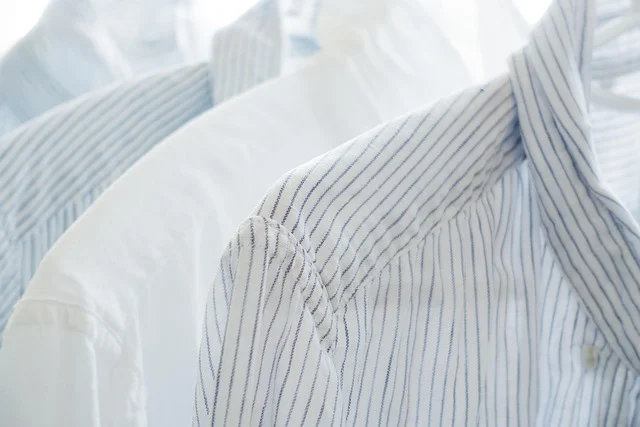
Organic Cotton
Grown without synthetic pesticides or chemical fertilizers, organic cotton protects soil health and reduces agricultural runoff. It provides excellent breathability, soft texture, and high tensile strength, making it ideal for daily t-shirts, hoodies, and denim. While durable, organic cotton requires gentle washing to prevent shrinkage over time.
Linen and Hemp
Hemp and linen require minimal water and zero chemical pesticides to cultivate. Both crops produce exceptionally strong fibers that become softer with each wash. Hemp offers natural ultraviolet protection and anti-microbial properties, making it an excellent choice for summer commuting. The primary trade-off is wrinkle susceptibility, which can require steaming if crisp structure is desired.
Tencel™ Lyocell
It produces a smooth, moisture-wicking fabric with an elegant drape. Tencel resists wrinkling far better than linen, making it suitable for professional attire, button-downs, and lightweight layering pieces.
Recycled Synthetics and Recycled Cotton
Recycled polyethylene terephthalate (rPET), sourced from post-consumer plastic bottles, diverts waste from landfills and reduces petroleum extraction. It is widely used in weather-resistant outerwear, rain shells, and performance streetwear. Recycled cotton combines post-industrial textile scraps with virgin fibers to reduce agricultural demands. According to the Ellen MacArthur Foundation, global textile waste remains a critical challenge, with massive volumes of clothing incinerated or landfilled every second. Choosing recycled materials mitigates this resource drain, though synthetic fabrics still require microplastic filter bags during washing.
How do you build a capsule wardrobe for city commuting?
Curating a functional capsule wardrobe minimizes impulse purchases while ensuring you always have appropriate attire for varied urban settings. Follow these concrete steps to build a streamlined closet:
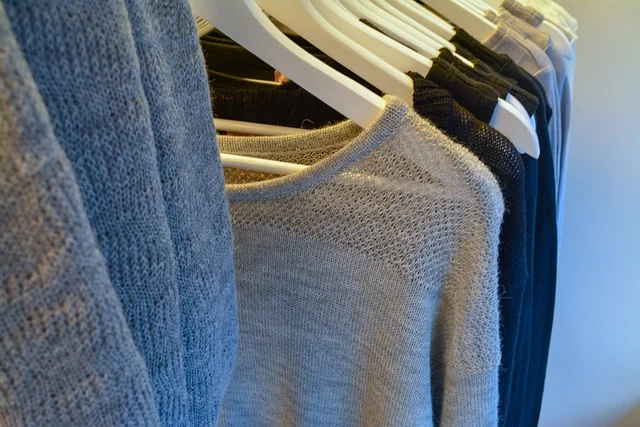
- Conduct a full closet audit: Remove every item from your closet. Categorize clothes into high-wear staples, items needing repair, and pieces you never wear. Keep what fits your daily routine and set aside surplus items for resale or donation.
- Map your transit and work demands: Identify your typical weather exposure, walking distance, and dress code requirements. Choose garments that allow comfortable movement and accommodate sudden temperature shifts.
- Establish a cohesive neutral palette: Select three to four core foundation colors, such as navy, charcoal, olive, and black. Neutral tones simplify mixing and matching, allowing ten garments to generate dozens of distinct outfit combinations.
- Invest in high-utility core staples: Acquire versatile pieces built for frequent use. Essential items include dark-wash denim, a tailored trench or waterproof shell, breathable base tees, an unstructured blazer, and resoleable footwear.
- Integrate intentional accent pieces: Add character through layered scarves, vintage jackets, or structured accessories without overloading your storage space. This minimalist structure prevents clutter while maintaining your individual fashion identity.
Should you buy secondhand, rent, or purchase new?
Acquiring clothing sustainably involves selecting the right channel for each specific wardrobe need. Mixing secondhand purchases, clothing rentals, and select new investments offers the optimal balance of affordability, style diversity, and reduced resource consumption.
| Acquisition Model | Best Used For | Primary Benefit | Key Trade-Off / Drawback |
|---|---|---|---|
| Secondhand & Vintage | Casual wear, denim, graphic tees, classic outerwear | Lowest overall carbon footprint and budget-friendly pricing | Variable sizing inventory and time-intensive search process |
| Rental Services | Formal occasion wear, seasonal coats, trend pieces | Zero long-term storage burden and access to designer wear | Recurring subscription costs with no permanent garment ownership |
| Sustainable New | Footwear, undergarments, technical rain gear, tailored suits | Precise fit, full product lifespan, and brand repair warranties | Higher initial cash outlay compared to fast-fashion alternatives |
Secondhand platforms like Depop, Vinted, and ThredUp allow you to source unique vintage items directly from other sellers. Rental platforms suit city dwellers with constrained closet space who need formal wear or seasonal outerwear without committing to permanent ownership. When buying new items, prioritize brands that guarantee repair services and use verified eco-friendly fabrics.
How do you evaluate if a brand is genuinely ethical and transparent?
Navigating commercial claims requires looking past vague marketing terms like “eco-friendly” or “consciously crafted.” True sustainability requires verifiable third-party certifications and published supply chain data.

Recognized Third-Party Certifications
- GOTS (Global Organic Textile Standard): Verifies that textiles contain at least 70% organic fibers and enforced strict ecological and social criteria across the entire processing chain.
- Fair Trade Certified: Ensures that factory workers and agricultural farmers earn fair wages, operate in safe conditions, and receive community development funds.
- B Corp Certification: Measures a company’s entire social and environmental performance, holding management legally accountable to transparent public standards.
Supply Chain Transparency Metrics
Reliable brands disclose their tier-1 assembly factories, tier-2 fabric mills, and raw material sources. As highlighted by the Fashion Revolution movement, transparency encourages accountability throughout garment production chains. Look for brands that publish annual sustainability reports detailing water consumption, chemical management, and worker compensation rates.
What care habits extend the lifespan of urban garments?
Garment care determines how long clothing remains wearable. Small adjustments to your laundry routine preserve fabric integrity, save energy, and fit easily into apartment living routines.
- Wash clothes less frequently: Outerwear, sweaters, and denim do not require washing after every use. Spot-clean small stains with mild soap and hang garments near open windows to air out naturally.
- Use cold water settings: Washing clothes at 30°C (86°F) or lower protects fabric fibers from breaking down while reducing household laundry energy consumption by up to 90%.
- Air-dry on drying racks: High-heat machine dryers weaken elastic fibers, cause fabric shrinkage, and create surface lint by stripping fibers away. Use collapsible drying racks in apartment spaces to dry clothes safely.
- Install a microplastic filter or bag: Wash synthetic outerwear inside microplastic-capturing laundry bags to prevent shed microfibers from entering municipal water systems.
- Learn basic mending skills: Repair loose buttons, fix small seam tears, and utilize local cobblers to resole quality leather footwear before soles wear through completely.
What common mistakes occur during closet transitions?
Transitioning to an eco-friendly closet can lead to counterproductive mistakes if approached incorrectly. Avoid these common pitfalls:

Purging your entire wardrobe overnight: Discarding wearable fast-fashion clothes simply to replace them with eco-certified garments generates unnecessary waste. The most sustainable garment is always the one already hanging in your closet. Wear existing clothes until they reach the end of their usable life.
Falling for greenwashing buzzwords: Marketing campaigns frequently promote “green” collections made with minor percentages of recycled content while continuing high-volume overproduction. Always inspect fabric tag percentages and verify third-party certifications.
Ignoring fabric friction in high-wear zones: Buying delicate natural fabrics for high-friction activities, like daily bicycle commuting, leads to premature fabric blowout in thighs and underarms. Choose reinforced weaves or natural-synthetic blends designed for heavy physical use.
Overlooking footwear maintenance: Urban walking wears down shoe heels quickly. Discarding structural leather shoes due to minor sole wear is wasteful when cobbler repairs cost a fraction of new shoes.
Who is this approach not suited for?
While sustainable fashion practices benefit most urban residents, specific lifestyle demands require adjustments:
- Workers requiring specialized high-visibility or protective safety gear: Industrial safety standards, flame-retardant requirements, and certified protective equipment must prioritize compliance and safety standards over sustainable fabric selection.
- Residents in remote areas lacking digital access or local tailors: Relying on secondhand platforms or repair services requires accessible shipping infrastructure and local cobblers or tailors, which may be sparse outside metropolitan centers.
- Individuals requiring extreme non-standard sizing: Resale markets and vintage boutiques often suffer from limited inventory in extended size ranges, making reliance on new specialized brands necessary.
Frequently asked questions
What is the single most sustainable choice for an urban wardrobe?
The most sustainable choice is wearing and maintaining the clothes you already own for as long as possible. When new items are needed, purchasing secondhand or vintage clothing diverts existing garments from landfills without requiring raw material extraction.
Are sustainable clothing brands always more expensive?
While sustainable garments carry higher upfront retail prices due to fair labor wages and organic materials, their superior durability lowers their overall cost per wear. Additionally, buying secondhand clothes or utilizing rental services provides high-quality sustainable options at prices comparable to fast fashion.
How do I prevent microplastics from shedding into city water?
Washing synthetic garments in cold water on gentle cycles reduces microfiber shedding. Using specialized wash bags or installing inline washing machine filters captures shed microplastics before they enter municipal drain systems.
How can I safely recycle clothing that is too worn to donate?
Garments with severe tears or unremovable stains should be taken to textile recycling drop-off locations or brand take-back programs rather than thrown into domestic trash. Facilities shred worn textiles for industrial insulation or carpet padding.


