




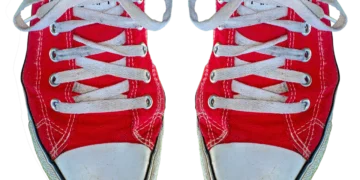
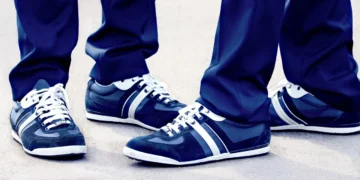






Skate culture’s influence on modern fashion stems from functional durability, loose silhouettes, and anti-establishment graphics. Riders originally designed these elements for board movement. Over decades, practical subcultural styles transitioned into mainstream streetwear and luxury collections. For a deep dive, consider how relaxed fits, flat-soled sneakers, and utilitarian workwear became standard wardrobe staples. This illustrates Skate Culture’s Influence on Modern Fashion: A Deep Dive.
It is a reciprocal relationship. Skaters needed tough, tear-resistant clothing that allowed unrestricted motion, and apparel designers translated those functional designs into mainstream clothing. Today, high-fashion houses and everyday brands draw constant inspiration from skate parks and city street spots. Understanding how this subculture reshaped global fashion reveals why comfort, durability, and practical design continue to dominate modern closets.
How did skatewear evolve from utility to subcultural uniform?
Skateboarding emerged in Southern California during the 1950s and 1960s when surfers wanted to ride flat ocean swells. Early skaters wore basic beachwear: boardshorts, barefoot setups, or simple canvas deck shoes. When urethane wheels were invented in the 1970s, skateboarding transformed into a high-speed, technical discipline requiring serious gear.
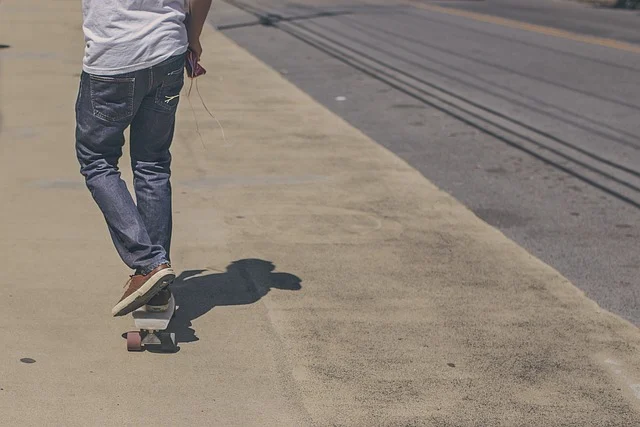
During the late 1970s, teams like the Zephyr Competition Team (Z-Boys) in Santa Monica popularized a distinct look. They wore flat canvas sneakers like the Vans Authentic, durable tube socks, cut-off denim shorts, and simple cotton T-shirts. The apparel was not chosen for aesthetics; it was low-cost gear built to handle concrete impact and abrasions.
The 1980s saw skateboarding move to vertical half-pipes and street obstacles. Independent brands like Vision Street Wear, Santa Cruz Skateboards, and Powell-Peralta recognized that skaters wanted an identity separate from mainstream athletic sports. They introduced neon colors, eye-catching graphics—such as Jim Phillips’ screaming hand—and high-top sneakers with reinforced ankle padding. Skaters customized their gear by slicing off shirt sleeves, stenciling grip tape, and wearing hand-painted jackets, establishing a strong DIY culture.
By the 1990s, technical street skating demanded maximum leg movement and garment longevity. Skaters abandoned tight vintage fits in favor of oversized denim, double-knee canvas trousers, and heavily padded skate shoes. Brands like Blind, World Industries, and Alien Workshop embraced this shift. Heavy cotton, sturdy twill, and double-stitched seams allowed clothing to survive friction against grip tape and asphalt. Thus, they built the structural blueprint for modern casual wear.
Skate Culture's Influence on Modern Fashion: A Deep Dive
Modern fashion relies heavily on design cues created by skaters who prioritized movement over formal tailoring. Four distinct design elements continue to shape current apparel trends:
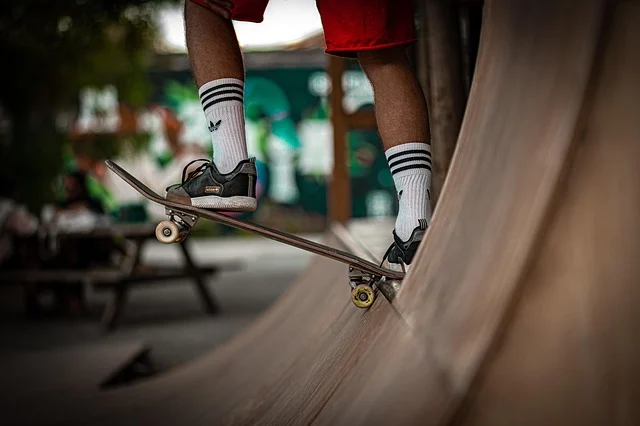
- Oversized and Relaxed Silhouettes: Baggy jeans, wide-leg trousers, and roomy hoodies originated from the need to move freely. Skaters needed to squat, land jumps, and flex joints without tight fabric binding up. Tailors and contemporary labels now use these wider proportions across casual and semi-formal lines.
- Utilitarian Workwear Fabrics: Skaters adopted work jackets, chore coats, cargo pants, and heavy duck-canvas trousers for their abrasion resistance. Heavyweight textiles survive rough use far better than thin synthetics. Because of this, durable workwear fabrics remain central to skate wardrobes.
- Flat Vulcanized and Cupsole Shoes: Skate shoes require flat rubber soles to maximize contact with the board. Rubber toe caps, suede uppers, and side reinforcement pads protect high-wear zones from grip tape. Low-profile sneakers and retro cupsole silhouettes have become universal everyday footwear choices.
- Graphic Logos and DIY Customization: Punk rock design and street art directly shaped skate graphics. Bold logotypes, screen-printed illustrations, iron-on patches, and hand-distressed denim reflect a DIY spirit. As a result, this style resists uniform mass production in favor of personal statement pieces.
How did skate shoes reshape global sneaker culture?
Footwear is the strongest commercial link between skateboarding and global fashion trends. In the late 1960s, Vans designed its signature waffle sole specifically to grip skateboard decks better than conventional running shoes. As street skating advanced during the late 1980s and 1990s, shoes evolved to offer extra ankle support, thick tongue padding, and shock-absorbing rubber midsoles.
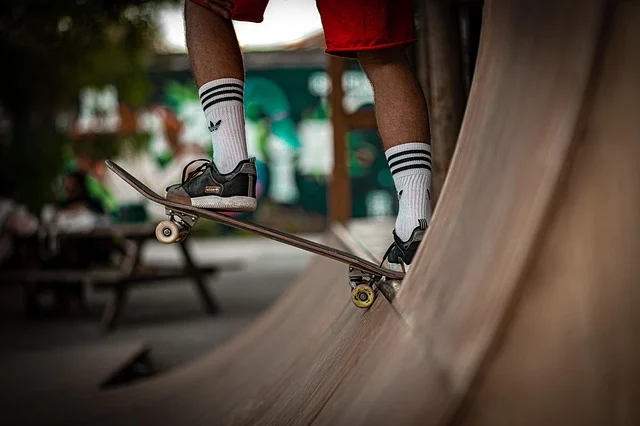
Major athletic brands eventually entered the space. Nike launched its SB (Skateboarding) division in 2002 by re-engineering the 1985 Dunk basketball shoe with padded collars, Zoom Air heel cushions, and heavy-duty suede overlays. By collaborating with local skate shops, graphic artists, and subcultural brands, Nike SB turned skate footwear into prized collector items. Limited-edition drops established the modern sneaker resale economy. According to StockX data, retro skate shoe models and archival skate collaborations maintain high resale value. This shows that function-first skate footwear retains lasting appeal across fashion markets.
Why did high fashion adopt an anti-establishment subculture?
Historically, luxury fashion houses created trends at the top level and let them filter down to retail consumers. Skateboarding flipped that dynamic, driving street-level utility upwards onto luxury runways.
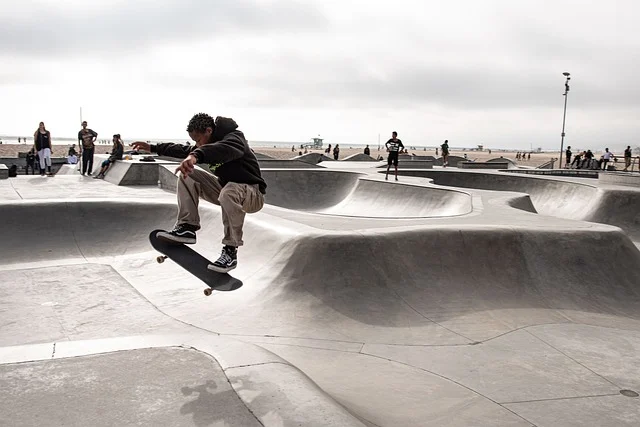
When Supreme opened its first retail shop on Lafayette Street in New York City in 1994, it catered strictly to local skaters and street artists. By combining small batch releases with graphic branding, Supreme built a business model based on scarcity and authentic subcultural ties. In 2017, Louis Vuitton collaborated directly with Supreme under menswear director Kim Jones. This marked a major turning point where high fashion embraced underground skate culture. Later, designers like Virgil Abloh brought skate silhouettes—including wide trousers, graphic hoodies, and bulky skate shoes—into luxury fashion collections.
This shift expanded global streetwear, though it created ongoing discussions about authenticity within the skating community. The dialogue around authenticity versus commercialization remains active among skaters who value board feel and functional durability over premium price tags.
Comparing Authentic Skatewear vs. High-Fashion Skate Wear
To understand how functional skate apparel differs from luxury reinterpretations, compare their main characteristics below:
| Feature | Core Authentic Skatewear | High-Fashion Skate-Inspired Wear |
|---|---|---|
| Primary Objective | Board performance, impact resistance, and durability | Visual aesthetic, runway styling, and brand status |
| Primary Fabrics | Heavy cotton duck, thick denim, tough suede, ripstop canvas | Silk blends, fine wools, delicate calfskin leather, soft cottons |
| Fit & Silhouette | Roomy cuts engineered for flexibility and board movement | Tailored oversized cuts shaped for dramatic visual drape |
| Price Range | Accessible ($25–$120 average per core piece) | Premium ($400–$2,000+ per luxury designer garment) |
| Longevity Target | Withstands scraping on asphalt, concrete, and grip tape | Requires careful washing or dry cleaning to maintain look |
How can you incorporate skate elements into daily outfits?
You do not need to ride a skateboard to wear skate-inspired clothing well. The key is combining functional, structured garments with clean casual basics while maintaining comfortable proportions.
Balance your proportions
Pair wide-leg trousers or loose denim with a mid-weight, boxy T-shirt. If you wear an oversized hoodie, choose straight-leg or relaxed-fit pants rather than skin-tight denim. So, you maintain balanced visual weight across your entire outfit.
Layer with functional workwear
Layering adds visual interest while honoring skate wear’s utilitarian roots. Wear a plain cotton crewneck tee beneath an open flannel shirt, a heavy canvas chore coat, or a utility vest. Sturdy workwear outer layers provide clear structure while keeping the overall look casual.
Select clean, low-profile footwear
Anchoring your outfit with authentic footwear makes a big difference. Flat suede sneakers, classic canvas low-tops, or simple cupsole skate shoes work best. Stick with versatile neutral tones like black, off-white, navy, or gum rubber to complement diverse outfits.
Keep accessories minimal
Skate style relies on simple utility. Avoid excessive jewelry or heavy layering of accessories. For example, a simple beanie, a structured cotton baseball cap, or a durable crossbody canvas bag adds practical style without cluttering your outfit.
Common styling mistakes and how to fix them
Skate-inspired fashion is versatile, but a few simple errors can make an outfit look sloppy or unbalanced:

- Drowning in unstructured fabric: Oversized cuts still need clear structure. If your pants drag under your shoe heels or conceal your shoes entirely, hem them. You can also roll the cuffs so the fabric breaks cleanly over your sneakers.
- Wearing too many visible logos: Wearing multiple heavy logo prints creates visual noise. Pair one graphic tee or branded item with plain, unbranded workwear or denim pieces.
- Matching skatewear with formal dress shoes: Rigid leather dress shoes clash with relaxed, skate-inspired silhouettes. Stick to flat-soled sneakers, suede low-tops, or rugged casual leather boots.
- Buying overly fragile luxury fabrics for everyday wear: If you want the functional look of skatewear, avoid delicate lightweight fabrics that rip easily. Instead, look for heavy cotton duck, dense fleece, and reinforced canvas.
Who is skate fashion NOT suited for?
While skate aesthetics influence much of modern fashion, loose utility clothing does not suit every style need or setting:
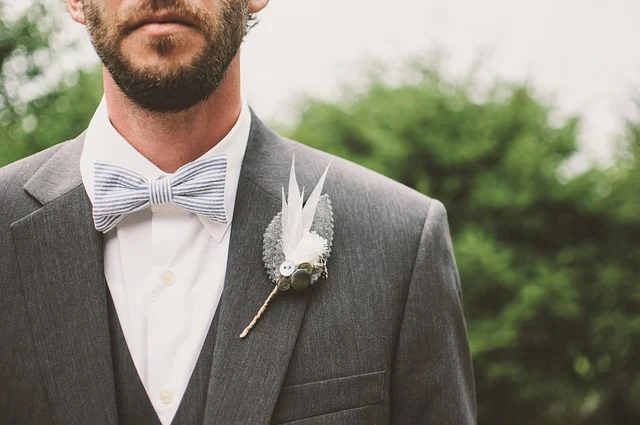
- Formal corporate environments: Conservative offices requiring business formal suiting, crisp dress shirts, or tailored trousers cannot accommodate wide-leg canvas pants or graphic hoodies.
- Fans of sharp, body-conforming tailoring: If you prefer trim, close-fitting Italian suits, narrow-leg denim, or highly contoured garments, the wide cuts and dropped shoulders of skatewear may feel boxy.
- Severe weather performance needs: Traditional skatewear uses thick, breathable natural fibers like heavy cotton canvas. However, if you need technical moisture-wicking or fully waterproof performance gear for outdoor activities, pure cotton skate gear will hold moisture and feel heavy.
Frequently asked questions
What are the essential building blocks of a skate-inspired outfit?
The foundation includes wide-leg canvas or denim pants, a boxy heavyweight cotton T-shirt, a fleece hoodie, and flat-soled suede or canvas sneakers. Heavywork jackets and simple beanies complete the classic outfit.
Why are workwear brands so popular in skate culture?
Workwear brands use heavy-duty canvas, reinforced knees, and heavy stitching designed for manual labor. Skaters adopted these clothes because they resist tearing when sliding across concrete and grip tape.
Are baggy jeans still in style?
Yes, wide-leg and loose-fit jeans remain a cornerstone of streetwear and modern menswear. They offer freedom of movement and create a relaxed silhouette that pairs easily with flat sneakers and oversized tops.
What is the difference between vulcanized and cupsole skate shoes?
Vulcanized shoes use rubber tape baked around the sole, offering superior board feel, flexibility, and a lower profile. Cupsole shoes use a molded rubber sole stitched directly to the upper, providing more cushion and shock protection for high impacts.
How can I customize my clothing for a DIY skate look?
You can add personal touches by cropping shirt hems, adding embroidered patches, hand-stenciling graphics with fabric paint, or lightly sanding denim seams to create authentic wear patterns.


