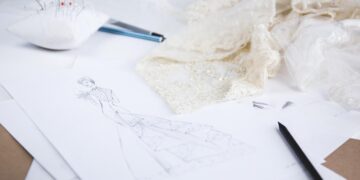












When Michael Jordan stood on the brink of leaving Nike in the late 1980s, the brand faced a critical juncture. Tinker Hatfield, a visionary designer, stepped in. Tasked with creating the Air Jordan III, Hatfield intentionally moved away from traditional basketball shoe aesthetics. He envisioned a sneaker that offered both elite performance and a bold style statement.
Last updated: July 6, 2026
Latest Update (July 2026)
As of July 2026, the Jordan 3 remains a cornerstone of sneaker culture. Recent releases and upcoming collaborations continue to energize its market presence. The focus on premium materials and storytelling has intensified, with collectors valuing original details and high-quality construction. Enthusiasts anticipate several new retro releases and unexpected partnerships throughout 2026, further cementing its status.
Reports from industry analysts indicate a steady demand in the resale market, particularly for ‘Reimagined’ editions and rare Player Exclusive (PE) models. The cultural relevance of the Jordan 3 shows no signs of waning, appealing to both seasoned collectors and a new generation of sneakerheads.
A Design Revolution: The Birth of the Jordan 3
Hatfield’s most striking innovation was the introduction of the elephant print. This distinctive textured pattern, inspired by the African elephant, wrapped around the heel and toe box. It added a rugged, luxurious aesthetic previously unseen on athletic footwear. This bold design choice immediately made the AJ3 visually unique.
Beyond the print, Hatfield integrated a visible Air unit into the heel. This feature had become a Nike signature, but here it appeared with increased prominence. He also debuted the now-iconic Jumpman logo, an image of Jordan soaring for a dunk. This logo would become synonymous with the entire Jordan Brand.
The silhouette itself presented a sleeker and more sophisticated profile than its predecessors. Hatfield’s design philosophy expertly blended performance with style. He created a shoe that performed exceptionally on the court and looked equally impressive off it. This duality proved crucial to the Jordan 3’s enduring appeal.
Why Tinker Hatfield’s Jordan 3 Design Was So Groundbreaking
Hatfield’s genius with the Jordan 3 lay in his ability to fuse disparate elements into a cohesive, revolutionary whole. The shoe was not merely an update; it represented a complete reimagining of what a signature basketball shoe could be. The elephant print, for instance, offered more than just decoration.
It provided structural support and enhanced durability, adding a tactile and visual dimension that captured the public’s imagination. This texture contrasted powerfully with the smooth leather or nubuck uppers. This interplay created a dynamic visual appeal.
The placement of the Jumpman logo on the tongue marked a significant departure from the side-panel branding of earlier models. It gave the shoe a distinct identity, serving as a focal point and a proud declaration of its lineage. The visible Air unit, often encapsulated in previous designs, appeared more openly. This signaled advanced cushioning technology with a clear visual flourish.
According to Nike’s historical archives, the design process involved numerous sketches and prototypes. This reflected Hatfield’s meticulous approach. The primary goal was to create a shoe that conveyed speed, grace, and power, directly mirroring Jordan’s on-court persona. The success of the AJ3 stands as a testament to Hatfield’s visionary approach, which prioritized both form and function.
The Jordan 3: A Deep Dive into Iconic Colorways
Part of the Jordan 3’s lasting allure stems from its unforgettable palette of colorways. These have ranged from classic originals to modern interpretations, each contributing significantly to the shoe’s legendary status.
Original Classics and Their Enduring Appeal
The original "White Cement", first released in 1988, remains arguably the most iconic. Its crisp white leather, grey elephant print, and subtle red accents created a versatile and timeless look. Nike has retroed this colorway numerous times, consistently meeting high demand.
Another original, the "Black Cement", offered a darker, more aggressive aesthetic. Featuring black uppers, grey elephant print, and red detailing, it provided a stark contrast. It quickly became a favorite for its stealthy yet bold appearance. Subsequent "Bred" iterations have also achieved immense popularity.
The "True Blue" colorway, with its distinctive blue accents against a white base and grey elephant print, evokes patriotic themes. It has also seen consistent demand since its debut. Its unique color blocking made it an instant classic upon release.
Modern Interpretations and Limited Editions
More recent releases like the "Mocha" (brown accents), "Fire Red" (red detailing with black elephant print), and the much-hyped "Reimagined" versions have kept the Jordan 3 highly relevant. The "Reimagined" series, for instance, often features premium materials and subtle updates. These appeal to both OG collectors and new enthusiasts.
As of July 2026, collectors eagerly anticipate new iterations. Rumored premium upgrades and themed releases, such as "Bin 23" and "Seoul 2.0" variants, showcase the brand’s continued commitment to this silhouette. The "Orange Citrus" WMNS edition also highlights the Jordan 3’s adaptability to different aesthetics and markets, demonstrating its broad appeal.
Cultural Impact and the Rise of Sneaker Culture
The Jordan 3 did more than just influence footwear design; it played a significant role in the burgeoning sneaker culture. Its distinctive design and strong association with Michael Jordan made it a status symbol. It became a coveted item for youth culture across the globe.
Its prominent appearances in music videos, films, and celebrity wardrobes helped propel it from a performance shoe to a definitive fashion statement. The "elephant print" became instantly recognizable, even to those outside the dedicated sneaker community. This widespread recognition proved instrumental in the growth of what people now call streetwear.
The AJ3’s immense success paved the way for subsequent Jordan models. Each new release built upon the innovative spirit of its predecessor. It demonstrated that a signature shoe could transcend its athletic origins and become a cultural artifact in its own right. The resale market, a significant aspect of sneaker culture today, owes much of its existence to the demand generated by models like the Jordan 3.
According to industry analysis, the demand for retro Jordan models, including the Jordan 3, has seen consistent growth through 2026. This sustained interest fuels both primary and secondary markets, influencing trends and pricing strategies across the industry.
Jordan 3 Sizing, Fit, and Comfort in 2026
Understanding the sizing and fit of the Jordan 3 is essential for both comfort and collecting. Based on recent reviews, the Jordan 3 generally fits true to size for most wearers. However, individual foot shape can influence the optimal fit.
Sizing Recommendations
- True to Size: For average feet, sticking to your usual sneaker size offers the best fit.
- Wide Feet: Users report that those with wider feet might consider going up half a size for increased comfort, especially in the toe box area.
- Snug Fit Preference: Some prefer a snug fit for court performance or a "locked-down" feel, in which case true to size is ideal.
Comfort Features and Materials
The Jordan 3 incorporates several design elements that contribute to its comfort. The visible Air unit in the heel provides responsive cushioning, absorbing impact effectively. The padded collar and tongue offer ankle support and a soft feel around the foot.
Materials play a significant role. The premium leather or nubuck uppers, combined with textile lining, conform to the foot over time. This creates a personalized fit. While initially stiff, the materials break in to offer enhanced flexibility and comfort with wear. As of 2026, newer retro releases often feature improved insole technology for modern comfort standards.
The Jordan 3: Materials and Durability
The choice of materials in the Jordan 3 has always been a key factor in its appeal and longevity. From its original release to the latest retros, the quality of construction contributes significantly to its iconic status.
Premium Leather and Elephant Print
The upper typically features full-grain leather or nubuck, offering a premium feel and solid durability. Leather provides a classic look and ages beautifully, developing a unique patina over time. Nubuck, a sanded leather, offers a softer, suede-like texture.
The elephant print, usually made from a synthetic material or debossed leather, adds both visual flair and structural reinforcement. Its placement on high-wear areas like the toe and heel enhances the shoe’s overall resilience against scuffs and impacts.
Sole Construction and Longevity
The midsole consists of polyurethane, a durable and supportive foam that houses the visible Air unit. This combination provides both cushioning and stability. The rubber outsole, featuring a classic herringbone traction pattern, delivers reliable grip and wear resistance on various surfaces.
Users generally report that a well-cared-for pair of Jordan 3s can last for many years. Proper cleaning and storage are crucial for maintaining the integrity of the materials, especially the leather and midsole foam, which can degrade over extended periods if neglected.
Jordan 3 vs. Other Signature Models: A Comparison
The Jordan 3 occupies a unique position within the vast lineage of Air Jordan sneakers. Comparing it to other signature models highlights its distinct contributions and enduring legacy.
Vs. Jordan 1 and 2
Compared to the Jordan 1 and Jordan 2, the AJ3 represented a radical departure. The Jordan 1, a high-top, introduced signature branding but maintained a relatively simple design. The Jordan 2, aiming for luxury, removed the Swoosh and added Italian-made elements.
The Jordan 3, however, introduced the visible Air, elephant print, and Jumpman logo. These elements created a new design language that defined the brand’s future. It blended performance innovation with groundbreaking aesthetics in a way its predecessors didn’t fully achieve.
Vs. Jordan 4 and Beyond
The Jordan 4, also designed by Tinker Hatfield, built upon the AJ3’s success by introducing mesh netting and "wings" for lockdown support. While the 4 is celebrated for its rugged, utilitarian aesthetic, the 3 maintains a more refined and elegant profile. The 3’s foundational innovations, like visible Air and the Jumpman, became standard features in many subsequent models.
Experts often point to the Jordan 3 as the blueprint for the modern athletic-lifestyle sneaker. It skillfully balanced on-court functionality with off-court style, influencing a generation of footwear designers. How to Style Trends in 2026: Master Your Personal Aesthetic
The Jordan 3 in the Resale Market: Trends and Values
The resale market for sneakers, particularly for iconic models like the Jordan 3, has matured significantly by 2026. Values for Jordan 3s fluctuate based on several factors, including rarity, condition, colorway, and cultural relevance at the time of sale.
Current Market Dynamics (July 2026)
As of July 2026, "OG" colorways like "White Cement" and "Black Cement" consistently command high prices, especially in deadstock (DS) condition. "Reimagined" versions, which often feature aged aesthetics and premium materials, also perform exceptionally well. These typically see prices ranging from $300 to $600+ for standard sizes, varying by specific release and demand.
Limited edition collaborations, like those with A Ma Maniére or Fragment Design, can reach significantly higher figures, often exceeding $1,000. Exclusivity and unique design drives these collaborations interpretations. Analysts indicate that the Jordan 3’s resale value has remained solid, resisting some of the volatility seen in other sneaker segments.
Factors Influencing Resale Value
- Condition: Deadstock (new, unworn) pairs fetch the highest prices.
- Rarity: Limited releases, regional exclusives, and Player Exclusives (PEs) are highly sought after.
- Colorway: Original and culturally significant colorways consistently perform better.
- Size: Common men’s sizes (US 9-11) often have the highest liquidity and demand.
- Authenticity: Buyers prioritize verified authentic sneakers, making reputable platforms essential.
Understanding these trends helps both buyers and sellers navigate the dynamic Jordan 3 resale market effectively. How to Clean Common Projects Achilles: Preserve Your Minimalist Sneakers in 2026
Common Mistakes: Buying and Caring for Jordan 3
To preserve the value and extend the lifespan of your Jordan 3s, avoiding common pitfalls in both acquisition and maintenance is crucial.
Buying Mistakes
- Ignoring Authenticity: Counterfeit sneakers are prevalent. Always purchase from reputable retailers or verified secondary market platforms that offer authentication services.
- Incorrect Sizing: Buying the wrong size leads to discomfort and potential damage to the shoe’s structure over time. Refer to sizing guides and user reviews specific to the Jordan 3.
- Impulse Purchases: Research the specific colorway’s market value before buying, especially on the resale market. Prices can vary significantly.
- Neglecting Condition Checks: For pre-owned pairs, thoroughly examine photos and descriptions for flaws, sole separation, yellowing, or excessive creasing.
Caring Mistakes
- Improper Cleaning Agents: Using harsh chemicals can damage leather, nubuck, and elephant print. Stick to sneaker-specific cleaning solutions and soft brushes.
- Ignoring Storage Conditions: Store Jordan 3s in a cool, dry place away from direct sunlight. Excessive heat or moisture can cause yellowing, cracking, or sole separation.
- Over-wearing: While durable, constant wear accelerates degradation. Rotate your sneakers to extend their life.
- Not Protecting Materials: Apply a water and stain repellent spray, especially on nubuck or suede versions, to guard against spills and dirt.
Styling Your Jordan 3 in 2026
The Jordan 3’s timeless design makes it incredibly versatile, fitting seamlessly into various fashion trends in 2026. Its blend of athletic heritage and sophisticated aesthetics allows for diverse styling options.
Casual and Streetwear Looks
For a classic streetwear vibe, pair your Jordan 3s with distressed denim or cargo pants. A relaxed-fit hoodie or an oversized graphic tee complements the sneaker’s bold silhouette. The key is to let the Jordan 3 be a focal point, opting for relatively neutral or complementary colors in your clothing.
Consider pairing "Black Cement" or "White Cement" Jordan 3s with straight-leg jeans and a vintage band tee for an effortlessly cool aesthetic. Cuffed pants or joggers also work well, ensuring the sneaker remains visible.
Elevated and Smart-Casual Outfits
The Jordan 3 can also elevate a smart-casual ensemble. Combine them with tailored trousers, a crisp button-down shirt, and a light jacket or blazer. Opt for cleaner colorways like the "White Cement" or "True Blue" to maintain a polished look.
For a contemporary twist, pair a "Mocha" Jordan 3 with earth-toned chinos and a knitted polo. The sneaker adds a touch of athletic luxury without compromising on sophistication. The versatility of the Jordan 3 makes it a staple for modern wardrobes as of 2026.
Expert Insights: The Jordan 3’s Enduring Appeal
Sneaker industry experts consistently point to several factors contributing to the Jordan 3’s sustained popularity and cultural relevance decades after its initial release.
Design Prowess and Innovation
The revolutionary design by Tinker Hatfield remains a primary driver. The introduction of visible Air, elephant print, and the Jumpman logo created a visual identity that transcended basketball. This design set a new standard for athletic footwear, merging performance with undeniable style. Its innovative features continue to influence new sneaker designs even in 2026.
Michael Jordan’s Legacy
The deep connection to Michael Jordan’s prime years on the court solidifies its legendary status. The AJ3 was on his feet during iconic moments, including his first MVP award and the legendary ‘Free Throw Line Dunk.’ This association imbues the shoe with a narrative of greatness and peak performance, making it more than just footwear—it’s a piece of sports history.
Cultural Resonance and Adaptability
The Jordan 3’s ability to seamlessly transition from the basketball court to the streets and high fashion runways speaks volumes about its cultural resonance. It adapted to various subcultures, from hip-hop to skateboarding, cementing its place as a versatile icon. Its consistent retro releases and collaborations ensure its continuous engagement with new generations of sneaker enthusiasts, maintaining its relevance in 2026 and beyond.
Frequently Asked Questions
When was the original Jordan 3 released?
Nike originally released the Air Jordan 3 in 1988. It marked a key moment for both Michael Jordan and Nike, introducing several iconic design elements that would define the Jordan Brand for decades to come, including the visible Air unit and elephant print.
Does the Jordan 3 fit true to size?
Based on extensive user feedback as of 2026, the Jordan 3 generally fits true to size for most individuals. However, those with wider feet might find a half-size increase more comfortable, especially in the toe box area. Always check specific reviews for newer retro releases.
What are the most iconic Jordan 3 colorways?
The most iconic Jordan 3 colorways include the "White Cement", "Black Cement", and "True Blue". These original releases remain highly sought after by collectors and consistently see retro releases due to their timeless appeal and historical significance.
How do I clean my Jordan 3s?
Clean your Jordan 3s using a soft brush and sneaker-specific cleaning solution. Gently scrub the uppers, midsole, and outsole. Avoid harsh chemicals or excessive water, especially on leather and nubuck. Allow them to air dry completely away from direct heat or sunlight to prevent damage.
What is the resale value of Jordan 3s in 2026?
As of July 2026, the resale value of Jordan 3s varies significantly. Original colorways and "Reimagined" editions typically range from $300-$600+. Limited collaborations can fetch over $1,000. Rarity, condition, and specific demand for the colorway primarily influence prices.
Are Jordan 3s comfortable for everyday wear?
Many users find the Jordan 3 comfortable for everyday wear due to its visible Air cushioning in the heel and supportive construction. While designed initially for basketball, its padded collar and durable materials make it a popular choice for casual, all-day comfort, especially after a brief break-in period.
Conclusion
The Jordan 3 stands as a monumental achievement in sneaker design and cultural impact. Tinker Hatfield’s visionary approach not only kept Michael Jordan with Nike but also set a new standard for performance footwear blending seamlessly with street style. Its iconic elements, from the visible Air unit to the distinctive elephant print and the enduring Jumpman logo, continue to resonate deeply with sneaker enthusiasts worldwide.
As of 2026, the Jordan 3 maintains its formidable presence in both the primary and secondary markets, celebrated for its rich history, versatile aesthetics, and timeless appeal. It remains a testament to innovative design and the powerful legacy of an athletic legend, continuing to inspire and captivate new generations of collectors and fashion-forward individuals.
Source: Vogue
Editorial Note: This article was researched and written by the Anarchy Label editorial team. We fact-check our content and update it regularly. For questions or corrections, contact us.