













Developing a unique wardrobe starts with knowing your lifestyle, body shape, and color preferences. Focus on quality basics and signature pieces rather than trends. Learning how to develop personal style allows you to express your identity and build confidence. You will make conscious clothing choices that align with your daily activities and personal values.
This guide covers how to evaluate your current closet, gather inspiration using mood boards, and identify your flattering silhouettes and color palettes. It also provides actionable steps for auditing your wardrobe and highlights common mistakes to avoid, such as impulse buying fast fashion or neglecting proper fit and comfort.
How to Develop Personal Style: A Step-by-Step Framework
To establish a personal style that feels authentic and functional, follow a structured process rather than buying random items off a rack. Learning how to create personal style requires systematically aligning what you wear with who you are and what you do every day.
Step 1: Conduct a Hard Wardrobe Audit
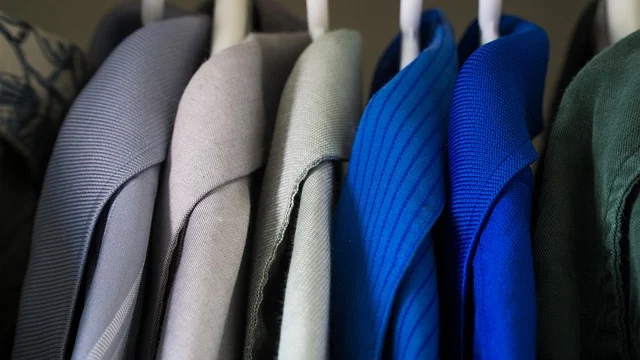
Remove every item from your closet and sort it into three distinct piles:
- Daily Favorites: Clothes you wear constantly and feel confident in.
- Conditional/Occasional: Garments that fit well but only suit specific events or seasons.
- Never Wear: Items that feel uncomfortable, do not fit, or were bought on impulse.
Examine the “Daily Favorites” pile closely. Identify recurring patterns in silhouette, rise, fabric weight, and color. These recurring traits form the foundation of your authentic aesthetic.
Step 2: Map Clothes to Your Actual Lifestyle
A frequent reason people feel poorly dressed is a mismatch between their actual schedule and their wardrobe. Calculate the percentage of time you spend in various activities over a typical month:
- Desk or office work (e.g., 50%)
- Casual social outings or errands (e.g., 30%)
- Physical activity or lounging (e.g., 15%)
- Formal events (e.g., 5%)
Your wardrobe composition should reflect these percentages.
Step 3: Define Your Core Silhouette and Palette
Focus on two to three body silhouettes that highlight your proportions and offer comfort. Pair this with a limited color palette consisting of:
- 3 Base Neutrals: E.g., navy, charcoal, cream, or black.
- 2 Accent Colors: E.g., olive green, burgundy, cobalt, or rust.
When every top matches every bottom in your closet, building an outfit takes seconds.
Step 4: Select Your Signature Anchor Pieces
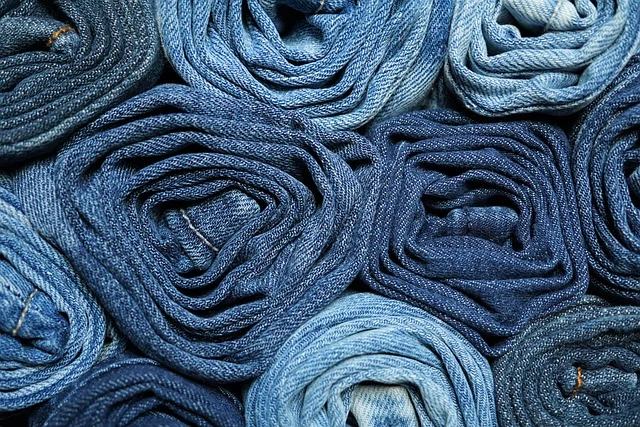
Signature items are repeat elements that make your outfits recognizable. Examples include a structured trench coat, a tailored leather jacket, minimalist silver jewelry, vintage boots, or dark selvedge denim.
How to Develop Personal Style Reddit Methodologies
Online fashion communities on Reddit (such as r/malefashionadvice and r/femalefashionadvice) have developed practical systems to help members refine their wardrobes without overspending. Key takeaways include:
1. The Three-Word Rule
Select three adjectives that describe your ideal look. For example: Structured, Minimalist, Relaxed or Vintage, Oversized, Playful. When considering a new clothing item, test whether it fits all three criteria. If it only matches one, pass on it.
2. Outfit Tracking and Daily Mirror Photos
Take a quick photo of your outfit every morning for 30 days. Reviewing these photos at the end of the month reveals which silhouettes look best on camera and which outfits you repeatedly gravitate toward, eliminating guesswork.
3. The Anti-Haul Purchase Delay
Community members advocate for a strict 72-hour cooling-off period before purchasing non-essential clothing. This prevents impulse buys driven by short-lived promotional emails or social media trends.
How to Develop Personal Style Men
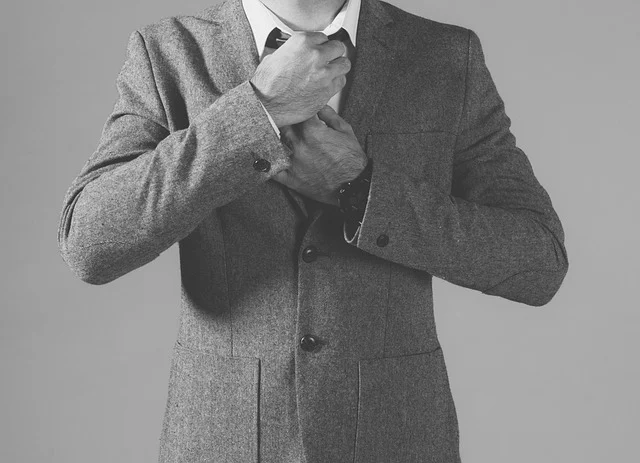
For men aiming to develop your personal style, progress relies heavily on fit, proportion, texture, and subtle detailing rather than loud logos or drastic trend shifts.
Focus on Tailoring and Shoulder Fit
Whether wearing a t-shirt or a suit jacket, the shoulder seam should sit precisely where your shoulder meets your arm. Shirts or jackets that droop over the shoulder look sloppy, while tight fits restrict movement.
Prioritize Structural Textures Over Prints
Instead of relying on heavy graphic tees or busy patterns, add depth through fabric texture. Mix materials such as waffle-knit cotton, heavy flannel, raw denim, suede, ribbed wool, and unstructured linen.
Upgrade Footwear as the Style Anchor
Footwear dictates the formality of a male outfit. Replacing generic athletic sneakers with clean leather minimalist sneakers, suede chelsea boots, or Goodyear-welted loafers immediately elevates basic jeans and t-shirts.
For example, during colder months, balancing functional outerwear—such as a tailored jacket or a structured fashion trend coat—with classic dark denim creates an effortless smart-casual balance.
How to Develop Personal Style Women
When learning how to develop personal style women can focus on proportion play, intentional layering, and mixing classic staples with distinct personal accents.
Master Proportional Contrast
To create visual interest, balance loose or voluminous garments with form-fitting pieces:
- Pair wide-leg trousers with a fitted ribbed tank or tucked-in shirt.
- Pair an oversized blazer or chunky knit sweater with straight-leg denim or a streamlined slip skirt.
Build an Elevated Capsule Base
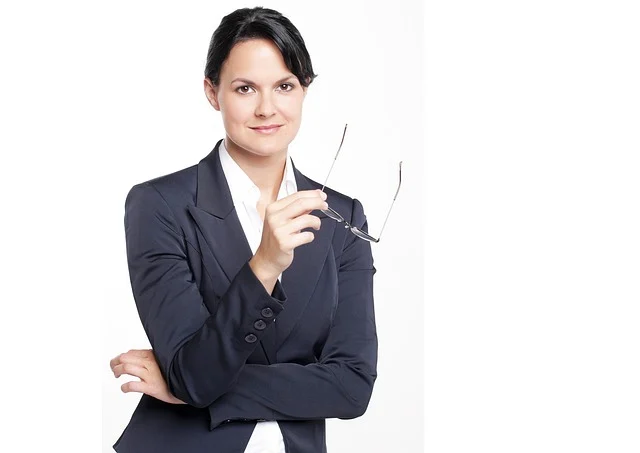
Construct a core wardrobe from high-quality neutral anchors: a crisp white button-down, tailored high-waisted trousers, a versatile trench coat, quality denim with minimal stretch, and a well-fitted blazer. These pieces serve as the canvas for seasonal or vintage statement items.
Incorporate High-Low Styling
Combine high-end or vintage statement accessories (a structured leather handbag, vintage boots, or statement jewelry) with simple, affordable basics. This creates a curated look that avoids looking like a store mannequin.
How to Improve Personal Style and Refine Your Look
If you already have a working wardrobe but feel stuck in a rut, learning how to improve personal style involves fine-tuning details and removing friction points.
| Focus Area | Trend-Chasing Approach | Defined Personal Style Approach |
|---|---|---|
| Shopping Habits | Buys fast-fashion micro-trends monthly | Invests intentionally in versatile staples and rare finds |
| Wardrobe Cohesion | Mismatched items that only make single outfits | Interchangeable pieces forming dozens of combinations |
| Fit & Comfort | Prioritizes trend status over actual fit | Prioritizes proper tailoring, comfort, and silhouette |
| Longevity | Garments discarded after 3–6 months | Garments worn and restyled across multiple years |
Common Wardrobe Problems and Direct Fixes
- Problem: “Full closet, but nothing to wear.”
Fix: You have too many single-purpose “statement” pieces and not enough neutral connecting basics. Add high-quality t-shirts, plain trousers, and classic footwear. - Problem: “Outfits feel boring or incomplete.”
Fix: Apply the “third piece rule.” Add a blazer, cardigan, structured jacket, belt, or distinctive scarf to complete the outfit. - Problem: “Style feels inconsistent day to day.”
Fix: Establish a go-to personal “uniform” for busy days (e.g., straight-leg jeans + tucked button-up + leather loafers).
Who This Advice Does Not Suit
Developing a consistent personal style is ideal for people seeking efficiency, visual cohesion, and long-term sustainability. However, this advice may not suit:
- Actors or performers who need drastically changing wardrobes for roles.
- Fashion avant-garde enthusiasts who treat dressing as experimental performance art without wanting a fixed identity.
- Individuals working in strict uniform-only environments where personal expression through clothing is prohibited.
How to Develop Personal Art Style
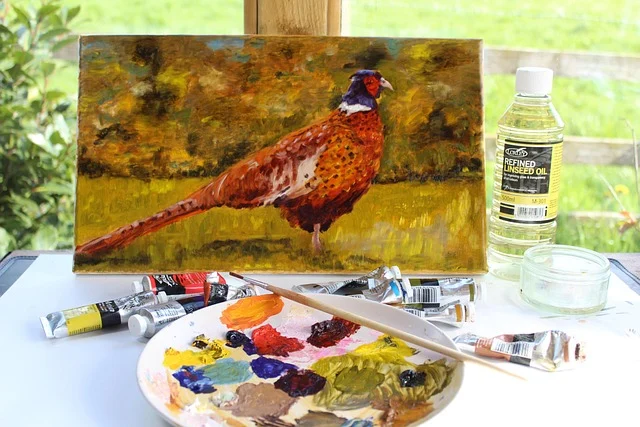
The term “personal style” applies to visual art as well as fashion. If you are looking to develop personal art style, the principles of self-expression and consistency remain identical.
1. Deconstruct Your Visual Influences
Select 5 to 10 artists whose work inspires you deeply. Analyze specifically what draws you to them: Is it line weight, color saturation, subject matter, composition, or texture? Combine elements from disparate influences rather than copying a single artist.
2. Embrace Deliberate Constraints
Limit your medium choices or color palettes for 30 consecutive pieces. Restricting your options forces your subconscious choices to surface, revealing your natural artistic voice.
3. Create a Dedicated Body of Work
Artistic style emerges through high volume. Complete a cohesive series (such as 50 drawings using the same medium and subject theme). Over time, repeated motifs and techniques become your signature mark.
What is personal style?
Personal style is your unique way of expressing yourself through clothing, accessories, and grooming. It reflects your personality, lifestyle, and aesthetic preferences, setting you apart from fleeting fashion trends.
How long does it take to develop personal style?
Developing personal style is an ongoing journey, not a quick fix. While you can identify key elements within weeks, refining and evolving it can take months or even years of experimentation and self-discovery.
Can I develop personal style on a budget?
Absolutely. Focus on quality basics, thrift store finds, and smart styling. Accessories can also add personality without significant expense.
Is it okay for my personal style to change?
Yes, your style should evolve as you do. As your life, experiences, and preferences change, your style will naturally adapt to reflect your current self.
How do I avoid looking like a copycat?
Draw inspiration from others, but always filter it through your own preferences and lifestyle. Focus on what genuinely appeals to you and makes you feel confident, rather than directly imitating someone else.
What if my body shape changes?
Your wardrobe should adapt with you. Focus on understanding flattering silhouettes for your current shape and prioritize comfort and confidence in your clothing choices.
Source: Vogue
Sources: Personal development
Frequently asked questions
How do I find my style if I have no sense of fashion?
Start by identifying what you wear most often when comfort is your only goal. Build around those items using simple neutrals, clean footwear, and properly fitting clothes before introducing trend pieces.
How many clothes do I need to build a complete personal style wardrobe?
A functional capsule wardrobe usually consists of 25 to 40 items total (excluding gym wear and underwear). This includes 10 tops, 5 bottoms, 3 pieces of outerwear, 4 pairs of shoes, and select accessories.
How do I maintain my personal style without spending money on new clothes?
Focus on restyling existing items by changing tucking techniques, rolling sleeves, layering differently, or tailoring garments you already own to fit better.
Can I have more than one personal style?
Yes. Many people balance two complementary sub-styles (such as Minimalist Formal for work and Vintage Casual for weekends) anchored by shared colors or accessories.


