













Building a clothing brand requires defining a clear niche, creating tech packs for designs, sourcing reliable manufacturers, and validating products with small-batch inventory before scaling. Success relies on balancing production costs with value-based pricing while growing a loyal community through targeted digital channels.
Launching an apparel business involves navigating physical supply chains, garment development, and brand positioning. The most cost-effective path emphasizes lean principles and strategic foresight to minimize financial risks while creating desirable products.
How to start building a clothing brand step by step
- Define your niche and target customer: Identify who your garments are for and what specific gap in the apparel market you fulfill. Focus on clear aesthetics, functional needs, or subcultures rather than trying to appeal to broad, generic audiences.
- Create detailed tech packs: Translate design concepts into technical specification sheets containing garment measurements, fabric weight (GSM), stitching details, trim placement, and a bill of materials (see How to Fashion Sketch: Communicating Your Design Vision for garment tech pack guides). Tech packs ensure factory accuracy and prevent costly sampling errors.
- Source materials and production partners: Order fabric swatches and trim samples before contacting manufacturers. Select manufacturing partners based on minimum order quantities (MOQs), production quality, lead times, and labor practices.
- Develop and approve pre-production samples: Request samples from manufacturers to check sizing, fit, durability, and fabric finish. Expect to go through two to three sampling rounds before approving a final garment for production.
- Build your online store and brand assets: Set up a storefront on platforms like Shopify, develop visual branding, and produce clean product photography that showcases garment details, fit, and texture clearly.
- Launch with low-risk inventory and gather data: Produce a small initial run or use pre-orders to validate demand. Monitor customer feedback, return rates, and digital marketing performance to refine future collections.
Comparing production models for apparel startups
Selecting the right production model dictates your upfront capital requirements, gross margins, and turnaround times. The three primary routes for new clothing brands each present distinct trade-offs:

| Production Model | Upfront Cost | Design Customization | Profit Margin | Best For |
|---|---|---|---|---|
| Print-on-Demand | Very Low | Limited to surface graphics | Low (15% – 30%) | Graphic tees, testing concepts without stock |
| Private Label | Moderate | Medium (pre-made cuts with custom tags) | Moderate (40% – 60%) | Standard essentials and rapid market entry |
| Custom Cut-and-Sew | High | Full control over fit, fabric, and trims | High (60% – 80% at scale) | Unique silhouettes, premium streetwear, specialized activewear |
Rethinking initial inventory and lean production
Overstocking inventory remains one of the fastest ways to exhaust capital when building a clothing brand. Launching with an extensive catalog of styles and sizes creates substantial holding costs and ties up working capital in unsold garments.
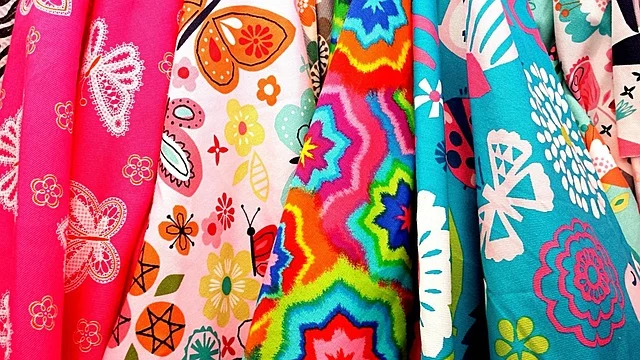
A leaner strategy focuses on a curated collection of core pieces. Instead of ordering 500 units of ten different designs, starting with 100 units of three to five core designs drastically limits financial risk. If a design underperforms, unsold stock is minimal. Print-on-demand services like Printful offer a practical low-cost entry point for testing graphic items and initial designs before placing bulk factory orders.
Branding, digital presence, and sustainable values
A compelling brand identity requires clear positioning rather than high spending on external agencies. Building a distinctive story and visual aesthetic relies on deep market research into target customer preferences and values.

Growing consumer demand for ethical practices makes sustainability a core component of brand identity. As highlighted by Vogue Business (2025), circular fashion and responsible material sourcing resonate strongly with modern buyers. Integrating recycled fibers, organic cotton, or low-impact dyes communicates clear values.
High-quality digital presentation is essential for conversion. Professional product photography highlighting garment texture, fit, and construction builds trust on e-commerce platforms like Shopify. Design tools such as Canva allow founders to create visual collateral for social media and marketing without expensive agency retainers. Early storytelling work on brand heritage and creative direction strengthens customer connection, aligning with insights from building authentic apparel labels.
Prioritizing data analytics from day one
Relying on guesswork for marketing spend frequently leads to high acquisition costs. Installing web analytics tools from day one provides actionable visibility into traffic sources, session duration, add-to-cart rates, and checkout conversions.
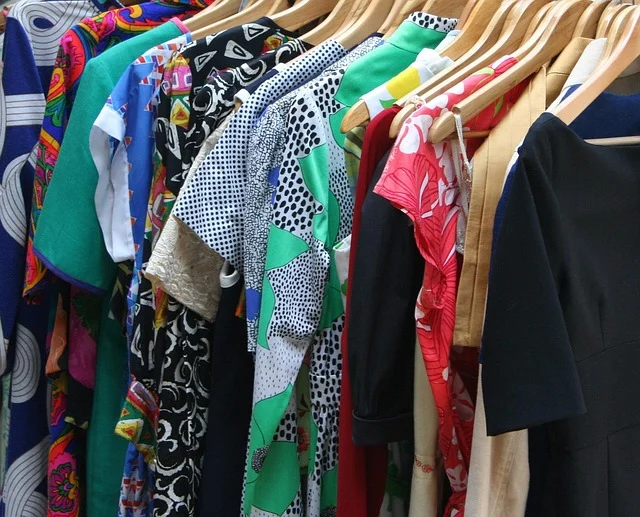
Free platforms like Google Analytics reveal how visitors find your site and where drop-offs occur during checkout. Establishing proper tracking for digital campaigns ensures every ad dollar generates measurable returns. Following best practices outlined by Google Ads allows founders to evaluate customer touchpoints, track return on ad spend (ROAS), and reallocate budget toward high-performing channels.
Finding and vetting reliable manufacturing partners
Selecting manufacturers purely on low unit cost often results in poor craftsmanship, missed delivery deadlines, and ethical vulnerabilities. Building a durable clothing brand requires vetting partners for quality control standards, working conditions, and transparent supply chains.
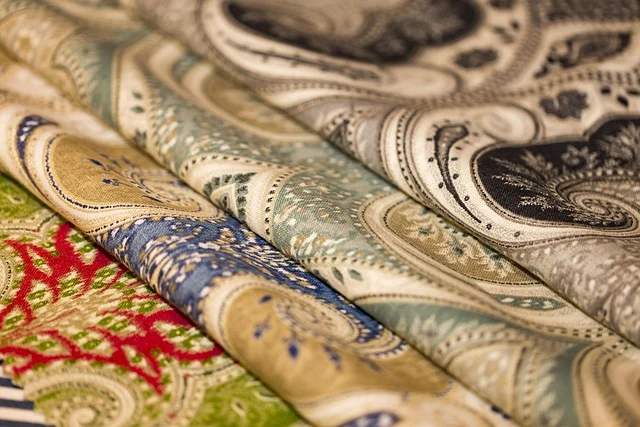
Domestic sourcing platforms like Maker’s Row connect brands with verified suppliers, providing greater production oversight and shorter shipping times despite higher unit costs. For international production, seeking facilities certified by organizations like Fair Trade Certified ensures compliance with fair wages and safe working environments. Thorough sample reviews, factory visits, and clear contract terms prevent quality defects that can damage brand reputation.
Building community over broad advertising
Paid broad-reach advertising can rapidly deplete early budgets without establishing lasting customer loyalty. Sustainable brand growth depends heavily on active community engagement and direct relationship building.

Developing valuable content—such as behind-the-scenes design processes, fabric breakdown videos, and styling recommendations—builds organic engagement across social channels. Encouraging user-generated content provides authentic social proof, as real customer photos carry higher trust than traditional advertisements. Cultivating loyal advocates and active email subscribers forms a resilient foundation, echoing core principles of building sustainable apparel ventures.
Smart pricing strategies and profitability
Pricing garments too low erodes profit margins and creates a perception of low quality. Establishing retail prices requires accounting for all cost of goods sold (COGS)—including fabric, trims, manufacturing labor, freight, custom packaging, and import duties—plus operating expenses and target margins.

Value-based pricing aligns prices with perceived quality, brand positioning, and unique design features rather than competitor discounting. Bundle pricing can effectively raise average order value (AOV). For example, offering a bundle of two premium t-shirts for $60 instead of $35 each incentivizes larger orders while maintaining strong margins. Strategic pricing models, as detailed by McKinsey & Company (2025), demonstrate how value perception directly drives long-term margin health.
Who building a clothing brand is not for
Building an apparel label requires significant operational discipline and financial patience. It is not suitable for individuals seeking immediate passive income or quick financial returns, as garment production involves long cash conversion cycles from sampling to final sale.

This venture is also ill-suited for founders who dislike direct supply chain management, detail-oriented quality control, or customer communication. If you are unwilling to manage inventory risks, handle returns, or continuously test marketing strategies, alternative business models like digital products or pure affiliate dropshipping may fit better.
Frequently asked questions
How much capital do I really need to start a clothing brand?
You can start a budget-conscious clothing brand with $5,000 to $10,000, covering basic website setup, initial samples, and a small inventory run. Scaling production and running dedicated marketing campaigns typically requires $20,000 to $50,000 or more depending on manufacturing minimums.
What are the biggest mistakes new clothing brands make?
The most common errors include overproducing initial inventory, setting unviable retail margins, ignoring technical specs during sampling, and relying on broad paid advertising without establishing a clear brand niche or community base.
Should I focus on sustainable fashion from the start?
Yes, embedding eco-friendly materials and ethical supply chain standards early builds genuine brand trust and avoids costly supply chain pivots later. Modern apparel consumers increasingly prioritize circularity and transparent sourcing when selecting new brands.
What is the most cost-effective way to market a new clothing brand?
Cultivating an engaged community through organic social media, direct email marketing, micro-influencer partnerships, and user-generated content yields the highest return on investment for new labels.
When should I consider expanding my product line?
Expand into new categories or broader style catalogs only after validating your core product line through steady sales data and positive customer feedback. Expanding too early risks tying up capital in slow-moving inventory before establishing brand loyalty.
When launching a clothing brand, maintaining operational agility and strict capital discipline ensures long-term viability. By focusing on lean inventory, verified ethical sourcing, data-backed decisions, and strong community engagement, founders can build a resilient apparel business that delivers lasting value.


