













The Air Max 95 Air features Nike’s dual-pressure Air cushioning encapsulated in the forefoot and heel. It was the first running shoe with visible front Air. Designed by Sergio Lozano in 1995, its layered upper mirrors human muscle fibers and spine structures to combine iconic streetwear styling with durable all-day impact protection.
The “Air” designation in the Air Max 95 refers directly to gas-filled polyurethane bladders embedded inside the foam midsole. These bladders contract under heel strike and toe-off to reduce joint fatigue during long walking sessions or daily standing. Rather than relying solely on traditional EVA foam that compresses and hardens over time, the encapsulated pressurized gas provides continuous shock absorption throughout the life of the sneaker.
How does Air Max 95 Air technology work?
The cushioning system of the Air Max 95 Air represented a fundamental shift in sneaker engineering. Before 1995, Nike Air Max shoes housed visible Air bladders solely in the heel region. The Air Max 95 introduced two discrete pressurized Air-Sole units beneath the metatarsal heads in the forefoot, alongside a multi-chambered unit beneath the heel.
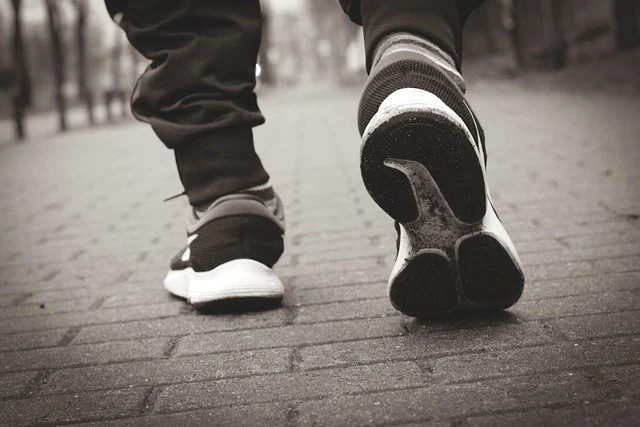
The heel unit utilizes dual-pressure architecture. Its central chamber operates at 5 PSI to absorb initial heel impacts softly. The outer perimeter chambers operate at 25 PSI to prevent pronation and maintain lateral stability. This dual-density design prevents your foot from bottoming out while stepping down on hard pavement.
The forefoot units consist of blow-molded Air bladders placed beneath the lateral and medial ball of the foot. These chambers absorb repetitive shock when pushing off the ground during walking or running. The entire Air system is encapsulated within a firm polyurethane midsole frame that provides structured side walls, preserving the shape of the cushioning under heavy loads.
Unlike modern performance running shoes using soft, energy-returning superfoams, the Air Max 95 Air delivers a firmer, highly stable ride. The combination of pressurized gas and structured foam makes the shoe exceptionally supportive for heavy wearers or long shifts. However, it feels noticeably stiffer underfoot than soft contemporary running footwear.
What inspired the Air Max 95 design?
Sergio Lozano, an ACG (All Conditions Gear) designer assigned to the running department in the mid-1990s, conceptualized the Air Max 95 Air by looking at human anatomy and natural geological formations. The primary aesthetic catalyst came from watching rain erode the topsoil along the walls of the Grand Canyon, revealing distinct horizontal layers of rock and earth over time.
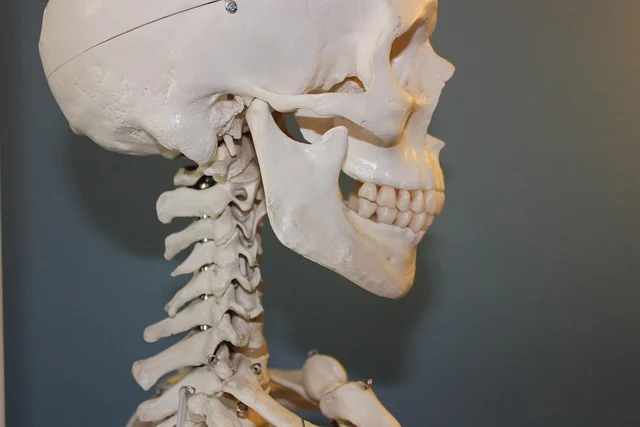
Lozano translated those geological layers into human anatomical components:
- Spine: The rubber outsole tread pattern and the vertical TPU shank running up the heel mimic the human spinal column.
- Ribs: The nylon webbing lace loops attached directly to the strobel board act as ribcages securing the midfoot.
- Muscle and flesh: The side panels feature cascading horizontal felt and synthetic suede strips that mimic muscle fibers.
- Skin: The top breathable mesh wrap over the vamp represents skin, providing ventilation over the internal structures.
When Lozano presented the initial prototype internally at Nike, the design faced substantial pushback. The shoe omitted a prominent side Swoosh logo, featuring only a small embroidered emblem near the lateral heel collar. Also, the upper relied heavily on medium-to-dark grey gradient materials, which conventional footwear logic held would sell poorly on retail store shelves.
Despite internal skepticism, the decision to launch the shoe paid off. The functional placement of grey suede concealed dirt and mud, making the shoe practical for outdoor urban wear, while the bright volt green accents inside the Air bubbles and eyelets provided high contrast that made the shoe immediately recognizable from across the street.
How does the Air Max 95 fit and break in?
Understanding how the Air Max 95 Air fits on foot is essential before picking a size. Its anatomical layering creates a distinct internal fit compared to flatter canvas or knit sneakers. For broader context on athletic shoe sizing, see Your First Steps to Radiance: Essential Beauty Tips for sizing tips across major brands.
Sizing recommendations
- Standard and narrow feet: Order your true Nike standard size. The midfoot lock is snug, but the toe box length aligns accurately with standard sizing measurements.
- Wide feet: Go up half a size. The dense suede and synthetic layers running along the mudguard do not stretch significantly over time. This design can squeeze the lateral side of the forefoot if worn too small.
- High arches: Stick to your true size or go up half a size, but expect to adjust the lacing system. The ribbon lace loops draw the side panels tightly across the bridge of your foot.
Break-in process and comfort expectations
The break-in period for the Air Max 95 Air typically requires 5 to 10 wearings. Because the midsole consists of dense polyurethane rather than soft phylon or EVA foam, the shoe feels rigid straight out of the box. As body heat softens the internal foam and footbed, the shoe conforms to the contours of your sole.
The upper mesh provides moderate breathability across the top of the toes. Heavy suede and leather side paneling traps heat compared to lightweight summer sneakers. If you plan to wear them in hot climates, pair them with moisture-wicking socks to prevent sweat accumulation inside the synthetic lining.
Who this shoe is NOT for
- Long-distance runners: While designed as a performance running shoe in 1995, its heavy weight and rigid build make it unsuited for modern distance training.
- Minimalist footwear enthusiasts: If you prefer flexible, low-profile soles with natural ground feel, the thick, elevated heel and dense forefoot platform will feel clunky.
- People seeking soft step-in cushion: Those expecting plush foam softness will find the firm gas pressure and structured polyurethane base surprisingly rigid.
Which original and classic colorways matter most?
The paneling layout of the Air Max 95 Air allows for distinct color blocking. Certain historic and retro colorways carry cultural importance and higher collectibility on the market.
OG Neon
The original 1995 Air Max 95 Air colorway remains the definitive baseline for the model. Featuring dark grey on the lower mudguard that lightens to light grey mesh at the laces, it is contrasted by vibrant volt green lace eyelets, heel Swoosh branding, and internal Air bladders. Nike has re-released this classic version multiple times due to persistent demand from collectors.
Comet Red and Solar Red
Introduced shortly after the original release, the Comet Red (and its subsequent Solar Red iteration) replaces volt green accents with bright crimson red across the lace loops, Air units, and heel branding. The warm accent color creates an aggressive contrast against the cool grey gradient panels.
Slate and Metallic Silver
The Slate variation swaps out grey tones for a smooth gradient of navy blue, ice blue, and grey, while the Metallic Silver version takes inspiration from industrial metallic hues. These understated palettes appeal to wearers looking for a subtle, monochromatic aesthetic that blends into neutral outfits without glowing brightly.
Special editions and pop culture releases
Nike frequently uses the Air Max 95 upper for cross-thematic releases. Pop-culture inspired colorways like the ‘Photon Dust’ edition feature muted grey-white canvas finishes with detailed heel accents. Collaborations with skateboarding divisions, artist collectives, and streetwear stores routinely alter the standard material build, replacing synthetic suede with premium pigskin, corduroy, or rubberized mudguards.
How do you style the Air Max 95 Air?
The chunky silhouette and layered side profile of the Air Max 95 Air demand thoughtful outfit coordination to maintain balanced visual proportions.
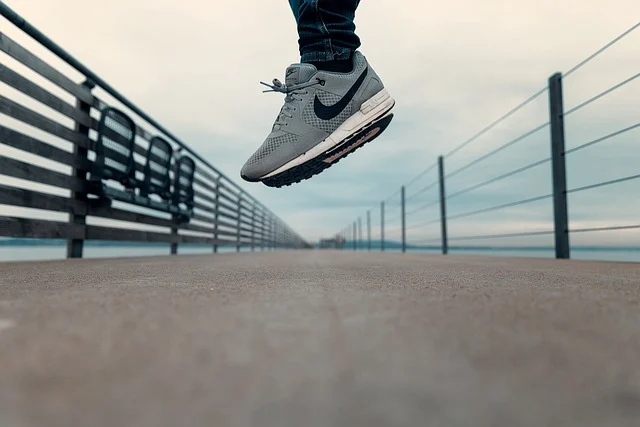
Choosing the right pants
Because the collar of the Air Max 95 sits relatively high on the ankle and features a bulky padded tongue, your choice of pants determines how the shoe presents:
- Cuffed or tapered denim: Pinrolling or choosing tapered leg cuts allows the entire shoe—including the top eyelets and tongue badge—to remain visible.
- Cargo trousers: Straight-leg or drawstring-hem cargo pants complement the rugged, multi-layered look of the sneaker. Ensure the hem rests softly on top of the tongue without completely covering the side muscle stripes.
- Track pants and joggers: Elastic cuff sweatpants pull back to highlight the heel Air unit and rear Swoosh detail, preserving an authentic athletic stance.
Managing outfit proportions and colors
Because the Air Max 95 Air is a heavy-set sneaker, pairing it with ultra-skinny jeans can create an unbalanced look where the shoes appear disproportionately large. Instead, opt for relaxed, straight, or slightly tapered fits through the leg.
When styling high-contrast colorways like the OG Neon, keep the rest of your outfit muted with solid black, grey, or white tops. Let the volt eyelets and grey gradient upper serve as the main accent of your outfit. For tonal models like the Black/Anthracite, you can experiment with pattern-heavy outerwear or bright graphic apparel without clashing.
How does the Air Max 95 compare to other Air Max models?
To decide whether the Air Max 95 Air fits your wardrobe and comfort requirements better than other classic Nike footwear, compare how its cushioning layout, design structure, and overall fit stack up against its siblings.
| Model | Visible Air Placement | Midsole Material | Upper Complexity | Fit Profile | Primary Aesthetic |
|---|---|---|---|---|---|
| Air Max 95 Air | Forefoot & Heel | Polyurethane | High (Multi-layer gradient) | Snug / True to Size | Organic, Anatomical |
| Air Max 1 | Heel only | EVA / Polyurethane | Medium (Suede/Mesh mudguard) | True to Size | Classic Retro Runner |
| Air Max 90 | Heel only | Phylon / Polyurethane | Medium (TPU cassettes) | True to Size | Angular, Geometric |
| Air Max 97 | Full-length heel-to-toe | Polyurethane | High (Concentric waves) | Narrow / Half Size Up | Futuristic, Streamlined |
| Air Max 270 | 270-degree Heel unit | Dual-density Foam | Low (Engineered Mesh) | True to Size | Modern Lifestyle |
Air Max 95 vs. Air Max 90
The Air Max 90 features visible Air restricted entirely to the heel frame surrounded by ribbed TPU cassettes. It offers a lower ankle cut and lighter overall weight, making it easier to slip on quickly for casual errands. However, the Air Max 95 provides significantly better forefoot cushioning for longer walks due to its dual front Air chambers.
Air Max 95 vs. Air Max 97
While the Air Max 97 introduced a continuous full-length Air unit, its upper runs narrower across the forefoot than the 95. The 97 feels stiffer under flex because the single continuous Air bag limits torsional twist, whereas the segmented forefoot and heel units of the 95 allow your foot to flex more naturally at the ball of the foot.
How do you clean and maintain Air Max 95 sneakers?
Because the upper of the Air Max 95 Air layers fine mesh directly over nubuck, felt, and leather, dirt and dust accumulate in the crevices between panels. Proper routine care prevents staining and preserves the structural life of the foam midsole. For step-by-step cleaning guides on other materials, see Men’s Skincare Routine: Simple Steps for Healthier Skin for shoe care advice.
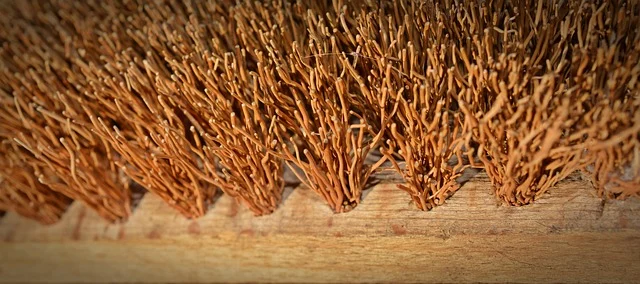
Step-by-step cleaning process
- Remove laces and insoles: Take out the laces and soak them separately in warm water mixed with mild laundry detergent. Remove the insoles to let the internal footbed dry completely.
- Dry brush loose dirt: Use a dry hog-bristle or soft nylon brush to sweep away loose dirt, dried mud, and dust from the top mesh and side suede panels. Always brush in the direction of the suede grain.
- Prepare cleaning solution: Mix a few drops of dish soap or specialized sneaker cleaner into a bowl of lukewarm water. Avoid hot water, which can break down glue bonds along the mudguard.
- Clean the upper layers: Dip a soft microfiber cloth or soft brush into the solution, squeeze out excess water, and gently scrub the mesh vamp and side gradient stripes in light circular motions.
- Scrub the midsole and Air windows: Use a stiff-bristle brush on the rubber outsole and polyurethane midsole walls. Wipe the clear plastic Air windows clean with a damp microfiber cloth to remove scuffs and maintain window clarity.
- Air dry properly: Stuff the toe box with clean white paper towels to maintain shape and absorb moisture from inside. Allow the shoe to dry naturally in a cool, ventilated room away from direct heat or direct sunlight.
Common structural issues and fixes
- Polyurethane Hydrolysis (Midsole Crumbling): Over long periods (typically 8 to 12 years), atmospheric moisture causes polyurethane foam to break down, crack, and crumble into dust. This process affects vintage pairs stored in boxes. The only remedy for crumbling foam is a full sole-swap performed by a professional cobbler using a fresh retro sole donor.
- Popped or Fogged Air Windows: Sharp objects like broken glass or nails can puncture the pressurized Air units, causing them to deflate completely. Once punctured, an Air unit cannot be re-inflated; the bladder must be replaced or worn as-is. Cloudiness or fogging inside clear Air windows can occur from trapped moisture; keeping shoes in dry environments prevents interior condensation.
- Faded Suede panels: Direct sunlight causes synthetic suede side panels to lose color saturation. Apply a suede protectant spray when new, and use a suede eraser to remove stubborn oily marks without spreading stain marks across the grey gradient layers.
What is the resale value and collectibility of the Air Max 95 Air?
The secondary market for the Air Max 95 Air stays active due to recurring retro releases, limited regional drops, and high-profile collaborations. Sought-after colorways and limited releases command strong secondary prices over original retail costs.
Original unworn pairs from early vintage release years command premium prices among display collectors, but older pairs carry high risks if purchased for wearing due to foam age. Recent retro releases of the OG Neon colorway retain steady secondary value near or slightly above retail price, while rare collaboration editions can command double to triple retail values on resale platforms.
When shopping on secondary platforms, check for authenticity signs:
- Stitching and alignment: Authentic pairs feature tight, uniform double-stitching along the wavy muscle panels. Counterfeit pairs often exhibit uneven panel spacing and crooked lace loops.
- Air window clarity and pressure stamps: Genuine Air bladders display clear, firm plastic windows with crisp PSI markings stamped on the underside of the clear outsole unit.
- Tongue patch detail: The oval Air Max pill badge embroidered on the top tongue should feature thick, dense embroidery with clean letter separation.
You can verify release schedules, stock availability, and retail launch prices directly at Nike’s official website or authorized boutique retailers.
Frequently asked questions
When was the original Air Max 95 Air released?
The Nike Air Max 95 Air was first released in 1995. Designed by Sergio Lozano, it became the first Nike running shoe to feature visible Air cushioning in both the forefoot and the heel.
Do Air Max 95 Air sneakers run true to size?
Air Max 95s generally fit true to size for wearers with narrow or standard feet. If you have wide feet or a high instep, consider going up half a size due to the snug, layered side panel construction.
Can you run or workout in the Air Max 95 Air?
While originally designed for running in 1995, modern runners generally prefer lighter performance shoes with updated energy-returning foam. The Air Max 95 is best suited today for casual wear, walking, and daily standing.
How do you fix deflated Air Max 95 Air bubbles?
Once an encapsulated Air Max bubble punctures and deflates, it cannot be re-pressurized or patched. The only way to fix a popped Air bladder is to have a specialized sneaker restorer perform a full sole swap with a replacement sole.
What is the best way to clean the suede on an Air Max 95?
Dry brush loose dirt off the suede using a soft hog-bristle brush, then spot clean stubborn marks using a dedicated suede eraser and microfiber towel. Avoid soaking suede panels with heavy amounts of water to prevent dye bleeding across the gradient stripes.


