













Nineties fashion was defined by three distinct aesthetics: anti-establishment grunge with distressed denim, sleek minimalism, and bold hip-hop streetwear. First, minimalism centered on bias-cut slip dresses and neutral tailoring. Also, hip-hop style anchored itself in relaxed silhouettes and athletic outerwear. Together, these subcultures shifted global dressing away from 1980s formality toward comfort, individual expression, and relaxed proportions.
You may want to incorporate vintage items into your everyday wardrobe. Alternatively, you can simply understand the cultural movements that created these iconic silhouettes. Building a 90s-inspired look requires an eye for fabric, fit, and texture. First, this guide breaks down the core styles of the decade, key garments to own, sourcing strategies for authentic vintage, and practical rules for styling these pieces today.
Why 90s fashion trends remain influential
Fashion operates on a recurring cycle of 20 to 30 years. As a result, new generations rediscover past eras and adapt them to contemporary culture. The enduring appeal of 90s style stems from its foundational emphasis on anti-fashion and comfort. After the structured shoulder pads, neon colors, and excessive ornamentation of the 1980s, the 1990s stripped away artificial styling. Instead, it favored relaxed fits, utility, and tactile fabrics like brushed cotton, heavyweight denim, and raw leather.

According to a report by WGSN, a leading trend forecasting agency, the ongoing desire for vintage aesthetics reflects a broader movement toward circular fashion and personal individuality over mass-produced garments. Also, by mixing classic 90s garments with clean contemporary wardrobe staples, you can build looks that feel rooted in music and pop culture heritage without looking like a costume.
The core subcultures that defined 90s style
To style 90s clothes effectively, it helps to understand the distinct subcultures that shaped the decade. Rather than a single uniform style, the 90s were split into several sharply defined aesthetics born from alternative music scenes, high fashion runways, and urban street culture.

Grunge and alternative rock
Emerging from the Pacific Northwest music scene, grunge was an anti-establishment movement. It elevated thrifty, worn-in clothing to an iconic aesthetic. Spearheaded by figures like Kurt Cobain and Courtney Love, grunge rejected polished celebrity fashion. Instead, it favored functional, thermal layers designed for cold weather and unpretentious everyday wear.
Key elements of grunge include heavy plaid flannel shirts worn open or tied around the waist. They also include distressed light-wash Levi’s jeans, thermal waffle-knit tops, oversized graphic band tees, and chunky knit cardigans. Footwear was functional and rugged, dominated by scuffed Dr. Martens combat boots and classic canvas sneakers. The goal was an unstudied, effortless aesthetic that prioritized warmth and comfort over neatness.
Minimalism and clean tailoring
Running parallel to grunge was a dramatic turn toward high-fashion simplicity championed by designers like Calvin Klein, Jil Sander, and Helmut Lang. Popularized by style icons like Carolyn Bessette-Kennedy and Kate Moss, 90s minimalism focused on precise tailoring and bias-cut drapery. It also relied on a restricted color palette of black, off-white, slate gray, navy, and beige.
The hero garment of this movement was the satin or silk bias-cut slip dress, designed to drape naturally over the curves of the body. Other hallmarks included high-neck ribbed tank tops, flat-front trousers, column skirts, black turtlenecks, and single-breasted blazers. Also, this subculture emphasized high-quality natural fabrics and sleek lines, demonstrating the quiet power of understated minimalism.
Streetwear and hip-hop influence
The 1990s represented a golden era for urban fashion. Hip-hop artists, skate culture, and sportswear brands collided to define modern casualwear. Artists like TLC, Aaliyah, Tupac, and Salt-N-Pepa transformed sportswear from gym attire into high-impact street style. As a result, brands like Tommy Hilfiger, Karl Kani, Cross Colours, and Nautica gained global prominence.
This aesthetic centered on oversized proportions: extra-baggy jeans, long graphic tees, hockey and baseball jerseys, color-blocked nylon windbreakers, and oversized fleece hoodies. Accessories like bucket hats, thick gold chains, and leather Timberland boots completed the look. As a result, they established the foundation for today’s global streetwear industry.
Preppy and pop-culture tailored style
Driven by classic 90s teen films like Clueless and television shows like Beverly Hills 90210, 90s preppy style reinterpreted collegiate classics with playful, feminine twists. Plaid skirt-and-blazer sets, cropped argyle sweater vests, baby tees, knee-high socks, and leather Mary Jane shoes became uniform staples for youth culture.
Essential 90s wardrobe pieces
If you want to build a versatile 90s-inspired wardrobe, focus on acquiring high-quality foundational pieces. These should easily mix with your existing clothes:

- The Bias-Cut Satin Slip Dress: Choose silk or heavy viscose that flows smoothly over the hips without clinging. It can be dressed down with a white t-shirt underneath or dressed up with strappy heels.
- Oversized Plaid Flannel Shirt: Look for heavy brushed cotton in deep jewel tones like forest green, navy, or burgundy with slightly dropped shoulders.
- High-Waisted Baggy Jeans: Prioritize 100% rigid cotton denim with no elastane. Look for straight-leg, mom-jean, or carpenter fits that sit high on the natural waist (see Black and White Polka Dot Dress: Your Style Canvas for denim care).
- Vintage Graphic and Band Tees: Faded black or off-white crewneck t-shirts featuring vintage tour graphics, classic brand logos, or minimalist typography.
- Nylon Windbreakers and Track Jackets: Color-blocked outerwear featuring primary colors, geometric panels, and zip-front collars.
- Chunky Leather Combat Boots: Black lace-up lug-soled boots that add visual weight to lighter dresses or relaxed denim outfits.
Comparing key 90s fashion subcultures
Use this comparison table to identify the defining items, fits, and footwear across the main fashion movements of the 1990s.

| Style Element | Grunge | Minimalist | Streetwear | 90s Preppy |
|---|---|---|---|---|
| Key Tops | Band tees, waffle thermals, heavy flannels | Silk slip tops, ribbed tanks, turtlenecks | Oversized graphic tees, sports jerseys, hoodies | Baby tees, argyle sweater vests, fitted cardigans |
| Key Bottoms | Ripped Levi’s 501s, corduroy pants | Tailored flat-front trousers, column skirts | Baggy carpenter jeans, track pants, cargo shorts | Plaid pleated skirts, high-rise A-line skirts |
| Outerwear | Chunky cardigans, worn leather jackets | Single-breasted blazers, sleek trench coats | Color-blocked windbreakers, oversized puffers | Matching plaid blazers, fitted denim jackets |
| Footwear | Dr. Martens boots, canvas high-tops | Square-toe mules, strappy sandals, loafers | Chunky sneakers, Timberland boots, skate shoes | Mary Janes, knee-high boots, loafers with socks |
| Accessories | Chokers, beanies, chain wallets | Delicate silver jewelry, slim leather belts | Bucket hats, mini backpacks, gold chains | Headbands, knee-high socks, tiny shoulder bags |
How to style 90s fashion today
The secret to wearing 90s clothing today is balancing vintage aesthetics with clean modern wardrobe elements. Wearing complete head-to-toe vintage outfits from a single subculture can make your outfit look like a costume. Instead, follow these styling principles to balance your silhouette:
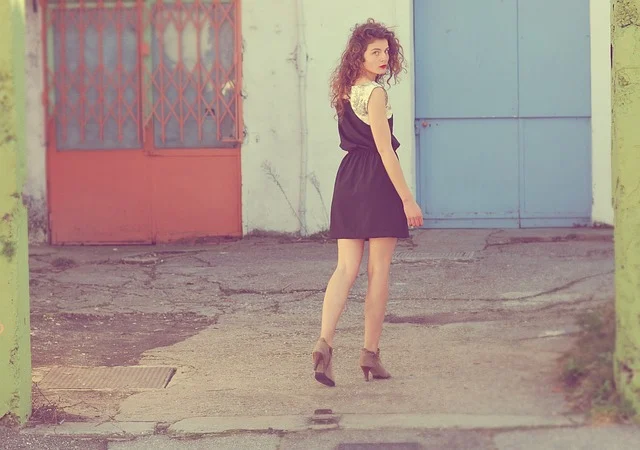
- Apply the 70/30 Rule: Anchor your outfit with 70% contemporary foundational clothing (such as a tailored modern blazer, crisp white sneakers, or structured pants). Also, introduce 30% iconic 90s elements (like a vintage band tee, velvet choker, or 90s leather jacket).
- Balance Your Proportions: 90s streetwear and grunge relied heavily on loose, oversized shapes. If you wear oversized wide-leg denim, pair it with a fitted crop top or tuck in a structured shirt. Conversely, if you wear a loose flannel or chunky cardigan, pair it with slim-fit pants or a fitted dress.
- Mix Fabric Textures: Elevate simple outfits by contrasting soft, delicate fabrics with rugged materials. Layer an oversized denim jacket or heavy leather coat over a smooth silk slip dress. Alternatively, pair a ribbed knit sweater with stiff cotton cargo pants.
- Upgrade Modern Footwear: Footwear grounds an entire outfit. Swap scuffed or dated shoes for clean modern leather loafers, sleek square-toe boots, or contemporary white sneakers to keep the overall outfit look crisp. According to Vogue’s May 2026 street style reports, mixing a modern tailored blazer with vintage 90s denim is a highly effective way to blend eras smoothly.
Sourcing authentic vintage 90s clothing
Tracking down genuine vintage clothing from the 1990s allows you to acquire higher quality fabrics and authentic stitching. This also supports sustainable fashion practices. However, shopping vintage requires careful inspection and attention to size differences.
Where to look
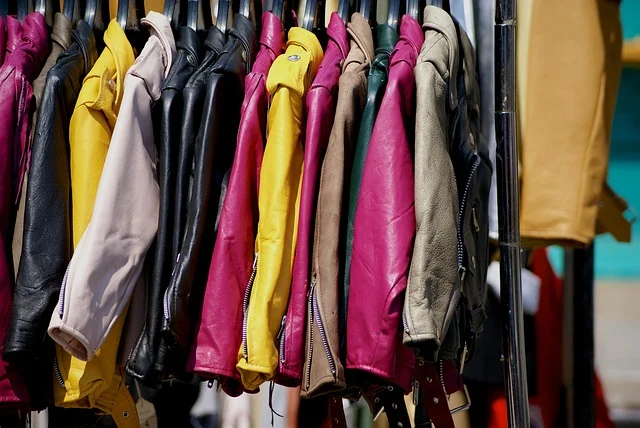
Local secondhand thrift shops, estate sales, and dedicated vintage boutiques are excellent physical sources for finding 90s clothing. Online marketplaces like Depop, Etsy, and Poshmark offer extensive inventory. As a result, you can search for specific items using targeted terms like “90s single-stitch tee,” “vintage Levi’s 550,” or “90s silk slip dress.”
Inspecting garment quality and condition
Before purchasing authentic 90s pieces, inspect the fabric and hardware for common age-related wear:
- Check for Dry Rot in Cotton Tees: Vintage 100% cotton t-shirts exposed to damp storage can develop dry rot. As a result, the cotton fabric becomes brittle. Test black vintage tees by gently tugging on a seam; if the fabric tears like paper, avoid buying it.
- Inspect Hardware and Elastic: Test zippers on windbreakers and leather jackets to ensure they glide smoothly without missing teeth. Inspect waistbands on track pants and skirts, as 30-year-old elastic often loses stretch and hardens.
- Look for Underarm and Collar Stains: Examine light-colored shirts and silk dresses under good lighting. This helps you spot persistent yellow oxidation stains around collars and underarms.
Understanding vintage sizing differences
Garment sizing standards have changed significantly over the decades due to vanity sizing. A tag size labeled “Size 10” on a authentic 1990s dress typically corresponds to a modern size 4 or 6. Never rely solely on the numerical size tag when shopping vintage online or in thrift stores.
Always ask sellers for flat lay measurements or measure the garment yourself using these key reference points:
- Chest/Bust: Measure flat from armpit seam to armpit seam (pit-to-pit).
- Waist: Measure across the narrowest point of the waistband flat and double the number.
- Inseam: Measure along the interior leg seam from the crotch point down to the hem.
- Rise: Measure from the center crotch seam straight up to the top of the front waistband.
Pros and cons of shopping vintage 90s clothing
Pros
- Superior Construction: Mid-range 90s garments were frequently manufactured with heavier gauge cotton, reinforced double stitching, and real leather compared to fast fashion today.
- Unique Wardrobe Pieces: You are unlikely to encounter someone wearing the exact same pre-loved vintage piece.
- Environmental Sustainability: Extending the lifespan of existing garments prevents textile waste from entering landfills.
Cons
- Inconsistent Sizing: You cannot rely on tag sizes, requiring accurate physical measurements before buying.
- Condition Risks: Older clothes may carry fabric wear, weakened seams, or lingering odours that require specialized cleaning.
- Time-Intensive Hunting: Finding high-quality 90s pieces in your size requires patience across thrift stores and resale apps.
Common styling mistakes and how to fix them
Even with great pieces, styling 90s trends can quickly go awry if proportions or accessories are mismanaged. Avoid these frequent styling traps:

- Over-Accessorizing with Micro-Trends: Wearing a choker, bucket hat, butterfly clips, platform sandals, and a mini backpack all in a single outfit visually clutter your silhouette. Select just one or two accent accessories to highlight your look without overwhelming it.
- Neglecting Alterations: Oversized 90s fits were tailored intentionally at key anchor points like the shoulders and waist. If a vintage blazer or pair of trousers drowns your frame entirely, take it to a tailor to adjust sleeve lengths or hem lines while preserving the relaxed silhouette.
- Choosing Low-Quality Synthetic Materials: Fast fashion recreations of 90s fashion often use thin polyester flannels and static-prone synthetic satin that clings unflatteringly. Invest in natural fabrics—such as 100% cotton denim, real silk, brushed cotton flannels, and genuine leather—to achieve the authentic drape and weight of the era.
Frequently asked questions
What are the defining features of 90s fashion?
Nineties fashion is defined by relaxed silhouettes, layered anti-fashion garments, and raw fabrics. Key elements include distressed wide-leg denim, plaid flannel shirts, bias-cut satin slip dresses, chunky combat boots, color-blocked sportswear, and minimal tailoring.
Can I wear 90s fashion in professional office settings?
Yes, 90s fashion translates well into office wear through the decade’s minimalist aesthetic. Pair high-waisted flat-front trousers with a ribbed turtleneck, layer a neutral single-breasted blazer over a bias-cut dress, or wear understated leather loafers with structured knitwear.
What is the main difference between 90s fashion and Y2K fashion?
While 90s fashion centered on grunge, minimalist tailoring, and heavy utility streetwear in earthy or neutral tones, Y2K fashion (late 1990s to mid-2000s) focused on futuristic, flashy looks. Y2K style relies heavily on low-rise jeans, synthetic metallic fabrics, rhinestone embellishments, and bright pop colors.
What shoes are considered essential 90s footwear?
Essential 90s footwear includes black lug-soled combat boots (such as Dr. Martens), square-toe leather loafers, strappy minimalist sandals, canvas high-top sneakers, chunky athletic running shoes, and platform sandals or oxfords.
How do 90s clothing sizes compare to modern sizes?
Nineties clothing sizes run significantly smaller than modern vanity sizing. A 90s tag size is typically two to four numbers smaller than current retail garments, meaning a vintage size 10 fits similarly to a modern size 4 or 6. Always rely on physical garment measurements rather than tag numbers.


