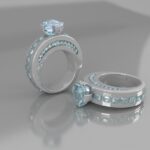












c diamonds and colored gems.
The Foundation: Base Metals in Fashion Jewelry
This guide covers everything about What Are Costume Jewelry Materials Made Of?. The core of most costume jewelry pieces is built upon what are known as base metals. These are typically affordable, readily available metals that can be shaped and molded into intricate designs. Think of them as the sturdy skeleton that holds the sparkle.
Last updated: May 6, 2026
Commonly used base metals include brass (an alloy of copper and zinc), copper itself, zinc alloys, and sometimes even pewter or nickel alloys. These metals are chosen for their workability and lower cost compared to gold or silver. For instance, a chunky cuff bracelet might start as a molded zinc alloy before any plating is applied.
However, these base metals can sometimes be prone to tarnishing or reacting with skin. This is where plating comes in, a crucial step in making costume jewelry look its best and feel more comfortable to wear.
The Magic of Plating: Mimicking Precious Metals
Plating is what gives costume jewelry its coveted precious metal appearance. A thin layer of a more valuable metal is electrochemically deposited onto the base metal. This process is essential for achieving that gold-like sheen or silver gleam without using solid gold or silver throughout the entire piece.
The most common plating materials are gold plating and rhodium plating. Gold plating involves a layer of actual gold (often 10K to 24K, though the layer is very thin) over the base metal. Rhodium plating, on the other hand, uses rhodium, a precious metal from the platinum family, known for its bright white finish and resistance to tarnish.
A common misconception is that ‘gold-plated’ means solid gold. In costume jewelry, its a surface treatment. A popular earring style might feature a brass base metal coated with 18K gold plating. While beautiful, this plating can wear away over time, especially with frequent contact with skin, perfumes, or lotions. According to industry standards, the thickness of plating can vary significantly, impacting its longevity.
Beyond Metal: Plastics, Glass, and Resin
Not all costume jewelry relies solely on metal. Many pieces incorporate other materials to create color, texture, and visual interest. These materials are often more lightweight and can be molded into virtually any shape or color imaginable.
Plastics, such as acrylic and lucite, are frequently used for beads, bangles, and even large, translucent statement pieces. They offer vibrant colors and a glossy finish at a very low cost. Glass, including Murano-style glass or Czech glass, is also popular for beads and cabochons, offering a more sophisticated sparkle than basic plastic.
Resin, a versatile polymer, is used to embed objects, create colorful marbled effects, or form cabochons that mimic gemstones. Enamel, a glass-like substance fused to metal, is another technique used to add vibrant, opaque colors to jewelry designs, often seen in vintage-inspired pieces.
Sparkle Without the Stone: Faux Gemstones
The dazzling stones you see in costume jewelry are rarely natural precious or semi-precious gems. Instead, they are typically imitations made from materials like glass, plastic, or specially manufactured crystals. These faux gemstones are expertly crafted to capture the brilliance and color of their real counterparts.
Cubic zirconia (CZ) is perhaps the most well-known diamond simulant. It’s a hard, optically flawless crystalline material that looks remarkably like a diamond but costs a fraction of the price. For colored stones, you’ll often find glass, resin, or acrylic molded into shapes that resemble emeralds, sapphires, or rubies.
Rhinestones, often made from leaded glass or crystal, are another popular choice for adding sparkle. They are typically faceted and backed with foil to enhance their brilliance, making them a go-to for dazzling earrings and brooches. Sarah, a fashion blogger, often uses rhinestone-studded brooches to elevate her outfits for events.
Common Costume Jewelry Material Combinations
The beauty of costume jewelry lies in how these different materials are combined. A single piece might feature a brass base, plated with gold, adorned with glass beads and cubic zirconia stones.
For example, a pair of chandelier earrings might have a copper alloy frame, electroplated with rhodium, featuring dangling acrylic beads in various colors and small, faceted glass stones. This careful combination allows designers to achieve complex and eye-catching looks that are accessible to a wide audience.
Understanding these combinations is also helpful for care. A piece with a delicate rhodium plating and glued-in glass stones will require a gentler cleaning approach than a solid, plated metal piece with set cubic zirconia.
Common Mistakes People Make With Costume Jewelry Materials
When it comes to costume jewelry, people often make a few common mistakes that can lead to disappointment or damage to their pieces.
Mistake 1: Assuming All ‘Gold’ or ‘Silver’ is Created Equal
Many buyers don’t differentiate between solid precious metals and plated items. A piece described as ‘gold-tone’ or ‘silver-tone’ is almost certainly plated. While beautiful, this plating is a surface layer and can wear off with friction, moisture, and chemical exposure.
Solution: Always check the product description carefully. Look for terms like ‘plated,’ ‘gold-tone,’ ‘silver-tone,’ ‘rhodium-plated,’ or ‘gold-filled’ (which indicates a thicker layer than plating). Understand that ‘gold-plated’ means a thin layer over a base metal, not solid gold.
Mistake 2: Neglecting Material Suitability for Skin
Some people have sensitive skin and react to common base metals like nickel or copper. They might purchase a beautiful, inexpensive piece only to experience redness, itching, or a rash.
Solution: If you have sensitive skin, look for hypoallergenic materials. Many costume jewelry pieces are now advertised as ‘nickel-free’ or ‘hypoallergenic.’ Often, a thicker layer of plating, especially rhodium or gold, can act as a barrier between the base metal and your skin. Always read reviews or product details for mentions of skin reactions.
Mistake 3: Improper Care Leading to Premature Wear
Costume jewelry materials, particularly plating and faux stones, require specific care. Spraying perfume directly onto a plated necklace or storing delicate pieces in a damp environment can degrade them quickly.
Solution: Store your costume jewelry in a dry place, ideally in individual pouches or compartments to prevent scratching and tarnishing. Apply perfumes, lotions, and hairsprays before putting on your jewelry. Clean pieces gently with a soft, dry cloth; avoid harsh chemicals or abrasive cleaners. For faux pearls or rhinestones, a slightly damp cloth is often sufficient.
Mistake 4: Overpaying for Poor Quality Construction
Just because it’s costume jewelry doesn’t mean it should fall apart after a few wears. Sometimes, consumers pay a premium for items with flimsy settings or thin, uneven plating.
Solution: Inspect the piece for secure stone settings, smooth plating without bubbles or peeling, and sturdy clasps. Well-constructed costume jewelry can be surprisingly durable. For example, a well-made resin bangle might last for years, while a poorly set rhinestone might lose stones quickly.
Practical Tips for Choosing Costume Jewelry Materials
When you’re shopping, keep these practical tips in mind to get the most value and enjoyment from your fashion jewelry purchases.
Check the Clasp and Connections
The clasp is often the first part of a necklace or bracelet to fail. Look for sturdy lobster clasps or well-made spring rings. Ensure that any links, chains, or connections appear securely fastened. A flimsy clasp on an otherwise attractive necklace can render it unwearable.
Examine the Plating Quality
Hold the jewelry under good light. Look for even coverage, a consistent color, and no visible peeling or bubbling, especially around edges and clasps. While some wear is inevitable over time, you want to start with a quality finish.
Consider Weight and Comfort
The materials used will affect the weight of the jewelry. Heavy earrings might cause discomfort or even damage earlobes over time. Similarly, a very heavy necklace might not sit well on the neckline.
Understand Faux Stone Settings
How are the faux gemstones attached? Are they prong-set like fine jewelry, glued into place, or simply drilled and strung? Prong-set or bezel-set faux stones (like cubic zirconia) tend to be more secure than those that are glued. For instance, a resin pendant might have an embedded faux stone that’s very secure, whereas a glued rhinestone might pop off.
The Future of Costume Jewelry Materials
As of 2026, there’s a growing trend towards more sustainable and ethically sourced materials, even within the costume jewelry sector. Brands are exploring recycled metals for base components and innovative, eco-friendly plastics. We’re also seeing advancements in plating technologies that offer better durability and reduced environmental impact.
For example, some manufacturers are developing plating processes that use less water and fewer harsh chemicals, aligning with a broader consumer demand for responsible production. This means you might soon see even more stylish and affordable options that also happen to be kinder to the planet.
Frequently Asked Questions
Are costume jewelry materials safe to wear?
For most people, yes. However, individuals with sensitive skin may react to base metals like nickel or copper. Hypoallergenic coatings or pieces made entirely of plastic or glass are often good alternatives for those with sensitivities.
How long does costume jewelry plating usually last?
The lifespan of plating varies greatly depending on the material, thickness, and how the jewelry is cared for. Typically, thin plating can start to show wear within months of regular use, while thicker plating might last a year or more before significant degradation occurs.
Can costume jewelry be repaired?
Minor repairs, like reattaching a faux stone with jewelry glue or fixing a clasp, can often be done at home. More complex repairs, such as re-plating, are usually not cost-effective for costume jewelry compared to the item’s original price.
What’s the difference between gold-plated and gold-filled?
Gold-filled jewelry has a much thicker layer of gold bonded to the base metal than gold-plated jewelry. While still not solid gold, gold-filled items are more durable and less likely to tarnish, making them a higher-quality option within the affordable jewelry market.
Why does my costume jewelry turn my skin green?
This common reaction occurs when the copper or alloys in the base metal oxidize upon contact with moisture and air, then react with your skin’s natural oils. The resulting compound can appear green or black. A protective plating layer helps prevent this.
What are the best materials for hypoallergenic costume jewelry?
Look for jewelry made from titanium, stainless steel (specifically surgical stainless steel), niobium, or sterling silver (though some react to the copper in sterling silver). Plastic or resin jewelry is also a safe bet for highly sensitive individuals.
Last reviewed: May 2026. Information current as of publication; pricing and product details may change.
Editorial Note: This article was researched and written by the Anarchy Label editorial team. We fact-check our content and update it regularly. For questions or corrections, contact us.
Source: Vogue.
For readers asking “What Are Costume Jewelry Materials Made Of?”, the answer comes down to the specific factors covered above.