










The Air Jordan 4 is a 1989 signature basketball sneaker designed by Tinker Hatfield, featuring molded plastic lace wings, side panel mesh netting, and visible Air cushioning. Styling the wide retro profile in 2026 centers on balancing its structured silhouette with relaxed trousers, straight-leg denim, and clean outerwear layers.
This guide details Tinker Hatfield’s technical engineering, the shoe’s history from Michael Jordan’s 1989 playoff jumper to Spike Lee’s Do the Right Thing, and its original colorways. It also provides practical 2026 styling advice, outfit recommendations, lacing techniques, and wardrobe mistakes to avoid.
The Air Jordan 4: Design, History, and 2026 Style Guide
The Air Jordan 4 is an iconic 1989 signature basketball sneaker designed by Tinker Hatfield, distinguished by its molded lace wings, side panel mesh netting, and visible Air cushioning. Styling the shoe in 2026 centers on balancing its wide retro profile with relaxed trousers, straight-leg denim, and clean outerwear layers.
- First released: February 1989 at the NBA All-Star Game.
- Key designer: Tinker Hatfield.
- Signature features: Molded plastic lace wings, urethane netting, visible heel Air unit, forefoot Air unit, and extended pull tab.
- 2026 style focus: Relaxed trousers, straight-cut denim, mid-calf socks with shorts, and structured jackets.
How Tinker Hatfield engineered the Air Jordan 4
Following the success of the Air Jordan 3, designer Tinker Hatfield set out to turn Michael Jordan’s fourth signature shoe into an advanced performance instrument. Rather than duplicating the leather-heavy luxury of the AJ3, Hatfield introduced a technical, lightweight build engineered specifically for Jordan’s explosive multi-directional cuts and vertical leaps during the 1988–89 NBA season.
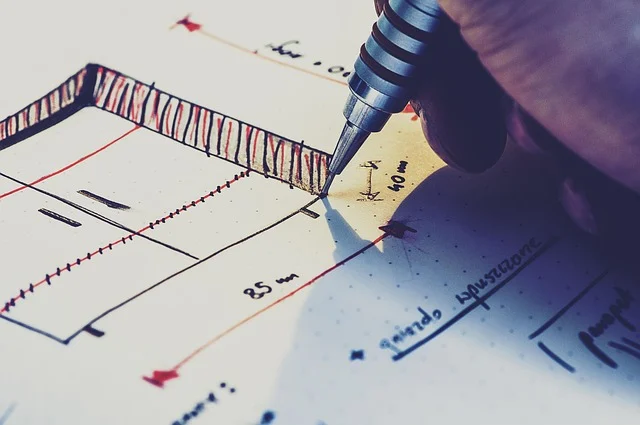
The defining technical addition was the molded thermoplastic polyurethane (TPU) lace wings. Situated on the lateral and medial eyestays, these triangular wings contained nine lace holes on each side, offering 18 distinct custom lacing options. This allowed players to tighten or loosen specific zones across the midfoot and ankle for a locked-in fit.
To reduce overall weight and improve ventilation, Hatfield replaced traditional leather midfoot panels with urethane-coated mesh netting on the vamp and quarter panels. Underneath, cushioning was upgraded to include a visible Air-Sole unit in the heel alongside an encapsulated Air-Sole unit embedded directly into the forefoot polyurethane midsole. A molded rubber heel tab—often referred to as the “spoiler”—was added to assist with quick entry while protecting the Achilles tendon.
Material choices varied by colorway to serve specific structural demands. The original ‘Bred’ colorway utilized lightweight synthetic Durabuck nubuck to resist creasing and lighten the upper. However, the ‘White Cement’ featured full-grain leather for maximum support and durability on the hardwood.
“The Shot” and pop culture impact
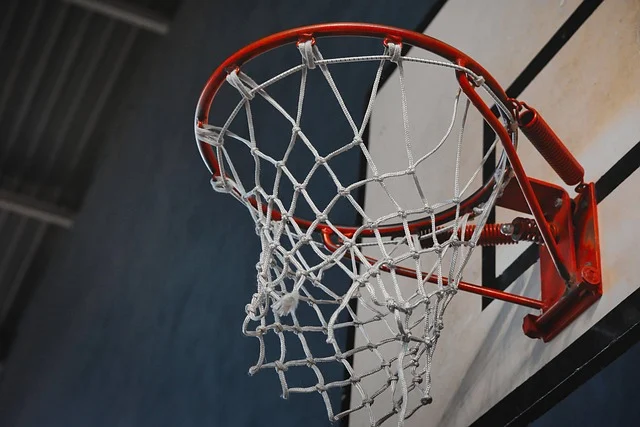
The historical weight of the Air Jordan 4 was established during the 1989 NBA Playoffs. On May 7, 1989, in Game 5 of the first-round series between the Chicago Bulls and the Cleveland Cavaliers, Michael Jordan executed a double-clutch jumper at the buzzer over Craig Ehlo. The hanging jumper—known simply as “The Shot”—secured a 101-100 victory for Chicago. Jordan performed the moment wearing the original ‘Bred’ (Black/Cement Grey-Fire Red) Air Jordan 4, turning the silhouette into an immediate symbol of athletic clutch performance.
Outside of sports, the sneaker played an instrumental role in bringing athletic performance gear into film and youth fashion. Director Spike Lee featured the ‘White Cement’ Air Jordan 4 in his 1989 film Do the Right Thing. In a classic scene, the character Buggin’ Out gets his pristine pair scuffed by a bicyclist wearing a Boston Celtics jersey, capturing the urban ritual of keeping sneakers immaculate. According to Nike’s official historical archives, this placement helped establish the Air Jordan line as a mainstream fashion footprint outside basketball.
Original colorways and key modern retros
Four original colorways debuted in 1989, setting the benchmark for all future retro releases:
- ‘Bred’ (Black/Cement Grey-Fire Red): The synthetic Durabuck road game classic worn during “The Shot.”
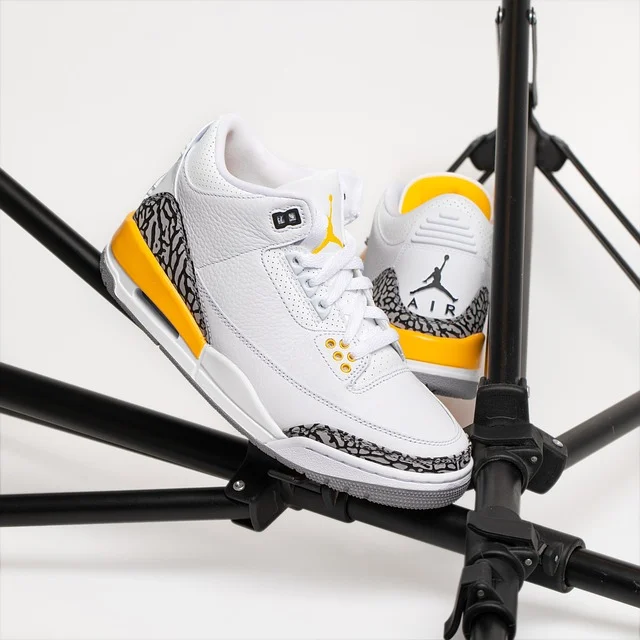
- ‘White Cement’: White leather base featuring grey speckled TPU wings, heel tab, and midsole trim.
- ‘Fire Red’: Crisp white leather paired with striking red and black contrast hits across the midsole and lining.
- ‘Military Blue’: White leather with soft blue accents along the heel tab, lace wings, and eyelets.
Over the past two decades, high-profile collaborations expanded the shoe’s presence within high fashion and collector markets. The 2005 Undefeated x Air Jordan 4 introduced flight-jacket army green nubuck, while subsequent releases like the Travis Scott ‘Cactus Jack’, Off-White ‘Sail’, Union LA, and A Ma Maniére iterations pushed resale values upwards. The Nike SB Air Jordan 4 ‘Pine Green’ altered the internal construction by utilizing a softer rubber heel tab, shaved-down forefoot padding for better board feel, and flexible wing compounds to prevent cracking during daily wear.
Today, the silhouette remains a anchor in global sneaker markets. Its ongoing cultural reach makes original retro releases and rare collaborations sought-after footwear investments.
How to style the Air Jordan 4 in 2026
Styling the Air Jordan 4 effectively in 2026 requires understanding its proportions. The padded collar, prominent tongue, and flared lace wings give the shoe a wide, structured shape. Outfits should complement this weight rather than fight against it.

Choosing the right pants cut
The most common styling error is wearing skinny or ultra-narrow jeans with the Air Jordan 4. Narrow leg openings bunch up behind the lace wings or force the padded tongue outward. As a result, this creates an awkward, top-heavy foot shape. Instead, choose trousers with straight, relaxed, or wide-leg cuts that fall cleanly over the collar of the shoe.
- Straight-leg denim: Look for classic 100% cotton jeans with an 8.5 to 9.5-inch leg opening. The hem should rest gently on the top of the tongue without completely covering the shoe’s netting.
- Workwear and fatigues: Heavyweight canvas pants or double-knee fatigue trousers in olive green, duck brown, or washed black pair smoothly with retro basketball leather.
- Relaxed tailoring: Single-pleated wool or cotton trousers created with a subtle taper sit naturally over the upper, providing a polished balance to the chunky sole.
Outfit 1: Elevated everyday streetwear
For a reliable daily outfit, wear straight-cut dark denim or washed carpenter pants with an heavyweight 240+ GSM blank cotton T-shirt. Layer with an unbuttoned canvas work jacket or a structured zip hoodie. Stick to clean color pairing: if wearing the ‘Bred’ or ‘Fire Red’ colorway, keep the outerwear neutral—such as grey, navy, or brown—to avoid overly matched red accents.
Outfit 2: Smart casual contrast
Combining sportswear with structured tailoring is a defining characteristic of contemporary dressing. Match a clean pair of ‘White Cement’ or ‘Military Blue’ Air Jordan 4s with charcoal grey pleated trousers and a plain off-white crewneck sweater. Throw a relaxed wool trench coat or an unstructured blazer over the top. Mixing refined fabrics like wool and cashmere with high-top athletic rubber balances casual utility with tailored structure. See Best Streetwear Brands: Curating Your Modern Wardrobe for more on balancing streetwear with tailored wardrobe pieces.
Outfit 3: Summer shorts proportions
When wearing shorts with the Air Jordan 4, keep hemlines above the knee. Aim for a 5-inch to 7-inch inseam in relaxed cotton canvas, fleece, or nylon. Pair the shorts with ribbed mid-calf white crew socks to bridge the transition between your calf and the padded sneaker collar. Avoid low-cut ankle socks, as they leave the high collar looking detached from your leg silhouette.
How to lace your Air Jordan 4
Lacing adjustments dramatically alter the profile and daily wearability of the silhouette. Here are the three most popular methods:
- The Loose Factory Lace: Thread the laces through the lower eyelets without pulling tight, continuing up through the lower wing holes. Allow the excess lace ends to dangle loosely beside the top lace wings without tying a knot. This keeps the tongue upright and relaxes the midfoot tension.
- The Wing Lock: Pass the laces through the outer lace wing eyelets twice to lock the plastic wings flat against the leather side panels. Next, tie a loose bow beneath the top collar. This provides a cleaner, flatter shape around the ankle.
- Traditional Tied Eyelets: Lace the shoes securely through every eyelet up to the second-to-last hole and tie a simple knot tucked behind the padded tongue for a neat, retro-accurate basketball setup.
Common mistakes to avoid when styling
To keep your outfit cohesive, avoid these frequent wardrobe missteps:
- Excessive color matching: Avoid wearing a shirt, cap, and jacket that all directly match the accent color of your sneakers. Keep garments neutral and let the shoes act as the primary accent.
- Exaggerated flare hems: While tight skinny jeans choke the lace wings, excessively wide bell-bottom trousers drag on the ground and obscure the entire sneaker silhouette.
- Overly worn or dirty nubuck: Worn leather can look charming, but stained Durabuck or dusty nubuck gives an outfit an unkempt appearance. Clean the upper mesh and brushed material regularly.
Air Jordan 4 compared with other classic Jordan models
Each early Air Jordan silhouette introduced distinct design languages and structural trade-offs. The table below compares the Air Jordan 4 against its surrounding signature peers.
| Model | Debut Year | Primary Materials | Key Structural Features | Styling Fit & Profile |
|---|---|---|---|---|
| Air Jordan 1 | 1985 | Full-grain leather | Flat rubber cupsole, slender ankle collar, encapsulated Air | Slim, flat, retro high-top; works easily with skinny, straight, or wide pants |
| The Air Jordan 3 | 1988 | Tumbled leather, elephant print overlays | Mid-top cut, visible heel Air, elephant print mudguards | Medium bulbous profile; pairs well with tapered denim and casual sportswear |
| Air Jordan 4 | 1989 | Leather or synthetic Durabuck, urethane mesh | TPU lace wings, side mesh panels, visible heel & forefoot Air | Wide, aggressive retro technical build; requires straight or relaxed leg openings |
| Air Jordan 5 | 1990 | Leather or nubuck, clear TPU mesh | Shark-tooth midsole prints, reflective 3M tongue, lace locks | High-volume futuristic ankle shape; best paired with structured cargo or loose denim |
For more detail on Tinker Hatfield’s broader portfolio, explore Tinker Hatfield’s greatest hits.
Sizing, comfort, and addressing common fit problems
The Air Jordan 4 generally fits true to size (TTS) for individuals with narrow or standard-width feet. However, the rigid plastic TPU cage near the base of the pinky toe frequently causes localized friction, known in the sneaker community as “pinky toe pinch.”
How to fix pinky toe discomfort
If you have wider feet or experience pressure on your lateral toes, consider going up a half size (+0.5). Alternatively, you can relieve forefoot pressure on true-to-size pairs by completely unlacing the bottom two eyestays and re-lacing them with lighter tension. Inserting an aftermarket shoe tree into the toe box when the shoes are stored also helps gently widen the leather over time.
Preventing polyurethane crumble and yellowing
Air Jordan 4 midsoles are crafted from polyurethane foam surrounding the Air cushioning units. Over an 8 to 10-year window, polyurethane absorbs environmental humidity and degrades through a chemical process called hydrolysis, causing vintage midsoles to crumble under pressure. Wearing your sneakers regularly compresses the foam and forces out trapped moisture, significantly extending midsole lifespan.
To preserve upper mesh panels and prevent white translucent rubber outsoles from yellowing due to oxidation, store your shoes in a cool, dark environment away from direct UV sunlight and store them with silica gel packets. For deep cleaning instructions on vintage models, consult resources on [Complex Sneakers]. Check out Your First Steps to Radiance: Essential Beauty Tips for step-by-step sneaker care strategies.
Frequently asked questions
When was the Air Jordan 4 first released?
The Air Jordan 4 was first released in February 1989 during the NBA All-Star Weekend, retailing originally for $110.
Do Air Jordan 4s fit true to size?
Yes, most people find the shoe fits true to size. If you have wide feet or want to prevent pinky toe pressure from the lateral TPU cage, go up a half size.
How do you stop the mesh netting on Jordan 4s from yellowing?
Store the shoes in a cool, dark space with low humidity and keep them out of direct sunlight. Using anti-oxidation films and silica packets inside storage boxes also helps prevent premature yellowing.
Can you wear Air Jordan 4s with shorts?
Yes, pair them with relaxed shorts featuring a 5-inch to 7-inch inseam that hit above the knee. Combine them with white mid-calf crew socks to balance the chunky high-top collar.


