










The Air Jordan 1, first released in 1985, remains a dominant force in footwear and streetwear culture as of May 2026 due to its timeless design, versatile styling options, and steady stream of retro releases. Its adaptable silhouette pairs smoothly with a wide range of outfits, from casual streetwear to tailored trousers.
The following overview breaks down the sneaker’s history, its impact on global fashion, and 2026 collaborations like the ongoing Travis Scott partnership. It also covers resale market values for reissued colorways, pros and cons of ownership, styling guidance, and tips for avoiding counterfeit pairs.
Historical Legacy and Cultural Dominance in 2026
Designed by Peter Moore and debuted during Michael Jordan’s 1984–1985 rookie NBA season, the Air Jordan 1 revolutionized how athletic footwear was designed, marketed, and perceived. Prior to its arrival, professional basketball shoes were predominantly white and function-driven. The bold color blocking of early releases—most notably the black-and-red “Bred” and red-white-and-black “Chicago” colorways—challenged league uniform regulations and immediately captured mainstream attention.
Over four decades later, the sneaker has successfully crossed over from a hardwood performance shoe to a permanent fixture in high fashion and global streetwear. The model’s ongoing vitality in 2026 is fueled by strategic retro releases, premium material updates, and high-profile creative partnerships. High-profile releases, such as the long-standing Travis Scott collaborations, continue to generate immense demand, driving resale interest across primary and secondary marketplaces globally.
Comparing Air Jordan 1 Silhouettes and Cut Profiles
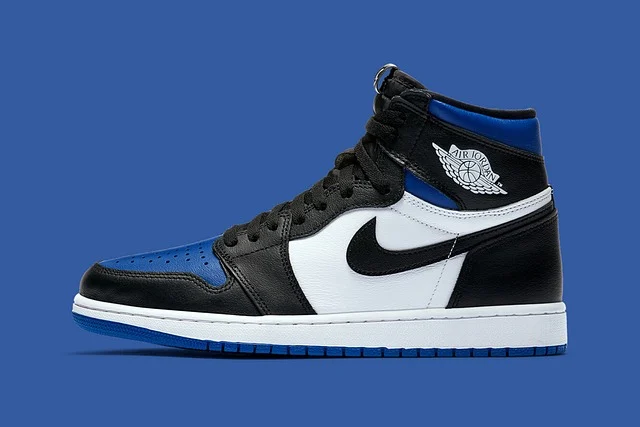
Understanding the differences between the major Air Jordan 1 cuts is essential before purchasing. While all variations share the core Peter Moore paneling, each cut alters the ankle collar, proportion, price point, and overall aesthetic.
| Silhouette Cut | Ankle Collar Height | Retail Price Range | Resale Value Profile | Best Suitability |
|---|---|---|---|---|
| AJ1 High OG | 9 Eyelets (Full Ankle Cover) | $180 – $200 USD | Highest (Often $200 – $1,000+) | Collector appeal, classic streetwear, winter/fall styling |
| AJ1 Mid | 8 Eyelets (Mid Ankle Bone) | $125 – $135 USD | Moderate (Near Retail) | Everyday casual wear, budget-conscious buyers |
| AJ1 Low | 7 Eyelets (Below Ankle) | $110 – $140 USD | Variable (Collabs High, Standard Moderate) | Warm weather, smart-casual, shorts and cropped trousers |
| ’85 Retro Cut | 9 Eyelets (Stiffer OG Shape) | $200 USD | Very High Premium | Purists, archival sneaker collectors |
Pros and Cons of Air Jordan 1 Ownership
Evaluating the strengths and drawbacks of owning an Air Jordan 1 helps set realistic expectations regarding comfort, cost, and maintenance.
Pros
- Timeless Aesthetics: The paneling and swoosh placement retain universal visual appeal across generations.
- Cultural Significance: Direct connection to the foundation of modern sneaker collecting and the legacy of Michael Jordan and Nike.
- Versatile Styling: Seamlessly transitions between casual denim, athletic sweats, and structured formal trousers.
- Investment Potential: Original colorways and limited collaborations frequently retain or appreciate in value over time.
- Brand Heritage: Continuous re-engineering keeps historical narratives alive for contemporary audiences.
Cons
- High Price Point: Desirable OG reissues and limited releases carry heavy markups on the secondary market.
- Counterfeit Market: Extreme popularity has produced sophisticated replica factories, requiring strict vigilance.
- Availability Issues: Demand far exceeds supply during drop dates on retail apps and boutique raffles.
- Comfort Limitations: The 1980s rubber cupsole and flat rubber outsole offer far less impact mitigation than modern performance shoes.
- Material Degradation: Natural leather requires routine conditioning to prevent creasing dry-out, stiffness, or surface cracking over years of wear.
The Air Jordan 1: A Deep Dive into Its Enduring Legacy in 2026
The beauty of the Air Jordan 1 lies in its chameleon-like ability to complement various styles. Whether dressing for relaxed weekends or elevated evening events, following key proportions keeps the footwear balanced.
Worked Example 1: Classic Streetwear Look
- Footwear: Air Jordan 1 High OG (“Chicago” or “Bred” colorway).
- Bottoms: Medium-wash distressed denim with a relaxed fit. Ensure the hem rests naturally over the ankle collar without aggressive stacking.
- Tops: Heavyweight vintage graphic tee (240+ GSM cotton).
- Outerwear: Oversized nylon or leather bomber jacket to balance the structural weight of the high-top sneaker.
Worked Example 2: Fashion-Forward Tailored Look
- Footwear: Monochromatic Air Jordan 1 Low or muted neutral High (such as grey, sail, or black/white).
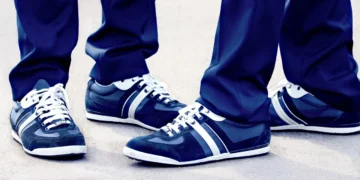
- Bottoms: Single-pleated tailored trousers in charcoal or navy, cut with a slight crop ending just above the sneaker tongue.
- Tops: Tucked crisp white oxford button-down or fine-gauge knitted sweater.
- Outerwear: Unstructured wool coat or tailored blazer. Letting the sneaker function as a clean statement piece grounds the elevated tailoring without looking overly formal.
How to Authenticate Air Jordan 1s: Concrete Inspection Steps
Because the market is saturated with counterfeit pairs, buyers must perform a thorough multi-point inspection before purchasing on secondary channels.
- Inspect the Wings Logo: On authentic Highs, the iconic “Air Jordan” Wings logo should be deep, crisp, and embossed directly into the leather. Check the letters “R” and “D” in “JORDAN”—their bottom serifs must touch naturally on original tooling.
- Verify the Hourglass Heel Shape: Look at the shoe directly from behind. Authentic AJ1s taper inward from the ankle collar down toward the heel counter, expanding slightly at the base to form an hourglass profile. Fake pairs often exhibit straight, cylindrical rear shapes.
- Test the Leather Texture and Edges: Genuine pairs utilize distinct raw-edge leather cuts on main panels. Counterfeits frequently use synthetic compounds painted along the edges or bonded leather that feels smooth like plastic.
- Audit Box Label and Typography: Cross-check the UPC barcode, style code (e.g., 555088-610 format), size print, and font thickness on the box tag against verified database images. The inner size tag should have clean heat-pressed edges without messy glue lines.
Addressing Common Pitfalls: Sizing, Comfort, and Maintenance
Navigating sizing and ongoing maintenance avoids common frustrations associated with long-term ownership.
Sizing and Fit Adjustments
Air Jordan 1s generally fit true to size for standard foot widths. However, the narrow toe box can cause pressure on the lateral side of wider feet. If you have wide feet, consider going up half a size (e.g., from US 10 to US 10.5) to avoid discomfort during extended wear.
Fixing Sole Cushioning and Arch Support
Because 1985 cupsole technology relies on flat rubber and minimal encapsulated air, prolonged walking can fatigue the arches. Replacing the stock thin polyurethane insole with an aftermarket orthopedic or gel insole provides modern arch support and shock absorption without altering the silhouette’s exterior look.
Managing Toe Box Creasing and Leather Care
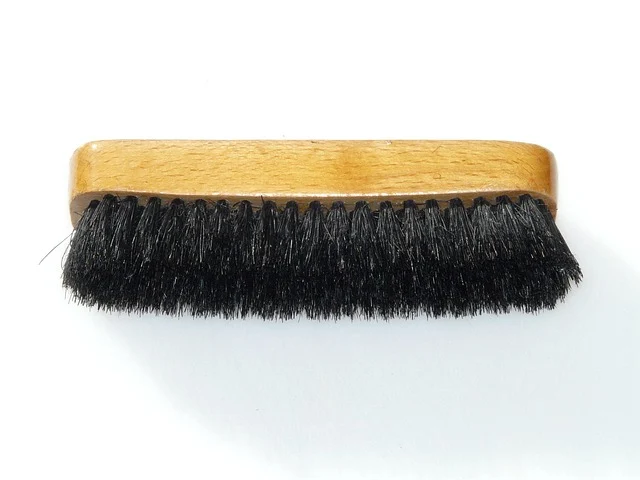
Creasing across the toe box is a natural characteristic of genuine leather. To minimize extreme creasing while maintaining comfort, insert flexible plastic shoe shields into the toe box during wear. After wearing, place natural cedar shoe trees inside the shoes to absorb moisture, deodorize the interior, and restore tension to the leather panels.
Who the Air Jordan 1 Is Not For
While the silhouette is universally recognized, it is not the ideal shoe for every user or scenario:
- Active Basketball Players: Those seeking high-performance court footwear should opt for modern designs with responsive foam cushioning, lateral shank plates, and engineered mesh uppers.
- Long-Distance Walkers: Travelers spending 10+ hours on their feet daily will find the flat cupsole firm compared to modern running shoes.
- Strict Budget Buyers: Buyers seeking under-$100 daily sneakers may find standard retail prices and secondary market premiums prohibitive when looking for high core retro releases offer incredible value and style.
Expert Tips for the Modern AJ1 Enthusiast
When considering a purchase in 2026, look beyond just the colorway. Examine the quality of materials and construction. The Jordan Brand has maintained a generally high standard, but subtle differences exist between models and re-releases. For instance, the leather quality on some original ’85 reissues might differ from standard retros.

Consider the ‘story’ behind the shoe. Is it a classic OG colorway, a significant collaboration, or part of a special pack? Understanding this context often enhances the appreciation and value of the pair. Also, for those investing, keeping them in their original box and condition is paramount for maintaining resale value.
Frequently Asked Questions
Are Air Jordan 1s still relevant in 2026?
Absolutely. As of May 2026, the Air Jordan 1 remains a dominant force in sneaker culture and fashion, with new releases and enduring popularity proving its timeless appeal.
What are the most sought-after Air Jordan 1 colorways?
The most sought-after colorways typically include originals like the ‘Chicago’, ‘Bred’, and ‘Royal Blue’, alongside highly limited collaborations and special editions from recent years.
How much do Air Jordan 1s typically cost in 2026?
Retail prices for new releases start around $110-$140 USD for Lows and Mids up to $180-$200 USD for Highs. Resale prices for popular or rare pairs can range from $200 to over $1,000, depending on condition and exclusivity.
Can I wear Air Jordan 1s for playing basketball in 2026?
While the AJ1 was originally a performance basketball shoe in 1985, modern basketball requires more advanced support and cushioning. They are best suited for casual wear or light recreational play today.
What is the difference between Air Jordan 1 High, Mid, and Low?
The primary difference is the cut: Highs offer full ankle coverage with 9 eyelets, Mids stop just near the ankle bone with 8 eyelets, and Lows sit below the ankle with 7 eyelets. Each offers a slightly different aesthetic, price point, and material execution.
How can I tell if an Air Jordan 1 is authentic?
Look for consistent stitching, correct embossed Wings logo placement with touching ‘R’ and ‘D’ lettering, proper hourglass heel shape, accurate material quality, and proper box details. Always purchase from reputable sources that offer professional authentication services.
Source: Vogue


