







When comparing sterling silver vs stainless steel jewelry, stainless steel offers better scratch resistance, low maintenance, and water exposure resistance. Sterling silver provides higher intrinsic metal value, a warmer shine, and easier reshape capability for fine jewelry. Your choice depends on whether you prioritize physical durability for daily wear or genuine precious metal value.
Both silver-toned metals see wide use across rings, chains, and bracelets. However, their chemical compositions make them behave very differently over time. Learn how each alloy handles moisture, skin chemistry, and everyday friction to buy the right metal for your lifestyle.
What is the difference between sterling silver and stainless steel jewelry?
The primary difference lies in their metal classification: sterling silver is a precious alloy composed mainly of pure silver, while stainless steel is an industrial base metal alloy centered around iron and chromium.
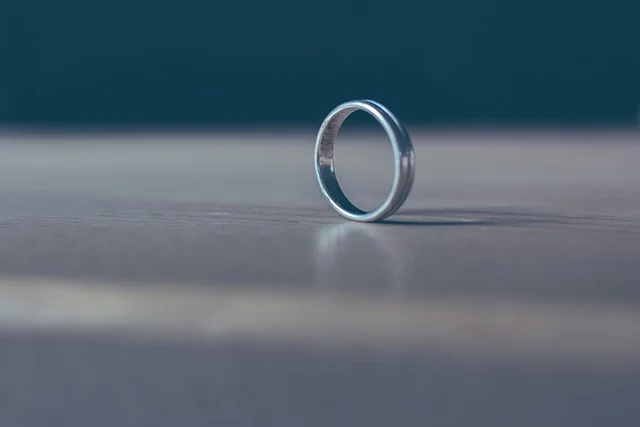
According to U.S. Federal Trade Commission (FTC) 16 CFR Part 23 rules, products labeled as sterling silver must contain at least 92.5% pure silver. Jewelers add the remaining 7.5% of secondary metals—usually copper—to give soft pure silver structural strength for daily wear. This composition explains why sterling silver carries the standard 925 hallmark stamp.
In contrast, jewelry-grade stainless steel is a non-precious alloy composed of iron, carbon, and at least 10.5% chromium. Grade 316L stainless steel, often called surgical steel, contains roughly 16% chromium, 10% to 14% nickel, and added molybdenum. Chromium reacts with atmospheric oxygen to form an invisible, self-healing chromium oxide film across the surface. This layer protects the inner iron from oxidation and rust.
Comparing performance, care, and wear
Comparing these two metals across key performance factors highlights clear practical trade-offs for daily wear.
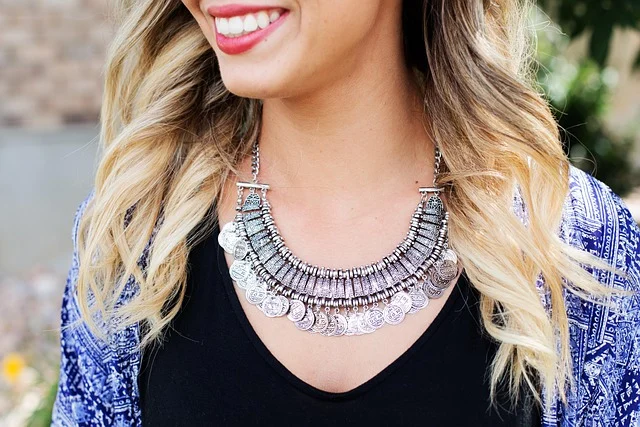
| Feature | 925 Sterling Silver | 316L Stainless Steel |
|---|---|---|
| Metal Category | Precious Metal Alloy | Industrial Base Metal Alloy |
| Tarnish Resistance | Oxidizes over time; requires polishing | Completely tarnish-resistant |
| Water & Shower Safe | No (moisture accelerates tarnishing) | Yes (resists rust, chlorine, and sweat) |
| Scratch Resistance | Soft (Mohs hardness ~2.5–3) | Hard (Mohs hardness ~5.5–6) |
| Resizing & Repair | Easily resized and soldered by bench jewelers | Extremely difficult to resize; often impossible |
| Intrinsic Value | Retains commodity melt/resale market value | No resale value outside of fashion utility |
Choose stainless steel if you want low-maintenance jewelry to wear while swimming, working out, or showering. We recommend sterling silver if you prefer fine jewelry that craftsmen can repair, resize, or polish for generations.
Which metal is safer for sensitive skin and allergies?
316L stainless steel is generally safer for skin sensitivities, though neither metal is 100% guaranteed to be nickel-free in every market.
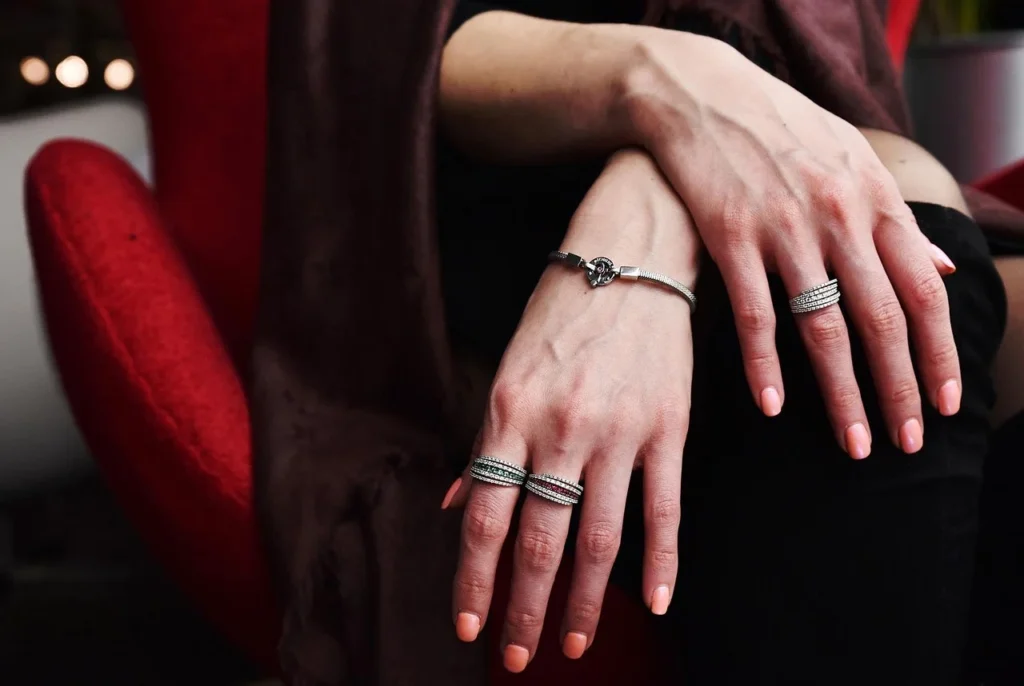
Many consumers assume surgical stainless steel contains no nickel at all, but Grade 316L actually contains around 12% nickel. However, the chemical matrix tightly binds the nickel inside the alloy, preventing it from leaching onto the skin. Under European Regulation REACH Annex XVII, direct skin-contact items must release less than 0.5 µg/cm²/week of nickel under EN 1811:2023 testing standard limits. Grade 316L easily passes this safety standard for most individuals.
Sterling silver uses copper as its standard 7.5% secondary metal. Copper is safe for sensitive skin, but it occasionally reacts with sulfur or acidic skin pH to create a harmless green or dark ring on the skin. Also, unregulated manufacturers sometimes substitute cheap nickel into the 7.5% alloy portion instead of copper. If you suffer from a severe nickel allergy, look for explicitly tested nickel-free 925 sterling silver or high-grade 316L stainless steel.
Does sterling silver or stainless steel turn green or tarnish?
Stainless steel will never turn your skin green or tarnish under ordinary conditions, whereas sterling silver naturally tarnishes over time when exposed to air and chemicals.
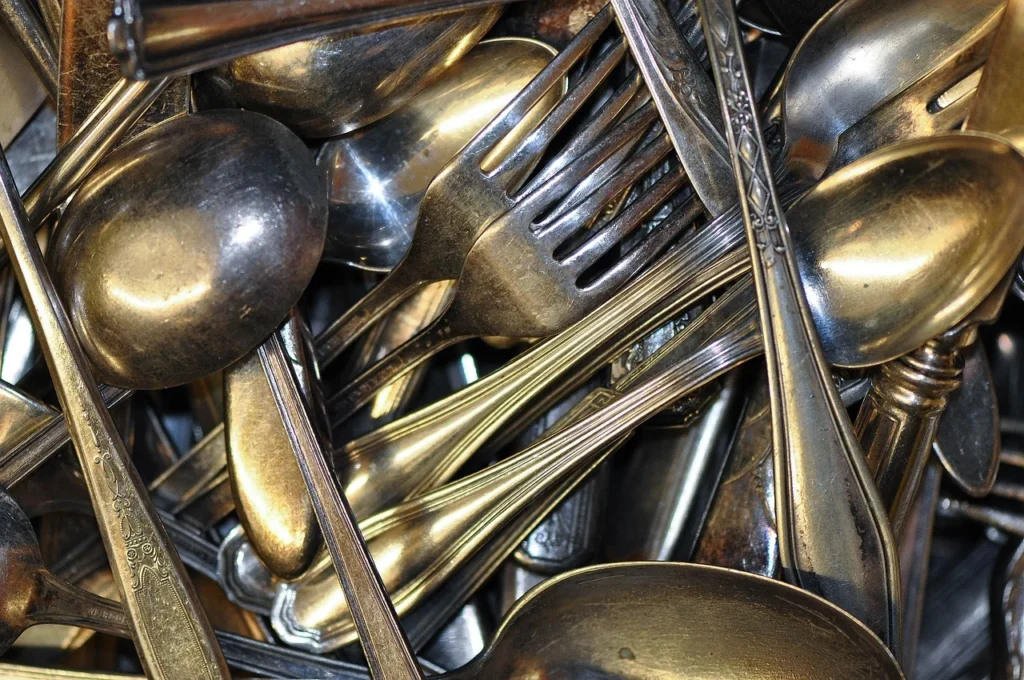
Sterling silver tarnishes because the copper inside the alloy reacts with hydrogen sulfide gases present in environmental air, forming silver sulfide on the surface. Exposure to saltwater, household bleach, perfumes, and humidity speeds up this darkening process.
Stainless steel does not tarnish because its surface chromium oxide layer shields the metal beneath. It does not react to moisture, atmospheric sulfur, or daily sweat, making it ideal for low-maintenance everyday wear.
How to clean sterling silver and stainless steel jewelry
Cleaning methods differ significantly because of the hardness and chemical vulnerabilities of each metal alloy.
-
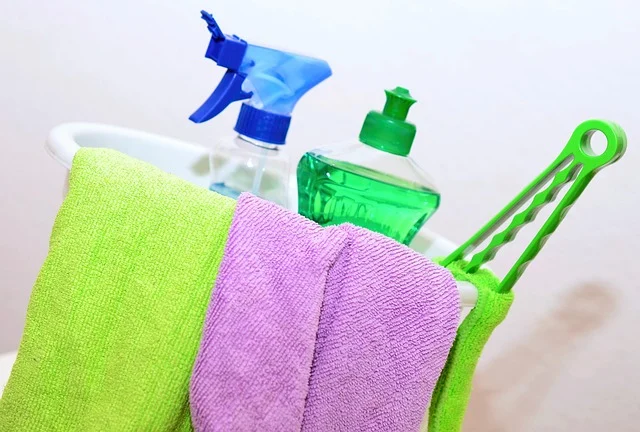
- Cleaning stainless steel: Fill a small bowl with warm water and a few drops of mild dish soap. Submerge your steel jewelry for 5 minutes, scrub gently with a soft-bristled toothbrush to clear dirt from grooves, rinse under clean water, and dry thoroughly with a lint-free cloth.
- Cleaning sterling silver: Wipe light tarnish off using a specialized treated microfiber polishing cloth. For heavier oxidation, line a glass bowl with aluminum foil, add 1 tablespoon of baking soda and 1 cup of boiling water, and submerge the silver item so it touches the foil. A chemical transfer removes silver sulfide within 3 minutes without scrubbing.
Never submerge sterling silver pieces containing pearls, opals, or soft gemstones into liquid dip chemical cleaners, as harsh chemicals break down organic gem structures and stone settings.
Comparing stainless steel, sterling silver, and titanium jewelry
Adding titanium to the comparison offers a third distinct option for modern high-durability jewelry.
Titanium is an elemental metal rather than an iron alloy. It is 100% nickel-free and completely inert against human skin chemistry, making it safer for people with severe metal sensitivities than either 316L steel or standard sterling silver.
However, titanium carries a darker, gunmetal-grey appearance compared to the bright white reflection of sterling silver or the cool mirror finish of stainless steel. Like stainless steel, standard bench jewelers cannot easily resize titanium using traditional soldering torches.
How to tell if jewelry is stainless steel or sterling silver
If you have an unmarked piece of white-tone metal jewelry, you can identify it using four specific tests:
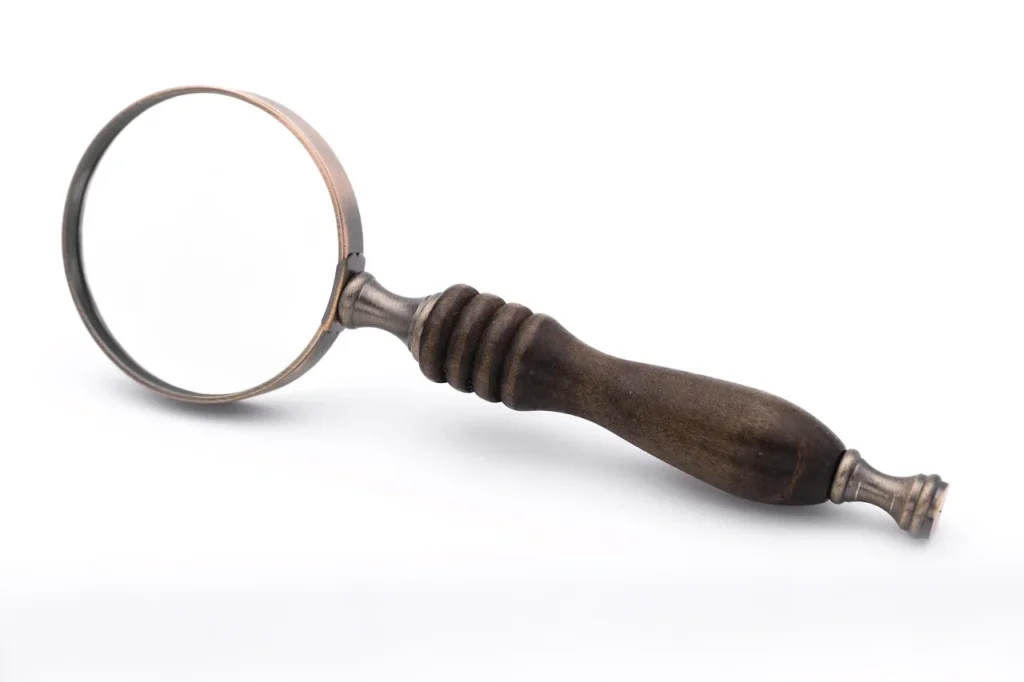
- Check for hallmarks: Inspect the inner band or clasp using a jeweler’s loupe. Sterling silver features stamps like 925, S925, Sterling, or Ster. Stainless steel typically carries 316L, Stainless Steel, or steel stamps, though non-branded pieces often lack them entirely.
- Assess the weight and feel: Sterling silver feels noticeably denser and heavier in the hand than a stainless steel piece of identical dimensions. Silver also conducts heat rapidly; placing an ice cube directly on a silver piece cools the metal almost instantly.
- Test with a rare-earth magnet: Pure silver and copper are non-magnetic. Genuine sterling silver will not stick to a strong magnet. While 316L stainless steel is largely non-magnetic due to its austenitic structure, lower grades of steel or cold-worked steel chains pull toward strong magnets.
- Inspect color and reflection: Sterling silver presents a warm, bright white luster that reflects light softly. Stainless steel has a slightly cooler, grayer undertone with a mirror-like industrial sheen.
Which metal should you buy?
We recommend choosing 925 sterling silver if you are purchasing heirloom rings, gem-set jewelry, or fine accessories that require eventual resizing, soldering, or traditional jeweler customization. Its precious metal classification gives it intrinsic commodity value that base metals lack.
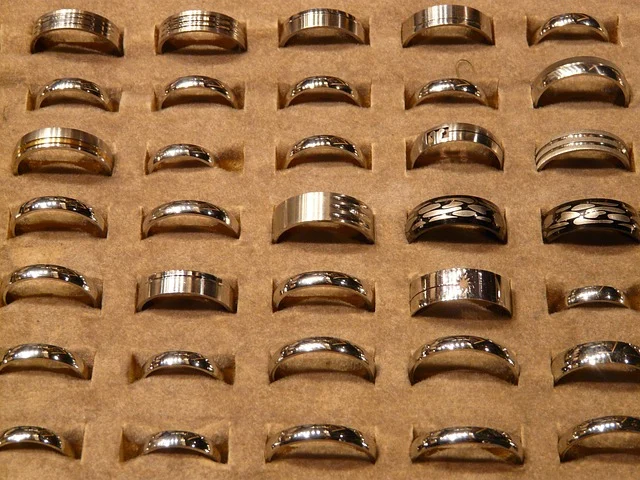
We recommend choosing 316L stainless steel if you are buying heavy men’s chains, daily wear bracelets, or casual budget accessories where water resistance, scratch immunity, and zero maintenance are your top priorities.
Related guides
Frequently asked questions
What is better, stainless steel or sterling silver for jewelry?
Stainless steel suits daily wear, water resistance, and budget durability because it resists scratches and tarnishing. Sterling silver fits fine jewelry better because it holds precious metal value, offers a brighter warm luster, and allows jewelers to resize it.
What are the disadvantages of stainless steel jewelry?
The main disadvantages of stainless steel are that traditional jewelers cannot easily resize or repair it. It holds zero intrinsic precious metal value and presents a slightly darker, cooler gray finish compared to silver.
What metals should I avoid in jewelry?
Avoid mystery base metals containing high levels of nickel, lead, or cadmium, which commonly cause allergic contact dermatitis and skin discoloration. Unplated brass and cheap zinc alloys also corrode quickly when exposed to sweat and moisture.
How to tell if it’s stainless steel or sterling silver?
Look for hallmark stamps: sterling silver features a 925 or S925 mark, whereas stainless steel shows 316L or Stainless Steel. Silver is non-magnetic, heavier, and warmer in tone, while steel is scratch-resistant with a cool gray hue.