




When comparing a full grain vs top grain leather jacket, full grain leather uses the complete outer layer of the hide without surface sanding, making it denser, more durable, and capable of developing a rich patina over decades. Top grain leather has its top surface lightly buffed to remove natural blemishes and finished with a protective coating, creating a lighter, more uniform garment that resists initial spills but ages with minimal color shift.
Choosing between these two cuts comes down to how you plan to wear the jacket, your tolerance for weight, and your budget. Both occupy the upper tiers of leather outerwear. However, their construction process creates noticeably different wearing experiences on a daily basis.
Is full grain or top grain leather better?
Neither material is universally better. Full grain leather offers maximum lifetime durability, while top grain provides flexibility, uniform appearance, and stain resistance.
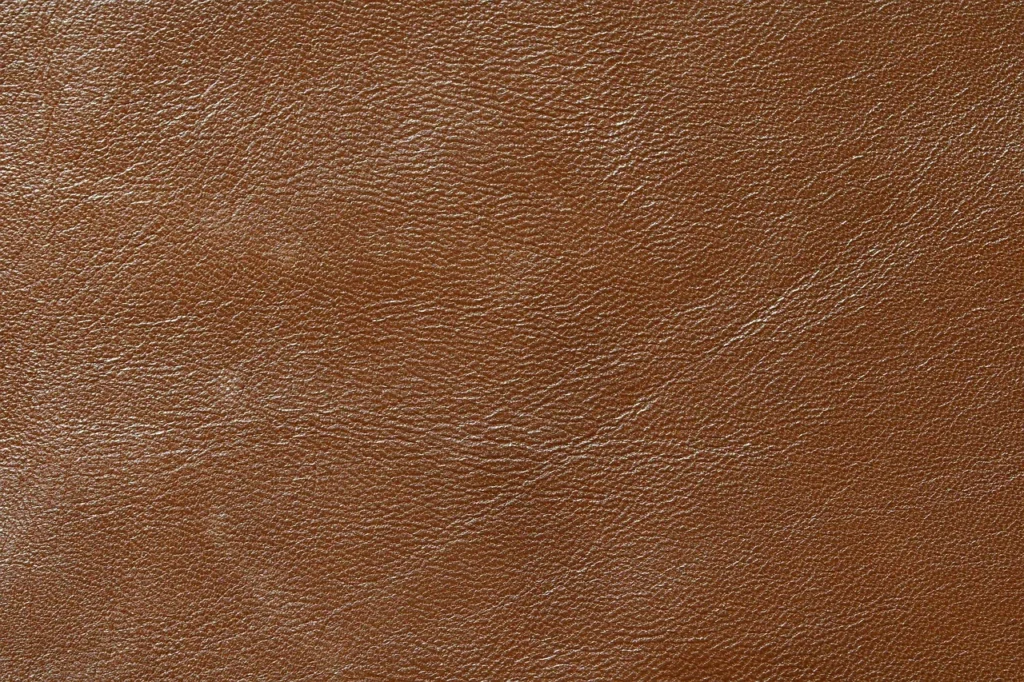
Full grain leather retains its natural surface fibers, resulting in distinct texture variations.
According to Decrum, full-grain leather is the outermost hide layer kept entirely natural without sanding or buffing. Because the natural fiber structure remains intact, full-grain leather retains maximum tensile strength. Over time, it absorbs oils and moisture from wear, developing a characteristic patina that deepens in shade.
Top-grain leather begins with the same outer hide layer. Tanneries lightly sand or buff the surface to erase scarring, insect bites, or uneven grain marks. Afterwards, a protective finish coat or pigment is applied. This process produces a smooth finish, reducing break-in time for a full grain vs top grain leather jacket.
The practical differences between these two options affect daily wear, longevity, and long-term care:
| Feature | Full-Grain Leather Jacket | Top-Grain Leather Jacket |
|---|---|---|
| Surface Treatment | Unfinished, natural grain intact | Sanded/buffed with protective top coat |
| Lifespan | 20 to 30+ years with regular care | 10 to 15 years with typical use |
| Break-In Period | Stiff initially; breaks in over months | Soft out of the box; minimal break-in |
| Patina Development | High; darkens and develops character | Low; surface finish prevents deep aging |
| Water & Stain Resistance | Absorbs moisture; requires conditioning | Resists light spills and surface moisture |
For a full grain vs top grain leather jacket, full grain suits rugged heritage styles like classic double riders. Sleek modern silhouettes, like tailored minimalist bombers, often make top grain the practical choice.
How hide structure dictates jacket performance
The structural integrity of a leather jacket relies on the density of the collagen fibers located in the uppermost region of the hide, known as the grain layer.
In full-grain hide, these densely packed vertical fibers remain undamaged. According to Decrum, full-grain leather jackets retain these intact fibers to offer 20 to 30+ years of durability under basic care. The lack of artificial coating allows the leather to breathe naturally, adapting to body heat and moisture over time.
When comparing a full grain vs top grain leather jacket, the tannery sands top-grain hides, shaving dense fibers. While this eliminates surface imperfections, it slightly lowers the material’s tear resistance and density. According to Jennifer Tattanelli, full-grain leather darkens and develops a natural patina over time. Conversely, top-grain leather’s surface coating slows patina development and can crack if left unconditioned over many years.
It is important to address a common industry misconception regarding a full grain vs top grain leather jacket: leathercrafters note these terms are marketing classifications rather than official regulatory grades. A premium top-grain hide sourced from a world-class tannery will consistently outperform a poorly tanned, low-grade full-grain hide. Raw hide selection, tanning methods, and stitching craft play equally crucial roles in garment life.
What is the difference between genuine leather, top grain, and full grain?
The distinction lies in which layer of the hide is used and how much natural hide structure remains after processing.
Consumers frequently confuse “genuine leather” with high quality, especially when comparing a full grain vs top grain leather jacket. Industry sources like FJackets note that it generally represents lower-tier split hides behind full-grain and top-grain. When an animal hide is processed, it is split horizontally into two main sections: the upper grain layer and the lower split layer.
- Full-Grain Leather: The unsanded top layer of the hide. Contains the highest density of natural fibers, offers maximum breathability, and develops an authentic patina.
- Top-Grain Leather: The top layer of the hide, lightly sanded to remove surface flaws and sealed with a finish coating for consistency and stain resistance.
- Genuine Leather (Split Leather): Created from the lower layers of the hide left behind after the top grain is removed. To simulate real grain, manufacturers emboss a synthetic pattern onto the surface and apply heavy polyurethane coatings. It lacks natural fiber density and tends to degrade or peel within a few years of regular wear.
Understanding these grades helps prevent paying premium prices for corrected or bonded split hides masquerading as high-grade outerwear.
How to spot full grain versus top grain when shopping
Identifying the leather type on a rack or online store requires evaluating texture, pore structure, flex patterns, and finish consistency.
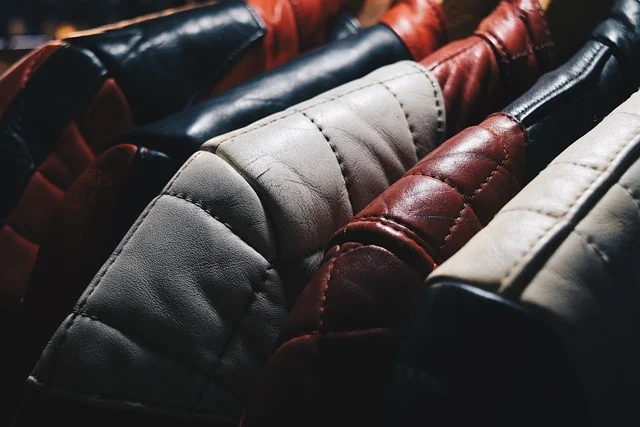
You can verify the leather grade of a jacket using these direct physical tests:
- Examine the pore structure: Inspect the surface closely under direct lighting. Full-grain leather features subtle, irregular pore arrangements and natural variation like minor stretch marks or healed scars. Top-grain leather displays a perfectly uniform texture where pores are smooth or artificially stamped.
- Perform the bend test: Gently bend a section of the jacket sleeve inward. Full-grain leather will wrinkle naturally with visible color shifts across the fold as light catches the unsealed grain. Top-grain leather bends smoothly without significant color variations due to its top finish coat.
- Check the edge profile: Look at unhemmed seams or cut edges inside the pocket openings. Full-grain reveals tight, solid fibrous structures throughout the cross-section. Top-grain may reveal a slightly looser inner fiber density underneath its thin surface seal.
- Evaluate initial stiffness: Try the jacket on. Full-grain leather jackets feel noticeably heavier and stiffer initially. They require several weeks of wear to conform to your shoulders and elbows. Top-grain jackets feel soft and supple immediately off the hanger.
What are the disadvantages of full grain leather?
Full grain leather jackets carry trade-offs including higher weight and an initial break-in period. They also feature potential surface flaws and increased susceptibility to water spotting if unconditioned.
While full grain is often cited as the ultimate leather tier, it does not suit every lifestyle or wardrobe aesthetic:
- Heavy Initial Rigidity: Because the dense fiber structure is untouched, a brand-new full-grain jacket can feel stiff around the armholes and elbows. It requires patience to break in.
- Natural Imperfections: Full-grain hides show the history of the animal. You will find natural color variations, neck wrinkles, and minor scars. If you want a flawless, mirror-smooth black surface, full grain will disappoint you.
- Maintenance Requirements: According to Inland Leather, full-grain leather requires routine conditioning due to its lack of a protective synthetic coating. Unsealed pores readily absorb water and liquids, which can leave temporary marks if not dried properly.
- Garment Weight: Full-grain jackets tend to be substantially heavier than top-grain or lambskin alternatives. This makes them less ideal for mild spring weather or lightweight layering.
Pricing expectations and value comparison
Price points in the leather market generally correlate with hide selection, tannery processes, and retail distribution models.
According to FJackets, real full-grain or top-grain lambskin and cowhide jackets from direct-to-consumer brands typically cost between $200 and $400. Jackets priced under $150 generally rely on split-grain hides or heavily polyurethane-coated real leather that lacks long-term durability. Also, FJackets notes that leather jacket prices over $700 often reflect designer branding and retail markups rather than higher foundational leather quality.
When investing in outerwear, consider the long-term cost per wear: a $350 full-grain jacket worn across two decades delivers significantly better value than a $150 synthetic or split-leather jacket that splits or peels after two seasons of heavy use.
Caring for full grain vs top grain leather jackets
Routine care procedures differ based on whether your jacket features an open, unsealed grain or a protective top coat.

Because full-grain leather lacks a synthetic top coat, it requires conditioning every 6 to 12 months to prevent drying out. Use a cream-based leather conditioner applied thinly with a microfiber cloth. Allow the leather to absorb the conditioner naturally for several hours before wiping off any remaining residue. If your full-grain jacket gets wet in heavy rain, hang it away from direct heat sources on a wide, padded hanger to retain shape.
Choosing a full grain vs top grain leather jacket affects care, as top-grain is easier to clean. Wipe away dirt or water using a slightly damp cloth. However, top-grain leather still requires conditioning once a year; if the protective top seal dries out and cracks, moisture can reach the inner fibers and cause irreparable stiffening.
Related guides
Frequently asked questions
Is full grain or top grain leather better?
Full grain leather is better for maximum longevity, tear resistance, and rich patina development over decades of use. Top grain leather is better if you prefer a lighter weight, uniform appearance, immediate softness out of the box, and basic surface stain resistance.
What are the disadvantages of full grain leather?
Full grain leather is heavier, stiffer initially, and requires a dedicated break-in period before it feels fully comfortable. It also absorbs moisture more easily than coated leathers and displays natural hide imperfections such as minor scars or grain variations.
What is the lifespan of full-grain leather?
A full-grain leather jacket has a lifespan of 20 to 30 years or more when conditioned periodically. Its intact collagen fibers prevent tearing and allow the leather to strengthen its character as it ages.
What are the main grades of leather?
The main grades of leather, ranked from highest to lowest quality based on hide layer retention, are full-grain leather, top-grain leather, split-grain (genuine) leather, and bonded leather.