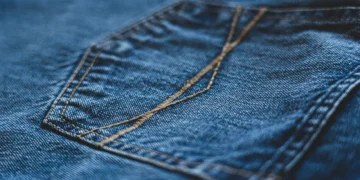

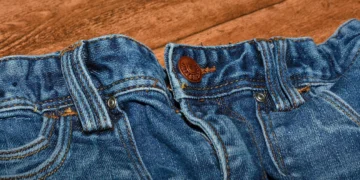







The fastest way to break in raw denim jeans fast is to soak them in warm water for 30 to 45 minutes. Roll out excess moisture in a towel, and wear them until slightly damp so the fabric molds to your body’s pressure points. This initial soak strips away excess starch. It relaxes stiff cotton fibers immediately while preserving the deep indigo base needed for high-contrast fading.
Raw denim—fabric that remains unwashed and untreated after dyeing and sewing—arrives rigid. Manufacturers leave heavy starch in the weave. Traditionalists suggest wearing stiff raw denim dry for six months without a wash. However, that approach often leads to painful chafing and early fabric tears. Speeding up the process requires balancing physical movement with targeted water exposure.
How to break in a pair of raw denim jeans fast
Learn how to break in raw denim jeans fast, which usually takes two to four weeks of wear. Using an initial warm soak shortens the initial stiffness to just a few days. According to British GQ, standard selvedge denim takes anywhere from three to six months to fully soften when worn completely dry every day.
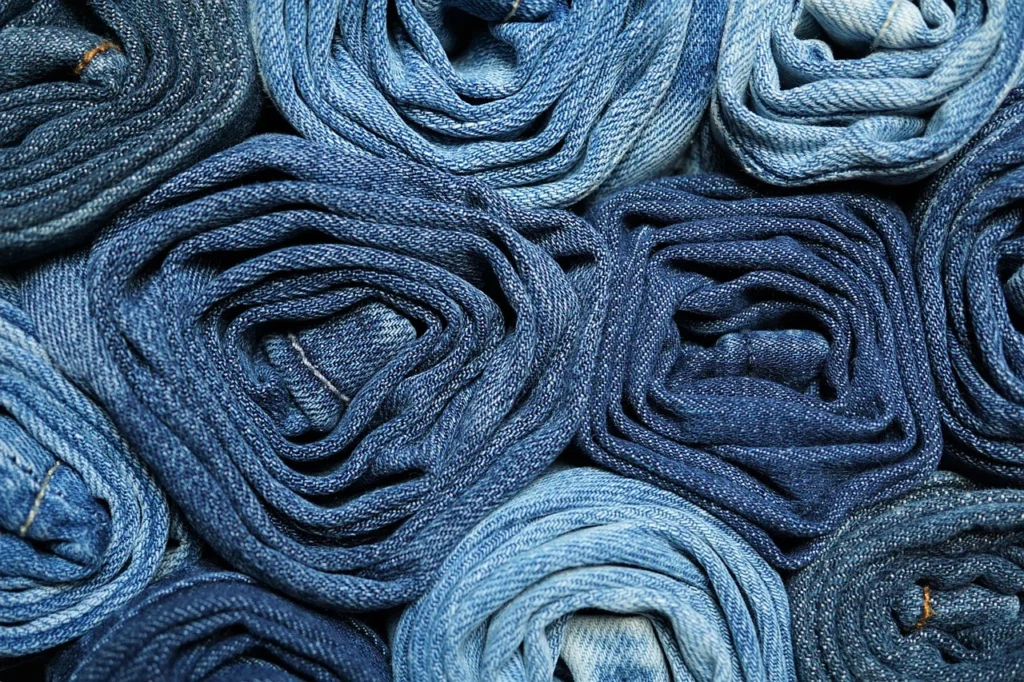
Fabric flexes at knee and hip crease points during early wear.
The total break-in timeline depends heavily on denim weight and fabric treatment:
- Lightweight denim (under 12 oz): Softens within 1 to 2 weeks of consistent wear.
- Midweight denim (12 oz to 16 oz): Takes 3 to 6 weeks to break in comfortably.
- Heavyweight denim (18 oz and above): Can require 2 to 3 months of heavy activity to fully shape to your body.
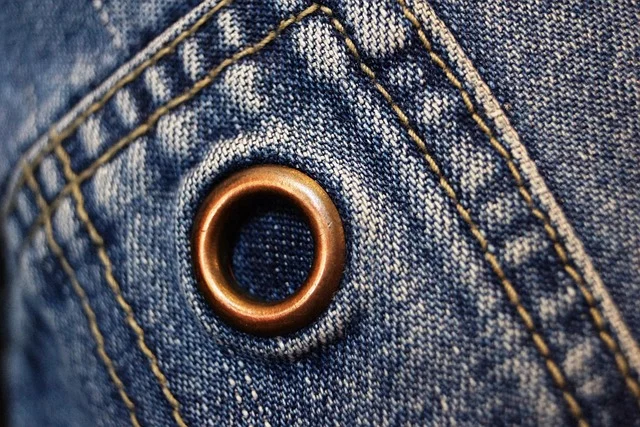
Fabric construction plays an equally important role. Sanforized denim is mechanically pre-shrunk at the mill. It undergoes heat and steam treatment to lock in sizing, so it retains tagged measurements and softens predictably. Unsanforized (loomstate) denim contains no mechanical shrinking. It shrinks up to 10% on its first wet soak, altering both length and waist fit drastically. If you compare denim weights to learn how to break in raw jeans fast, see Your First Steps to Radiance: Essential Beauty Tips for sizing details.
Step-by-step: The fastest damp-wear break-in method
Following a structured soak-and-wear process relaxes rigid starch without washing out essential indigo dye prematurely.
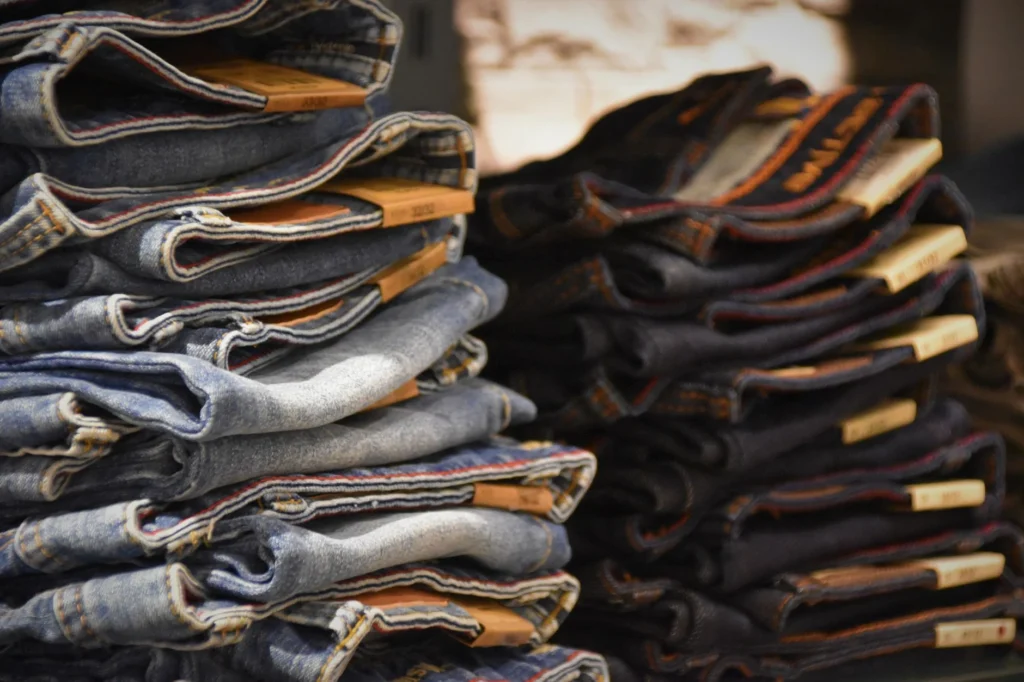
- Fill a tub with lukewarm water: Keep the water around 30°C to 40°C (86°F to 104°F). Hot water shrinks cotton rapidly and strips excessive dye.
- Submerge the jeans inside out: Turning the jeans inside out prevents surface friction marks and keeps indigo from bleeding unevenly. Weight the legs down with heavy glass jars or towels so they stay completely underwater for 30 to 45 minutes.
- Press out water without wringing: Remove jeans from the tub. Gently press the water out against the side of the tub. Never wring or twist raw denim, as wringing leaves permanent vertical white stress lines through the dye.
- Towel-dry to dampness: Lay the jeans flat between two dry bath towels and roll them up like a sleeping bag. Press firmly to absorb excess water until the fabric feels damp rather than soaking wet.
- Wear until nearly dry: Put the damp jeans on and go about light household activities for 1 to 2 hours. As cotton dries around your waist, knees, and hips, it stretches across strain points and shapes itself to your movement.
- Hang to finish air drying: Take the jeans off before they dry completely to avoid knee bulges, and hang them indoors by the belt loops away from direct sunlight.
Accelerating break-in through targeted movement
Physical friction against stiff cotton breaks down structural starch quickly without requiring extra water exposures. Once your jeans are dry, active movement forces the heavy yarn to bend repeatedly along natural crease lines.

Doing deep bodyweight squats or taking stairs two at a time helps how to break in raw denim jeans fast. Riding a bicycle for short distances also softens the hip flexors, crotch seam, and back of knees. Bending and sitting during daily tasks creates distinct high-contrast fading patterns called honeycombs behind the knees and whiskers across the lap.
For those looking to expand their wardrobe beyond denim with relaxed fits, check out Amiri Jeans: Decoding the Distressed Denim Icon to balance heavy fabrics with street style.
Sanforized vs unsanforized raw denim break-in differences
Understanding whether your jeans are sanforized, unsanforized, or one-wash determines how much water and tension you can apply during break-in.
| Denim Type | Shrinkage Rate | Initial Stiffness | Best Break-In Approach |
|---|---|---|---|
| Sanforized | High (Starchy) | Warm soak, damp wear, active movement | |
| Unsanforized | Very High | Tub soak on body for exact fit sizing | |
| One-Wash | 0% (Pre-rinsed) | Moderate | Direct daily wear; no soaking needed |
Sanforized options suit readers who want predictable measurements straight off the rack. Unsanforized denim suits purists wanting custom shaping, but requires sizing up for significant fabric shrinkage during the first soak. One-wash raw denim suits anyone learning how to break in raw denim jeans fast without stiff soaking.
Denim break-in myths that ruin raw jeans
Several popular shortcuts circulating online actively destroy cotton fibers or ruin indigo contrast.
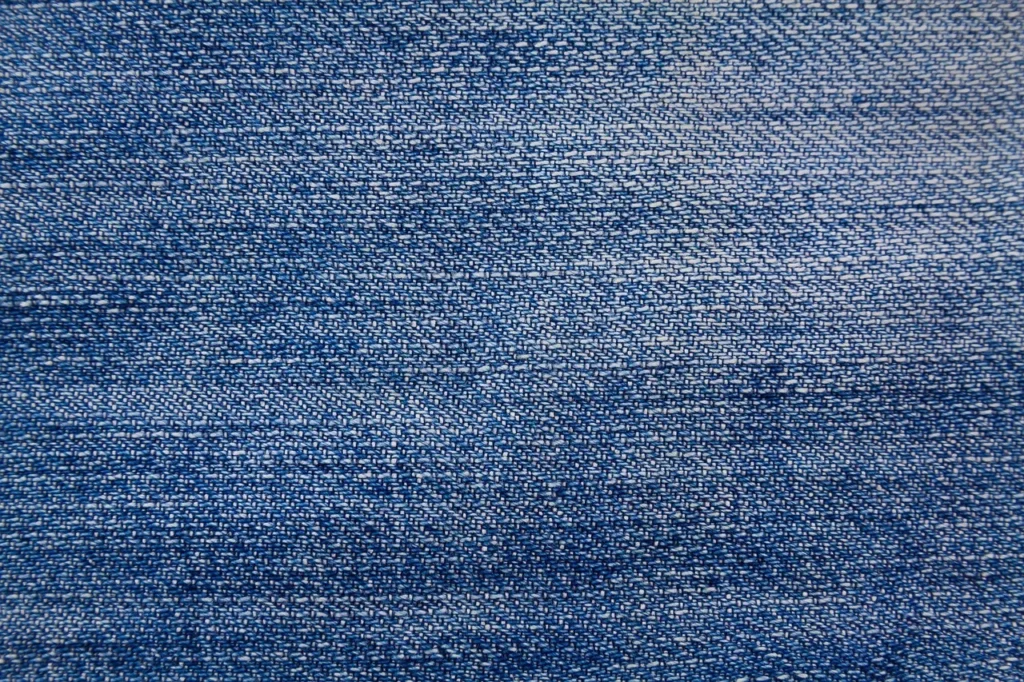
Air drying raw denim preserves dye contrast and structural seam integrity.
- Freezing your jeans: Putting raw denim in the freezer does not clean fabric or remove odor. According to testing highlighted by Benzak Denim Developers, freezing merely puts bacteria into a dormant state; bacteria reactivate fully once the denim warms back to room temperature.
- Ocean water and sand rubs: Soaking jeans in salt water or scrubbing them with ocean sand introduces abrasive salt crystals. These cut into raw cotton yarns, causing seams to break down rapidly.
- Never washing to avoid fading: Avoiding washes entirely builds up skin oils, dirt, and sweat in the crotch area. This friction breaks down stiff yarns, causing early crotch blowouts. Washing periodically with mild liquid detergent keeps cotton fibers hydrated and durable.
Who should avoid fast break-in methods?
Fast break-in soaking is not suitable for everyone. Avoid initial warm water soaks if high-contrast, razor-sharp fade lines across the lap and knees are your primary goal. Water dissolves surface starch uniformly and lifts loose indigo dye, softening high-contrast fade lines into a smoother, lower-contrast wash.
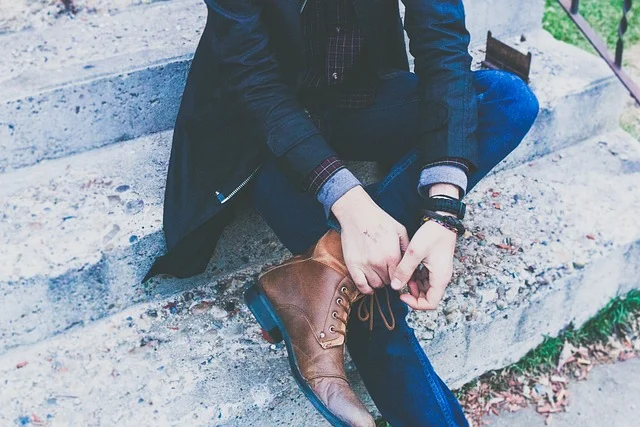
Additionally, if your jeans fit exceptionally tight at the waist before washing, soaking them off-body can cause slight shrinkage. That makes buttoning them impossible. In that scenario, wear them dry for at least two weeks to stretch the waistband before introducing any moisture.
Frequently asked questions
What is the fastest way to break in raw denim?
The fastest way to break in raw denim is to soak the jeans in warm water for 30 to 45 minutes, roll out excess moisture in a towel, and wear them while slightly damp so the starchy fabric stretches and shapes directly to your body movement.
How long does it take to soften raw denim?
Raw denim typically takes two to four weeks of regular wear to soften naturally. Initial warm soaks and active movements like squats can show you how to break in a pair of raw denim jeans fast.
Will raw denim get less stiff?
Yes, learn how to break in stiff raw denim jeans fast as daily wear breaks down factory starch. Soft cotton fibers flex to accommodate your body shape.
Is it okay to sleep in raw denim?
Sleeping in raw denim forces the fabric to flex, but it is generally unhelpful. Indigo dye will rub off heavily onto bedsheets and mattresses without providing the sharp leg friction needed for natural creases.