





You can buy authentic Japanese streetwear brands online directly through brand e-commerce portals like THE SHOP YOHJI YAMAMOTO. Alternatively, try authorized global stockists such as Haku Clothing, Goodhood, and 2nd STREET USA. Shopping these labels successfully requires matching your preferred style sub-genre with the right boutique while adjusting for regional sizing differences.
Japanese streetwear is rarely a single aesthetic. It originated from post-war Japan’s adoption of American workwear, denim, and Ivy tailoring, alongside Tokyo’s 1990s Ura-Harajuku scene. Today, buying Japanese streetwear brands online means choosing between distinct design movements rather than just picking logo tees.
Discover the top 10 Japanese streetwear brands online
The top 10 Japanese streetwear brands span four primary sub-styles online. These include Ura-Hara pop, workwear heritage, dystopian techwear, and Parisian-influenced avant-garde out of Tokyo. Unlike many Western labels that rely primarily on heavy graphic prints, Japanese garment design prioritizes textile weight, custom dyeing, and structural construction over visible branding.
To help you decide which label aligns with your wardrobe, here is how the primary names compare across style categories and ideal use cases:
| Brand | Primary Aesthetic | Key Garment Focus | Best Suited For |
|---|---|---|---|
| BAPE (A Bathing Ape) | Ura-Hara Pop | Camo prints, graphic hoodies | Bold, statement street style |
| NEIGHBORHOOD | Motorcycle / Workwear | Heavy denim, graphic jackets | Rugged military and biker looks |
| WTAPS | Military Heritage | Utility shirts, cargo pants | Structured, functional everyday wear |
| Undercover | Punk / High Fashion | Tailored outerwear, graphics | Experimental, avant-garde outfits |
| Cav Empt (C.E) | Dystopian Techwear | Overdyed hoodies, graphic outerwear | Retro-futuristic electronic aesthetic |
| visvim | Artisanal Heritage | Moccasins, natural-dyed coats | Luxury slow-fashion enthusiasts |
| Kapital | Americana / Craftwork | Boro denim, bandana prints | Eclectic textile and denim collectors |
| Sacai | Hybrid Avant-Garde | Spliced jackets, layered knits | High-fashion structural mixing |
| Yohji Yamamoto / Y’s | Monochromatic Avant-Garde | Draped wool, wide trousers | Minimalist dark silhouette layering |
| BEAMS | Modern Everyday Casual | Chinos, casual blazers, loose tees | Versatile, accessible Tokyo style |
If you prefer subtle, entry-level styling, Japanese streetwear brands online like BEAMS or MUJI offer relaxed cuts without high costs. If you are looking for statement luxury fashion, labels like visvim or Sacai deliver intricate construction but demand significantly higher budgets.
Detailed breakdown of top Japanese streetwear labels
Each of these top 10 brands targets a specific segment of street culture and garment engineering:
- BAPE (A Bathing Ape): Founded by NIGO in 1993, BAPE built the modern streetwear model through drop culture, iconic camouflage motifs, and shark-full-zip hoodies.
- NEIGHBORHOOD: Shinsuke Takizawa launched NEIGHBORHOOD in 1994, drawing heavy inspiration from motorcycle culture, military uniforms, and technical workwear.
- WTAPS: Tets Nishiyama created WTAPS under the philosophy “Placing things where they should be.” The brand focuses on utilitarian military cuts, heavy cotton slub tees, and durable olive drab outer layers.
- Undercover: Jun Takahashi bridges punk rebellion and high fashion. Undercover features surreal graphics, deconstructed tailoring, and high-profile collaborations with global footwear brands.
- Cav Empt (C.E): Sk8thing and Toby Feltwell designed C.E around digital dystopias. They use heavy custom dyes, boxy cuts, and retro-futuristic silicon arm patches.
- visvim: Hiroki Nakamura prioritizes slow-craft production. visvim uses natural indigo dyes, hand-stitching, custom footwear like the FBT moccasin, and vintage American silhouettes.
- Kapital: Originating in Kojima, Okayama (Japan’s denim capital), Kapital specializes in traditional Boro sashiko stitching, bandana motifs, and oversized knitwear.
- Sacai: Chitose Abe mixes athletic pieces with formal tailoring, creating hybrid garments like jacket-cardigan fusions with distinct structural volume.
- Yohji Yamamoto / Y’s: A pillar of avant-garde design, Yamamoto crafts fluid silhouettes, dropped crotches, and asymmetrical coats primarily in black wool gabardine.
- BEAMS: Serving as the backbone of everyday Japanese city fashion, BEAMS offers accessible Ivy League interpretations, relaxed pants, and broad collaborative releases.
What are the most popular Japanese streetwear brands and cool Japanese streetwear brands today?
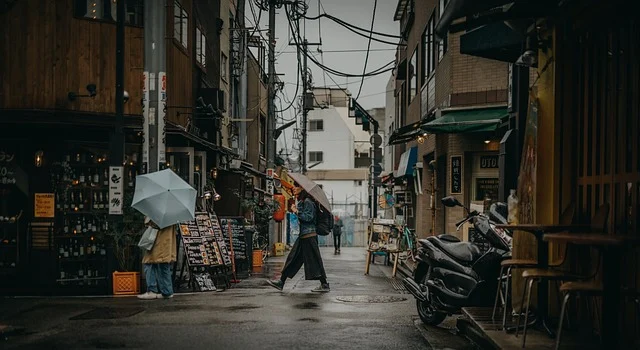
While legacy labels maintain strong global standing, search trends show high demand for cool Japanese streetwear brands. These lean into specific subcultures like retro techwear, vintage repair, and Tokyo skate culture.
Cool niche brands gaining global traction
If you want alternatives to mainstream logos, look into these specialized Japanese labels:
- Needles: Famous for tracksuits featuring papillon butterfly embroidery and reconstructed vintage flannel shirts made under the Rebuild by Needles line.
- Nanamica: Merges classic Ivy League outerwear silhouettes with modern technical fabrics like Gore-Tex and Kodenshi wool.
- South2 West8: Focuses on traditional Japanese fly-fishing apparel (Tenkara), producing technical mesh vests, fleece pullovers, and outdoor camo gear.
- WACKO MARIA: Draws inspiration from rockabilly style, film culture, and vintage vinyl, producing intricate mohair cardigans and rayon Hawaiian shirts.
- Sasquatchfabrix: Blends traditional Japanese garments like kimono collars and haori jackets with contemporary Western skateboarding apparel.
What are the biggest Japanese streetwear brands by global scale?
The biggest Japanese streetwear brands in revenue and footprint differ from small boutiques. Companies like BAPE and Comme des Garçons operate flagship retail hubs across Tokyo, New York, London, and Paris. They also run massive e-commerce networks.
Uniqlo and BEAMS operate as retail powerhouses that sell Japanese streetwear brands online to mass audiences. Uniqlo’s UT graphic tee division regularly collaborates with Japanese street artists and manga creators. Meanwhile, BEAMS maintains dozens of specialized sub-labels covering everything from golf attire to heritage workwear.
What are some good online stores for Japanese streetwear?
The best online stores depend on whether you want current-season drops or multi-brand shipping. You can purchase items directly from official brand portals. Alternatively, choose trusted multi-brand boutiques that manage international shipping and customs processing efficiently.

We recommend checking the following online destinations based on your shopping goals:
- THE SHOP YOHJI YAMAMOTO: The official global portal for Yohji Yamamoto lines, including S’YTE, Ground Y, and Y’s. This site provides direct access to authentic black-label tailoring and draped casualwear.
- Haku Clothing: An authorized global menswear store carrying authentic Japanese heritage and streetwear brands. According to Haku Clothing, they offer worldwide shipping with free shipping thresholds. Orders over $185 qualify, with most US deliveries arriving within approximately five business days.
- Goodhood: A London-based stockist with a dedicated selection of Japanese street style labels. This shop is ideal for European and North American buyers looking for vetted multi-brand orders.
- 2nd STREET USA: A major second-hand retailer operating e-commerce storefronts. These sites carry pre-owned, authentic pieces from Ura-Hara and high-end Japanese labels at reduced prices. Inventory metrics show thousands of indexed items across tops, bottoms, shoes, coats, and accessories.
- HAVEN: A Canadian boutique stockist providing extensive online inventories of technical Japanese labels including WTAPS, NEIGHBORHOOD, and Cav Empt with clear North American customs handling.
- END. Clothing: A global e-commerce platform offering automated currency conversion, clear import tax calculations at checkout, and direct access to new season Japanese drops.
| Online Store | Store Type | Shipping Region Focus | Key Strengths |
|---|---|---|---|
| THE SHOP YOHJI YAMAMOTO | Official Brand Portal | Worldwide | Direct access to official lines (Ground Y, S’YTE) |
| Haku Clothing | Authorized Multi-Brand | Worldwide (Free over $185) | Fast 5-day US delivery, heritage focus |
| Goodhood | Authorized Multi-Brand | UK, Europe, North America | Curated lifestyle and street mix |
| 2nd STREET USA | Authenticated Resale | North America / Global | Huge vintage selection (3,000+ tops, 3,600+ shoes) |
| HAVEN | Authorized Multi-Brand | North America / Global | Strong focus on techwear and military Japanese labels |
How to order Japanese clothing online without sizing mistakes
Sizing is the most frequent issue when ordering Japanese streetwear online. Domestic Japanese sizing generally runs one full size smaller than North American and European standard sizing. It features narrower shoulders and shorter torso lengths.
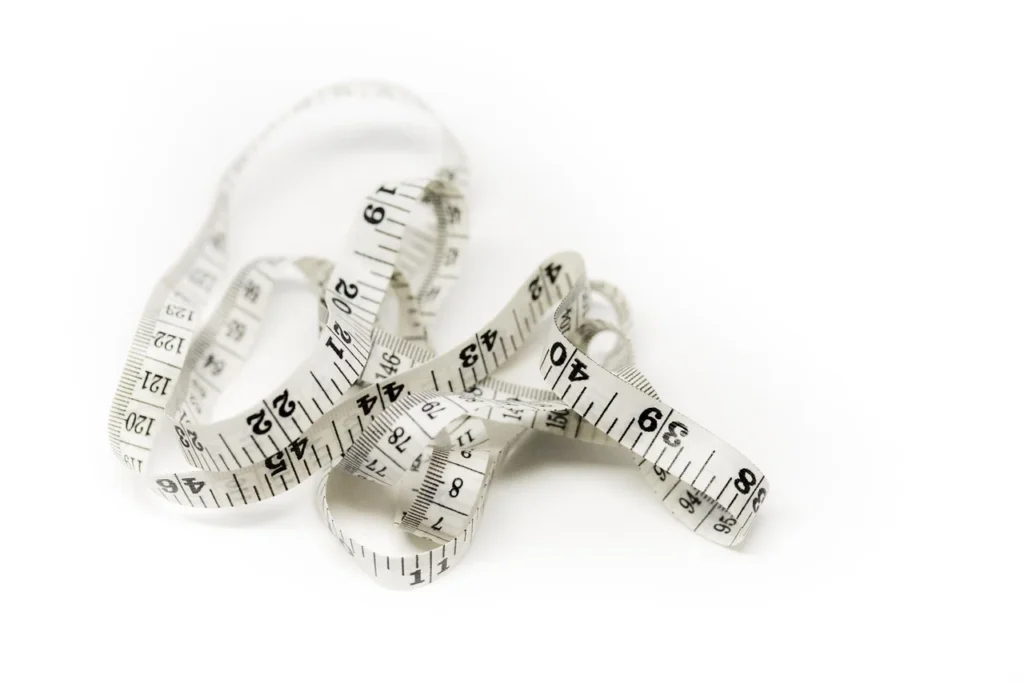
Follow these concrete steps to ensure your online order fits correctly on the first attempt:
- Select a shirt, hoodie, or jacket from your current wardrobe that fits you perfectly, and lay it completely flat on a table.
- Measure the pit-to-pit distance (chest width) in centimeters by laying a tape measure across the front from one armpit seam to the other.
- Next, Measure the total back length in centimeters from the base of the back collar down to the bottom hem.
- Measure the shoulder width across the back from shoulder seam to shoulder seam.
- Check the item listing’s specific garment measurement chart on the store website. Do not rely on labeled tag sizes like M or L. Online sizing guides caution buyers to review item-specific measurements because cut variances occur across slow small-batch production runs.
- If your measured chest width falls between sizes on a Japanese brand’s chart, select the larger size to account for shoulder mobility and potential minor cotton shrinkage.
Worked example: Sizing a Japanese streetwear hoodie
Suppose you normally wear a Western size Medium in standard hoodies. Your favorite fitting hoodie measures 56 cm pit-to-pit and 68 cm in back length. When browsing Japanese streetwear brands online for a Cav Empt or WTAPS hoodie, you inspect the size chart:
- Japanese Size M: Pit-to-pit 53 cm, Length 65 cm (Too small: will feel tight across shoulders and sit high on hips).
- Also, Japanese Size L: Pit-to-pit 57 cm, Length 69 cm (Correct fit: matches your flat-lay measurements with 1 cm of comfortable room).
- Japanese Size XL: Pit-to-pit 61 cm, Length 72 cm (Oversized fit: choose this only if you want an exaggerated drop-shoulder silhouette).
When your measurements match the online chart’s specifications, you can proceed with confidence. If an online shop provides only generic size tags without chest and length dimensions in centimeters, contact customer support for specific garment measurements before purchasing.
Common mistakes when buying Japanese streetwear online
A common mistake is assuming all Japanese fashion centers around loud graphic tees and bright logos. While Ura-Hara pop culture pioneered graphic iconography through brands like BAPE, a vast portion of Japanese streetwear brands found online centers on subtle textile weight, natural dyes, and workwear construction.

Another error involves ignoring import duties and local customs procedures. Buying directly from japanese streetwear brands online may incur additional import tariffs or taxes upon arrival depending on your country’s trade thresholds (such as the US $800 de minimis limit). Ordering through established international retailers like Haku Clothing or domestic secondary markets helps mitigate unexpected customs delays.
Avoid unverified third-party marketplace storefronts or social media sellers. Counterfeit garments are common in vintage markets and Japanese streetwear brands online, especially for BAPE shark hoodies, Kapital bone cardigans, and visvim footwear. Stick to official brand portals, authorized global retailers, or secondary shops like 2nd STREET USA that actively verify pre-owned items.
Finally, watch out for fabric care instructions when buying from Japanese streetwear brands online. Many Japanese streetwear items use natural indigo dyes, heavy Sanforized raw denim, or delicate loopwheel cotton knits. Washing these garments in hot water or putting them in high-heat tumble dryers will shrink the fabrics severely and strip natural indigo shades onto lighter clothing.
Who should avoid buying direct Japanese streetwear online?
While acquiring authentic Japanese streetwear online offers unique style options, this buying process does not suit every shopper:
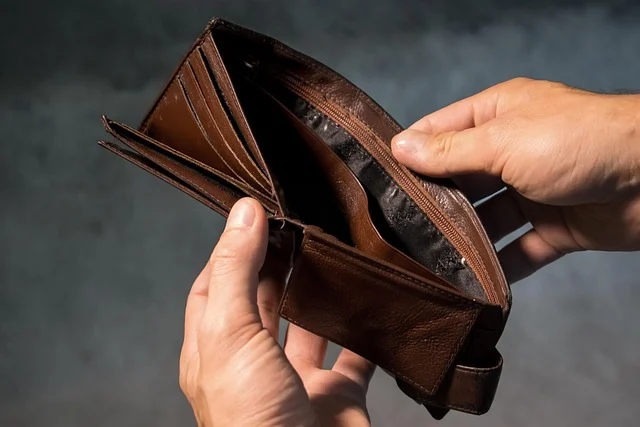
- Budget shoppers seeking low prices: Authentic Japanese streetwear relies on specialized milling, small-batch dyeing, and premium domestic labor. Outerwear and denim often carry high price points that do not match tight budgets.
- Buyers needing immediate, free returns: Returning international orders to overseas stockists often requires paying high return shipping costs ($30–$60 USD) plus non-refundable customs duties.
- Shoppers who refuse to take manual measurements: If you rely strictly on standard tag sizes (S/M/L) without measuring existing clothes, you risk frequent sizing errors due to variance in Japanese domestic cuts.
Frequently asked questions
What are the top 10 Japanese streetwear brands?
The top 10 Japanese streetwear brands include BAPE, NEIGHBORHOOD, WTAPS, Undercover, Cav Empt, visvim, Kapital, Sacai, Yohji Yamamoto, and BEAMS.
What are some good online stores for Japanese streetwear?
Good online stores include official brand sites like THE SHOP YOHJI YAMAMOTO, authorized global stockists like Haku Clothing, Goodhood, and HAVEN, alongside authenticated resale portals like 2nd STREET USA.
What is the best online shop for Japanese clothing?
The best online shop depends on your style goal. Haku Clothing offers curated menswear and workwear with clear shipping terms and free delivery options, while official portals like THE SHOP YOHJI YAMAMOTO offer direct access to authentic avant-garde collections.
How do Japanese streetwear sizes compare to US sizing?
Japanese domestic streetwear sizing generally runs one full size smaller than standard US and European sizing. A Japanese size Large typically aligns with a US size Medium in chest width, sleeve length, and torso height.
Is showing cleavage in Japan bad?
Modesty norms in Japanese daily fashion generally favor higher necklines over showing cleavage, focusing style expressions on silhouette, layering, and relaxed fits rather than exposed chest areas.