












Finding the best men’s necklace involves selecting the right chain style, length, metal, and pendant ratio for your body frame and shirt collar. A versatile collection starts with standard 20-inch chains in sterling silver or 316L stainless steel, paired with Cuban or box link builds that suit daily wear without tangling.
A well-chosen chain serves as a foundational piece of personal style, anchoring casual tees, open collars, and formal tailoring alike. Necklaces have shifted from understated accents to defining elements of modern menswear design. Choosing the wrong metal, length, or link thickness, however, can overwhelm your posture or cause uncomfortable pinching. This guide covers how to choose, pair, layer, and maintain every major style of men’s necklace.
How to choose the right necklace chain length
Chain length dictates where the pendant or chain rests on your chest, drastically altering how your torso and neck appear. Men’s necklaces generally range from 16 to 30 inches. Choosing the right length requires measuring your shirt collar size and understanding where each length sits on a standard torso.
- 16-Inch Chains: Sitting tightly at the base of the throat, a 16-inch chain acts as a choker on standard necks. It sits above the collarbone and is visible with almost any neckline. This length works best for slender builds with neck sizes under 15 inches, or for wearing thin, minimalist chains that stay high on the neck.
- 18-Inch Chains: Sitting precisely at the base of the neck, an 18-inch length rests just along the collarbone. It remains visible above the collar of an open button-down shirt or a shallow crew neck tee. If you have a muscular or wide neck (collar size 17 inches or larger), an 18-inch chain will fit tight like a choker.
- 20-Inch Chains: Positioned at the top of the sternum, between the collarbone and the center of the chest, the 20-inch chain is the standard length for most men. It sits comfortably inside or outside a crew neck t-shirt and provides optimal drop for medium-sized pendants.
- 22-Inch Chains: Falling onto the middle of the sternum, a 22-inch chain rests a couple of inches below the collarbone. This length provides enough room to slip over the head without undoing the clasp on many men. It is the ideal secondary layer when pairing with an 18-inch or 20-inch chain.
- 24-Inch Chains: Hanging near the lower chest or top of the ribcage, a 24-inch chain is best suited for larger pendants, heavy medallions, or wearing over hoodies and sweaters. It pulls visual focus lower down the torso.
- 26 to 30-Inch Chains: Falling below the sternum toward the midsection, these long chains are common in streetwear styling. They are designed to be worn over clothing and work best with heavy, statement links or large dog tags.
When choosing chain thickness, scale the millimeter width to your body frame and intended use:
- 1mm to 2mm (Micro): Delicate and lightweight. Best for holding small, light pendants without drawing attention to the chain itself.
- 3mm to 4mm (Standard): The most versatile thickness range for daily wear. Strong enough to support medium pendants while substantial enough to wear alone.
- 5mm to 8mm (Medium Bold): Bold visual weight. Worn almost exclusively as standalone chains without pendants.
- 9mm and larger (Statement): Heavy, chunky chains designed as a central visual focus piece.
Which chain style best fits your personal look?
The link construction of a chain defines its flexibility, light reflection, durability, and general aesthetic. Understanding structural differences helps you select a style that matches your aesthetic and functional demands.
Cuban link and curb chains
Cuban link chains feature interlocking round or oval links that lay flat against the chest. A variation of the curb chain, the Cuban link features thicker, rounded sidewalls that give it a weightier, three-dimensional look. The flat surfaces are often diamond-cut to catch light from multiple angles. Cuban links are renowned for their structural strength, resisting twisting and kink damage better than most decorative chains.
Figaro chains
Originating in Italy, the Figaro chain follows a repeating pattern: three short circular links followed by one elongated oval link. This geometric rhythm gives the Figaro an ornate, refined texture. It offers a classic, vintage look that stands out as a standalone piece in 3mm to 6mm widths and pairs exceptionally well with unbuttoned collared shirts.
Rope chains
Rope chains consist of small metal rings linked sequentially and twisted to form a pattern that resembles a helical fiber rope. Diamond-cut rope chains reflect light constantly as they move, creating a sparkling sheen. Solid gold or silver rope chains are exceptionally durable and hold heavy pendants well. However, hollow rope chains can dent under pressure, and fine-gauge rope chains may occasionally catch small chest hairs.
Box chains
Box chains are constructed from square metallic links fitted closely together, creating a continuous four-sided geometric tube. Box chains offer exceptional tensile strength relative to their width, making them the most reliable choice for suspended pendants. Their smooth, flat edges produce a clean, modern aesthetic that resists tangling.
Snake chains
Snake chains consist of tightly fitted metallic rings or bands forming a flexible, smooth cylinder with no visible gaps between links. The resulting chain looks like a solid band of metal with fluid movement similar to serpent skin. Snake chains rarely catch on clothing, but because of their rigid internal structure, sharp folds or crushing can create permanent kinks that cannot be repaired without replacing links.
Franco and wheat chains
Franco chains use interlocking V-shaped links arranged in a four-sided pattern that resembles a box chain with woven detail. They are virtually impossible to kink and offer superior weight capacity for heavy pendants. Wheat chains (also called Spiga chains) feature four strands of interwoven oval links that create a braided strand resembling heads of wheat. Both options provide high strength and intricate metallic texture.
Comparing popular men’s chain styles
The structural layout of each chain style influences its daily durability, pendant load capacity, and aesthetic flexibility. The table below compares the primary chain builds available to help you make an informed selection.
| Chain Style | Link Structure | Durability & Strength | Pendant Suitability | Best Wear Style |
|---|---|---|---|---|
| Cuban Link | Interlocking flattened oval links | Very High | Medium to High (depending on width) | Standalone statement or casual layer |
| Figaro | 3 short round links + 1 long oval link | High | Moderate | Standalone open-collar accent |
| Rope Chain | Twisted spiral wire rings | High (Solid) / Low (Hollow) | Very High | Pendant holder or textured accent |
| Box Chain | Interconnected square boxes | Very High | Excellent (Best overall) | Pendant chain or clean layer |
| Snake Chain | Tightly fitted smooth metal bands | Moderate (Kink prone) | High (Sleek look) | Minimalist single chain or small pendant |
| Franco | Four-sided woven V-shaped links | Extremely High | Excellent for heavy pieces | Heavy pendants or premium standalone wear |
Selecting metals and necklace materials
Metal choice directly impacts your necklace’s maintenance routine, shine, weight, and long-term durability. Selecting the right metal depends on your budget, skin sensitivity, and wear habits.
Sterling silver
Sterling silver (. It provides a bright, classic white-metal shine at an accessible price point. However, silver reacts with airborne sulfur and moisture, causing tarnish (silver sulfide) over time. Regular wiping with a microfiber or silver polishing cloth restores its shine quickly.
Gold alloys and plating types
Gold jewelry availability spans several purities and construction methods:
- 14k Gold: Composed of 58.3% gold and 41.7% alloy metals. Solid 14k gold offers an optimal ratio of pure gold luster to daily wear durability, resisting dents far better than softer 18k or 24k pieces.
- 18k Gold: Contains 75% pure gold. It provides a deeper, warmer yellow color but is softer and more prone to surface scratches.
- White Gold: Pure gold alloyed with nickel, palladium, or zinc, usually finished with rhodium plating. Rhodium-plated white gold delivers a cool, reflective surface resembling platinum at a lower weight and cost.
- Gold Plated vs Gold Filled vs Vermeil: Gold-plated chains feature a microscopic layer of gold over brass or copper that wears off rapidly with sweat contact. Gold-filled chains feature a thick layer of gold mechanically bonded to a base metal, lasting years without rubbing off. Gold vermeil consists of a thick gold layer (at least 2.5 microns) electroplated specifically over sterling silver.
Modern alternative metals
Alternative metals like titanium and tungsten carbide appeal to men seeking heavy-duty pieces with hypoallergenic properties.
- 316L Stainless Steel: Surgical-grade stainless steel is rust-proof, tarnish-proof, and budget-friendly. It resists sweat and pool chlorine without discoloring skin.
- Titanium: Extremely lightweight—roughly 45% lighter than steel—with high structural strength and a charcoal-grey tone. Titanium is completely hypoallergenic.
- Tungsten Carbide: Virtually scratch-proof with a heavy, dense feel and dark metallic tone. However, tungsten is brittle under direct impact against hard surfaces and cannot be soldered or resized.
Leather cords
Leather necklace cords offer an organic, casual contrast to metal chains. They work well with wooden, bone, or raw metal pendants. Leather requires protection from water, as prolonged exposure to sweat, showers, or ocean saltwater strips natural oils, causing the cord to dry, crack, and snap over time.
Choosing pendants and balancing chain proportions
Pendants add focal point detail and personal identity to a chain. Common pendant styles include:
- Dog Tags: Inspired by military identification tags, available in polished, brushed, or matte finishes.
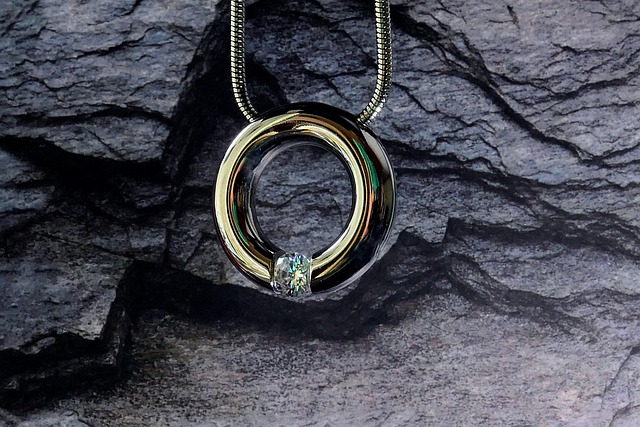
- Geometric Bars and Shapes: Minimalist bars, circles, and 3D cubes offering clean lines without heavy symbolism.
- Religious and Heritage Symbols: Crosses, saint medals, crescents, Celtic knots, and ancient coin replicas reflecting personal heritage or faith.
- Initial and Engraved Medallions: Custom engraved discs or typography tags that add individual meaning.
To maintain visual balance, match the pendant weight to the chain thickness:
- Small pendants (under 15mm tall) pair best with 1.5mm to 2.5mm box, rope, or cable chains.
- Medium pendants (15mm to 30mm tall) require 2.5mm to 4mm chains to prevent the pendant bail from pinching or binding.
- Heavy pendants (over 30mm tall) require sturdy 4mm to 6mm Cuban, Franco, or wheat chains capable of supporting the static load without stretching link joints.
How to layer multiple necklaces without tangling
Layering necklaces allows you to combine contrasting textures, like pairing a smooth box chain with a twisted rope chain, to build depth across your chest. Follow these practical steps to layer successfully without creating a tangled mess:
- Establish vertical spacing: Maintain a minimum gap of 2 inches between chains. For example, pair an 18-inch top chain with a 20-inch or 22-inch bottom chain. This spacing keeps clasps and focal points from bumping into each other.
- Vary chain widths and link styles: Stacking two identical 4mm Cuban chains causes links to catch and lie unevenly. Combine a flat style (like a Cuban or Figaro) with a textured style (like a rope or box chain).
- Limit pendants to one focal point: Wearing multiple pendants causes them to collide, clatter, and tangle clasps. Rest pendant weight on the longest chain, keeping shorter chains clean and unadorned.
- Match metal color temperatures: Sticking to all-cool tones (silver, white gold, stainless steel) or all-warm tones (yellow gold, rose gold) ensures cohesive styling. If mixing metals intentionally, limit the combination to two tones and ensure one metal dominates the ensemble.
- Use a multi-strand clasp spacer: If chains twist around each other during wear, attach both chains to a magnetic or barrel multi-chain clasp separator behind your neck.
Matching necklaces to shirt necklines and occasions
Your shirt collar framing determines how much of your necklace shows and where the visual focus lies.
- Crew Necks: Wear a 20-inch or 22-inch chain outside the collar to frame the neckline, or wear an 18-inch chain tucked inside so only a subtle glint shows at the collar seam.
- V-Necks and Henleys: Unbuttoned Henleys and V-neck tees create a natural triangular frame. An 18-inch or 20-inch chain with a pendant sits cleanly in the center of exposed skin without dropping below the shirt line.
- Button-Down Shirts: Leaving one or two buttons open creates a sharp, smart-casual look. An 18-inch or 20-inch chain resting on the collarbone adds understated accent without looking cluttered. Keep chain thickness under 4mm for office settings.
- Formal Suiting: For formal events, simplicity is key. A single 1.5mm to 3mm gold or silver chain tucked neatly inside a dress shirt collar provides an understated touch of elegance. Avoid chunky Cuban chains or multiple layered cords in black-tie settings.
Maintaining your necklaces and avoiding skin irritation
Proper maintenance keeps metal chains shining and prevents skin reactions caused by trace metals.
Cleaning different metals
Sterling silver benefits from soaking in warm water mixed with mild dish soap. Use a soft toothbrush to clean between link joints, rinse thoroughly, and dry with a lint-free cloth. Use a silver polishing cloth to remove tarnish build-up. Gold and stainless steel require only a soft cloth dampened with mild soap water, as stainless steel requires no anti-tarnish polishes. Leather cords should be wiped clean with a dry microfiber cloth and conditioned every few months to preserve flexibility.
Preventing tangles and storage damage
Store necklaces individually in soft fabric pouches or hang them vertically on dedicated hooks. When traveling, thread fine chains through a paper drinking straw before fastening the clasp to prevent tight knots from forming in transit.
Preventing skin irritation and green skin discoloration
Green discoloration on skin stems from copper content reacting with moisture, sweat, and acidity in body chemistry. Copper is frequently alloyed with cheap brass base metals or low-grade silver. Red or itchy rashes are typically caused by nickel sensitivity, a very common metal allergy. To prevent reactions:
- Choose nickel-free metals such as 316L surgical stainless steel, solid 14k or 18k gold, titanium, or sterling silver marked nickel-free.
- Avoid base-metal costume jewelry or cheap copper-core gold plating.
Frequently asked questions
What is the standard necklace length for men?
The standard necklace length for most men is 20 inches, which sits comfortably at the top of the sternum. This length works cleanly inside or outside a crew neck t-shirt and accommodates most pendant sizes.
Can you shower or swim with a men’s necklace on?
Solid gold, 316L stainless steel, and titanium withstand water without damage, but ocean salt and pool chlorine can dull finishes and erode silver or gold plating over time. Leather cords, hollow chains, and silver pieces should always be removed before showering or swimming.
How do you stop multiple layered necklaces from tangling?
Maintain at least a two-inch length difference between layered chains, and pair different chain styles like a smooth box chain with a heavy Cuban link. Using a multi-strand necklace clasp separator at the nape of the neck also keeps individual strands isolated.
Which necklace chain style is the strongest for everyday wear?
Box, Franco, and solid Cuban link chains offer superior tensile strength and link durability for daily use. Their tight, reinforced link structure resists snagging, twisting, and snapping under weight.


