













A basic skin care routine follows five sequential steps: cleanser, toner, targeted treatment serum, moisturizer, and daily sunscreen in the morning. At night, the routine follows the same order—cleanser, toner, treatment, moisturizer—while omitting sunscreen and optionally adding double cleansing or retinoids for skin repair.
Building an effective daily routine requires understanding how product formulas interact with your skin barrier. Applying products in the correct order ensures active ingredients penetrate deep into the epidermis without being blocked by heavier creams or oils.
What is the thinnest-to-thickest layering rule?
Order your skin care routine steps from the thinnest, most water-based consistency to the thickest, most lipid-dense consistency. Water-based products with small molecular structures cannot penetrate heavy oils or occlusives. If you apply thick moisturizer before fluid vitamin C serum, the serum sits on the barrier and evaporates without absorbing.
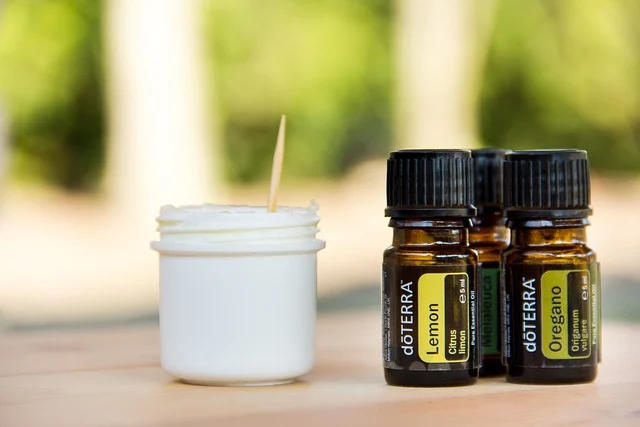
The correct sequence moves through three distinct phases:
- Preparation: Water-based cleansers and hydrators that clean the skin surface and elevate moisture levels.
- Correction: Concentrated serums and active treatments designed to reach targeted epidermal layers.
- Protection: Emulsions, creams, oils, and sunscreens that seal in active ingredients and defend against trans-epidermal water loss and external damage.
What are the correct morning skin care routine steps?
Your morning routine focuses on defending the skin against ultraviolet radiation, pollution, and oxidation. Daytime skin care steps prioritize hydration and environmental protection over intensive cellular turnover.
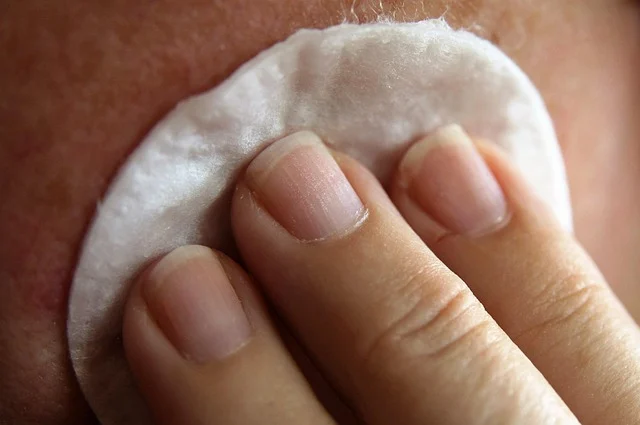
Step 1: Water or gentle cleansing
Morning cleansing removes excess sebum, sweat, and residue from night creams accumulated during sleep. If you have dry or sensitive skin, rinsing with lukewarm water may suffice. For oily or acne-prone skin, use a gentle gel or cream cleanser to remove overnight oil build-up without stripping natural lipids.
Step 2: Hydrating toner or essence
A hydrating toner rebalances skin pH after cleansing and delivers water-binding humectants like glycerin, hyaluronic acid, or panthenol. Damp skin is significantly more permeable than dry skin, allowing subsequent serums to spread evenly and absorb efficiently.
Step 3: Antioxidant treatment serum
Antioxidants neutralize free radicals generated by UV exposure and air pollution. Apply 3–5 drops of L-ascorbic acid (pure Vitamin C) or derivative serums like sodium ascorbyl phosphate directly to damp skin. Pairing Vitamin C with ferulic acid and Vitamin E stabilizes the formula and enhances photo-protection when worn under sunscreen.
Step 4: Eye cream
The skin around the eyes is the thinnest on the face and lacks dense sebaceous glands. Apply a small pea-sized amount of eye gel or cream using your ring finger, gently tapping along the orbital bone. Lightweight formulas with caffeine help constrict blood vessels to reduce morning puffiness, while peptides support collagen structure.
Step 5: Moisturizer
Moisturizer reinforces the skin barrier by supplying lipids and sealing in moisture. For oily skin, choose an oil-free gel-cream rich in niacinamide or hyaluronic acid. For dry skin, opt for a lotion containing ceramides, squalane, or cholesterol to restore natural lipid balance.
Step 6: Broad-spectrum sunscreen
Sunscreen is non-negotiable. Broad-spectrum protection defends against both UVA rays (which penetrate deep into the dermis and accelerate premature aging) and UVB rays (which cause surface sunburn). Apply a full nickel-sized amount (or two finger-lengths) of broad-spectrum SPF 30 or higher as your final step. Allow sunscreen to set for 10–15 minutes before applying cosmetics.
What is the correct evening skin care routine order?
While you sleep, skin blood flow increases and cell regeneration accelerates. The evening routine focuses on thorough cleansing, repairing environmental damage, and stimulating cell turnover.

Step 1: First cleanse (Makeup and sunscreen removal)
Standard water-based cleansers cannot break down water-resistant sunscreen formulas, silicone-based cosmetics, or daily environmental grime. Use an oil cleanser, cleansing balm, or micellar water to dissolve lipophilic surface debris. Massage the oil cleanser onto dry skin for 60 seconds before emulsifying with warm water and rinsing clean.
Step 2: Second cleanse
Follow your oil cleanser with a water-based gel, foam, or cream cleanser to clean the bare skin surface and flush out pores. This double cleansing method ensures subsequent treatments absorb without obstruction. According to the American Academy of Dermatology, washing gently without scrubbing prevents barrier damage while maintaining clear pores.
Step 3: Exfoliating or hydrating toner
On nights when you do not use strong retinoids, apply an exfoliating toner containing chemical exfoliants 1–3 times per week:
- Alpha Hydroxy Acids (AHAs): Glycolic acid and lactic acid dissolve intercellular glue to shed dry surface cells and restore radiance.
- Beta Hydroxy Acids (BHAs): Salicylic acid is lipid-soluble, allowing it to penetrate oil-filled pores to treat blackheads and active breakouts.
- Poly Hydroxy Acids (PHAs): Gluconolactone offers mild exfoliation with larger molecular structures suitable for sensitive skin.
Step 4: Active treatments and retinoids
Retinoids (including over-the-counter retinol, retinaldehyde, and prescription tretinoin) speed up cellular turnover and boost collagen production. Apply a pea-sized amount to completely dry skin to minimize stinging and irritation. If your skin is sensitive, pair retinoids with a barrier serum containing niacinamide, panthenol, or centella asiatica.
Step 5: Night moisturizer or night cream
Apply a richer night cream to support nighttime barrier repair. Ingredients such as ceramides, fatty acids, shea butter, and jojoba oil reinforce lipid structures. For extremely dry skin, an optional final seal using an occlusive ointment like petrolatum (often called “slugging”) locks in hydration overnight. Avoid petrolatum over active retinoids or strong acids, as it increases ingredient potency and triggers severe irritation.
How to tailor skin care steps to your specific skin type
Product selection depends heavily on skin type. Using heavy occlusives on oil-dense skin clogs pores, while aggressive foaming cleansers on dry skin cause redness and flaking.

To identify your skin type, wash your face with a gentle cleanser, pat dry, and leave bare for 30 minutes. If skin feels tight and looks dull, it is dry. If the T-zone and cheeks shine, it is oily. If the T-zone shines while cheeks feel dry, it is combination. If skin stings or reddens easily, it is sensitive.
| Skin Type | Cleanser Type | Key Active Serum | Moisturizer Texture | Sunscreen Formula |
|---|---|---|---|---|
| Dry | Non-foaming lotion or cream cleanser | Hyaluronic acid, glycerin, ceramides | Rich lipid cream with squalane | Hydrating mineral or hybrid SPF 30+ |
| Oily | Gentle foaming or gel cleanser | Niacinamide (2–5%), zinc, azelaic acid | Lightweight oil-free fluid or gel-cream | Matte-finish fluid chemical SPF 30+ |
| Combination | Balanced gel cleanser | Niacinamide, low-dose hyaluronic acid | Light lotion (rich cream on dry spots only) | Sheer fluid sunscreen |
| Sensitive | Fragrance-free creamy cleanser | Centella asiatica, panthenol, colloidal oatmeal | Minimalist ceramide cream | 100% Zinc oxide physical SPF 30+ |
| Acne-Prone | Salicylic acid gel cleanser | Azelaic acid (10%), salicylic acid, benzoyl peroxide | Non-comedogenic oil-free lotion | Fluid oil-free non-comedogenic SPF 30+ |
Which active ingredients can and cannot be combined?
Combining too many powerful ingredients simultaneously degrades the skin barrier and leads to inflammation. Understanding active ingredient compatibility keeps your routine effective and safe.
Synergistic combinations that work well together
- Vitamin C + Sunscreen: Vitamin C neutralizes free radicals that penetrate UV filters, boosting total sun protection during daytime hours.
- Retinol + Niacinamide: Niacinamide strengthens the lipid barrier and reduces the scaling and redness associated with starting retinoids.
- Hyaluronic Acid + Ceramides: Hyaluronic acid draws moisture into the epidermal layers, while ceramides seal the barrier to prevent water loss.
Incompatible combinations to separate
- Retinoids + AHA/BHA Acids: Using glycolic acid or salicylic acid in the same routine as retinol causes excessive exfoliation, severe stinging, and barrier destruction. Use acids on alternate nights.
- Pure Vitamin C + Retinol: L-ascorbic acid requires a low pH (under 3.5) to absorb, whereas retinoids require a neutral pH. Use Vitamin C in the morning and retinol at night.
- Benzoyl Peroxide + Retinol: Benzoyl peroxide oxidizes pure retinol, rendering both actives ineffective when applied together.
Common skin care routine mistakes and how to fix them
Improper application methods can ruin an otherwise excellent skincare regimen. Adjusting a few daily habits prevents irritation and maximizes product efficiency.
1. Over-exfoliating the skin barrier
Using exfoliating scrubs, acid toners, and cleansing brushes simultaneously damages the stratum corneum. Symptoms include burning when applying gentle products, unnatural shine without oiliness, and sudden breakouts. If this happens, eliminate all active exfoliants and retinoids for 2–4 weeks. Stick to a simple cleanser, ceramide moisturizer, and physical sunscreen until the barrier repairs itself.
2. Applying hyaluronic acid to bone-dry skin
Hyaluronic acid is a powerful humectant that draws water from its surroundings. If applied to dry skin in a low-humidity climate, it draws water out of the deeper dermal layers, worsening dryness. Always mist your face with water or apply a hydrating toner before putting on hyaluronic acid serums.
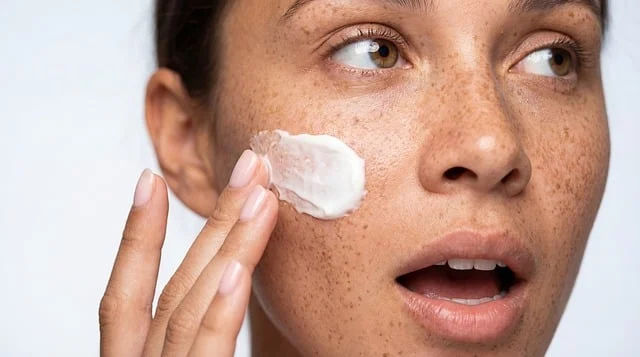
3. Rubbing products aggressively into skin
Vigorous rubbing stretches delicate skin tissue and creates friction that inflames active breakouts. Warm creams between your fingertips and gently press them into your face and neck using upward fluid movements.
4. Neglecting the neck and chest
The skin on the neck and décolletage has fewer oil glands than the face and shows premature signs of photo-aging early. Extend every skincare step—cleansing, serum application, moisturizing, and especially sunscreen—down to the collarbone.
5. Expecting instant results
Cellular turnover takes approximately 28 days in young adults and up to 45 days in mature skin. Hyperpigmentation, fine lines, and acne require 6 to 12 weeks of daily consistency before visible improvements appear. Switching products every few days causes unnecessary irritation without giving actives time to work.
Who should skip or modify standard skincare steps?
Complex multi-step routines are not appropriate for every skin condition. Modifying or simplifying steps prevents exacerbating existing dermatological issues.

- Active Rosacea: Skip chemical exfoliants, hot water cleansers, and fragranced serums. Stick to ultra-gentle cleansers, soothing azelaic acid, and 100% zinc oxide physical sunscreens.
- Eczema and Atopic Dermatitis: Omit active resurfacing treatments entirely during flare-ups. Prioritize ointment-based moisturizers containing petrolatum, ceramides, and colloidal oatmeal.
- Minimalist Routine Seekers: If a 6-step process feels overwhelming, stick to the core three steps: a gentle cleanser, moisturizer, and daily SPF. This core triad delivers 80% of necessary skin maintenance. Overall health and systemic hydration also support skin functions; the World Health Organization highlights adequate hydration as an essential component of overall physical health.
Frequently asked questions
What order should I apply my skincare products?
Apply products from thinnest to thickest consistency. Start with a cleanser, followed by toner, serum treatment, eye cream, moisturizer, and sunscreen in the morning.
How long should I wait between skincare steps?
Most hydrating steps can be applied back-to-back on damp skin. Wait 1–2 minutes for serums to absorb before applying moisturizer, and allow sunscreen to set for 10–15 minutes before applying cosmetics.
Can I use the same moisturizer for day and night?
Yes, provided it does not contain SPF at night or heavy occlusives that disrupt daytime cosmetic application. Many people prefer a lightweight lotion for daytime and a richer cream for evening repair.
How often should I exfoliate my face?
Most skin types benefit from chemical exfoliation 1 to 3 times per week. Over-exfoliating damages the moisture barrier and increases sensitivity.
How long does it take to see results from a new skin care routine?
Hydration improvements can appear within a few days, but treating acne, dark spots, or fine lines typically takes 6 to 12 weeks of consistent daily application.
Establishing a disciplined daily routine adapted to your skin type protects against environmental aging and sustains skin health over time.


