
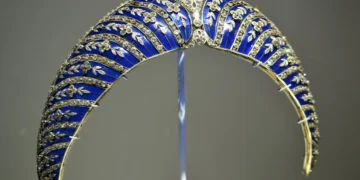






Fashion jewelry, also known as costume jewelry, refers to decorative accessories crafted from non-precious base metals, synthetic gems, glass, or resin rather than costly gold, platinum, or natural diamonds. Designed primarily to reflect current fashion trends and complement outfits, it offers affordable, versatile, and expressive style options without requiring a significant financial investment.
Historically, body ornamentation served as a direct display of wealth, status, and material lineage. During the early twentieth century, design pioneers such as Coco Chanel and Elsa Schiaparelli challenged this norm. They paired faux pearls, molded glass, and polished brass with everyday wardrobe pieces. They argued that accessories should harmonise with an ensemble’s color, cut, and movement rather than function as a bank vault on display. This conceptual shift transformed affordable accessories from mere imitations of precious gems into a distinct category of wearable art.
Today, fashion jewelry spans everything from fast-fashion retail items to avant-garde designer runway pieces. Modern manufacturing techniques, including physical vapor deposition and precision laser cutting, allow designers to create intricate, durable accessories. These pieces rival high-end fine pieces in visual presence.
How fashion jewelry differs from fine and bridge jewelry
Understanding where fashion jewelry sits in the market requires looking at the three distinct tiers of modern accessory design: fine jewelry, bridge (or semi-fine) jewelry, and fashion jewelry. Each tier fulfills a different role in a collection, defined by material composition, price point, and longevity.
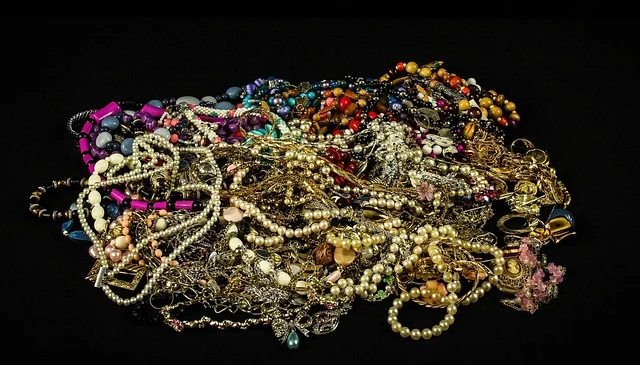
Fine jewelry occupies the highest tier. Artisans craft it exclusively from precious metals—such as 14k, 18k, or 24k solid gold, platinum, and 925 sterling silver—paired with natural precious gemstones like diamonds, sapphires, rubies, and emeralds. Fine pieces are built for permanent wear, resist corrosion naturally, and maintain intrinsic material value over generations. People often purchase them to celebrate milestones or pass them down as heirlooms.
Bridge jewelry, often termed semi-fine jewelry, bridges the gap between luxury and accessibility. It utilizes demi-precious materials, such as sterling silver plated with gold vermeil. Alternatively, gold-filled constructions pair with semi-precious natural stones like amethyst, turquoise, quartz, and cultured freshwater pearls. Bridge jewelry offers higher resistance to tarnish than standard plated items. It remains far more affordable than solid gold fine jewelry.
Fashion jewelry prioritizes visual design, color, and trend relevance over intrinsic material value. It relies on non-precious base metals—such as brass, zinc alloy, copper, or stainless steel. These metals receive thin decorative surface plating and adornments like simulated gems, cubic zirconia, or synthetic polymers. Because these materials are inexpensive and widely available, fashion jewelry allows for bold silhouettes and frequent wardrobe updates without substantial monetary risk.
| Category | Primary Base Materials | Surface Finishing | Typical Gemstones & Accents | Resale & Intrinsic Value |
|---|---|---|---|---|
| Fine Jewelry | Solid 14k/18k Gold, Platinum, Fine Silver | Solid metal throughout, polished or textured | Natural diamonds, sapphires, rubies, emeralds | High intrinsic worth; retains or appreciates over time |
| Bridge Jewelry | 925 Sterling Silver, Gold Fill | Gold Vermeil, heavy electroplating (2.5+ microns) | Natural quartz, topaz, amethyst, freshwater pearls | Moderate material worth based on silver content |
| Fashion Jewelry | Brass, Zinc Alloy, Copper, Stainless Steel | Flash gold plating, silver tone, rhodium finish, e-coating | Cubic zirconia, glass, acrylic, resin, faux pearls | No intrinsic material worth; value lies in design |
Key materials used in modern fashion jewelry
The flexibility of fashion jewelry stems directly from its expansive material palette. Unconstrained by the scarcity of precious metals, manufacturers select materials based on malleability, weight, structural integrity, and color payoff.
Base metals
- Brass: An alloy of copper and zinc, brass is the most common metal base in mid-range fashion jewelry. It is highly malleable, easily accepts complex casting details, and shares a natural warm color similar to gold. However, unplated brass oxidizes when exposed to oxygen and skin acids.
- Zinc Alloy: Lightweight and exceptionally cost-effective, zinc alloy is commonly used for large, intricate die-cast pieces. Examples include chunky statement necklaces or wide cuff bracelets. It allows for bold shapes without adding uncomfortable physical weight.
- Copper: Prized for its flexibility, copper is often used as a core structure or intermediate bonding layer beneath electroplating. Uncoated copper reacts readily with human sweat, forming copper carbonate. This compound can leave a temporary green mark on skin.
- Stainless Steel: Particularly 316L surgical grade steel, stainless steel has become a preferred base material for modern everyday fashion jewelry. It is inherently resistant to rust, tarnish, and scratches, making it far more durable than traditional brass or zinc.
Plating finishes and protective coatings
To achieve the lustrous appearance of precious metals, base metal structures undergo surface plating. In electroplating, you submerge the base item in a chemical bath. An electrical current then deposits a microscopic layer of metal onto the surface.
Flash plating applies an ultra-thin layer (under 0.175 microns) of gold or silver. This finish suits fast fashion accessories intended for short-term wear. Higher-grade pieces utilize heavy electroplating or physical vapor deposition (PVD). PVD is a vacuum coating method widely applied to stainless steel. It fuses the color layer directly into the metal surface, dramatically improving scratch and water resistance.
According to a 2025 fashion industry report, the use of hypoallergenic alloys and advanced plating techniques continues to grow. This addresses consumer demand for comfort and longevity. Many manufacturers also apply a clear electrophoretic coating (e-coating) over gold or silver plating. This layer acts as an invisible seal against friction and tarnish.
Stones and decorative embellishments
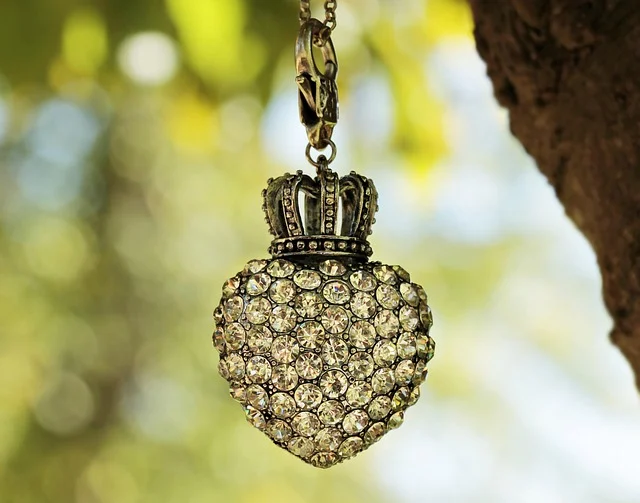
- Cubic Zirconia (CZ): A synthesized hard material that closely emulates the brilliance, clarity, and light refraction of natural diamonds. Manufacturers can produce CZ in virtually any color and cut it into precise faceted shapes.
- Glass and Machine-Cut Crystal: Precision-cut glass beads and rhinestones refract light to provide sparkle in pave settings, drop earrings, and collar necklaces.
- Resin, Acrylic, and Lucite: Moldable synthetic polymers allow designers to create lightweight, vibrant accessories in opaque, translucent, or tortoiseshell finishes.
- Simulated Pearls: Glass, plastic, or shell beads coated with a synthetic pearlized lacquer (nacre) to mimic the lustre of cultured marine pearls at a fraction of the weight and cost.
How fashion jewelry is manufactured
The creation of fashion jewelry blends industrial manufacturing with detail assembly. Understanding how artisans build these pieces clarifies why prices vary and where quality differences lie.
- Design and Prototyping: Designers sketch concept pieces or build 3D computer-aided design (CAD) models. Craftsmen sculpt master molds from metal or wax.
- Casting or Stamping: For structural or sculptural designs, molten base metal is poured into silicone or rubber molds (lost-wax casting). For flat, repetitive components like chain links or stamped pendants, high-pressure industrial dies stamp patterns directly out of metal sheets.
- Surface Polishing: Raw metal castings undergo mechanical tumbling in ceramic or walnut-shell media to strip rough edges. Hand polishing then creates a smooth base for plating.
- Electroplating and Sealing: Cleaned components are immersed in liquid plating tanks containing dissolved gold, silver, or rhodium ions. Electric current bonds the thin metal shell before workers bake a protective e-coating onto it.
- Assembly and Stone Setting: Individual links, jump rings, clasps, and earring posts are joined together. Jewelers secure synthetic gems either using traditional metal prongs or bond them with specialized jeweler’s epoxy.
Why choose fashion jewelry? Benefits and trade-offs
Choosing fashion jewelry is a practical approach to building a dynamic wardrobe. Weighing its creative advantages against its structural limitations helps you make deliberate purchasing decisions.

Key advantages
- Affordable Variety: You can acquire a versatile array of accessories across different colors, textures, and metals. This costs the price of a single solid gold band.
- Rapid Trend Adoption: Fashion jewelry lets you participate in short-term seasonal trends easily. You avoid committing substantial funds to pieces that may feel dated soon.
- Low Risk for Travel: Wearing affordable pieces while traveling or attending crowded outdoor events eliminates stress. It prevents the worry associated with losing costly heirloom jewelry.
- Unrestricted Design Scale: Designers can create dramatic oversized earrings, thick layered chains, or wide collar necklaces using hollow brass or light polymers without making the piece uncomfortably heavy or exorbitantly expensive.
Material trade-offs
- Finite Lifespan: Surface plating eventually wears off from physical friction and chemical exposure, revealing the underlying base metal.
- Inability to Resize or Resolder: Base metals melt unpredictably under a jeweler’s torch. Consequently, broken chains or incorrectly sized rings generally cannot be repaired using standard soldering methods.
- Susceptibility to Oxidation: Exposure to humidity, sweat, perfume, and salt air accelerates tarnishing and surface discoloration.
Common fashion jewelry problems and how to fix them
Because fashion jewelry relies on surface treatments and base alloys, wearers frequently encounter specific minor issues. You can easily prevent or manage most of these problems at home.
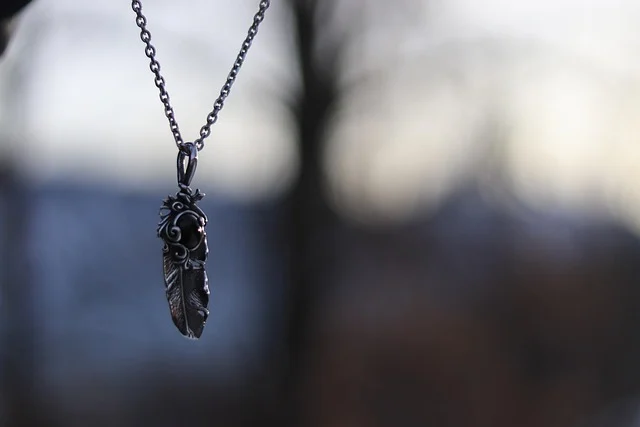
Green skin discoloration
The green stain left on fingers or necks is not an allergic reaction. It is a simple chemical reaction between skin acids, sweat, and the copper present in brass or copper alloys. When copper oxidizes, it leaves a harmless copper carbonate residue on the skin.
The Fix: Paint a thin coat of clear nail polish or specialized jewelry seal polymer on the interior surfaces of rings and bracelet bands that directly touch your skin. Alternatively, choose stainless steel or rhodium-plated items, which prevent direct skin contact with reactive copper alloys.
Skin allergies and contact dermatitis
An allergy to nickel, which manufacturers frequently use as an underlying strengthening layer beneath flash gold plating, usually causes itching, redness, or bumps near ear piercings or necklines.
The Fix: Look for accessories specifically labeled nickel-free or choose pieces constructed from surgical stainless steel (316L), titanium, or niobium. For existing earrings that cause mild discomfort, sliding clear silicone earring post sleeves over the posts can create a effective physical barrier.
Fading plating and dark tarnishing
Plating dulls or darkens when moisture and environmental sulfur react with the metal, or when chemical friction strips away thin surface layers.
The Fix: Apply a thin coat of microcrystalline wax (such as Renaissance Wax) over polished metal surfaces to seal out moisture and airborne sulfur compounds. Always enforce a strict routine of putting your jewelry on last, after applying lotions, makeup, and hairsprays.
Fallen stones and loose jump rings
Synthetic gems bonded with low-grade glue can dislodge if exposed to warm water, and jump rings can gap open under physical strain.
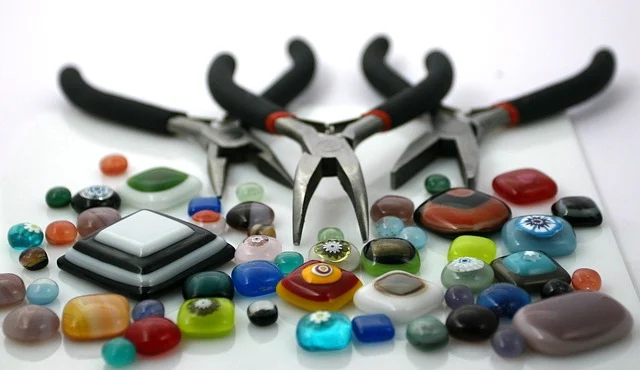
The Fix: Re-attach dislodged cubic zirconia or glass gems using a tiny dab of clear jeweler’s cement (such as G-S Hypo Cement) applied with a toothpick. Use two small pairs of flat-nose pliers to gently twist open jump ring gaps closed without distorting their circular shape.
How to judge quality when buying fashion jewelry
Manufacturers do not build all fashion jewelry to the same standard. Paying attention to a few physical indicators helps you select pieces that maintain their appearance over extended wear.
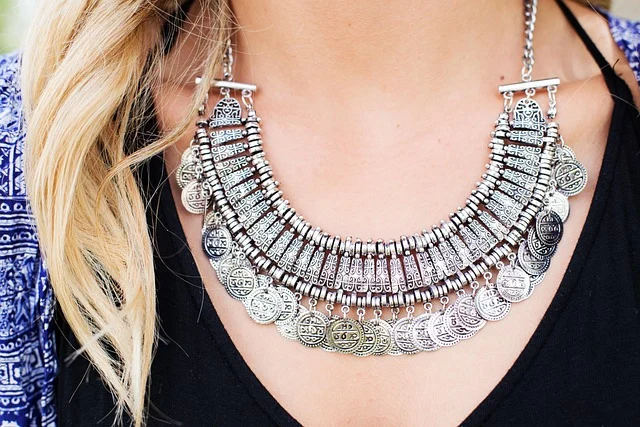
- Examine the Weight and Material Density: Quality fashion pieces made from solid brass or stainless steel have a satisfying, substantial weight. Excessively light, hollow zinc or tin pieces tend to feel brittle and break easily at stress points.
- Inspect Seams and Undersides: High-grade manufacturing shows in clean finishing. Look at the reverse side of pendants and the interiors of rings; surfaces should be smooth, free of sharp casting seams, rough solder joints, or visible glue smears around stone settings.
- Verify Stone Setting Methods: Prong-set or bezel-set cubic zirconia items retain their stones far better than items where stones are simply glued onto flat metal surfaces. Check that prongs are flat against the gem face and not catching on fabric.
- Test Clasp Mechanisms: A durable piece will feature sturdy lobster-claw clasps, fold-over catches, or solid screw-backs rather than flimsy, thin spring-ring clasps that easily pull apart under tension.
- Check Material Disclosures: Reliable accessory brands explicitly disclose their base metals (e.g., “18k gold plated over stainless steel”) and allergen status rather than using vague terms like “metal alloy.”
Practical guide to styling fashion jewelry
Styling fashion jewelry effectively comes down to balance, focal points, and deliberate layering. Because these accessories offer strong visual impact, intentional choices keep an outfit looking curated rather than cluttered.
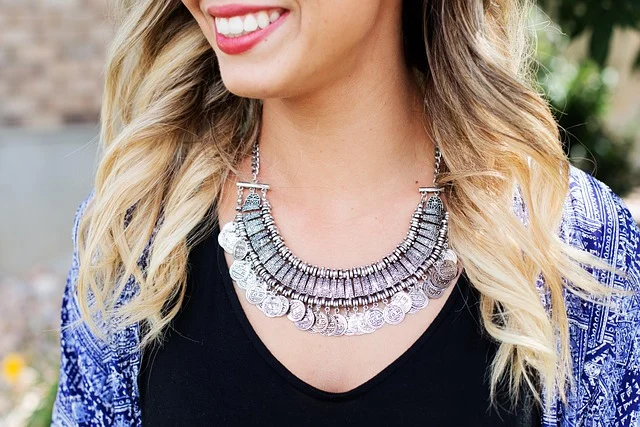
Mastering chain layering
When stacking necklaces, combine two to four chains of varying lengths, thicknesses, and textures to prevent tangling. For example, pair a 14-inch flat snake chain with an 18-inch delicate box chain featuring a pendant, and anchor the set with a 22-inch heavier rope chain. Combining smooth textures with faceted link types creates visual interest without looking chaotic.
Selecting a clear focal point
Avoid wearing multiple large statement pieces simultaneously. If you select a dramatic collar necklace or a heavy layered choker, keep your earwear minimal with simple metal studs. Conversely, if you choose oversized chandelier earrings or wide door-knockers, leave your neckline bare to frame your face cleanly.
Matching accessories to necklines
- V-Necks: Choose drop pendants, Y-necklaces, or layered chains that mirror the downward angle of the neckline.
- Crew Necks and Turtlenecks: Wear long pendant chains or bold statement collar necklaces positioned directly over the fabric surface to add structure.
- Off-the-Shoulder and Sweetheart: Select statement chokers or mid-length collar pieces that rest on open skin to complement the collarbones.
Mixing metals with intention
Combining silver, gold, and rose gold tones creates a contemporary look. The key to mixing metals smoothly is incorporating at least one mixed-tone piece—such as a chain containing both silver and gold links or a stack of multi-toned rings—to serve as an intentional bridge between the different metal colors.
Real-world style scenarios
- Professional Workwear: Pair a tailored blazer and neutral silk top with a clean, gold-plated herringbone chain and matching geometric stud earrings. The polished metal adds structure without creating distracting movement during meetings.
- Casual Weekend Wear: Complement a plain white t-shirt and denim jacket with a stack of colorful resin bangles and a pair of medium-sized stainless steel hoop earrings for a relaxed look.
- Formal Evening Attire: Elevate a dark evening dress with a faceted glass-crystal collar necklace and a coordinating cocktail ring, achieving full gala-ready brilliance without needing high-end fine gemstone vaults.
Caring for fashion jewelry to extend its lifespan
While fashion jewelry lacks the permanent physical resistance of solid precious metals, adhering to a consistent maintenance routine extends its wearability for years.

The “last on, first off” rule
Always put your fashion jewelry on as the final step in your routine—after hairspray, perfume, body lotions, and makeup have fully dried on your skin. These grooming products contain alcohols, acids, and oils that break down plating finishes and dull synthetic gems. When returning home, remove your accessories first before beginning your evening routine.
Keep accessories completely dry
Water accelerates plating oxidation and weakens stone adhesives. Always remove your jewelry prior to showering, swimming in chlorinated pools or salt ocean water, washing hands, or engaging in workouts that induce sweating.
Safe cleaning routine
- Daily Wipe Down: After each wear, gently wipe down metal surfaces with a soft, dry microfiber cloth to clear away skin oils, sweat, and atmospheric dust.
- Targeted Spot Cleaning: If a piece becomes sticky or soiled, moisten a soft cloth with warm water mixed with a single drop of mild dish soap. Lightly wipe the affected area, taking care not to submerge the piece entirely.
- Immediate Drying: Pat the jewelry completely dry with a soft lint-free towel immediately after spot cleaning. Never leave plated items to air dry.
- Avoid Harsh Chemicals: Never use traditional liquid silver dips, industrial metal polishes, alcohol rubs, or ultrasonic jewel cleaners on fashion accessories, as these harsh treatments strip protective e-coatings and plating within seconds.
Proper storage conditions
Store each piece individually in soft velvet or satin pouches, small zip-top plastic bags, or individual velvet-lined compartments in a closed jewelry box. Keeping pieces separate prevents metal-on-metal scratching and stops thin chains from knotting. Store your jewelry box in a cool, low-humidity room, avoiding damp spaces like bathroom vanities. Placing a tiny silicon anti-tarnish strip inside each storage pouch absorbs ambient moisture and airborne sulfur gases.
Sources: Costume jewelry
Frequently asked questions
What is the main difference between fashion and fine jewelry?
Fine jewelry uses precious solid metals like 14k gold, platinum, or sterling silver paired with natural gemstones, holding lasting material value. Fashion jewelry uses non-precious base metals, thin plating, and synthetic gems, drawing its value primarily from design and trend relevance. Consider whether luxury accessories are worth the investment when deciding how to allocate your style budget.
Can fashion jewelry be worn every day?
Yes, provided you choose pieces made from durable base metals like stainless steel or high-quality PVD-coated materials. For daily wear, avoid delicate flash-plated items and always remove accessories before showering, exercising, or sleeping to prevent rapid surface wear.
How do you stop fashion jewelry from turning your skin green?
Skin turns green when copper in base metal alloys reacts with body sweat and acids to create copper carbonate. To prevent this, apply a thin coat of clear nail polish or barrier sealant to the metal surfaces touching your skin, or purchase stainless steel and rhodium-plated items.
Is fashion jewelry suitable for sensitive skin?
It can be, as long as you select pieces specifically marked nickel-free or constructed from naturally hypoallergenic materials like surgical stainless steel, titanium, or sterling silver. Avoid low-grade mystery metal alloys that use nickel underlayers.
How long does fashion jewelry typically last?
With proper dry storage and careful wear, high-grade plated fashion jewelry or PVD stainless steel pieces can last several years without losing visual appeal. Inexpensive flash-plated fast-fashion items worn daily without maintenance usually show metal wear within a few months.