












Essential beauty tips for beginners center on establishing a simple daily skincare routine—cleansing, moisturizing, and sun protection—and using 3 to 5 basic makeup essentials to enhance natural features. By identifying your specific skin type and mastering one simple technique at a time, you build healthy habits and consistent results without feeling overwhelmed.
Starting a personal beauty routine does not require hundreds of dollars or complex regimens. Focusing on practical fundamentals helps protect your skin barrier, addresses common concerns like dryness or breakouts, and creates an effortless daily look. The key is understanding what your skin actually needs before spending money on trending products that may not suit you.
How do you identify your skin type before buying products?
Selecting effective skincare and makeup begins with determining your skin type. Buying formulas unsuited to your skin often leads to clogged pores, irritation, or persistent dryness. Observing how your face behaves throughout the day gives clear clues about its underlying balance.
To perform a standard bare-face test at home, wash your face with a mild, gentle cleanser, gently pat it dry with a clean towel, and leave your skin completely free of products for 30 minutes. After half an hour, evaluate how your skin feels and looks in natural light:
- Dry skin: Feels tight, rough, or itchy, and may show visible flaking or fine dry lines, particularly on the cheeks and around the mouth. It needs cream-based cleansers, humectants like hyaluronic acid, and occlusive moisturizers containing ceramides or shea butter.
- Oily skin: Displays noticeable shine across the entire face, especially by midday, with enlarged pores and a tendency toward blackheads or blemishes. Gel cleansers, oil-free moisturizers, and active ingredients like salicylic acid and niacinamide work best to balance sebum production.
- Combination skin: Features an oily T-zone (forehead, nose, and chin) alongside normal or dry cheeks. This type benefits from lightweight hydration across the whole face and localized treatment for oily areas.
- Sensitive skin: Reacts quickly with redness, burning, or stinging when exposed to new products, fragrance, or environmental shifts. It requires fragrance-free, hypoallergenic formulas with soothing ingredients like aloe vera or centella asiatica.
- Normal skin: Experiences minimal oiliness, flaking, or sensitivity, maintaining a balanced texture and clear appearance with basic maintenance products.
Understanding these distinctions prevents costly mistakes, such as applying heavy botanical oils to oily skin or stripping dry skin with aggressive foam cleansers.

What is the ideal daily skincare routine for beginners?
A baseline skincare routine consists of three essential steps: cleansing, moisturizing, and sun protection. Mastering these three actions builds a healthy skin barrier and creates a smooth surface for optional makeup application.
Morning skincare steps
Your morning routine focuses on removing overnight sebum and shielding your face from environmental elements like ultraviolet radiation and pollution:
- Cleanse: Rinse your face with lukewarm water or apply a small pump of gentle cleanser to remove overnight oil and residual night cream. Avoid hot water, which strips surface oils.
- Moisturize: Apply a dime-sized amount of moisturizer while skin is slightly damp. This locks in surface hydration and keeps the skin supple throughout the morning.
- Protect with SPF: Apply a broad-spectrum sunscreen with SPF 30 or higher as the final step before applying any makeup. The American Academy of Dermatology consistently recommends daily SPF application, citing its proven efficacy against premature aging and skin damage. (Source: aad.org)
Evening skincare steps
Your evening routine focuses on thorough cleansing and nighttime recovery when cellular renewal is highest:
- Remove makeup and SPF: Use micellar water, a cleansing balm, or a gentle oil cleanser to dissolve stubborn makeup and water-resistant sunscreen without harsh rubbing.
- Cleanse: Follow with your standard water-based cleanser to wash away dissolved impurities and sweat from the day.
- Moisturize: Finish with a slightly richer moisturizer or night cream to replenish lipids and prevent water loss while you sleep.
Only after maintaining this core routine consistently for 4 to 6 weeks should you consider introducing targeted active ingredients, such as Vitamin C for evening skin tone or a mild AHA/BHA exfoliant for textured skin. Introducing multiple active serums simultaneously makes it impossible to identify which product causes irritation if a reaction occurs.
What essential makeup products belong in a beginner kit?
When building a beginner makeup kit, resist buying complete brush sets or multi-shade contour kits. Starting with 3 to 5 multi-purpose items keeps application straightforward while giving you control over coverage and color.
| Product | Purpose | Beginner Tip |
|---|---|---|
| Concealer | Hides blemishes, dark circles, redness. | Match to your jawline skin tone; apply only where needed, not all over. |
| Mascara | Defines and lengthens lashes. | Wiggle wand from base to tip; one or two coats are usually enough. |
| Brow Gel/Pencil | Shapes and fills in sparse brows. | Use light, feathery strokes for a natural look; choose a shade lighter than your hair. |
| Tinted Lip Balm/Gloss | Adds color and hydration to lips. | Easy to apply without a mirror; choose a ‘my lips but better’ shade. |
| Blush/Bronzer | Adds warmth and dimension to the face. | Apply sparingly to apples of cheeks (blush) or where sun naturally hits (bronzer). |
These essentials allow you to address common concerns like uneven skin tone or tired eyes without altering your natural appearance drastically. Affordable drugstore brands like Maybelline, L’Oréal, or e.l.f. offer accessible formulas that provide reliable ease of use and performance.
Selecting shades and undertones
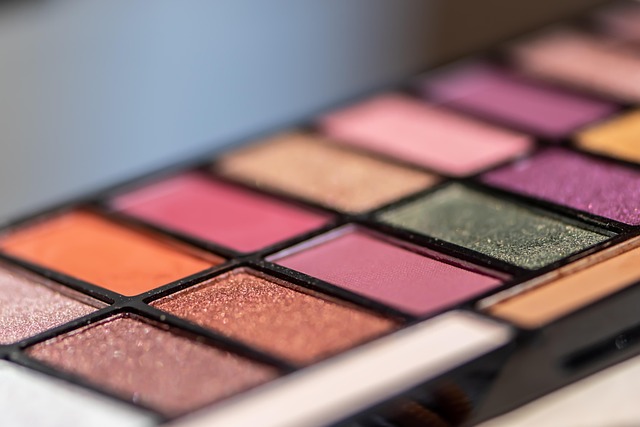
Choosing accurate makeup shades depends on identifying your skin’s undertone, which remains constant regardless of sun exposure:
- Cool undertones: Veins on your wrist appear blue or purple, silver jewelry flatters your skin, and you burn easily in the sun. Select concealers and blushes with soft pink, berry, or rosy undertones.
- Warm undertones: Veins appear greenish, gold jewelry flatters your skin tone, and you tan easily. Opt for peach, golden, warm honey, or coral shades.
- Neutral undertones: Veins appear blue-green, both gold and silver look flattering, and you tan gradually. Neutral beige and soft rose shades match best.
How do you apply basic makeup step by step for a natural look?
For beginners, achieving a fresh finish relies on precise technique and subtle application rather than heavy layers. Always work under bright, natural light whenever possible.
Step 1: Prepare the skin base
Apply your daily moisturizer and allow it to absorb for 3 to 5 minutes before applying any cosmetics. Makeup applied over dry skin will cling to patches, while applying product over wet moisturizer causes slipping and streaking.
Step 2: Conceal imperfections strategically
Instead of applying foundation over your whole face, dot concealer only where needed—under the eyes, around the sides of the nostrils, or over active blemishes. Use your ring finger or a damp makeup sponge to gently tap and press the product into the skin until the edges blend smoothly. Tapping preserves product coverage, whereas dragging smears it away.
Step 3: Define brows and eyes
Brush your brow hairs upward using a clear or tinted brow gel to open up the face. If you have sparse gaps, fill them using tiny, hair-like strokes with a fine-tipped brow pencil. Next, place your mascara wand right at the base of your upper eyelashes, wiggle it horizontally, and sweep upward to the tips. This deposits volume at the roots while keeping lash tips separated.
Step 4: Add warmth and healthy color
Smile gently to locate the apples of your cheeks and apply a small dab of cream or powder blush, blending upward toward your hairline. Cream blushes offer a dewier, more forgiving finish for beginners. Finish by applying tinted lip balm or gloss, which provides hydration and color without requiring precise lip lining to look polished naturally.
Troubleshooting common makeup application mistakes
If your makeup begins looking heavy or cakey, mist your face lightly with clean water or a hydration spray, then press a clean, damp sponge over the area to absorb excess product. If mascara transfers onto your eyelid during application, wait 2 minutes for the wet mascara to dry completely, then gently flick it away using a dry cotton swab without ruining your underlying skin work.
Which lifestyle habits make the biggest difference for skin health?
Topical products only treat the outer layer of your skin. Daily habits deeply influence cellular turnover, blood flow, collagen synthesis, and how your skin responds to external stressors.
- Hydration: Water supports skin elasticity, tissue firmness, and efficient nutrient delivery to skin cells. Dehydration often presents as dullness, prominent fine lines, and exaggerated texture. Aim for regular water consumption throughout the day adjusted for your climate and activity levels.
- Quality sleep: During deep sleep cycles, blood flow to the skin increases and cellular repair mechanisms peak. Getting 7 to 9 hours of uninterrupted sleep reduces dark under-eye circles and dullness caused by microvascular constriction.
- Nutrient-dense diet: Consuming foods rich in omega-3 fatty acids (like walnuts and flaxseeds), antioxidants (berries and leafy greens), and zinc supports skin repair and protects cell membranes. Diets high in refined sugars can accelerate collagen breakdown over time.
- Stress management: Elevated stress hormones trigger sebaceous glands to produce excess oil, escalating inflammatory breakouts and conditions like eczema. Incorporating physical movement, deep breathing, or outdoor breaks reduces systemic stress spikes.
- Post-workout hygiene: Sweat mixed with natural skin oils and environmental dirt creates an environment for bacterial growth. Always cleanse your face with a mild cleanser or clean water within 15 minutes of completing intense exercise.

What are the most common beginner beauty mistakes and fixes?
Avoiding widespread beauty mistakes protects your skin barrier and saves money on corrective products. Understanding how to handle these errors ensures steady progress in your beauty routine.
Over-exfoliating and damaging the skin barrier
Using physical face scrubs daily or applying strong glycolic and salicylic acids too frequently strips the protective lipid barrier. Symptoms include stinging during moisturizer application, unexpected redness, tightness, and paradoxically increased oil production as skin overcompensates for dehydration. Fix this by stopping all exfoliants for 2 to 3 weeks and relying exclusively on a gentle cleanser and barrier-repair moisturizer containing ceramides and glycerin.
Picking and squeezing blemishes
Popping pimples forces bacterial inflammation deeper into the dermis, prolonging healing time and causing post-inflammatory hyperpigmentation or permanent scarring. Instead, apply hydrocolloid pimple patches to draw out fluid cleanly while preventing physical touching, or apply a gentle targeted spot treatment containing salicylic acid or benzoyl peroxide.
Sleeping in cosmetics and sunscreen
Leaving foundation, tinted cream, or water-resistant sunscreen on overnight traps airborne pollution, sebum, and dead skin cells in your pores, triggering breakouts and accelerating dullness. If you feel too exhausted for a full wash at night, keep fragrance-free micellar water and cotton pads on your nightstand as a quick secondary option.
Using expired products and neglecting tool hygiene
Cosmetics deteriorate over time and can harbor harmful bacteria, especially liquid products used around the eyes. Check the PAO (Period After Opening) symbol on product packaging—a small icon depicting an open jar with a number such as 6M (6 months) or 12M (12 months). Mascara should generally be replaced every 3 months to protect eye health. The FDA provides general guidelines on cosmetic product safety and shelf life. (Source: fda.gov)
Additionally, clean your makeup brushes and beauty sponges weekly. Wash them with a mild liquid soap or specialized brush cleaner in warm water, squeeze out excess moisture gently, and lay them flat on a towel to dry completely. Dirty brushes reintroduce old oil and bacteria directly back onto clean skin.
How can you build a simple, sustainable beauty routine on a budget?
Building a beauty routine does not mean constantly chasing new product launches or filling your bathroom shelves with single-use items. Adopting a mindful approach focuses on long-term sustainability, financial efficiency, and simplified daily steps.
Opt for multi-purpose formulas whenever possible. A tinted sunscreen acts as sun protection, a light foundation alternative, and daily hydration all in one step. Dual-purpose lip and cheek stains streamline product counts, reduce packaging waste, and save storage space. For further reading on conscious choices, explore Minimalist Beauty Routine 2026: Simplify for Radiant Skin on minimalist beauty routines.
Before purchasing new products, learn to review key ingredient lists rather than relying on decorative packaging claims. Looking for tested, core ingredients like hyaluronic acid for moisture retention, niacinamide for pore refinement, and glycerin for hydration allows you to select effective budget formulas over overpriced luxury options.
Frequently asked questions
What is the absolute bare minimum beauty routine for a beginner?
The absolute bare minimum beauty routine consists of three simple steps: cleansing your face twice daily, moisturizing immediately after, and applying a broad-spectrum SPF 30 sunscreen every morning. These three habits maintain skin health and create a clean foundation for any optional makeup products.
How do I choose the right foundation or concealer shade as a beginner?
To choose the correct shade, swatch a small line of concealer or foundation directly along your jawline in natural daylight. The correct shade should blend invisibly into both your face and neck without appearing chalky or leaving a dark line.
What are some affordable, beginner-friendly beauty brands?
Reliable and budget-friendly beauty brands include CeraVe and La Roche-Posay for core skincare products, alongside e.l.f. Cosmetics, Maybelline, and NYX Professional Makeup for simple cosmetics. These brands offer high-performing, widely accessible formulas designed for ease of use.
Should I use a primer before applying makeup?
Primer is not strictly necessary for beginners who already apply a hydrating moisturizer and sunscreen daily. However, if you experience excess shine around your T-zone or want makeup to last through long workdays, a lightweight mattifying or smoothing primer can help extend wear time.
How often should I clean my makeup brushes and sponges?
Clean your makeup sponges and foundation brushes once a week using warm water and a mild liquid cleanser or brush soap. Sponges used damp daily should be rinsed after every use and allowed to dry completely in an open, ventilated space to prevent mold and bacterial growth.
Is it okay to skip foundation completely for everyday looks?
Yes, skipping foundation entirely is ideal for a fast, light everyday look. Applying a small amount of concealer only where needed allows your natural skin texture to show while gently smoothing out uneven tone or dark under-eye circles.