








The best skin care for women over 50 centers on restoring barrier hydration, boosting collagen production, and protecting against photoaging. A complete daily routine combines a gentle non-stripping cleanser, a morning Vitamin C serum, daily broad-spectrum SPF 30+, an evening retinoid or peptide treatment, and a ceramide-rich moisturizer to support skin through post-menopausal estrogen loss.
As skin transitions into mature decades, the strategies that worked in earlier years often fail to deliver the same results. Products designed for oil reduction or basic surface hydration no longer offset the biological changes occurring beneath the surface. Redesigning a routine around mature skin physiology helps restore moisture, improve elasticity, and keep skin calm, bright, and resilient.
How does skin change after 50?
The primary driver of skin transformation after age 50 is the natural drop in estrogen associated with menopause. As hormonal shifts accelerate, particularly during perimenopause and menopause, dermal tissues experience a sharp decline in structural proteins and natural moisture factors.

According to a 2026 review published in the journal Dermatology and Therapy, skin care for women over menopause becomes critical. They lose up to 30% of their collagen in the first five years. After this initial decline, collagen loss continues at a rate of approximately 2.1% per year. Collagen provides structural firmness, while elastin grants skin its stretch and bounce back. As both diminish, skin becomes visibly thinner, looser, and more prone to deep lines and sagging along the jawline and cheeks.
At the same time, the skin barrier undergoes structural changes. Sebum production decreases significantly, while natural ceramide production drops. This weakening increases transepidermal water loss. Consequently, skin care for women over this age must address chronic dry skin, surface flaking, and heightened reactivity.
Cellular turnover slows after 50, making skin care for women over this age essential. Young adult skin renews every 28 days, but mature skin takes 45 to 60 days. Dead cells accumulate longer, causing a duller, rougher texture. Cumulative sun exposure becomes visible as melanin accumulates unevenly, manifesting as dark spots and blotchy pigmentation.
What active ingredients work best for mature skin?
Selecting targeted ingredients is essential when structuring an effective anti-aging skincare routine. See Men’s Skincare Routine: Simple Steps for Healthier Skin for evaluating formulation strengths. Rather than overloading skin with harsh treatments, skin care for women over a mature age responds best to proven actives that support barrier function, stimulate structural synthesis, and offer cellular protection.

Retinoids
Retinoids, which include prescription tretinoin, retinaldehyde, and over-the-counter retinol, remain the standard for encouraging skin cell renewal and collagen expression. They work by binding to retinoic acid receptors in the skin, signalling cells to divide faster and produce fresh collagen. Retinoids can initially cause dryness or mild peeling, making rich moisturizers an essential pairing.
Vitamin C
L-ascorbic acid and derivatives like tetrahexyldecyl ascorbate provide potent antioxidant defense over time in skin care for women. Vitamin C neutralizes free radicals generated by ultraviolet light and pollution, preventing further breakdown of existing collagen. It acts as an essential cofactor in collagen synthesis. Furthermore, it inhibits tyrosinase, the enzyme responsible for dark spot formation, leading to a clearer and more even skin tone.
Hyaluronic acid and humectants
As natural moisture reserves decline, humectants pull water into the epidermis to temporarily plump fine lines and restore surface elasticity. Hyaluronic acid holds up to 1,000 times its weight in water. To prevent humectants from pulling moisture out of deeper dermal layers in dry climates, apply hyaluronic acid to damp skin. Seal it immediately with an emollient moisturizer.
Peptides
Peptides are short chains of amino acids that serve as building blocks for structural proteins like collagen and elastin. Signal peptides communicate directly with skin cells to trigger new protein synthesis. Carrier peptides supply trace minerals needed for wound healing and skin repair. Peptides offer gentle skin care for women over sensitive or thin skin types as an alternative or complement to retinoids.
Ceramides, cholesterol, and fatty acids
Formulations containing a balanced ratio of ceramides, cholesterol, and free fatty acids replenish missing intercellular lipids. This strengthens the outer layer of skin, reduces sensitivity, locks in moisture, and protects against environmental irritants.
Niacinamide
Niacinamide, or Vitamin B3, boosts natural ceramide synthesis, reduces blotchy redness, and inhibits melanosome transfer to lighten hyperpigmentation. It is exceptionally well tolerated by mature, sensitive skin and pairs safely with almost all other active ingredients.
| Ingredient | Primary Benefit | Target Concern | Application Tips |
|---|---|---|---|
| Retinoids | Stimulates collagen and accelerates turnover | Fine lines, deep wrinkles, loss of firmness | Use at night on clean dry skin; start 2–3 times per week |
| Vitamin C | Neutralizes free radicals and brightens skin | Hyperpigmentation, sun spots, dullness | Apply in the morning under moisturizer and sunscreen |
| Hyaluronic Acid | Attracts and binds surface moisture | Dehydration, fine dry lines, tightness | Apply onto damp skin; seal with cream immediately |
| Peptides | Supports structural protein synthesis | Loss of elasticity, thinning skin structure | Use morning or night; works well under heavier creams |
| Ceramides | Restores structural barrier lipids | Chronic dryness, barrier damage, reactivity | Use daily, morning and evening, in creams or serums |
| Niacinamide | Calms redness and strengthens barrier function | Uneven skin tone, enlarged pores, redness | Suitable for daily morning and night application |
What is the best skin care for women over 50?
A successful routine for skin care for women over fifty separates morning protection from evening repair. The morning focuses on shielding skin from UV rays, pollution, and water loss. The evening concentrates on cell renewal, lipid replenishment, and cellular recovery while you sleep.

Step-by-step morning routine
- Hydrating Gentle Cleanser: Wash with a non-foaming cream, lotion, or oil cleanser. Avoid harsh sulfates, artificial fragrances, and high-pH soaps that strip natural surface oils. If skin feels very dry upon waking, a splash of lukewarm water may be sufficient.
- Antioxidant Serum: Apply 3 to 5 drops of a Vitamin C serum across the face and neck. Allow 60 seconds for full absorption into clean skin.
- Hydrating Serum: Smooth a hyaluronic acid or peptide serum over face and neck while skin remains slightly damp. This will maximize moisture retention.
- Eye Cream: Gently tap a small amount of peptide- or ceramide-enriched eye cream around the orbital bone. Use your ring finger to avoid pulling thin under-eye skin.
- Nourishing Moisturizer: Massage a rich moisturizer containing ceramides, squalane, or cholesterol over the face and neck. Doing so locks in previous serum layers.
- Broad-Spectrum Sunscreen (SPF 30 or Higher): Finish with a broad-spectrum sunscreen every single day, regardless of weather or indoor plans. Mineral options with zinc oxide or titanium dioxide are often less irritating for sensitive mature skin.
Step-by-step evening routine
- First Cleanse (Makeup and Sunscreen Removal): Use a cleansing balm or cleansing oil on dry skin to dissolve long-wear foundation, surface grime, and water-resistant sunscreen. Rinse thoroughly with lukewarm water.
- Second Cleanse: Follow with a mild cream or lotion cleanser to clean the skin surface thoroughly without stripping essential lipids.
- Targeted Treatment (Retinoid or AHA): Apply your chosen retinoid or gentle alpha hydroxy acid (such as lactic acid) onto clean, dry skin. Start by using retinoids two to three nights per week, gradually increasing frequency as tolerated.
- Restorative Eye Treatment: Apply a hydrating, fragrance-free eye cream to nourish the thin epidermal layer surrounding the eyes overnight.
- Barrier Repair Night Cream: Apply a thick night cream formulated with ceramides, fatty acids, and shea butter or squalane. It supports overnight tissue restoration.
- Optional Facial Oil: For extreme dryness, seal the entire routine with a few drops of pure squalane or jojoba oil. Press gently onto the cheeks and neck.
For savings on supportive wellness gear and activewear, see the Alo Discount Code: Smart Savings in June 2026.
If building a simplified regimen for a partner, view the guide on Men’s Skincare Routine 2026: Simple Steps for Healthier Skin.
How to care for delicate areas like the neck, chest, and hands
The skin on the neck, décolletage, and backs of hands is thinner than facial skin. It also possesses far fewer sebaceous glands. Consequently, these areas show early aging signs if you neglect skin care for women over a certain age.

Extend facial routines down to your chest. Apply antioxidant serums, peptide treatments, moisturizers, and sunscreen to the neck. Use gentle upward strokes when applying skin care for women over their neck to avoid stretching delicate skin.
Hands are exposed to constant washing, detergents, and sun exposure while driving or walking outdoors. For optimal skin care for women over time, keep a rich ceramide hand cream next to sinks. Apply broad-spectrum SPF 30+ daily to prevent solar lentigines.
How to adapt skincare for sensitive skin and menopausal flushes
Hormonal fluctuations during and after menopause can trigger hot flashes and sudden skin flushing. When surface blood vessels dilate repeatedly, skin can develop persistent redness, broken capillaries, or heightened reactivity to previously fine skincare products.

To reduce irritation while maintaining active treatment benefits, implement the following adjustments:
- Use the “Sandwich Method” for Retinoids: Apply a layer of light moisturizer, let it dry, apply your retinoid, and top with a second layer of moisturizer. This buffers active ingredient delivery without neutralizing efficacy.
- Switch to Gentler Alternatives: If retinol continues to cause persistent redness or flaking, switch to retinaldehyde or plant-based bakuchiol. These options stimulate similar collagen pathways with significantly less barrier inflammation.
- Incorporate Soothing Actives: Look for formulas containing Centella Asiatica (Cica), colloidal oatmeal, allantoin, bisabolol, or green tea extract to actively calm heat and capillary flushing.
- Avoid Heat and Friction: Wash skin with lukewarm water rather than hot water, avoid facial scrubs or harsh cleansing brushes, and store hydrating facial mists in the refrigerator for cooling relief during hot flashes.
Are at-home devices and professional treatments worth it?
While topically applied skincare forms the foundation of daily skin health, targeted devices and in-office procedures can address deeper structural changes that creams cannot reach.
At-home skincare devices
At-home microcurrent devices send low-voltage electrical currents into facial muscles and tissue, offering temporary lifting, toning, and improved lymphatic drainage. Red light therapy panels or masks utilizing specific light wavelengths (around 630 to 660 nanometers) support cellular ATP production and mild collagen renewal with regular, consistent use over several months.
In-office dermatological procedures
For more pronounced volume loss, deep lines, or stubborn discoloration, professional treatments provide faster and more targeted correction:
- Chemical Peels (TCA or Lactic Acid): Remove accumulated dead skin layers and encourage rapid epidermal renewal to smooth texture and lighten deep pigmentation.
- Intense Pulsed Light (IPL): Targets hemoglobin and melanin beneath the skin surface to clear diffuse redness, broken capillaries, and brown age spots.
- Microneedling with Radiofrequency (RF): Creates controlled micro-injuries while delivering thermal energy into the deep dermis, triggering powerful long-term collagen and elastin synthesis.
- Bio-stimulatory Injectables: Treatments like poly-L-lactic acid help stimulate natural collagen production deep within sub-dermal tissues over several months, restoring lost facial structural support.
What common skincare mistakes should women over 50 avoid?
Even with high-quality products, certain common routine mistakes can compromise the skin barrier and slow your progress:
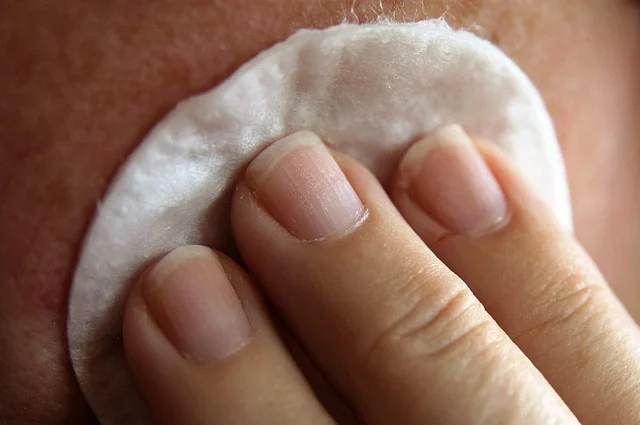
- Over-exfoliating: Mature skin is delicate. Using harsh walnut scrubs, abrasive cleansing pads, or combining high-strength glycolic acid with daily retinoids destroys the protective lipid barrier, leading to chronic redness and micro-tears. Limit chemical exfoliation to 1–2 times weekly.
- Skipping daily sunscreen: UVA rays penetrate clouds and glass year-round, breaking down collagen fibers continuously. Applying active anti-aging serums without morning SPF undermines your entire routine.
- Combining incompatible actives simultaneously: Applying Vitamin C, strong hydroxy acids, and retinoids together in a single step leads to severe chemical irritation and pH imbalance. Space them out by using Vitamin C in the morning and retinoids at night.
- Relying on humectants without occlusives: Applying hyaluronic acid in dry indoor environments without sealing it with a lipid-rich cream can draw water out from deeper layers of the skin, aggravating internal dehydration.
- Abandoning products too quickly: Structural repairs like collagen building and pigment fading require consistent application over 8 to 12 weeks. Changing products every fortnight prevents you from seeing real results.
Frequently asked questions
What are the most crucial ingredients for women over 50?
The most essential ingredients for women over 50 are retinoids for collagen renewal, Vitamin C for antioxidant brightening, hyaluronic acid for surface plumping, ceramides for lipid barrier repair, and broad-spectrum SPF 30+ for sun protection. These ingredients address structural thinning, dryness, and pigmentation simultaneously.
How often should women over 50 exfoliate?
Exfoliate gently 1 to 2 times per week using mild chemical exfoliants like lactic acid or polyhydroxy acids (PHAs). Avoid harsh physical scrubs, which cause micro-tears in fragile mature skin and disrupt barrier function.
Can skincare products reverse deep wrinkles after 50?
Topical skincare products can significantly soften fine lines, improve surface texture, and prevent new wrinkles from deepening. However, deep static wrinkles caused by structural volume loss and repeated muscle movement generally require targeted in-office procedures such as bio-stimulators or laser resurfacing for full correction.
Is a separate eye cream necessary for mature skin?
A separate eye cream is beneficial because skin care for women over certain ages must address thinner, oil-lacking eye areas. Dedicated eye creams are formulated with specialized concentrations of peptides, ceramides, or caffeine that nourish delicate tissue without causing irritation or milia.
How long does it take to see results from a new skincare routine after 50?
Surface hydration and temporary plumping can be seen within hours to days. Radiant skin tone improvements typically appear after 4 to 6 weeks, while collagen rebuilding, firming, and wrinkle reduction from retinoids or peptides require 8 to 12 weeks of consistent daily use.
What is the best way to introduce retinoids into a mature skin routine?
Start by applying a pea-sized amount of low-strength retinol or retinaldehyde two nights a week on dry skin after cleansing. Gradually increase frequency to every other night over 4 to 6 weeks, always following with a ceramide moisturizer and using SPF daily.