










Brands that support the UK help preserve traditional craftsmanship, protect domestic jobs, and reduce environmental impacts through local manufacturing and ethical sourcing. Choosing these businesses allows conscious shoppers to align their spending with national economic vitality while navigating complex corporate commitments.
This guide details authentic Made in Britain products across fashion, homeware, food, and technology, alongside practical steps to verify genuine UK manufacturing labels. It also outlines corporate stances on international humanitarian causes regarding Ukraine, Israel, and Palestine, political donation disclosures for Reform UK, and businesses supporting British drivers and charities.
Brands That Support UK: Made in Britain Products, Corporate Stances, and Ethical Shopping Guide
Brands that support the UK help preserve traditional craftsmanship, protect domestic jobs, and reduce environmental impacts through local manufacturing and ethical sourcing. Choosing these businesses allows conscious shoppers to align their spending with national economic vitality while navigating complex political, humanitarian, and charitable brand commitments.
Whether you are searching for authentic Made in Britain products, verifying corporate donations to charities or political parties, or examining global geopolitical stances of UK-operating companies, this guide provides clear breakdowns and practical verification steps.

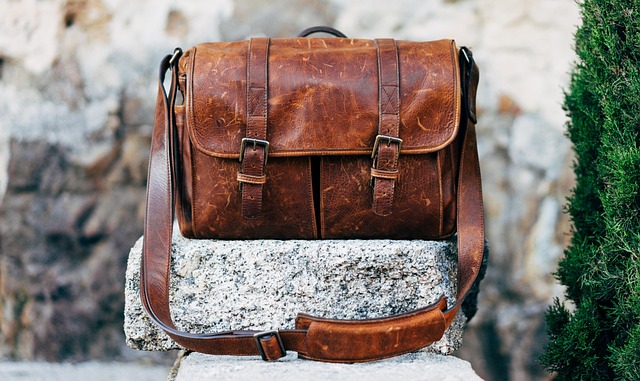
What Brands Are Made in the UK?
Understanding which brands actively manufacture goods in the United Kingdom requires looking across several major retail sectors. Domestic production preserves heritage skills, ensures compliance with strict UK labor standards, and significantly lowers transport emissions compared to imported alternatives.
Fashion and Outerwear
- Barbour: Manufactures its classic waxed jackets at its factory in South Shields, England, maintaining long-standing British heritage production alongside repair and re-waxing services.
- Mulberry: Operates two leather goods factories in Somerset (“The Rookery” and “Willows”), producing a substantial portion of its luxury handbags domestically.
- John Smedley: Crafts fine gauge knitwear at its historic mill in Lea Mills, Derbyshire, operating continuously on the same site since 1784.
- Northamptonshire Shoemakers: Historic cordwainers including Crockett & Jones, Tricker’s, Joseph Cheaney & Sons, and Edward Green continue full footwear manufacturing in Northamptonshire.
Homeware, Ceramics, and Living
- Denby Pottery: Utilizes locally sourced Derbyshire clay to produce durable stoneware pottery in Denby, Derbyshire.
- Emma Bridgewater: Manufactures hand-decorated earthenware pottery in Stoke-on-Trent, preserving Britain’s traditional pottery industry.
- Falcon Enamelware: Maintains British design traditions for heavy-duty kitchenware and enamel products.
Food, Agriculture, and Beverage
Domestic agricultural businesses and regional food producers directly support local farming communities. Independent dairy producers, artisan bakeries, and English wine estates keep supply chains short and transparent. Purchasing Red Tractor or RSPCA Assured produce guarantees UK farming origins.
Technology, Audio, and Transport
- Brompton Bicycle: Designs and manufactures its iconic folding bicycles at its factory in Greenford, West London.
- Rega Research & Bowers & Wilkins: High-end British audio manufacturers that design and assemble turntables and loudspeakers in Essex and Sussex.
Step-by-Step: How to Verify Genuine “Made in UK” Products
- Examine the Specific Labeling: Look explicitly for “Made in the UK” or “Made in Great Britain”. Phrases like “Designed in the UK” or “British Heritage” frequently indicate overseas assembly.
- Check Accreditation Organizations: Search for official membership in recognized bodies such as the official Made in Britain campaign, the Guild of Master Craftsmen, or regional trade associations.
- Audit Factory Disclosures: Authentic British manufacturers publish details, photographs, or factory location details on their corporate transparency pages.
- Verify Aftercare Services: Brands committed to UK production often offer local repair, resoling, or refurbishing programs within Britain.
What Brands Support Ukraine?
Following the outbreak of conflict in Ukraine, many companies operating in the UK took direct action through humanitarian aid, operational changes, and charitable fundraising. Consumers tracking corporate alignment with Ukraine look at three primary actions:
- Direct Aid and DEC Contributions: Major supermarket chains including Tesco, Sainsbury’s, Marks & Spencer, and Morrisons made multi-million pound corporate donations directly to the Disasters Emergency Committee (DEC) Ukraine Humanitarian Appeal. Global consumer goods groups like Unilever and Procter & Gamble provided humanitarian supply shipments.
- Market Withdrawal and Operations Suspension: High-street fashion groups (such as Inditex and H&M Group) and international consumer brands suspended retail operations or fully exited business activities in Russia to comply with international sanctions and ethical standards.
- Dedicated Cause Products: Independent beverage, apparel, and food brands introduced dedicated products where 100% of proceeds were directed to Ukrainian refugee support and medical charities.
Who Is the UK’s Biggest Ally?
Geopolitically and strategically, the United States is recognized as the United Kingdom’s primary international ally. This relationship—frequently termed the “Special Relationship”—is built upon close intelligence sharing (through the Five Eyes alliance), military cooperation within NATO and AUKUS, joint diplomatic initiatives, and extensive bilateral trade.
On a regional level, European partners such as France and Germany represent vital security and economic allies, reinforced by bilateral defense treaties (such as the Lancaster House Treaties). Also, the 56-member Commonwealth network forms a key pillar of Britain’s global diplomatic and cultural alliances.
Is NOW a Good Supplement Brand?
NOW Foods (NOW) is a well-established American health brand widely distributed across the UK through online retailers, pharmacies, and health stores. When evaluating NOW supplements against UK market standards:
- Quality and Certification: NOW operates under strict Good Manufacturing Practice (GMP) standards, holds NPA A-rated certification, and utilizes both in-house and third-party laboratory testing for heavy metals, potency, and contaminants.
- Affordability and Variety: NOW offers one of the broadest product catalogs in the dietary supplement industry at accessible price points, making it popular among cost-conscious consumers.
- Comparison with UK Supplement Brands: While NOW provides reliable quality, UK shoppers seeking local alternatives often look to British supplement brands such as Viridian Nutrition, Cytoplan, or Together Health, which emphasize UK manufacturing, plastic-free packaging, and organic British sourcing.
Corporate Political and Humanitarian Stances in the UK
Brands That Support Israel in the UK
Consumers researching corporate ties to Israel typically examine parent-company foreign direct investments, research and development facilities located in Israel, or corporate venture capital stakes in Israeli technology firms. Organized consumer campaigns, such as the Boycott, Divestment, Sanctions (BDS) movement, publish target lists evaluating corporate involvement in military contracts or commercial operations in disputed territories. Consumers verify these connections through published corporate annual reports and independent ethics databases.
Brands That Support Palestine in the UK
Brands supporting Palestinian relief initiatives primarily partner with UK-registered humanitarian organizations. Retailers and independent businesses channel funding through entities such as Medical Aid for Palestinians (MAP), Oxfam GB, Islamic Relief UK, and the British Red Cross Gaza Appeal. Additionally, fair-trade social enterprises like Zaytoun import Palestinian olive oil, dates, and wild thyme directly from farming cooperatives, distributing them across health stores and organic supermarkets throughout Great Britain.
Companies That Support Reform UK
Under UK electoral law, all financial contributions to political parties exceeding £11,180 must be disclosed to the Electoral Commission and made available on public registers. Political donations to Reform UK originate primarily from individual private investors, entrepreneurs, and private asset management firms rather than publicly traded high-street consumer product brands. Shoppers interested in verifying corporate or executive political funding can search the official Electoral Commission database directly.
Brands That Support Drivers in the UK
Professional drivers, fleet operators, and daily motorists rely on specific UK organizations and brands for road infrastructure, safety advocacy, and service support:
- Roadside Assistance Organizations: The RAC and AA provide breakdown coverage, safety research, and national lobbying for driver welfare and road maintenance standards.
- Motorway Service Operators: Service networks including Moto, Welcome Break, and Roadchef manage rest stops, electric vehicle charging hubs, and secure parking facilities for hauliers across the UK motorway network.
- Fuel and Fleet Loyalty Programs: Fuel brands such as BP, Shell, and Esso offer dedicated fleet cards and loyalty schemes designed to reduce operational costs for commercial drivers and HGV operators.
Companies That Support Charities in the UK
Corporate Social Responsibility (CSR) plays a major role in how British businesses give back to local communities:
- Supermarket Community Schemes: Tesco operates the Community Grants initiative and partners with FareShare and the Trussell Trust for regional food bank donations. Asda Foundation and Sainsbury’s run similar community micro-grant initiatives.
- Dedicated Corporate Foundations: Major institutions like Greggs (via the Greggs Foundation) fund over 800 primary school breakfast clubs across Britain, while Boots partners closely with BBC Children in Need and The Hygiene Bank.
- Payroll Giving Networks: Numerous UK employers facilitate tax-efficient Payroll Giving schemes, allowing employees to donate directly from pre-tax earnings to UK-registered charities.
Evaluating the Rewards and Drawbacks of Supporting UK Brands
Deciding to prioritize domestic UK brands involves weighing quality and ethical benefits against potential cost and selection constraints.
| Factor | UK Manufactured Brands | Mass-Market Imported Goods |
|---|---|---|
| Quality & Craftsmanship | High; heavy emphasis on repairability and long-lasting materials. | Variable; often designed for rapid style turnover or planned obsolescence. |
| Environmental Impact | Lower carbon footprint due to shorter domestic transport routes. | Higher emissions from international container shipping and air freight. |
| Labor Standards | Strict compliance with UK employment laws and statutory minimum wages. | Varying labor oversight depending on country of origin regulations. |
| Initial Purchase Price | Generally higher due to domestic wage rates and smaller production runs. | Lower initial retail prices achieved through global economy of scale. |
Significant Rewards
- Quality and Durability: Many UK brands pride themselves on craftsmanship, using higher quality materials and construction methods. This often results in products that are more durable and last longer, offering better value over time. Think of a well-made Barbour jacket or a sturdy Denby dinner set – they are built to last for years, if not decades.
- Ethical and Environmental Impact: Supporting UK manufacturing often means adhering to higher labour standards and environmental regulations. This can lead to reduced carbon footprints due to shorter supply chains and a lower likelihood of exploitative labour practices. According to a 2026 report from the Environmental Audit Committee, domestic production generally has a lower carbon footprint per unit than goods shipped internationally.
- Economic Contribution: Your purchase directly supports UK jobs, businesses, and the overall economy. This helps maintain skills, foster innovation, and build a more resilient national industrial base. The CBI noted in 2026 that SMEs contribute significantly to local employment and regional economic growth.
- Unique Design and Heritage: Many UK brands offer unique designs rooted in British heritage and culture, providing products with a distinct character and story.
Common Problems and Practical Fixes
- Problem: Misleading “British” Marketing. Many brands feature Union Jacks or British motifs on packaging while importing 100% of the finished product.
Fix: Look past marketing imagery and inspect the fine print for official “Made in UK” certifications or verified factory disclosures. - Problem: Higher Upfront Purchase Price. Premium labor and material costs can make UK-made items more expensive initially.
Fix: Evaluate purchases on a “cost-per-wear” or “cost-per-use” basis. Investing in a durable British garment or piece of cookware that lasts decades costs less per year than replacing cheap imported goods frequently.
Who This Advice Does Not Suit
Prioritizing domestic UK production may not suit budget-constrained shoppers seeking ultra-low initial purchase prices, buyers needing ultra-niche tech hardware with no UK manufacturing base, or consumers looking for fast-fashion items intended for short-term wear.
Frequently Asked Questions
What does it mean for a brand to ‘support the UK’?
It means the brand actively contributes to the UK economy and society. This can include manufacturing goods in the UK, employing British workers, sourcing materials locally, investing in UK-based R&D, or supporting UK charities and communities.
Are products made in the UK always more expensive?
Generally, yes. Higher labour costs, stricter regulations, and smaller production scales often lead to higher prices for UK-made goods compared to those produced overseas. However, this often reflects better quality and durability.
How can I find out if a brand is genuinely British-made?
Look for ‘Made in the UK’ labels, check the company’s website for supply chain transparency, research their ownership and manufacturing locations, and look for relevant industry certifications.
Which sectors in the UK have the most brands supporting local production?
Fashion, food and drink, homeware, and increasingly, technology and advanced manufacturing sectors have a strong presence of brands committed to supporting the UK through local production and employment.
Is supporting UK brands only about economics?
No, it’s also about supporting ethical labour standards, environmental sustainability through reduced transport emissions, preserving traditional crafts and skills, and fostering national innovation.
Making Your Choice
As of June 2026, the power of consumer choice is more significant than ever. By consciously selecting brands that support the UK, you contribute to job creation, local economies, ethical practices, and the preservation of British heritage and innovation. While challenges like price and availability exist, the rewards—in terms of quality, sustainability, and positive societal impact—are substantial.
Next time you shop, take a moment to research the brand’s origins and impact. Prioritise at least one purchase this month from a brand that demonstrably supports the UK economy and its communities.
Source: Vogue
Related guides
Sources: Metro Brands


