













When comparing custom suit cost vs off the rack options, upfront prices vary. Off-the-rack suits range from $100 to $800 upfront. Made-to-measure custom suits start around $500, while bespoke tailoring can exceed $10,000. Necessary alterations adding $50 to $300 often narrow the initial price gap.
Below, we break down the price differences, construction quality, and hidden costs associated with each option. You will also learn how fabric selection, tailoring methods like full canvas, and frequency of wear impact the long-term value of your suit investment.
Understanding the Three Main Suit Categories
Navigating suit options requires understanding three distinct manufacturing tiers. Each tier offers a different trade-off between upfront expense, turn-around speed, fit precision, and structural longevity.
1. Off-the-Rack (Ready-to-Wear)
Off-the-rack (RTW) suits are mass-produced based on standardized size grids (such as 40 Regular or 42 Long). Manufacturers design these garments around average body proportions using a fixed chest-to-waist drop ratio—typically a 6-inch difference between jacket chest size and pant waist size. They are available for immediate purchase and range from budget synthetic blends ($100 to $250) to high-street pure wool suits ($300 to $800).
2. Made-to-Measure (MTM)
Made-to-measure bridges the gap between mass production and custom craftsmanship. First, the tailor starts with an existing base pattern block and adjusts specific measurements based on your body dimensions. Next, you select the outer fabric, inner lining, buttons, lapel style, and pocket details. MTM suits usually require one or two fitting sessions, take four to eight weeks to deliver, and range from $500 to $2,000 depending on the cloth mill and internal canvas construction.
3. Bespoke Tailoring
Bespoke represents traditional luxury tailoring. A master tailor creates an entirely individual paper pattern from scratch based on dozens of body measurements, posture observations, and shoulder slants. The suit features hand-stitched canvas, multiple intermediate “basted” fittings where the garment is disassembled and adjusted, and unlimited customization options. Bespoke suits start around $3,000 and can reach upwards of $10,000 or more when made with rare fabrics from world-renowned mills.
Custom Suit Cost vs Off the Rack: Direct Comparison
The table below compares key cost factors, alteration requirements, construction attributes, and expected wear life across all three categories.
| Category | Initial Sticker Price | Typical Alteration Cost | Internal Construction | Estimated Lifespan | Primary Advantage |
|---|---|---|---|---|---|
| Off-the-Rack (Budget) | $100 – $300 | $50 – $150 | Fused (Glued) | 10 – 25 wears | Immediate availability |
| Off-the-Rack (Premium) | $400 – $800 | $75 – $200 | Fused or Half-Canvas | 30 – 60 wears | Accessible quality brands |
| Made-to-Measure | $500 – $2,000 | $0 – $75 (often included) | Half-Canvas or Full-Canvas | 100 – 200+ wears | Optimal price-to-fit ratio |
| Bespoke Tailoring | $3,000 – $10,000+ | Included in initial cost | Hand-stitched Full Canvas | 200 – 500+ wears | Flawless fit & unmatched quality |

Worked Examples: Calculating Cost-Per-Wear
To determine genuine value, initial purchase price must be evaluated alongside alteration expenses and overall durability. The metric that reflects true cost is Cost-per-Wear (CPW): total investment divided by total wears.
Example A: The Low-Frequency Wearer (1–2 events per year)
- Choice: Entry-level off-the-rack suit ($200) + essential trousers hemming ($30).
- Total Investment: $230.
- Usage: Worn 6 times over 4 years.
- Cost-per-Wear: ~$38.33 per wear.
- Verdict: Off-the-rack is the most logical financial decision. Paying $600+ for a custom suit worn twice a year yields an unnecessarily high cost-per-wear.
Example B: The Weekly Corporate Professional (50 wears per year)
- Option 1 (Off-the-Rack): $450 suit + $150 extensive tailoring = $600 total. Fused construction deteriorates after ~40 dry-cleaning cycles and heavy friction. Lifespan: 1.5 years (75 wears). CPW = $8.00.
- Option 2 (Made-to-Measure Full Canvas): $850 suit + $0 alterations (included by tailor) = $850 total. High-grade worsted wool with natural floating canvas withstands 200+ wears over 4 years. CPW = $4.25.
- Verdict: Made-to-measure delivers a lower cost-per-wear while maintaining superior drape and shape retention throughout its lifecycle.
The Hidden Costs of Off-the-Rack Suits
Buying off-the-rack rarely ends at the cash register. Because factory garments are cut for general averages, most buyers require post-purchase alterations to achieve an acceptable silhouette.

Standard Alteration Price Breakdown
- Trousers Hemming (Plain or Cuffed): $20 – $35
- Trousers Waist In/Out: $25 – $45
- Trousers Tapering (Thighs & Calves): $35 – $60
- Jacket Sleeve Adjustment (Plain Cuffs): $35 – $55
- Jacket Sleeve Adjustment (Working Buttonholes / From Shoulder): $80 – $150
- Jacket Waist Suppression (Taking in sides/back): $40 – $75
- Collar Roll Reduction (Fixing fabric bunching under neck): $50 – $120
A buyer purchasing a $300 off-the-rack suit who needs trousers hemmed, waist brought in, jacket sleeves shortened, and collar roll corrected will spend an additional $150 to $250. So, this elevates the true expense to $450–$550, placing it directly in competition with entry-level custom made-to-measure pricing.
Construction Matters: Fused vs. Canvas Interlining
The structural foundation of a suit jacket dictates how it contours to your body and withstands environmental stress over time.
Fused Construction
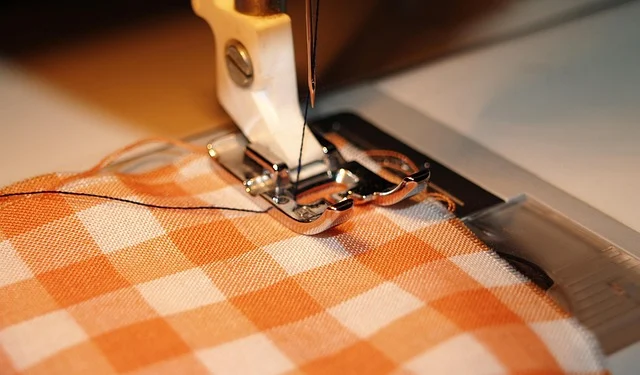
In budget off-the-rack suits, manufacturers heat-glue a synthetic interlining to the inside of the outer fabric. While this keeps production costs low, fused suits feel stiff, breathe poorly in warm weather, and risk “bubbling”—a defect where heat and dry-cleaning solvent degrade the adhesive, causing permanent rippling across the chest.
Half-Canvas Construction
Found in quality off-the-rack suits and mid-range custom options, half-canvas features a natural hair-canvas piece stitched across the chest and lapels, while the lower body remains fused. This ensures a clean lapel roll and natural drape where it matters most, expanding durability significantly without pushing prices to extreme levels.
Full-Canvas Construction
Standard in premium made-to-measure and bespoke tailoring, a full-canvas suit utilizes horsehair interlining stitched loosely throughout the entire length of the jacket. As a result, the canvas molds to the wearer’s exact body heat and shape over time, producing an unmatched custom drape, optimal breathability, and structural integrity that survives decades of proper care.
What Alterations Can and Cannot Fix
Understanding tailoring limits prevents costly errors when purchasing off-the-rack suits.
Fixable Off-the-Rack Issues
- Excess fabric in the waist of the jacket or trousers.
- Pant legs that are too long or slightly too loose.
- Jacket sleeves that are slightly long (when buttons are non-functional).
Unfixable or Cost-Prohibitive Flaws
- Shoulder Width: Recutting jacket shoulders requires completely dismantling the chest piece and armholes. Also, it typically costs $150–$250+ and frequently ruins the garment’s pitch.
- Jacket Length: Shortening a jacket by more than half an inch ruins the visual proportion between pockets, button placement, and bottom hem.
- Severe Drop Mismatches: If you have an athletic build with broad shoulders and a narrow waist (e.g., 42 chest with a 31 waist), off-the-rack suit sets with fixed 6-inch drop ratios will fit neither your chest nor your trousers properly.
Who Should Buy Which Option?
Buy Off-the-Rack if:
- You need a suit immediately for an unexpected event.
- Your body closely aligns with standard sizing grids and standard drop ratios.
- You wear suits fewer than three times per year.
- Your total budget is strictly capped below $400 including alterations.
Choose Made-to-Measure if:
- You wear suits regularly for work, speaking engagements, or formal social calendars.
- Also, you have asymmetrical shoulders, an athletic build, or proportion differences that off-the-rack garments fail to accommodate.
- Next, you want specific control over fabric weave, lining patterns, lapel widths, and button materials.
- You want maximum cost-per-wear value without spending thousands on bespoke craftsmanship.
Invest in Bespoke if:
- You seek ultimate craftsmanship, complete creative freedom, and personalized hand-fitted luxury.
- Finally, you have significant posture complexities or physical builds that standard sizing blocks cannot handle.
- Budget is a secondary consideration compared to absolute perfection of fit and materials.
Step-by-Step Guide: Selecting the Right Path
- Calculate Expected Frequency: Determine how many days per year you will wear the suit. If total projected wear is under 10 uses across its lifetime, lean toward off-the-rack. However, if over 20 uses per year, lean toward made-to-measure.
- Try On a Standard Jacket Size: Check the shoulders first. If the shoulder seam overhangs your natural shoulder curve or pulls tightly across your upper back, do not purchase off-the-rack.
- Calculate Total Alteration Budget: Add anticipated alteration fees ($75–$200) to the off-the-rack sticker price. Next, compare this final figure against local made-to-measure promotional packages.
- Inspect Internal Fabric and Canvas: Pinch the cloth below the bottom buttonhole on the jacket front. If you can feel separate inner and outer fabric layers sliding independently, the suit contains canvas construction. However, if it feels thick, stiff, and fused, factor in lower durability.
Conclusion: Making an Informed Choice
The custom suit cost vs off the rack debate is nuanced. While off-the-rack suits offer immediate gratification and a lower initial price point, they often come with hidden costs in alterations and a compromise on fit and longevity. Custom options, particularly Made-to-Measure, provide a significantly better fit, improved quality, and a more personalized garment, often justifying the increased investment through superior comfort and durability.
Ultimately, the best choice depends on your individual budget, how often you’ll wear the suit, and your personal priorities for fit and style. For many, particularly as of June 2026, a Made-to-Measure suit offers the ideal balance of customization, quality, and value, bridging the gap between mass-produced convenience and the ultimate luxury of bespoke tailoring.
Source: Vogue
Related guides
Sources: Suit
Frequently asked questions
Is an off-the-rack suit ever a good value?
Yes, an off-the-rack suit can be an excellent value if it fits your shoulders well out of the box, requires under $75 in basic hem adjustments, and is intended for infrequent wear or time-sensitive events where high upfront costs are impractical.
Can custom suits be too expensive?
Bespoke suits priced above $3,000 can be prohibitive for casual suit wearers. However, Made-to-Measure suits starting around $500 provide an accessible middle ground that often matches high-end off-the-rack prices once post-purchase alterations are factored in.
What are the biggest drawbacks of off-the-rack suits?
The primary drawbacks are fixed jacket-to-pant drop ratios, fused interlinings that reduce breathability and lifespan, and hidden tailor costs that raise the effective purchase price significantly.
How much should I expect to pay for suit alterations?
Basic alterations like trouser hemming cost $20 to $35, while comprehensive tailoring—including sleeve length adjustments, waist suppression, and collar roll correction—typically ranges between $100 and $300 depending on complexity.
What is the difference between off-the-rack, Made-to-Measure, and Bespoke?
Off-the-rack garments are mass-produced in standard sizes. Made-to-Measure adjusts an existing base pattern to fit your measurements and preferences. Bespoke involves drafting an exclusive pattern from scratch with multiple intermediate fittings and hand sewing.
When is it better to buy custom vs. off-the-rack?
Opt for custom when you wear suits regularly, possess challenging body proportions, or prioritize long-term durability and fabric selection. Choose off-the-rack when you need a suit immediately, have standard athletic proportions, or have a tight upfront budget.


